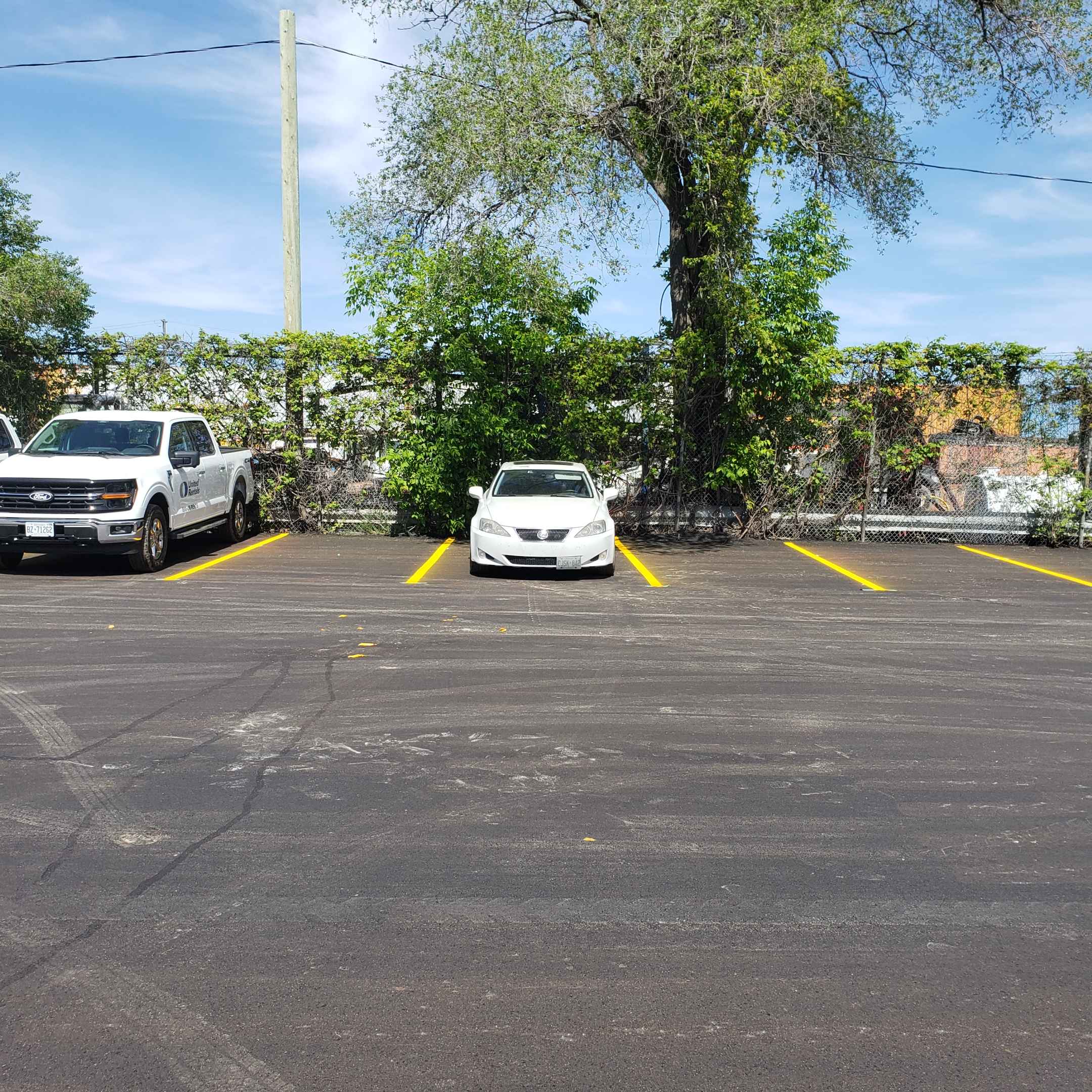
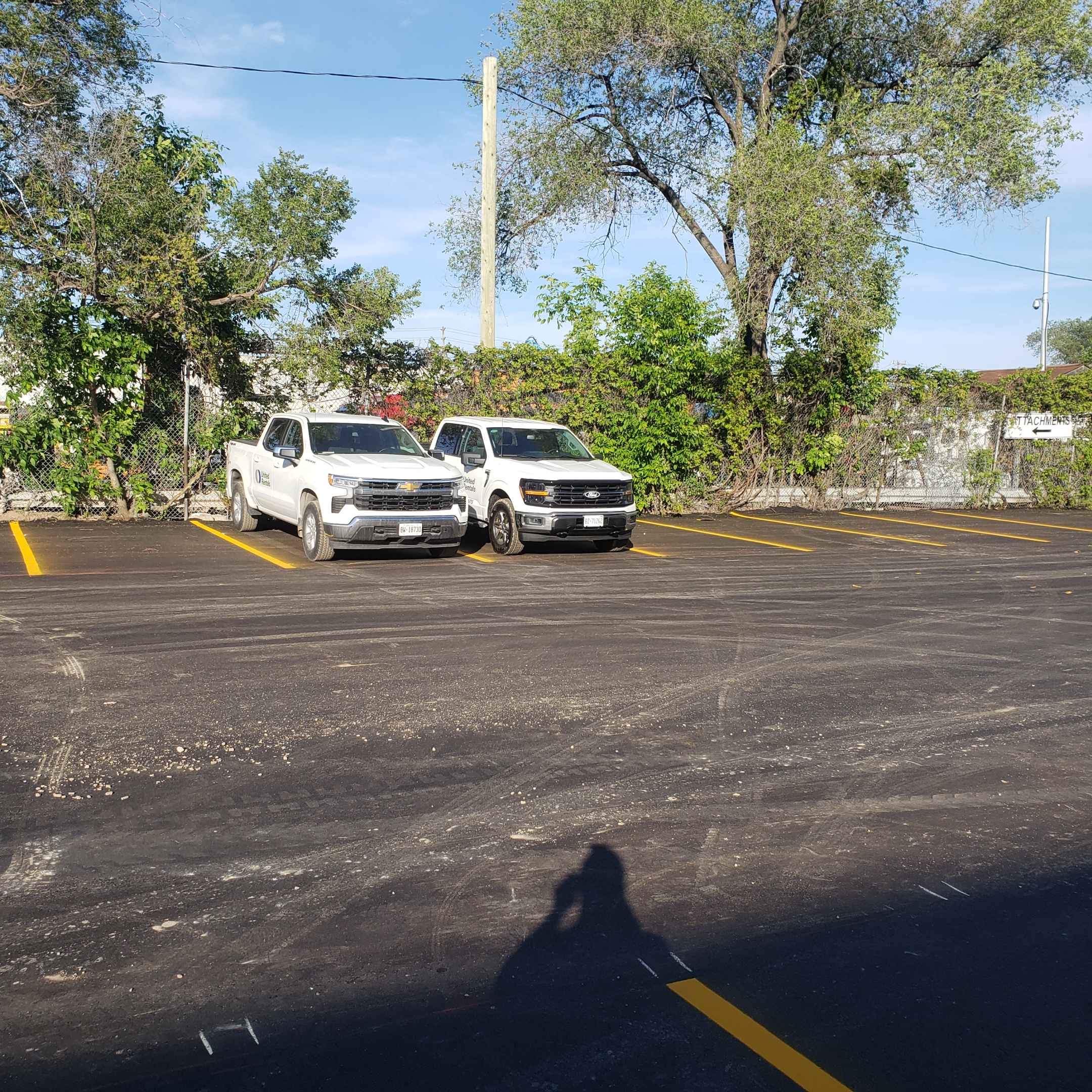
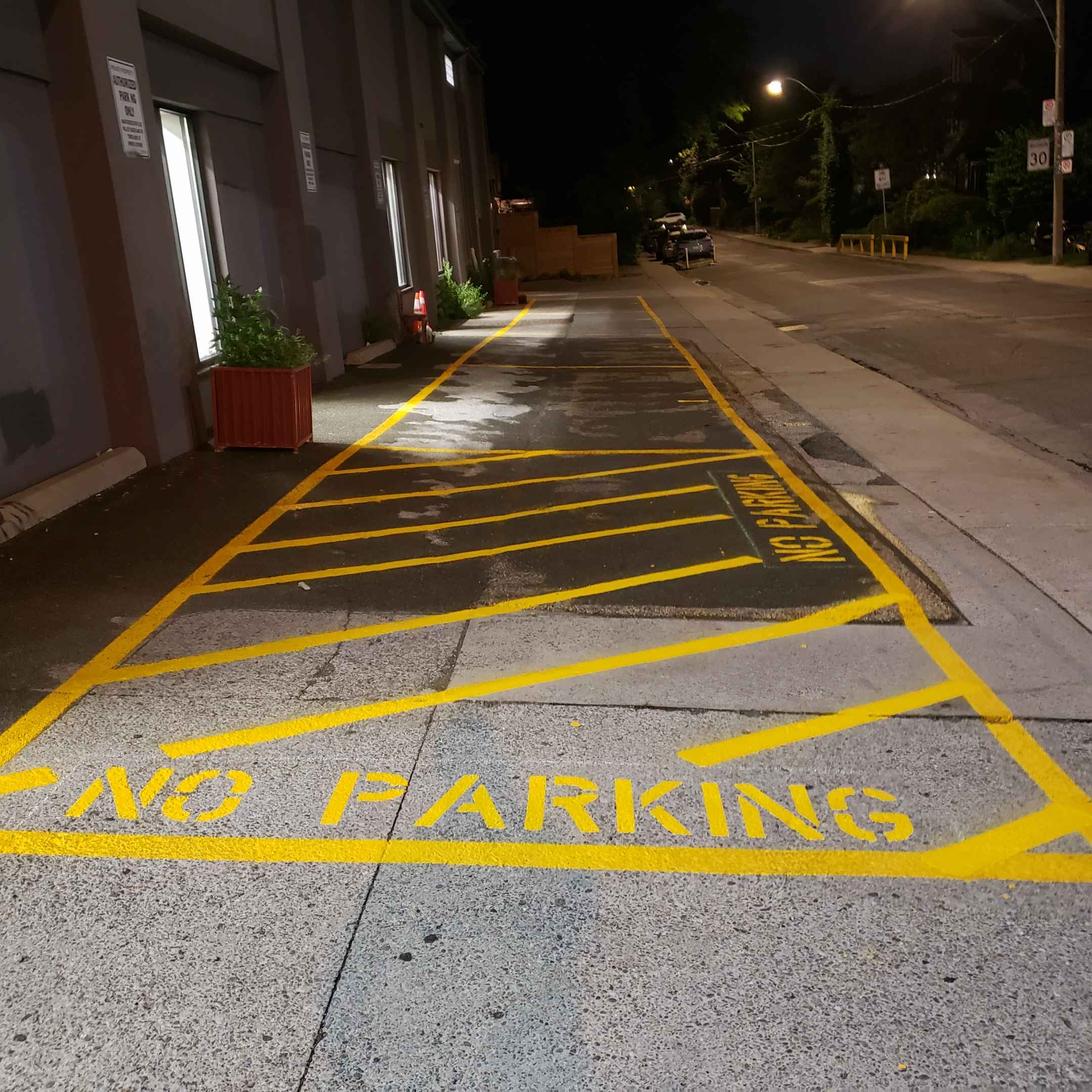
How to Plan Your Parking Lot Pavement Marking for EV and Future Needs
The landscape of transportation is shifting rapidly. As electric vehicles (EVs) become a staple on our roads, commercial property owners must rethink how they utilize their asphalt real estate to stay competitive and compliant.
The Rise of the Electric Vehicle in Ontario
In major hubs like Kingston, a top 30 city in Ontario, the transition toward sustainable transport is evident. More drivers are arriving at retail centers, office complexes, and residential buildings with electric vehicles that require dedicated charging infrastructure. This shift isn't just about adding a plug; it's about redesigning the visual and physical flow of your parking facility.
To meet this demand, professional line marking is essential. You aren't just painting lines; you are creating a navigational system that directs specific users to specific zones, ensuring that charging stations remain available for those who actually need them.
Strategic Planning for EV Charging Zones
When planning for EV integration, you cannot simply slap a green stencil on an existing stall. Proper planning requires a holistic view of your lot's capacity and traffic patterns. Capital Parking Lot Line Painting recommends a multi-step approach to ensure your investment lasts.
1. Spatial Allocation and Stall Sizing
EV charging stations often require more maneuvering room. Cables can be heavy, and drivers may need to position their vehicles more precisely. When implementing new line painting, consider widening certain stalls or creating dedicated access aisles to prevent non-EV drivers from blocking charging access.
2. High-Visibility Symbolism
Standard white or yellow lines are no longer sufficient for specialized zones. To prevent turnover issues, you need high-contrast line marking that clearly identifies EV-only spaces. This typically involves using specialized colors or large-scale stenciling that can be seen from a distance.
Future-Proofing Your Asphalt Investment
Planning for today is important, but planning for five years from now is what separates smart property managers from the rest. As technology evolves, the footprint of charging stations might change. By working with experts like Capital Parking Lot Line Painting, you can design a layout that is modular and adaptable.
Key Benefits of Proactive Planning
- Increased Property Value: Modernized, EV-ready lots appeal to high-value commercial tenants.
- Improved Traffic Flow: Clearer markings reduce congestion and confusion during peak hours.
- Regulatory Compliance: Staying ahead of municipal requirements in cities like Kingston prevents costly retrofits later.
- Enhanced Safety: Defined pedestrian walkways and specialized stall markings reduce the risk of accidents.
Common Mistakes to Avoid
Many property owners attempt to DIY their way through these changes, which often leads to faded, non-compliant markings. Avoid these common pitfalls:
- Using Low-Quality Paint: Standard paint may not hold up under the increased frequency of specialized vehicle traffic.
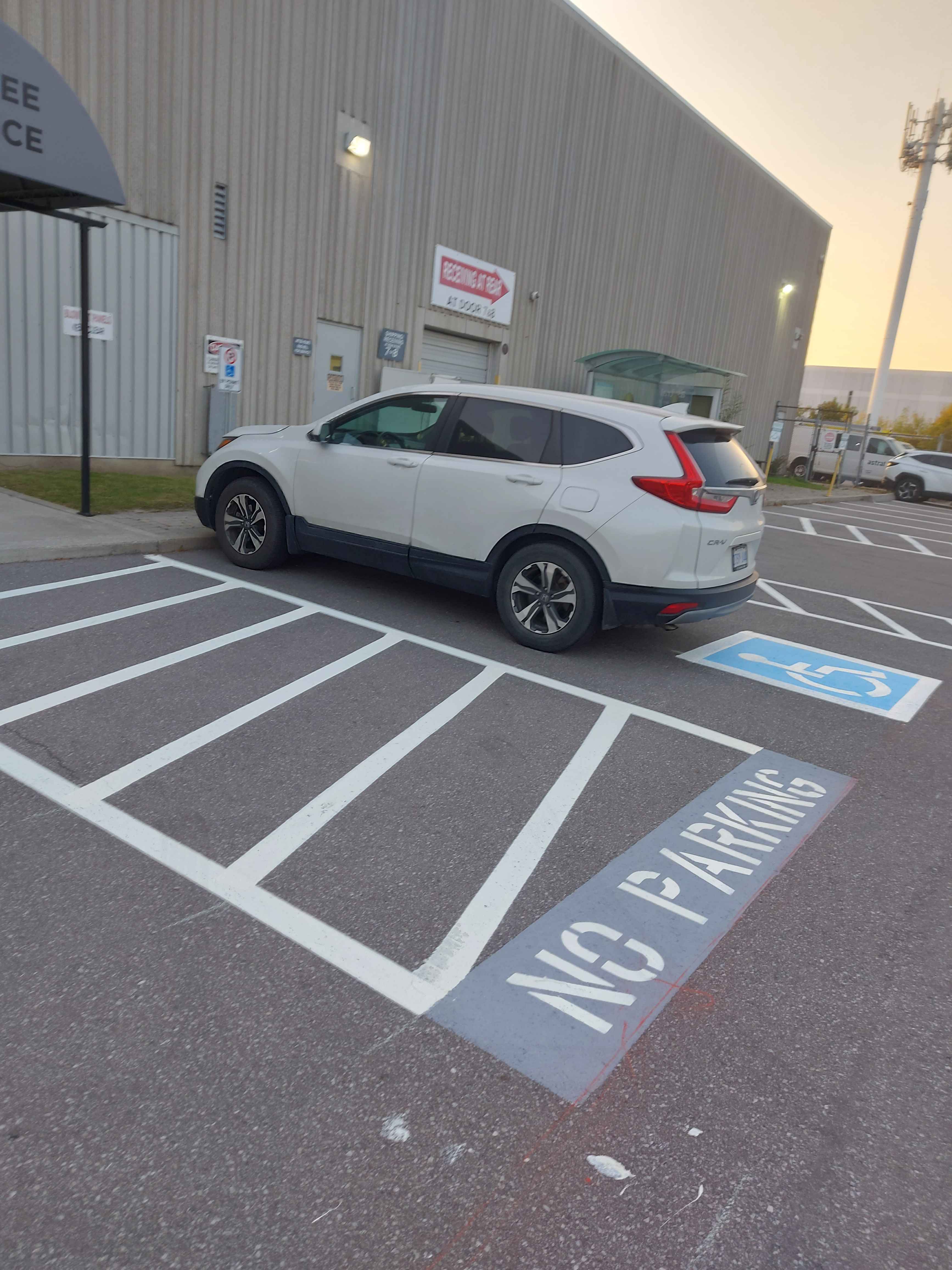
- Ignoring Accessibility Laws: EV stalls must often integrate with ADA or local accessibility requirements, meaning line painting must account for both charging and mobility needs.
- Neglecting Drainage: When redesigning stalls, ensure you aren't creating new puddles or drainage issues in the asphalt.
Ready to Upgrade Your Facility?
Don't wait for your lot to become obsolete. Whether you need simple maintenance or a complete redesign for the electric age, Capital Parking Lot Line Painting has the expertise to guide you through the process with precision and professionalism.
Conclusion
The transition to electric mobility is inevitable. By prioritizing thoughtful line marking and strategic layout planning today, you ensure your property remains a functional, attractive, and compliant destination for all drivers. Invest in your infrastructure now to avoid the headaches of rapid technological shifts in the future.