How to Plan Your Parking Lot Pavement Marking for EV and Future Needs
The landscape of urban mobility is changing rapidly. As electric vehicles (EVs) become a standard sight on the streets of London, property owners must rethink how their parking assets serve the modern driver.
The Shift Toward Electric Mobility
For decades, parking lot design remained relatively static. Stalls were sized for internal combustion engines, and markings were strictly utilitarian. However, the surge in EV ownership has introduced a new layer of complexity to facility management. It is no longer just about where a car sits; it is about where a car powers up.
When you invest in professional line marking, you aren't just painting lines; you are defining the functionality of your property for the next decade. For businesses in a growing hub like London, staying ahead of these technological shifts is essential for attracting high-value customers and maintaining property relevance.
Strategic Planning for EV Charging Stations
Integrating EV charging stations requires more than just installing a plug. The visual cues provided by high-quality line marking are what guide the user to the correct stall and prevent non-EV drivers from occupying premium charging spots. Capital Parking Lot Line Painting recommends a proactive approach to these markings.
Key Elements of EV Stall Marking
To ensure your charging area is functional and compliant, consider the following elements in your planning phase:
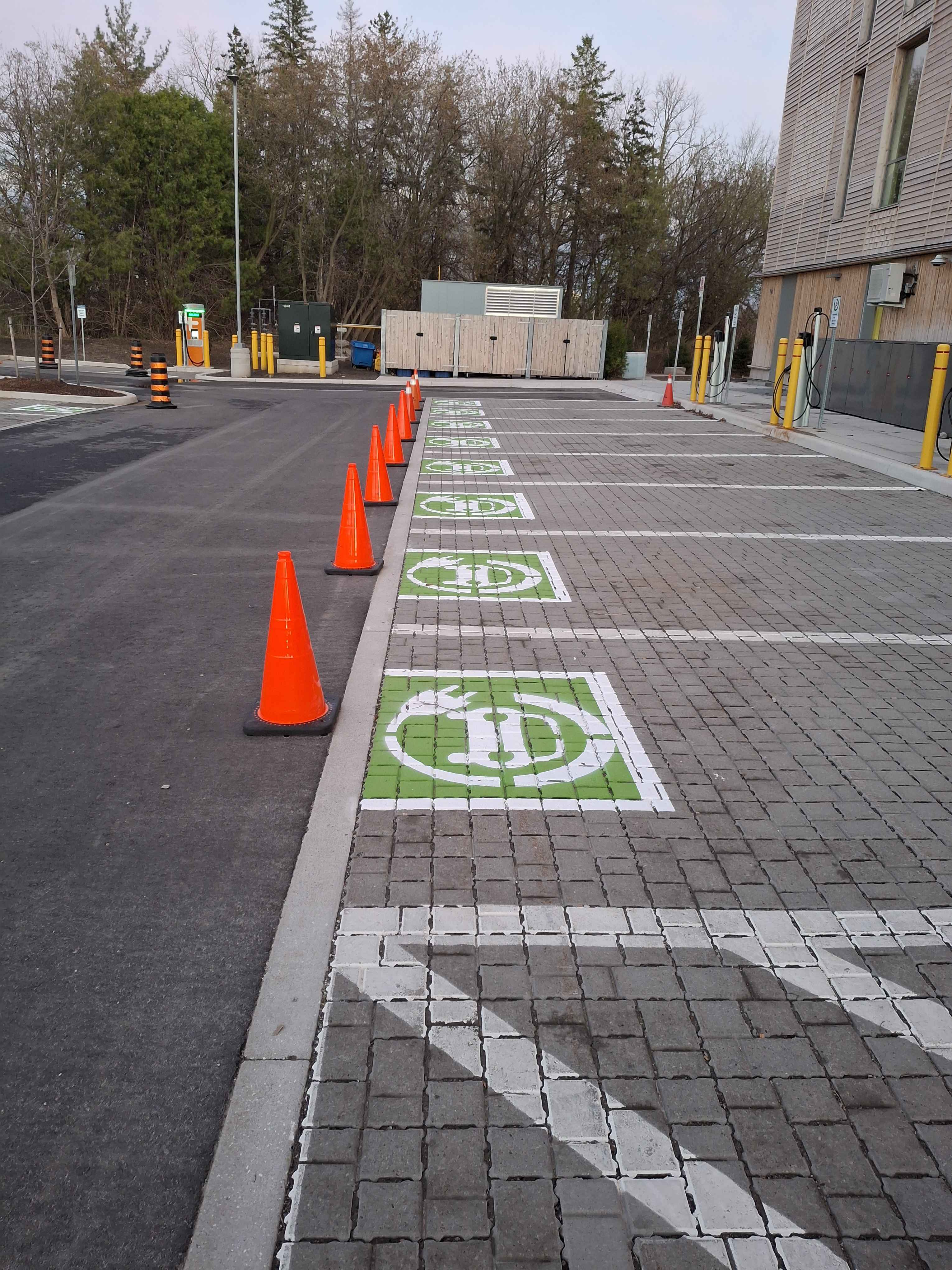
- Distinctive Color Coding: Using green or blue pigments for EV-only stalls helps differentiate them from standard parking spots immediately.
- Symbolic Iconography: Incorporating electric plug symbols within the stall markings provides intuitive guidance for drivers.
- Increased Stall Width: EV charging cables often require extra space for maneuvering; planning for wider markings can improve user experience.
- Clear Boundary Delineation: Precise line marking prevents "creep," where vehicles park partially in charging zones, obstructing access.
Future-Proofing Your Infrastructure
The goal of modern facility management is to minimize future disruptions. If you only mark for your current number of chargers, you may find yourself needing to repaint your entire lot in just two years. A smart strategy involves "shadow marking" or planning for expansion.
By working with experts like Capital Parking Lot Line Painting, you can map out where future electrical conduits might run and ensure your current line marking layout allows for seamless expansion. This foresight saves time and reduces the long-term operational burden on your maintenance teams.
Don't Wait for the Demand to Hit
As London continues to develop as a top-tier Ontario city, the demand for accessible charging infrastructure will only increase. Proactive line marking is a signal to your customers that your business is modern, sustainable, and prepared for the future.
Common Mistakes to Avoid
Many property managers make the mistake of treating line marking as an afterthought. This often leads to several issues:
- Using Low-Quality Paint: Cheap materials fade quickly under heavy traffic and UV exposure, requiring frequent re-application.
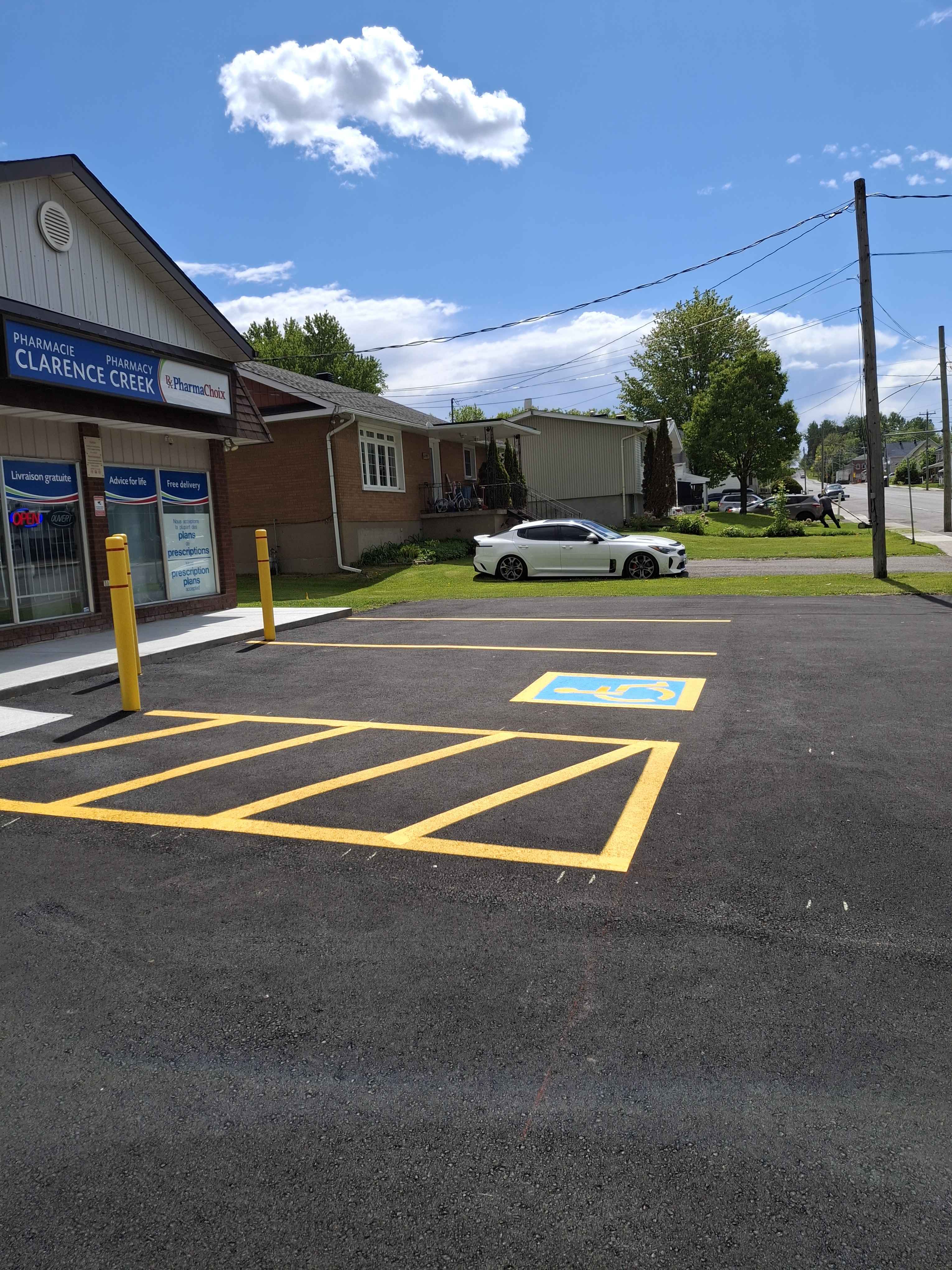
- Ignoring ADA/Accessibility Compliance: EV stalls are often located near entrances, meaning they must work in harmony with accessibility markings.
- Poor Layout Logic: Placing chargers in areas that create traffic bottlenecks or impede pedestrian flow.
Partner with the Professionals
Achieving a professional, durable, and compliant look requires precision. Capital Parking Lot Line Painting specializes in helping commercial properties navigate these transitions. Whether you are refreshing an existing lot or designing a new EV-ready facility, our team ensures your markings are sharp, visible, and built to last.
Investing in high-quality line marking is an investment in your property's longevity and your brand's reputation. Ensure your parking lot is ready for the road ahead.