How Crackfilling Prevents Water Damage and Potholes
Protecting your investment starts with sealing the smallest gaps before they become massive headaches.
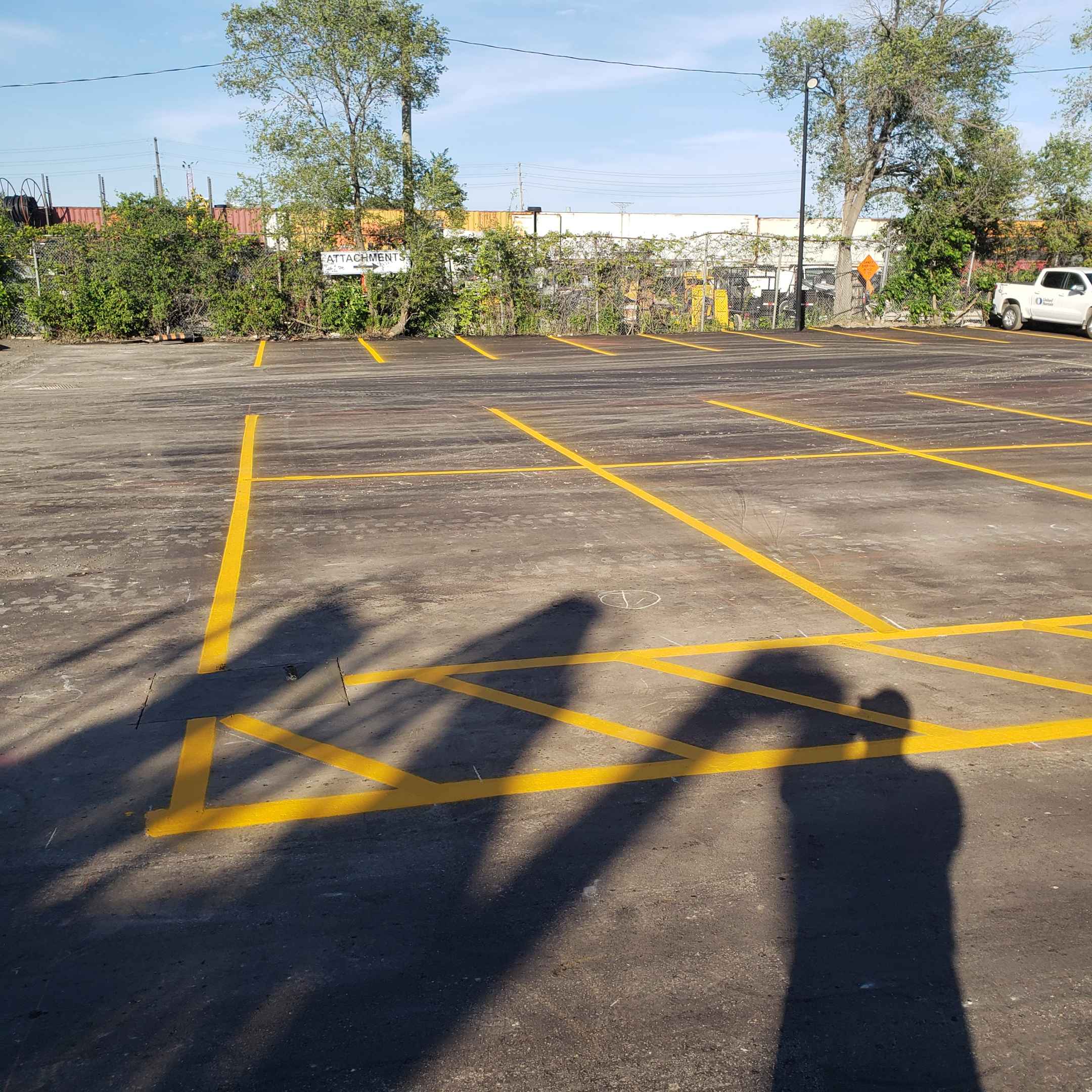
Asphalt is a resilient material, but it is far from indestructible. For property owners in North Bay, one of the top 30 cities in Ontario, the changing seasons bring unique challenges to pavement longevity. From the freezing temperatures of winter to the heavy rainfall of spring, your parking lot is constantly under siege. One of the most effective, yet often overlooked, methods to defend your asphalt is crackfilling.
At Capital Parking Lot Line Painting, we see firsthand how small, hairline fractures can evolve into structural failures if left untreated. This guide will explore the science behind water damage and why proactive crack sealing is your best defense against potholes.
The Science of Water Infiltration
To understand why crackfilling is necessary, you must understand how water interacts with asphalt. Asphalt is a flexible pavement, meaning it expands and contracts with temperature changes. This movement naturally creates small cracks over time. While these cracks might seem superficial, they act as highways for water.
When water enters these cracks, several destructive processes begin:
- The Freeze-Thaw Cycle: In regions like North Bay, water that seeps into cracks freezes during the winter. As water turns to ice, it expands, exerting immense pressure on the surrounding asphalt and widening the crack further.
- Subgrade Erosion: Once water penetrates deep enough, it reaches the soil (subgrade) beneath your parking lot. This washes away the supporting material, creating hollow voids under the pavement.
- Oxidation: Water can accelerate the oxidation process of the asphalt binder, making the surface brittle and more prone to further cracking.
From Cracks to Potholes: The Progression
A pothole is not an isolated event; it is the end result of a long process of neglect. When the subgrade is weakened by water infiltration and the asphalt loses its structural integrity due to expansion, the surface eventually collapses under the weight of vehicle traffic. This collapse creates the pothole.
Repairing a pothole is significantly more complex and time-consuming than filling a crack. By the time a pothole has formed, the damage has already moved deep into the foundation of your lot. This is why Capital Parking Lot Line Painting emphasizes preventative maintenance. It is far better to seal a crack today than to replace a section of pavement tomorrow.
The Benefits of Professional Crackfilling
Professional crackfilling involves more than just pouring liquid into a gap. It requires cleaning the crack of debris, ensuring the edges are prepared, and using high-quality hot-poured rubberized sealants that bond effectively with the existing asphalt.
Key Advantages:
- Extended Pavement Life: Regular sealing can add years to the usable life of your asphalt.
- Cost Efficiency: Preventative maintenance is a fraction of the cost of full resurfacing.
- Improved Aesthetics: A well-maintained lot looks professional and welcoming to customers.
- Safety: Preventing potholes reduces vehicle damage and trip hazards for pedestrians.
Comprehensive Lot Maintenance
Crackfilling is just one piece of the puzzle. To maintain a truly professional appearance and structural integrity, property owners should also consider regular Line Marking and Line Painting. Clear, bright lines guide traffic and ensure your lot is organized and safe. Capital Parking Lot Line Painting specializes in both structural preservation and aesthetic updates, ensuring your property remains a top-tier asset.
Don't Wait for the Damage to Appear
Regular inspections and timely crackfilling are the hallmarks of a well-managed property. If you notice even small fissures in your asphalt, it is time to act.