How Often Should Temporary Construction Zones Be Repainted?
Ensuring safety and clarity in shifting environments through professional line marking maintenance.
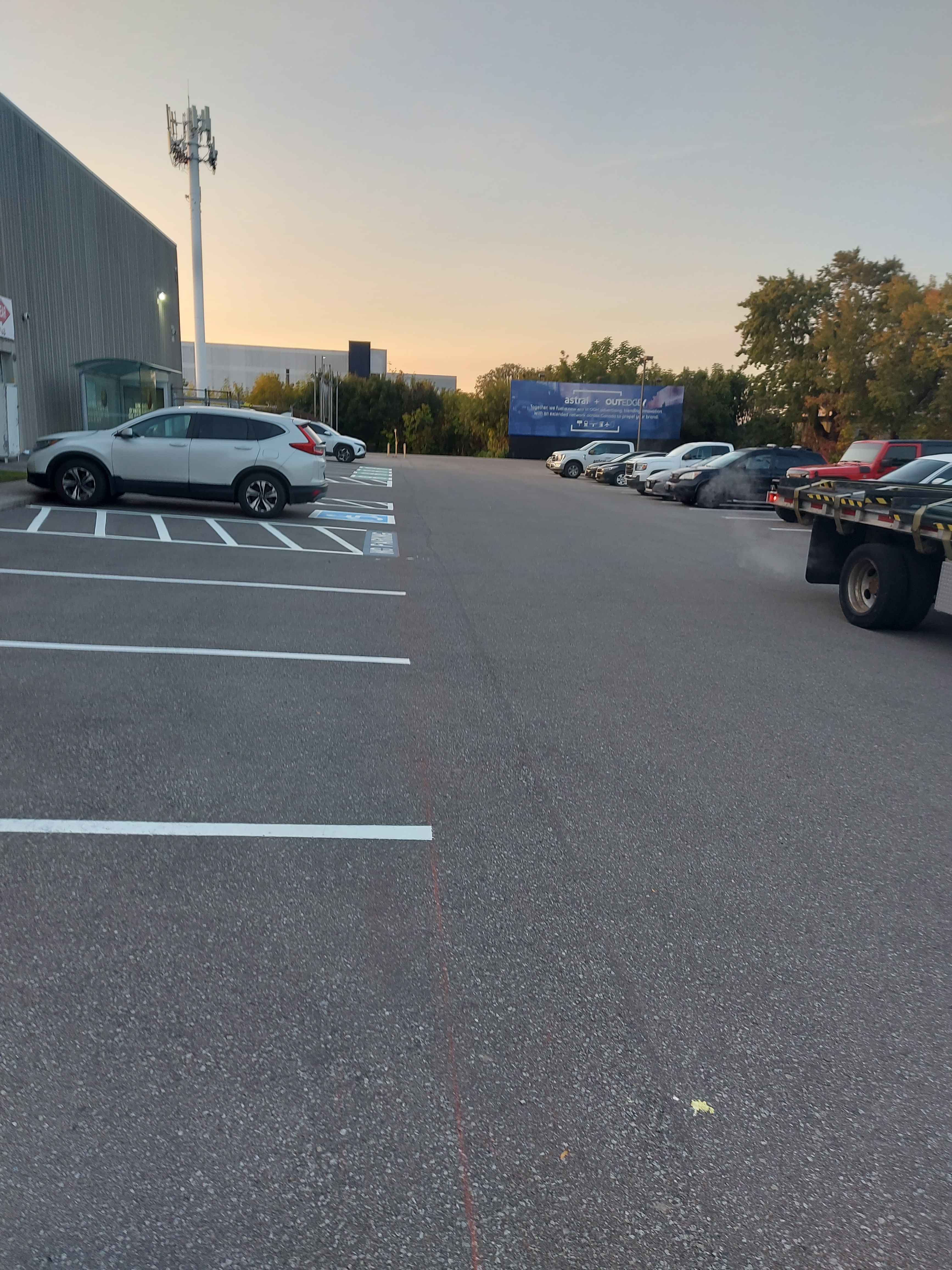
In the fast-paced development landscapes of growing urban centers, temporary construction zones are a constant presence. Whether it is a road expansion, a utility repair, or a new building foundation, these zones introduce a level of unpredictability to daily traffic patterns. One of the most critical, yet often overlooked, elements of managing these zones is the clarity of the ground markings. When line marking begins to fade or peel, the risk of confusion and accidents increases exponentially.
For property managers and site supervisors in cities like Cambridge, maintaining a high standard of visual communication on the ground is not just a matter of aesthetics—it is a fundamental safety requirement. At Capital Parking Lot Line Painting, we understand that temporary markings must be as durable and visible as permanent ones to ensure a seamless transition between standard traffic flow and construction detours.
The Role of Line Marking in Construction Safety
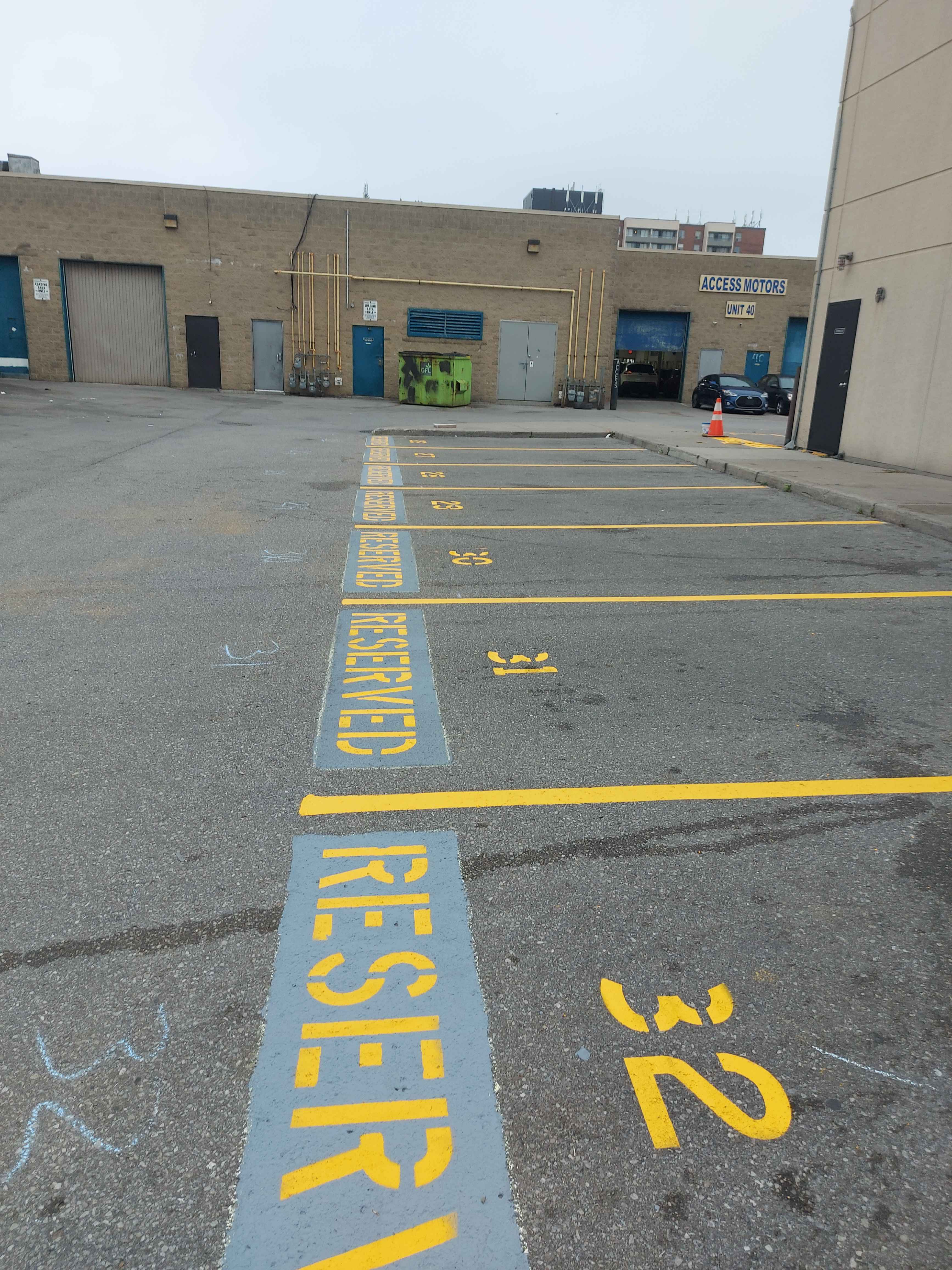
Temporary construction zones are inherently high-risk environments. They involve heavy machinery, unpredictable pedestrian movement, and altered vehicle paths. Line marking serves as the silent conductor of this chaotic orchestra, directing drivers where to go and, more importantly, where not to go.
Clear markings provide several key benefits:
- Directional Clarity: Clearly defined lanes prevent drivers from entering active work zones.
- Pedestrian Protection: Designated walking paths keep foot traffic away from heavy equipment.
- Reduced Driver Anxiety: When markings are crisp, drivers feel more confident navigating detours.
- Liability Mitigation: Well-maintained markings demonstrate a commitment to safety standards.
When these markings degrade, the margin for error narrows. This is why professional intervention from experts like Capital Parking Lot Line Painting is vital for maintaining site integrity.
Factors That Determine Repainting Frequency
There is no "one size fits all" answer to how often temporary zones should be repainted. The lifespan of line marking is dictated by a variety of environmental and operational factors. In a top 30 Ontario city like Cambridge, weather fluctuations play a massive role in how quickly markings wear down.
1. Traffic Volume and Weight
The sheer number of vehicles passing through a zone daily is the most significant factor. Furthermore, the type of vehicle matters. While passenger cars have a relatively light impact, heavy construction trucks and delivery vehicles exert immense pressure on the paint, causing it to chip or crack much sooner.
2. Weather and Environmental Conditions
Ontario's climate is notoriously harsh on pavement markings. The freeze-thaw cycles, heavy spring rains, and the use of road salt during winter months can rapidly erode the bond between the line marking and the asphalt. If a construction project spans multiple seasons, a mid-project refresh is almost certainly required.
3. Surface Type and Quality
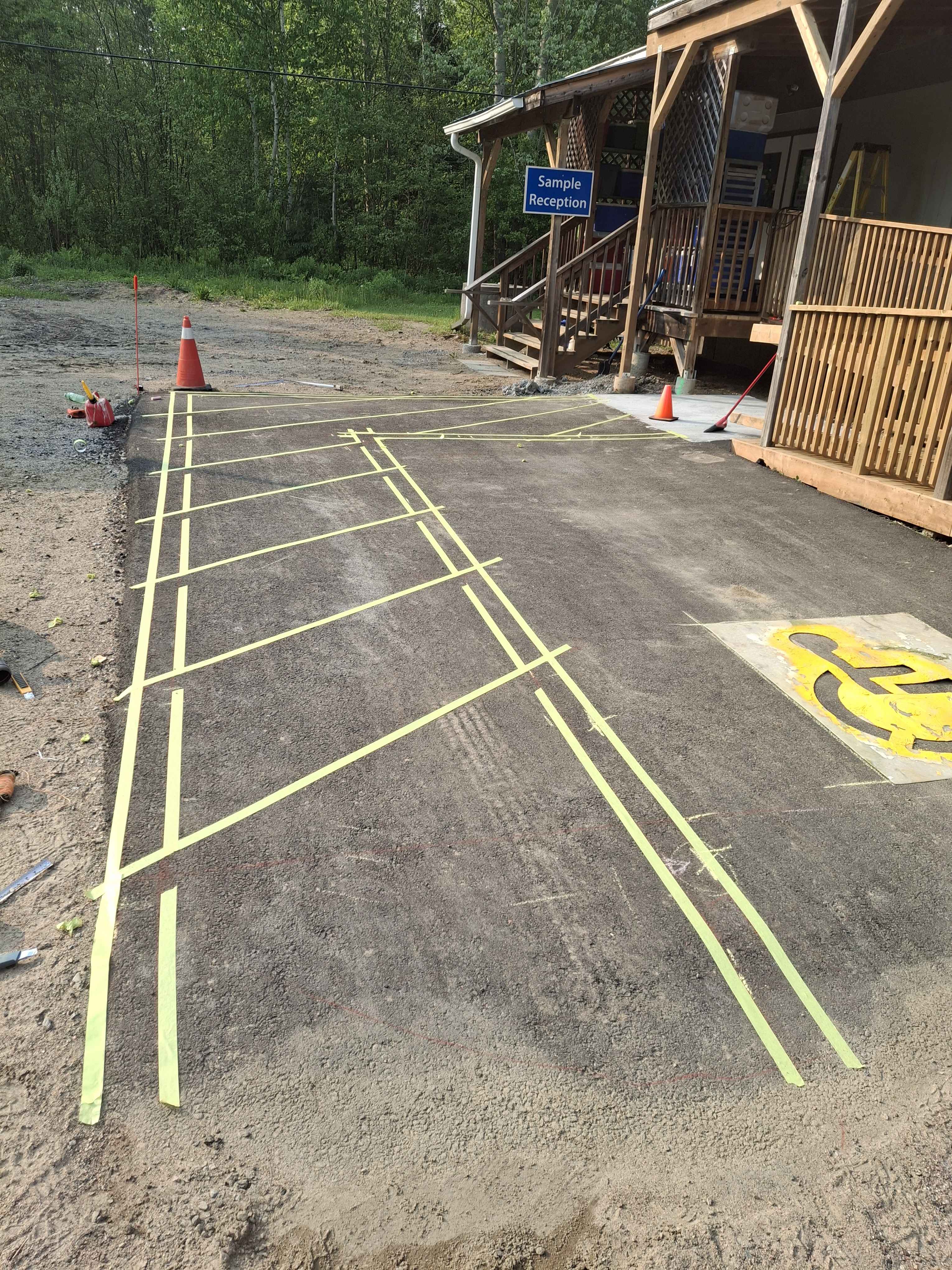
Temporary zones are often set up on uneven or freshly laid asphalt. If the substrate is not properly prepared, the paint will not adhere correctly. Professional services like Capital Parking Lot Line Painting utilize specialized techniques to ensure that even in temporary settings, the adhesion is maximized.
Signs It Is Time for a Refresh
Waiting for markings to disappear completely is a mistake. By the time the lines are invisible, the safety risk has already peaked. Instead, site managers should look for these early warning signs:
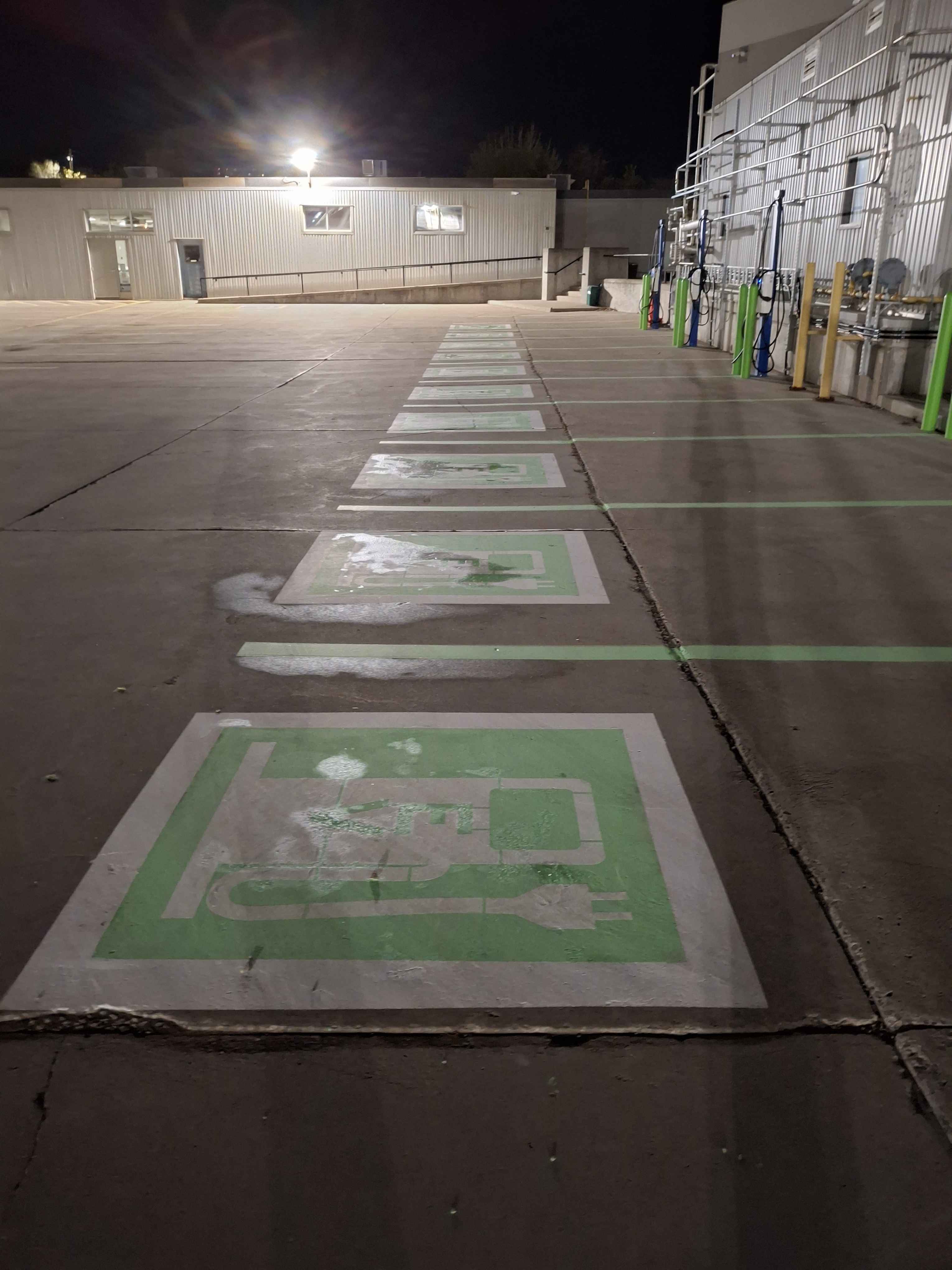
Fading and Discoloration: If the bright yellow or white lines are turning a dull grey, visibility is dropping.
Cracking and Flaking: Physical degradation of the paint film indicates the material is failing.
Erratic Driver Behavior: If drivers are hesitating or crossing lines unexpectedly, your markings are failing.
Accumulated Debris: If dirt and gravel are covering the lines, they need a cleaning or a fresh application.
Don't Wait for an Accident to Happen
Proactive maintenance is the most cost-effective way to manage a construction site. Regular inspections and scheduled line marking refreshes ensure that your project remains compliant and safe.
Conclusion
While the exact frequency of repainting depends on your specific site conditions, a good rule of thumb is to perform a visual inspection every 30 to 60 days for high-traffic temporary zones. In the unpredictable environment of a construction site, clarity is your best defense against accidents.
Whether you are managing a small local project or a massive infrastructure overhaul, investing in high-quality line marking ensures that safety remains a priority from day one until completion.