How Often Should Temporary Construction Zones Be Repainted?
Maintaining clear and visible markings in construction zones is not just a matter of aesthetics—it is a critical component of site safety and traffic management.
The Critical Role of Temporary Line Marking
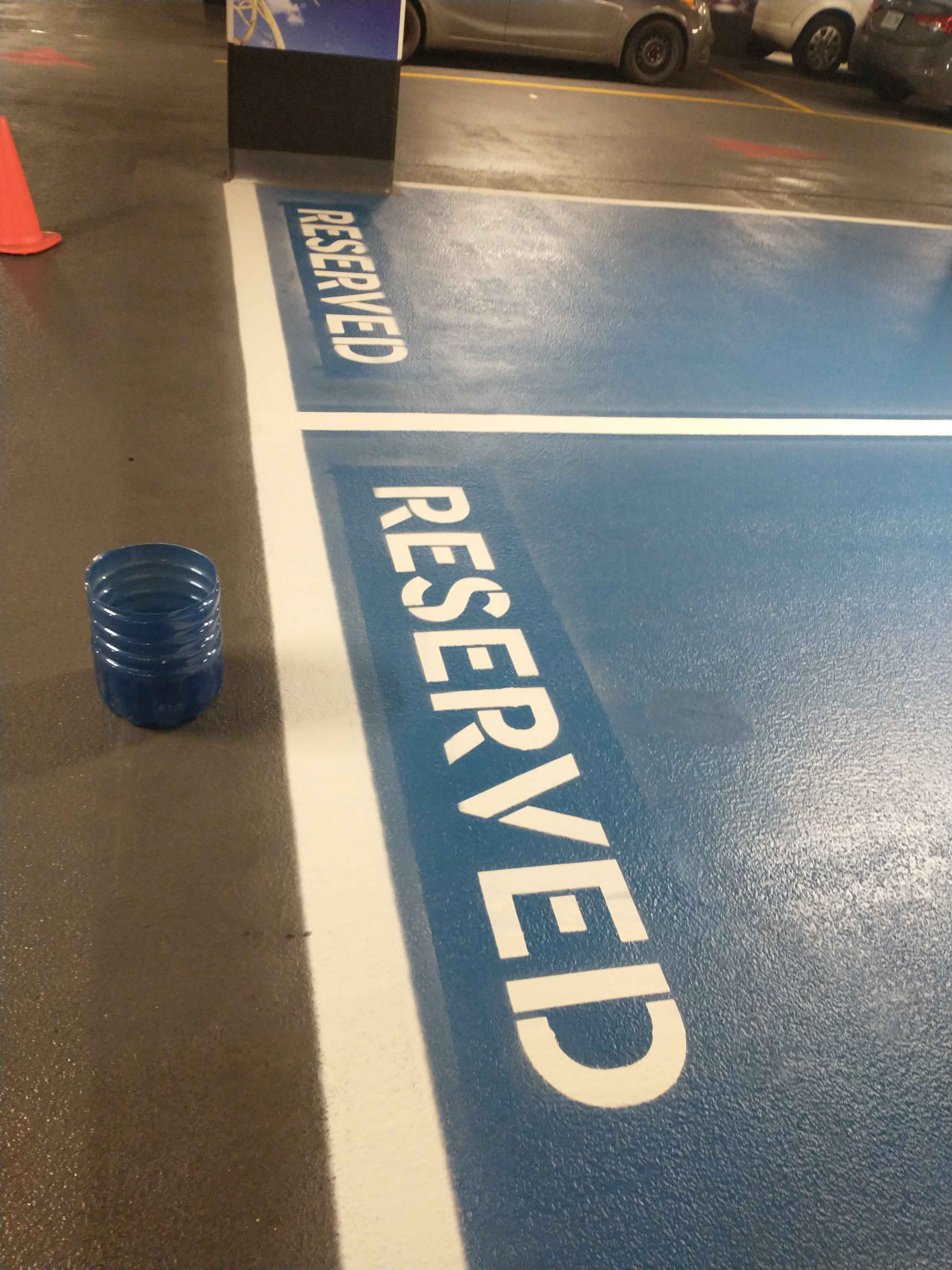
When a construction project begins, the landscape of a roadway or a parking facility changes overnight. Temporary barriers, redirected traffic flows, and new pedestrian walkways must be clearly communicated to drivers and workers alike. This is where professional line marking becomes indispensable. Without crisp, bright, and well-placed markings, the risk of accidents, confusion, and project delays increases exponentially.
At Capital Parking Lot Line Painting, we understand that temporary zones are high-stress environments. The markings used here are often subjected to more intense wear and tear than standard permanent lines due to heavy machinery, frequent detours, and constant shifting of traffic patterns.
Factors Influencing Repainting Frequency
There is no single "magic number" of months that applies to every construction site. Instead, the frequency at which you should schedule line painting depends on several environmental and operational variables.
1. Traffic Volume and Weight
A site in a bustling area like Kingston, one of Ontario's top 30 cities, likely sees a higher volume of heavy-duty vehicles. Construction equipment, such as excavators, cement trucks, and heavy haulers, exerts significantly more pressure on the pavement than standard passenger cars. This mechanical stress can cause temporary paint to chip or fade much faster than anticipated.
2. Weather Conditions and Climate
In Ontario, our weather is a major factor. The freeze-thaw cycles, heavy rain, and snow removal processes can wreak havoc on temporary line marking. Salt used for de-icing can also chemically degrade certain types of paint, necessitating more frequent touch-ups to maintain visibility during the winter months.
3. Material Quality
The type of material used during the initial application plays a huge role. Temporary markings often require different properties than permanent ones—they need to be easy to remove later but durable enough to last the duration of the project. Working with experts like Capital Parking Lot Line Painting ensures that the right materials are selected for the specific duration of your project.
Signs It Is Time to Repaint
Don't wait for an accident to occur before realizing your markings are inadequate. Keep an eye out for these common indicators that your temporary zone needs professional attention:
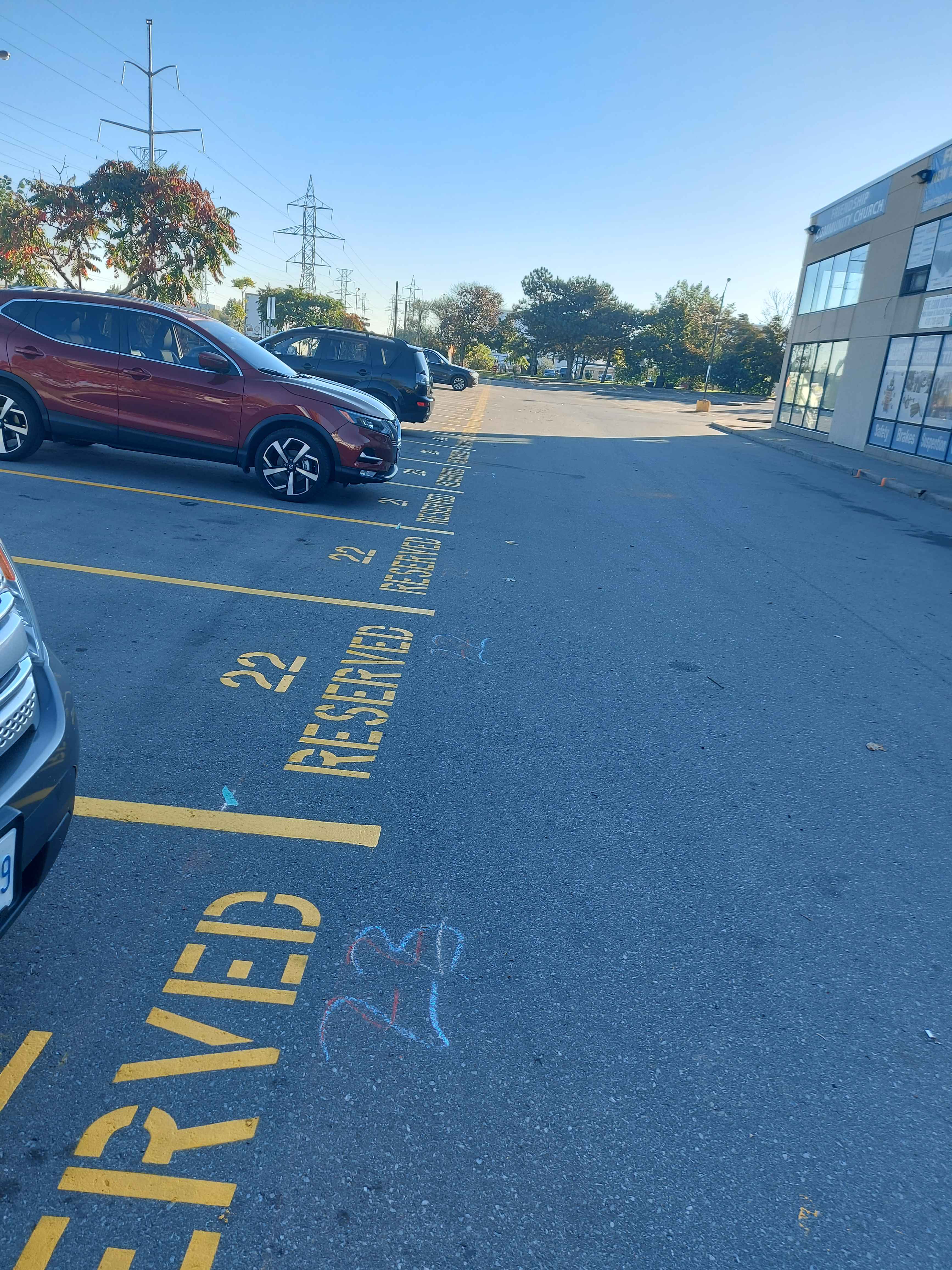
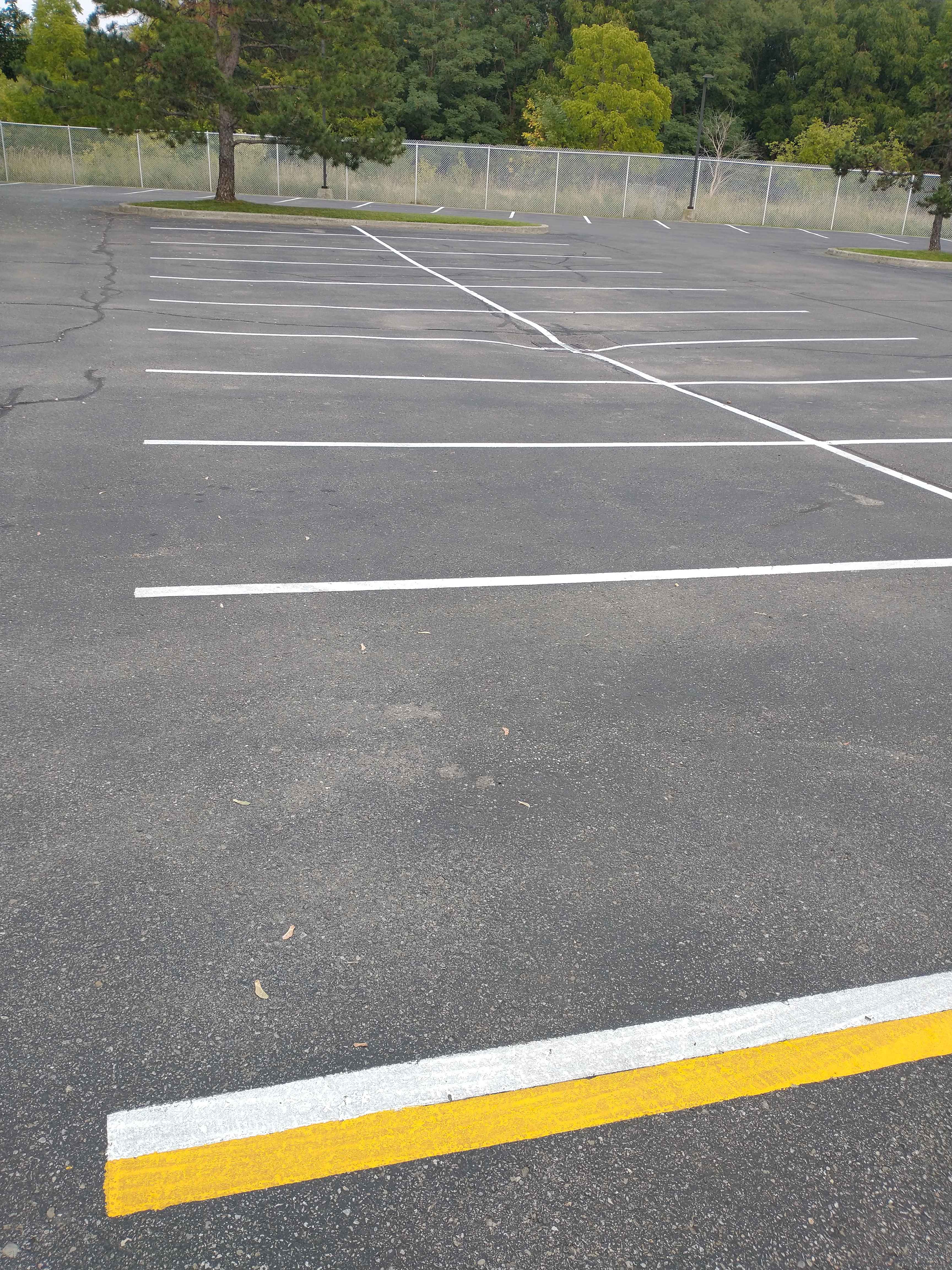
- Fading Color: If the bright yellow or white lines are turning a dull grey, visibility is compromised.
- Chipping and Peeling: Physical degradation of the paint edge indicates the bond with the substrate is failing.
- Blurred Boundaries: When lines become indistinct, drivers may struggle to stay within designated lanes.
- Accumulation of Debris: If paint is so worn that dirt and gravel are sticking to the surface, the marking is effectively gone.
Best Practices for Managing Construction Markings
To maintain a safe environment in cities like Kingston, project managers should implement a proactive maintenance schedule. Rather than reacting to faded lines, plan for periodic inspections.
A proactive approach includes:
- Weekly visual inspections of all high-traffic detour paths.
- Scheduling line painting during low-traffic windows to minimize disruption.
- Ensuring the surface is cleaned thoroughly before any new application of line marking.
By partnering with a specialist like Capital Parking Lot Line Painting, you can ensure that your temporary markings are applied correctly the first time, extending their lifespan and reducing the need for constant intervention.
Professional Solutions for Every Project
Whether you are managing a small residential renovation or a large-scale municipal infrastructure project, the clarity of your markings matters. High-quality line painting is an investment in the safety of your crew and the public.