How Often Should Temporary Construction Zones Be Repainted?
Navigating a construction site requires precision, clarity, and, most importantly, high-visibility markings that guide traffic safely through shifting landscapes.
The Critical Role of Visibility in Construction Zones
When a roadway or parking area undergoes renovation, the landscape changes daily. Temporary construction zones rely heavily on clear visual cues to direct vehicles, protect workers, and prevent accidents. Unlike permanent roads, these zones are dynamic, meaning the markings must be refreshed frequently to stay relevant to the current phase of the project.
In busy hubs like Niagara Falls, where traffic flow is constant and seasonal weather can be unpredictable, the stakes for clear line marking are even higher. If the lines guiding drivers around a detour are faded or misplaced, the risk of collision increases exponentially. This is why professional line painting is not just a maintenance task—it is a safety necessity.
Factors That Determine Repainting Frequency
There is no single "one-size-fits-all" answer to how often markings should be refreshed. However, several key variables influence how quickly your line marking will degrade and require attention from experts like Capital Parking Lot Line Painting.
1. Traffic Volume and Weight
The more vehicles that pass through a zone, the faster the paint wears down. Heavy machinery, such as excavators, dump trucks, and pavers, exerts significant pressure on the surface, often grinding the paint away much faster than standard passenger vehicles.
2. Environmental Conditions and Weather
In Ontario, our weather is a major factor. The freeze-thaw cycles, heavy rain, and road salt used in cities like Niagara Falls can cause paint to peel or fade prematurely. UV exposure also plays a role, as constant sunlight can break down the chemical bonds in the paint, leading to discoloration.
3. Surface Type
The substrate matters. New asphalt provides a different level of adhesion than aged, cracked pavement. If the surface is uneven or crumbling, the line marking will not hold as well, necessitating more frequent touch-ups.
Signs You Need Immediate Line Painting
Don't wait for an accident to occur before deciding to refresh your markings. Watch for these warning signs:
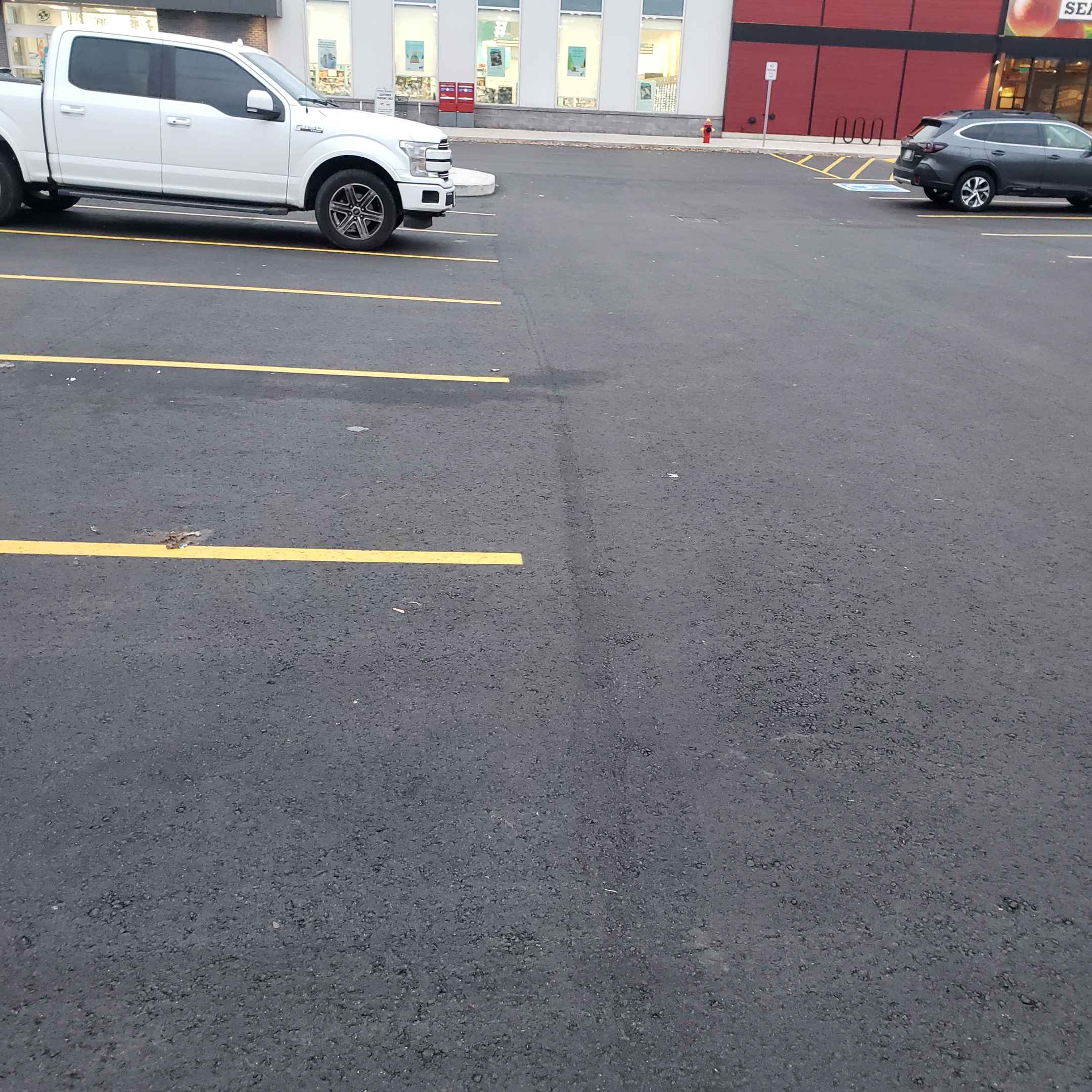
- Faded or ghosted lines that are difficult to see at night.
- Cracked or peeling paint that creates a tripping hazard or uneven surface.
- Displaced markings that no longer align with the current traffic pattern.
- Loss of reflectivity in thermoplastic or high-visibility coatings.
- Accumulation of dirt and debris covering the markings.
The Importance of Professional Line Marking
While it might be tempting to attempt DIY solutions for small zones, the complexity of construction safety requires a professional touch. Capital Parking Lot Line Painting utilizes high-grade materials designed to withstand the rigors of a construction environment. Professional application ensures that the lines are not only visible but are also applied at the correct thickness and adhesion level to maximize longevity.
Using professional services ensures compliance with local safety regulations. In a high-traffic region, ensuring your site meets all visibility standards is essential for liability protection and worker safety.
Ensure Site Safety Today
Don't leave safety to chance. Whether you are managing a large-scale infrastructure project or a temporary parking detour, regular inspections and timely line marking are your best defense against site confusion and accidents.
Trust the experts at Capital Parking Lot Line Painting to keep your site visible, compliant, and safe.