How Often Should Temporary Construction Zones Be Repainted?
Maintaining visibility in temporary work zones is not just a matter of aesthetics; it is a fundamental requirement for public safety and operational efficiency.
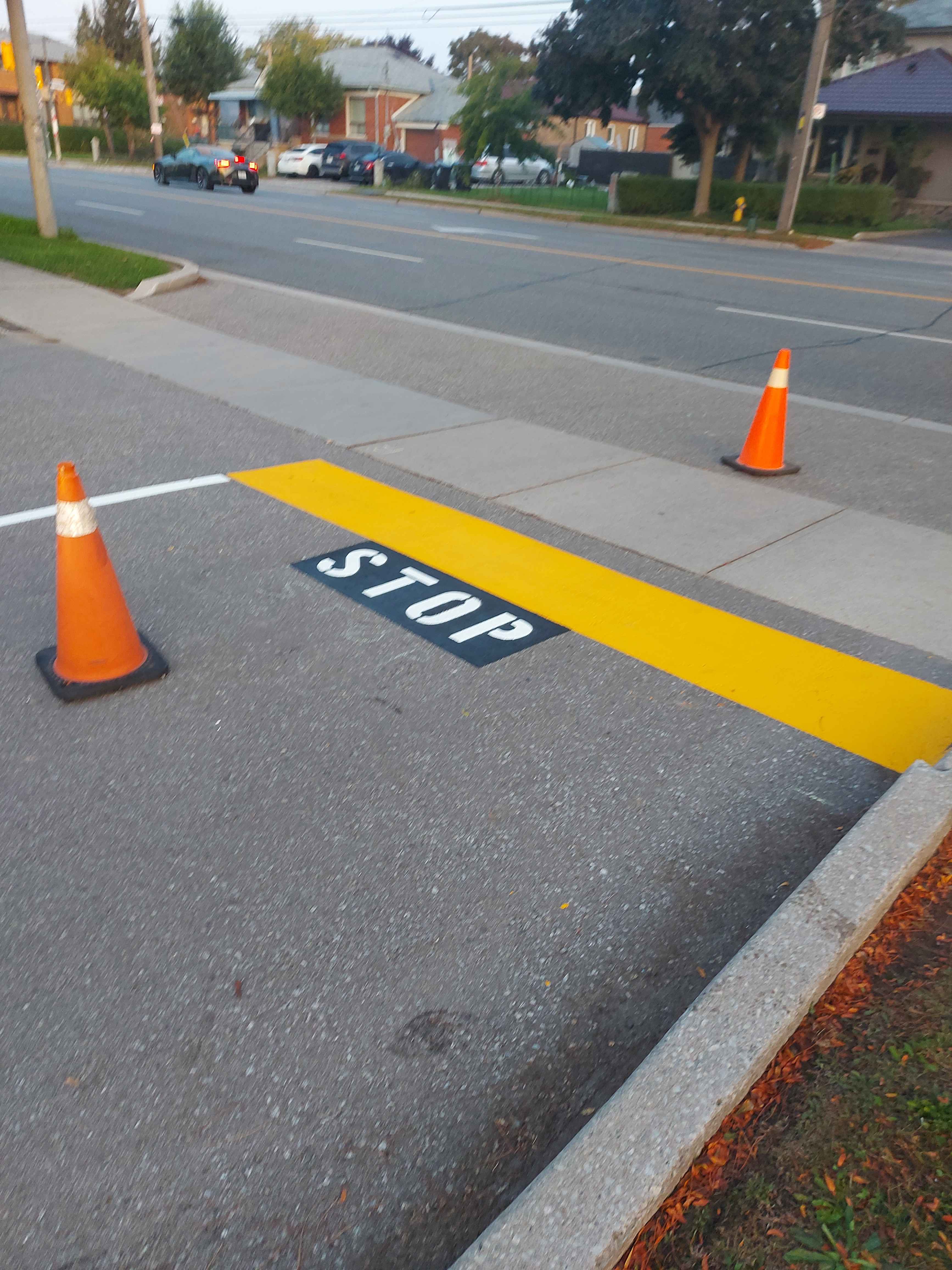
When a construction project begins, the landscape of a city changes overnight. Traffic patterns shift, lanes are diverted, and new boundaries are established to protect both the workers on the ground and the motorists passing through. Central to this safety infrastructure is the quality and visibility of line marking. However, because these zones are temporary by nature, many project managers overlook a critical question: How often should these markings be refreshed?
In a growing hub like Peterborough, where infrastructure development is constant, the wear and tear on temporary markings can be significantly higher than in standard parking lots. Relying on outdated or faded paint can lead to confusion, sudden braking, and even serious accidents. This is where professional intervention from experts like Capital Parking Lot Line Painting becomes invaluable.
Factors Influencing the Need for Refreshing Line Markings
There is no single "magic number" of months that applies to every construction site. The frequency of line painting depends on several environmental and operational variables:
1. Traffic Volume and Type
A construction zone located on a major artery in Peterborough will experience much faster degradation than a small side-street diversion. Heavy machinery, delivery trucks, and high-density commuter traffic physically grind the paint away. If the zone is expected to be active for six months with heavy transit, a mid-project refresh may be necessary.
2. Weather Conditions and Environmental Stress
Ontario weather can be brutal on temporary markings. Heavy rainfall, freeze-thaw cycles, and even snow removal activities can strip away line marking much sooner than expected. Salt used on roads during winter can also chemically react with certain types of paint, causing premature fading.
3. The Quality of the Initial Application
Not all line painting is created equal. Using high-durability materials designed for temporary use ensures a longer lifespan. Capital Parking Lot Line Painting emphasizes the use of premium materials that bond effectively to the substrate, providing better resistance against the elements.
Common Signs Your Construction Zone Needs Immediate Attention
Don't wait for a safety inspector to flag your site. Keep an eye out for these warning signs:
- Fading or discoloration of yellow/white boundary lines.
- Cracking or peeling of the paint surface.
- Incomplete lines due to debris or heavy tire friction.
- Loss of reflectivity, making lines invisible at night.
- Confusion among drivers regarding lane transitions.
The Risks of Neglecting Line Marking Maintenance
Neglecting the upkeep of temporary zones creates a ripple effect of problems. First and foremost is the safety risk. When drivers cannot clearly see where a lane ends or where a detour begins, the likelihood of collisions increases exponentially. Secondly, there is the issue of liability. If an accident occurs in a zone with poorly maintained markings, the responsibility often falls on the project manager or the municipality.
Furthermore, clear line marking aids in the efficient movement of construction vehicles. If workers are constantly navigating through ambiguous zones, productivity drops. By scheduling regular maintenance with Capital Parking Lot Line Painting, you ensure that the workflow remains uninterrupted and safe.
Best Practices for Temporary Zone Management
To maintain a high standard of safety, consider the following strategy:
- Pre-Project Planning: Include line painting in your initial project timeline and budget.
- Regular Inspections: Conduct weekly walk-throughs of the construction zone to assess marking integrity.
- Use Reflective Materials: Always opt for high-visibility, reflective line marking to assist night-time visibility.
- Professional Consultation: Work with specialists who understand the specific needs of temporary versus permanent markings.
Ready to Secure Your Site?
Don't leave your site safety to chance. Whether you are managing a small local project or a massive municipal overhaul, professional line painting is the backbone of a safe environment. Contact the experts to ensure your temporary zones remain visible, compliant, and safe for everyone.