How Often Should Temporary Construction Zones Be Repainted?
Maintaining clear and visible markings in temporary construction zones is not just a matter of aesthetics; it is a critical component of public safety and traffic management.
When a major infrastructure project begins, the landscape of a city changes overnight. Traffic patterns shift, lanes are diverted, and new boundaries must be established to guide motorists and pedestrians safely through the chaos. In a bustling area like St. Catharines, a top 30 city in Ontario, these temporary changes are frequent and require precision. One of the most overlooked aspects of these projects is the maintenance of temporary line marking.
Because these markings are often applied to surfaces that are undergoing heavy wear, dust, and chemical exposure, they don't last as long as permanent markings. This raises a vital question for project managers and municipal planners: How often should these temporary zones be repainted?
The Role of Line Marking in Construction Safety
In a construction environment, visibility is your first line of defense against accidents. Temporary line marking serves several crucial purposes:
- Directional Guidance: Directing vehicles away from active work sites and into safe detours.
- Boundary Definition: Clearly separating pedestrian walkways from heavy machinery paths.
- Regulatory Compliance: Ensuring that temporary traffic laws and lane restrictions are legally enforceable.
- Worker Protection: Creating a visual buffer between moving traffic and ground crews.
When markings fade, the risk of driver confusion increases exponentially. This is why professional services like Capital Parking Lot Line Painting emphasize proactive maintenance rather than reactive repairs.
Factors Influencing Repainting Frequency
There is no "one size fits all" answer to how often line painting should occur. Several variables dictate the lifespan of temporary markings:
1. Traffic Volume and Intensity
The more vehicles that pass over a line, the faster it will degrade. In high-density areas of St. Catharines, where commuter traffic is heavy, temporary lines may need attention much sooner than in a quiet residential construction zone. Heavy trucks and construction equipment exert significant pressure, grinding the paint into the asphalt or wearing it down entirely.
2. Environmental Conditions and Weather
Ontario weather is notoriously unpredictable. Extreme temperature fluctuations, heavy rainfall, and the use of road salt during winter months can accelerate the chipping and fading of line marking. If a construction project spans several seasons, a scheduled repainting plan is essential.
3. Surface Type and Preparation
The quality of the underlying surface plays a massive role. If the temporary markings are applied to dusty, uncleaned, or unevenly paved surfaces, the adhesion will be poor. Professional contractors like Capital Parking Lot Line Painting use specialized techniques to ensure that even temporary markings have the best possible bond with the substrate.
Signs It Is Time for a Refresh
Waiting for a line to disappear completely is a mistake. Instead, project managers should look for these warning signs:
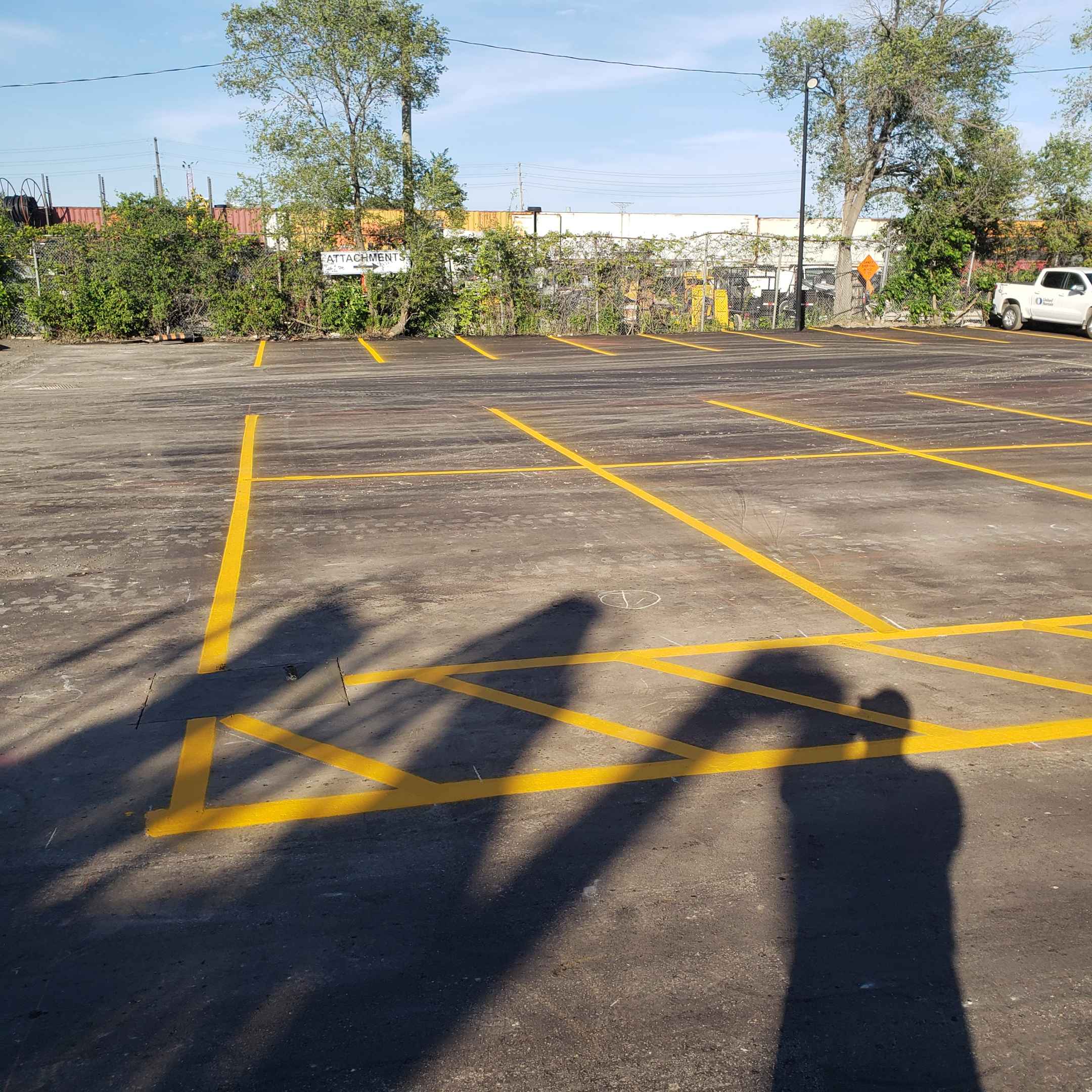
Fading and Discoloration: If the bright yellow or white lines are turning grey or becoming translucent, visibility is compromised.
Cracking and Chipping: Visible breaks in the line indicate that the material is losing its structural integrity.
When these signs appear, it is time to contact a specialist. Capital Parking Lot Line Painting can assess the site and provide a solution that restores safety and clarity to the zone.
Best Practices for Temporary Markings
To maximize the lifespan of your temporary line painting, consider the following strategy:
- Pre-Project Assessment: Determine the expected duration of the construction and the level of traffic it will encounter.
- Scheduled Inspections: Conduct weekly or bi-weekly walk-throughs to inspect the condition of the markings.
- High-Quality Materials: Use temporary paints specifically designed for high visibility and quick drying times to minimize project downtime.
- Immediate Remediation: Address small chips or faded patches immediately before they become large-scale safety hazards.
Need Professional Line Marking?
Don't leave your site safety to chance. Whether it's a temporary construction detour or a long-term parking facility, ensure your lines are crisp, clear, and compliant.