How Sealcoating Protects Against Salt and De-Icing Chemicals
Protecting your asphalt investment from the brutal Canadian winter begins with a proactive defense strategy.
For property owners in North Bay, a top 30 city in Ontario, the winter months bring more than just snow; they bring a cocktail of corrosive substances designed to melt ice but capable of destroying asphalt. As temperatures fluctuate and salt is spread liberally across parking lots and driveways, the structural integrity of your pavement is constantly under siege. This is where professional sealcoating becomes an indispensable tool in your maintenance arsenal.
At Capital Parking Lot Line Painting, we see firsthand the devastating effects that neglected asphalt can suffer after a single harsh season. Understanding the science behind how salt interacts with your pavement is the first step in preventing costly repairs and premature resurfacing.
The Chemistry of Destruction: Salt vs. Asphalt
Asphalt is a complex mixture of aggregates (stones and sand) held together by a viscous, black, sticky substance called bitumen. While asphalt is incredibly durable under heavy loads, it is chemically vulnerable to certain environmental factors. When de-icing salts, such as sodium chloride or calcium chloride, are applied to a parking lot, a chemical reaction begins.
Oxidation and Brittleness
Salt accelerates the oxidation process of the bitumen. Oxidation occurs when the oils in the asphalt are exposed to oxygen and UV rays, causing the binder to become brittle. Once the binder loses its elasticity, the asphalt can no longer flex under the weight of vehicles or the expansion of freezing water. This leads to cracking, raveling, and eventually, potholes.
The Freeze-Thaw Cycle Aggravator
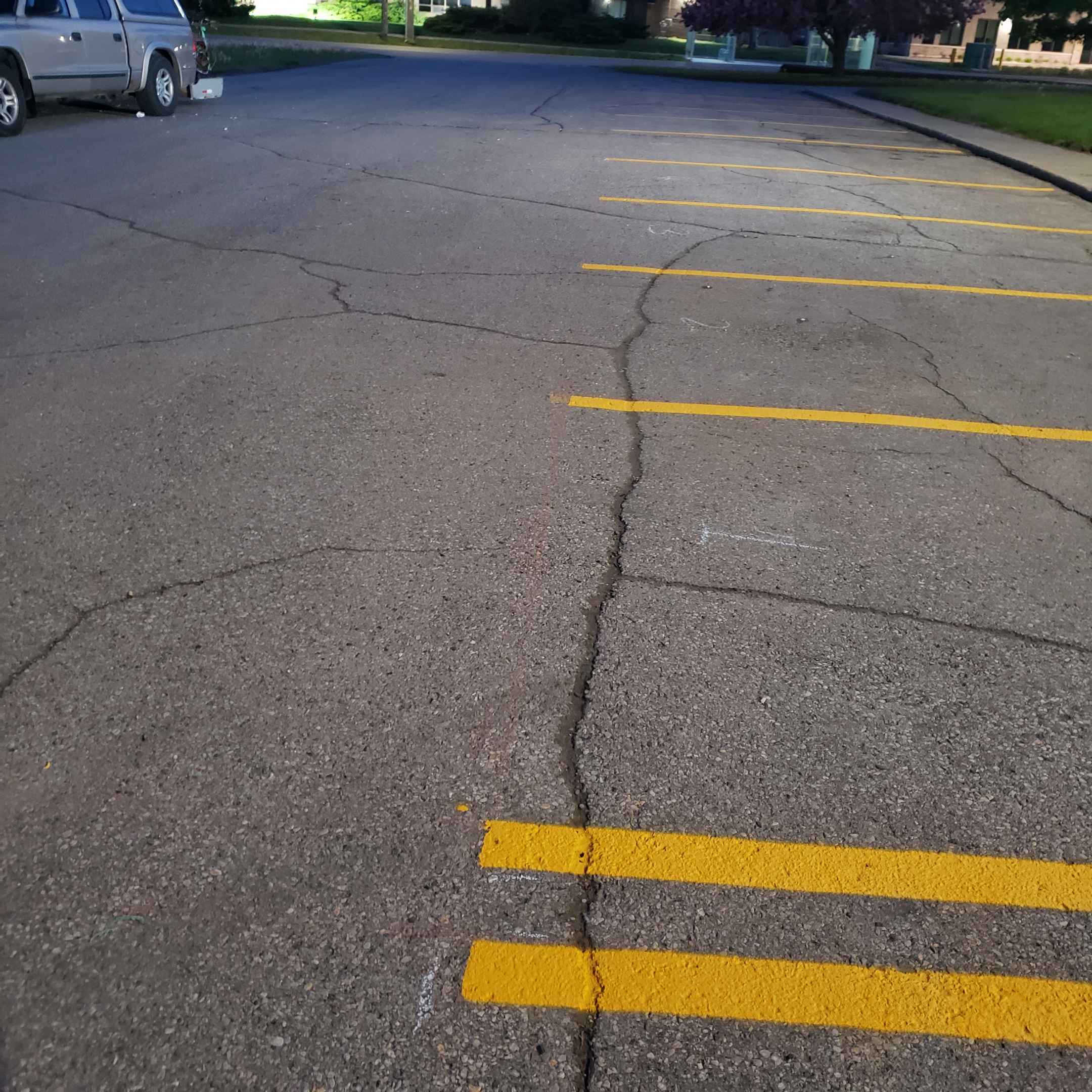
In cities like North Bay, the freeze-thaw cycle is a constant reality. Salt lowers the freezing point of water, which can cause moisture to penetrate deeper into the micro-cracks of the asphalt. When that moisture eventually freezes, it expands, exerting immense internal pressure that widens the cracks from the inside out. Without a sealcoat, your asphalt is an open invitation for this destructive cycle.
How Sealcoating Acts as a Shield
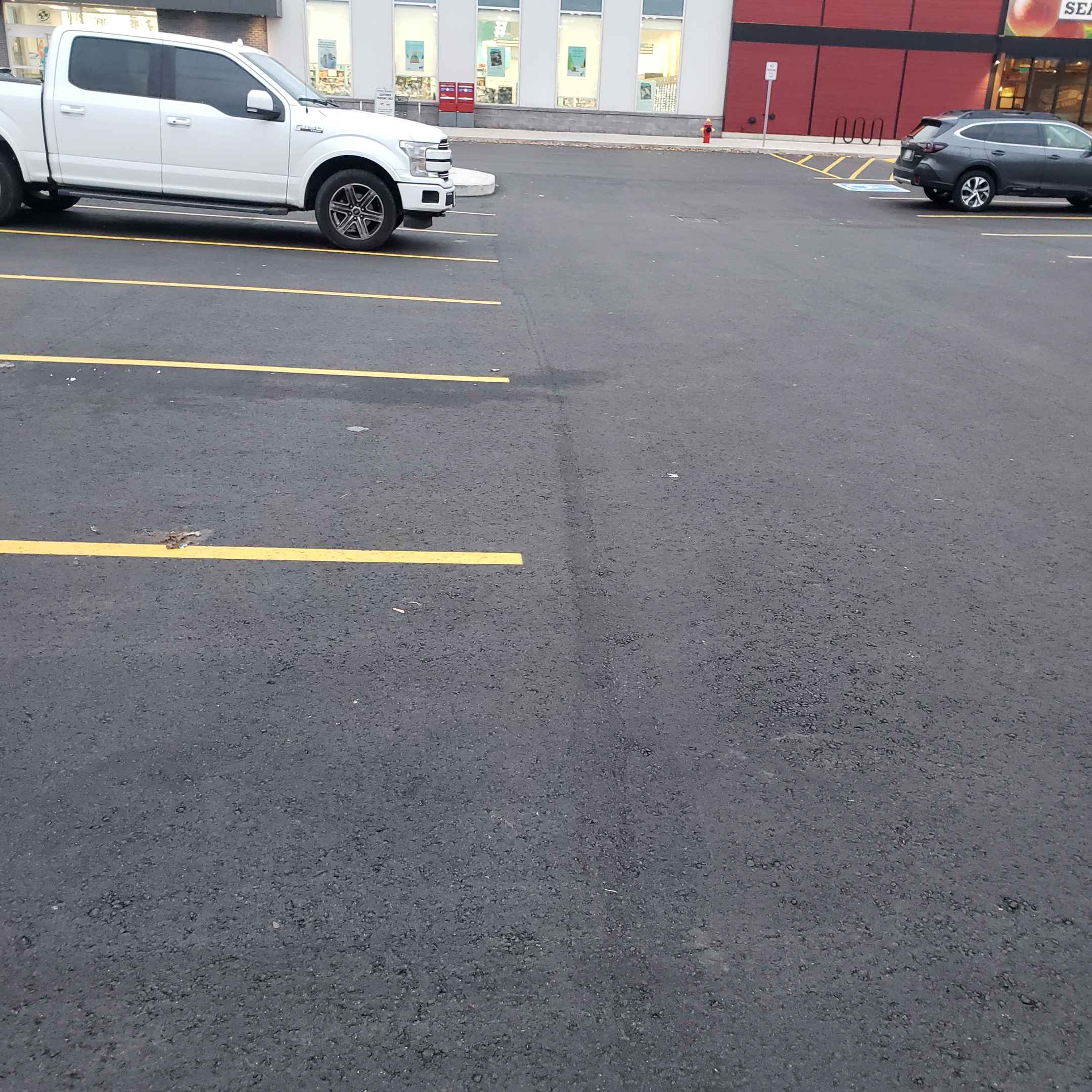
Sealcoating is not merely a cosmetic upgrade to make your pavement look black and new; it is a functional protective barrier. A high-quality sealcoat applied by Capital Parking Lot Line Painting creates a non-porous layer that serves several critical functions:
- Chemical Barrier: It prevents salt and de-icing chemicals from penetrating the surface and reaching the bitumen binder.
- Moisture Sealant: It fills micro-cracks, preventing water from entering the sub-base and fueling the freeze-thaw cycle.
- UV Protection: It acts as a "sunscreen" for your pavement, slowing down the oxidation process caused by sunlight.
- Oxidation Resistance: It maintains the flexibility of the asphalt by keeping the essential oils trapped within the surface.
Beyond Protection: Enhancing Visibility and Safety
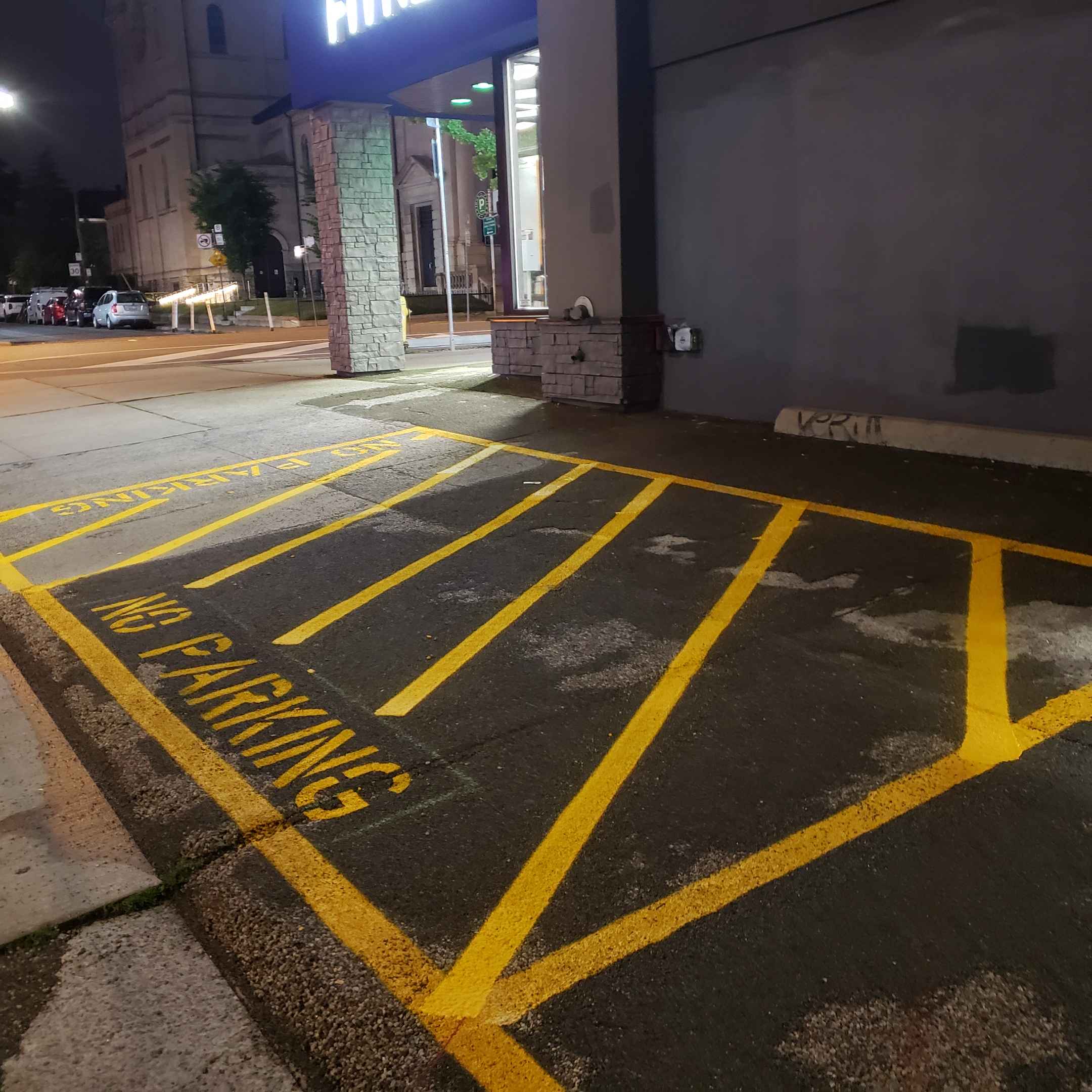
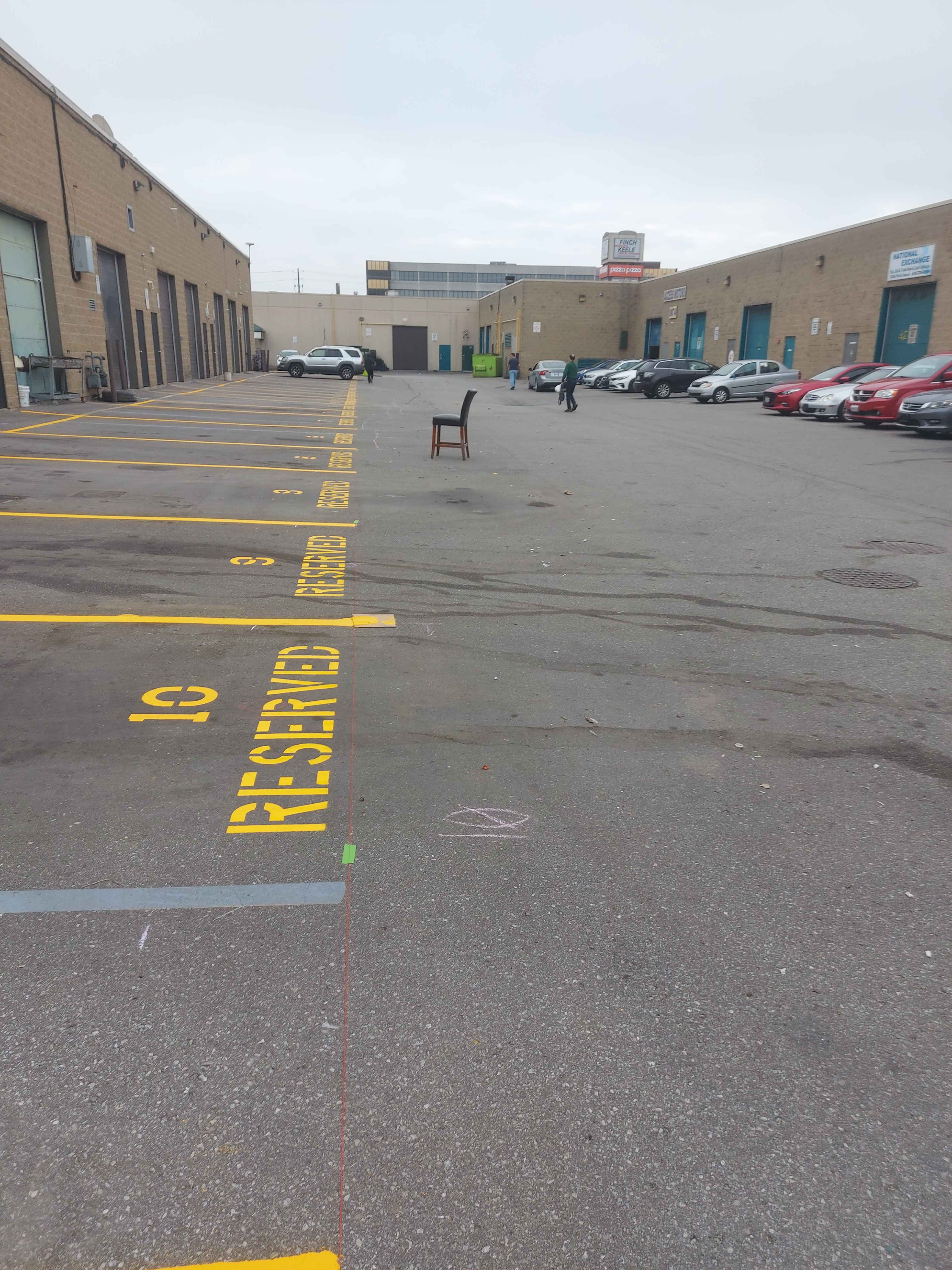
A well-maintained parking lot is about more than just structural integrity; it is about safety and organization. As the sealcoat darkens the pavement, it provides a high-contrast background that makes your markings stand out. This is where the synergy between sealcoating and Line Marking becomes apparent.
Once the sealcoat has properly cured, performing fresh Line Painting ensures that parking stalls, fire lanes, and pedestrian walkways are clearly visible to drivers and pedestrians alike. This combination of a dark, protected surface and crisp, bright Line Marking significantly reduces the risk of accidents and improves traffic flow on your property.
Common Mistakes in Asphalt Maintenance
To ensure your investment lasts, avoid these common pitfalls that can undermine your efforts:
1. Delaying Maintenance
Waiting until you see large cracks or potholes to act is often too late. Sealcoating is a preventative measure designed to be performed before the damage becomes structural.
2. Using Low-Quality Materials
Not all sealants are created equal. Using thin, watered-down products will not provide the chemical resistance needed to combat Ontario winters.
3. Poor Surface Preparation
Applying sealcoat over dirt, oil spills, or loose debris will cause the coating to peel. Professional application requires thorough cleaning and repair first.
4. Ignoring Line Marking Needs
Faded lines can lead to confusion and liability. Always coordinate your sealcoating with fresh Line Painting for the best results.
Visualizing the Difference
The Result of Professional Care
Trust the Professionals
Don't let the winter weather dictate the lifespan of your pavement. By investing in professional sealcoating, you are choosing to extend the life of your asphalt, maintain the aesthetic appeal of your property, and ensure safety for everyone who visits. Capital Parking Lot Line Painting is here to provide the expertise and high-quality materials required to weather any storm.