How Sealcoating Helps Protect Against Oil and Gas Spills
Understanding the science of asphalt preservation and why a protective barrier is your best defense against chemical degradation.
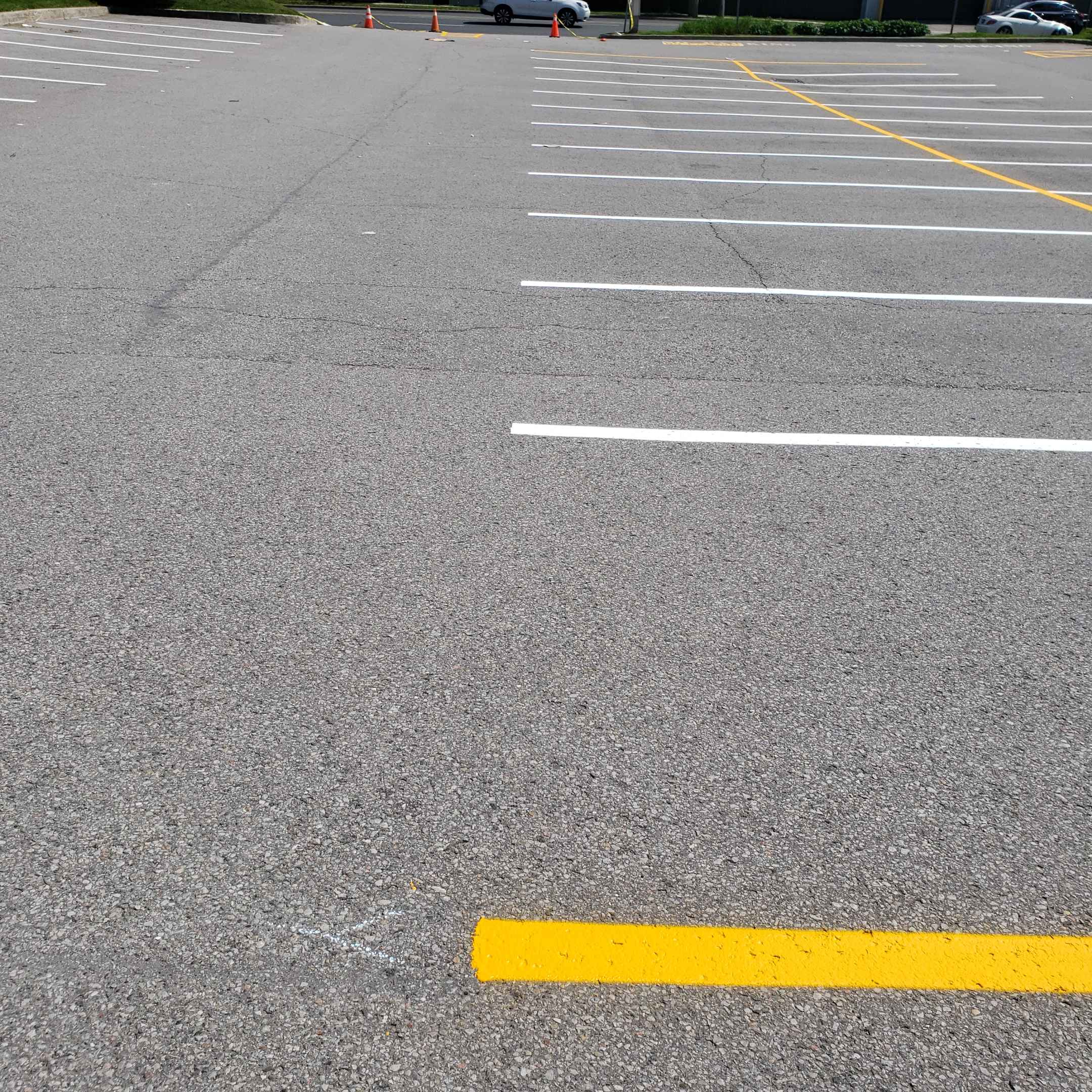
Asphalt is the backbone of modern infrastructure, providing the smooth, durable surfaces required for commercial parking lots, residential driveways, and industrial zones. However, asphalt is not as invincible as it appears. One of the most significant threats to the structural integrity of your pavement is the frequent occurrence of liquid chemical spills—specifically oil and gasoline.
For property owners in growing hubs like Ajax, maintaining a professional and safe appearance is paramount. Whether you manage a retail complex or a busy industrial site, the chemical interaction between petroleum products and asphalt can lead to rapid deterioration. This is where professional sealcoating becomes an indispensable part of your maintenance strategy. At Capital Parking Lot Line Painting, we specialize in providing the protective layers necessary to keep your surfaces intact for years to come.
The Chemistry of Destruction: Why Oil and Gas are Asphalt's Worst Enemies
To understand why sealcoating is necessary, one must first understand the composition of asphalt. Asphalt is a bituminous material, meaning it is held together by a binder—a petroleum-based substance that provides flexibility and cohesion to the aggregate (the stones and sand).
When oil or gasoline is spilled on untreated asphalt, a process called "solvent action" occurs. Because these fluids are also petroleum-based, they act as solvents that dissolve the bitumen binder. As the binder dissolves, it loses its ability to hold the aggregate together. This leads to several visible and structural issues:
- Softening: The asphalt becomes pliable and loses its load-bearing capacity.
- Ravelling: The aggregate begins to break loose from the surface, creating a rough, sandpaper-like texture.
- Pothole Formation: As the binder vanishes, water enters the weakened areas, leading to rapid crumbling and deep holes.
- Discoloration: Spills leave unsightly dark stains that diminish the professional look of your property.
How Sealcoating Acts as a Protective Shield
Sealcoating is not merely a cosmetic upgrade; it is a functional barrier. A high-quality sealant creates a non-porous layer over the asphalt surface. This layer serves several critical functions in defending against chemical spills:
1. Creating a Hydrophobic Barrier
A well-applied sealcoat makes the surface hydrophobic, meaning it repels liquids. When an oil or gas spill occurs on a sealed surface, the liquid tends to sit on top of the sealant rather than immediately penetrating the porous asphalt binder. This gives maintenance crews more time to clean up the spill before it can cause permanent damage.
2. Reducing Porosity
Raw asphalt is naturally porous, acting much like a sponge. Sealcoating fills these microscopic voids, significantly reducing the rate at which fluids can seep into the sub-base. By sealing these pores, Capital Parking Lot Line Painting ensures that your pavement remains dense and resistant to chemical intrusion.
3. Enhancing Surface Durability
Beyond chemical resistance, sealcoating protects against UV oxidation. Sunlight breaks down the bitumen just as effectively as oil does. A dual-purpose sealant protects against both the chemical onslaught of gasoline and the environmental onslaught of the sun.
The Importance of Integrated Maintenance
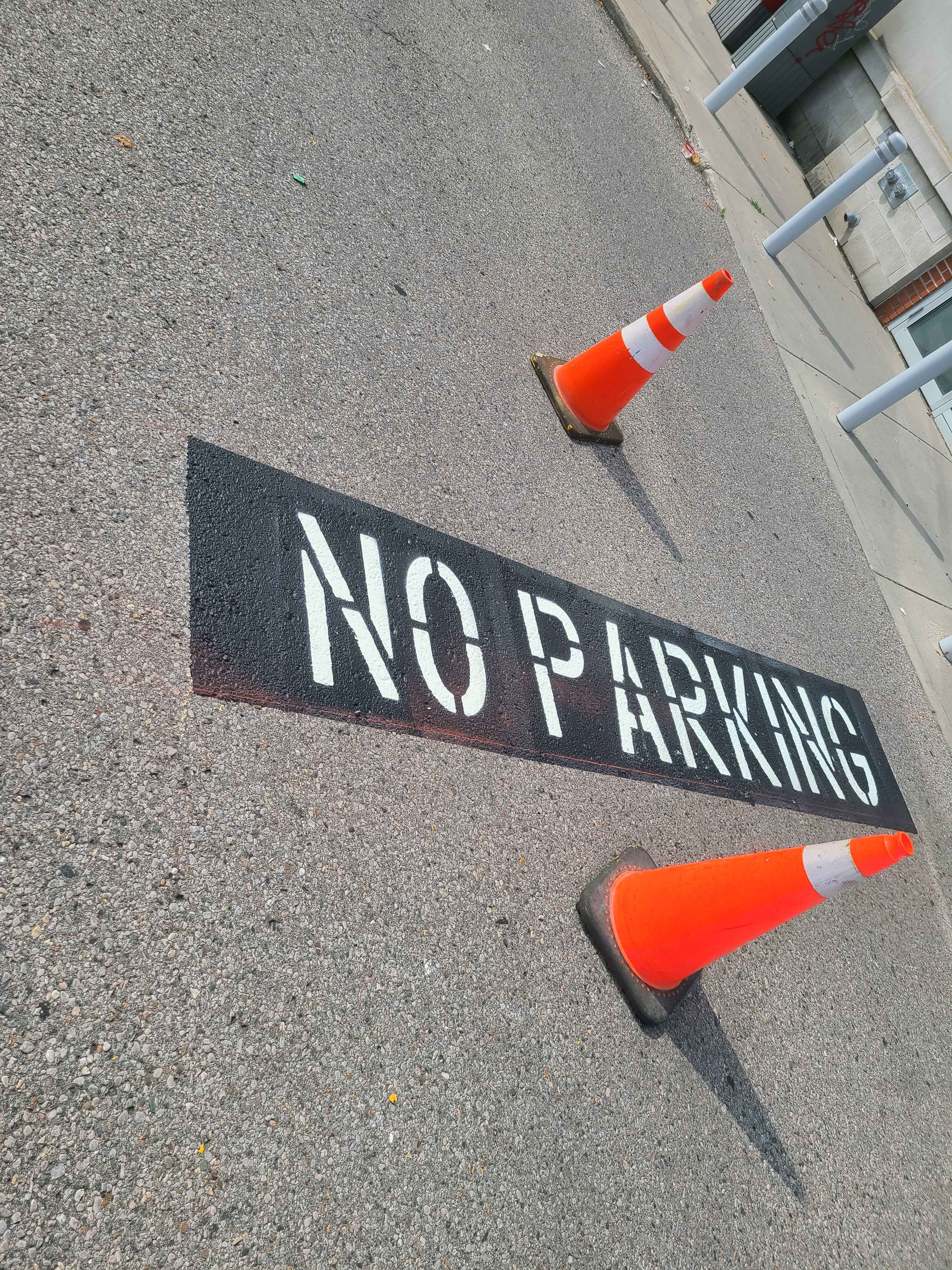
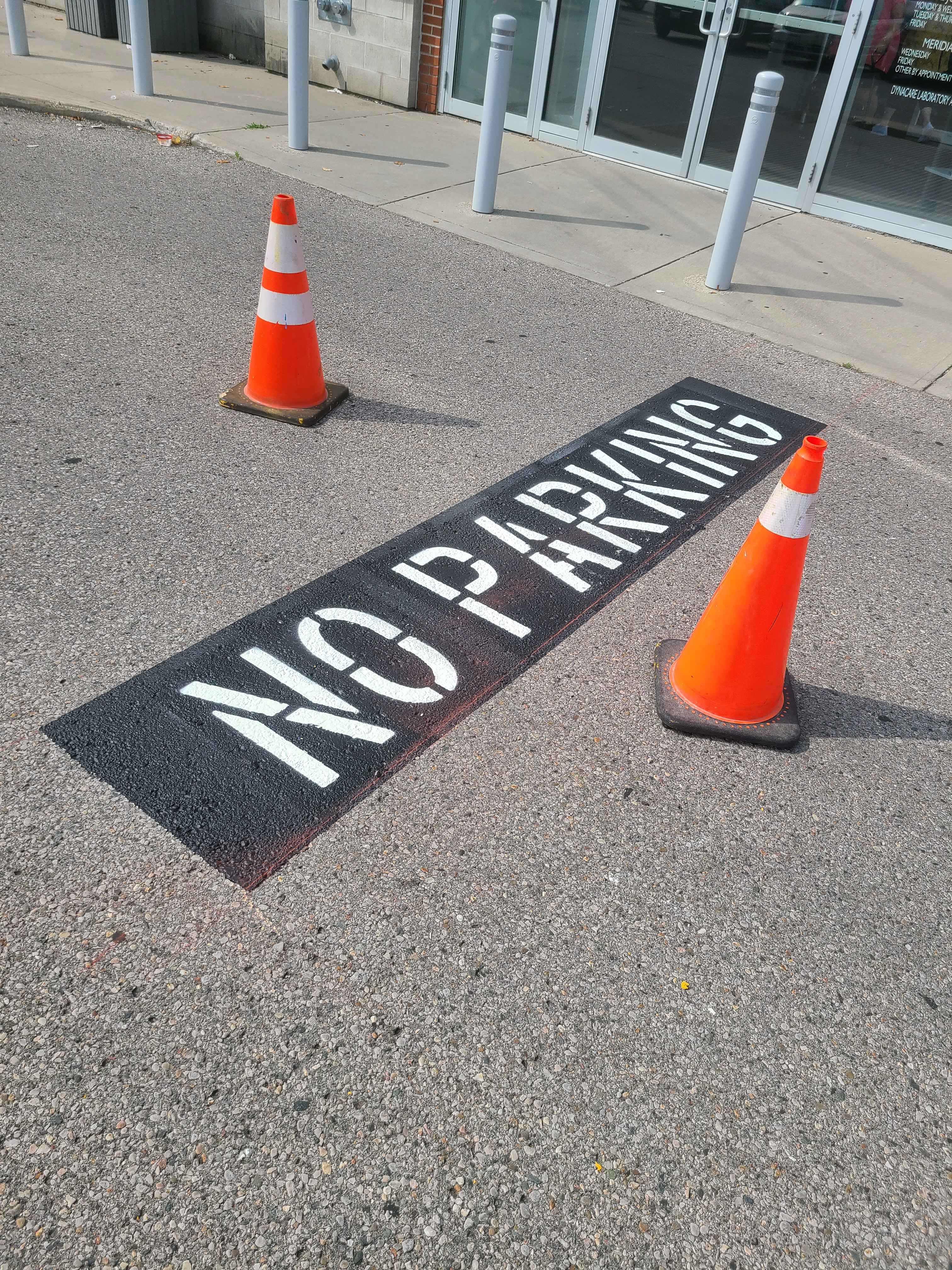
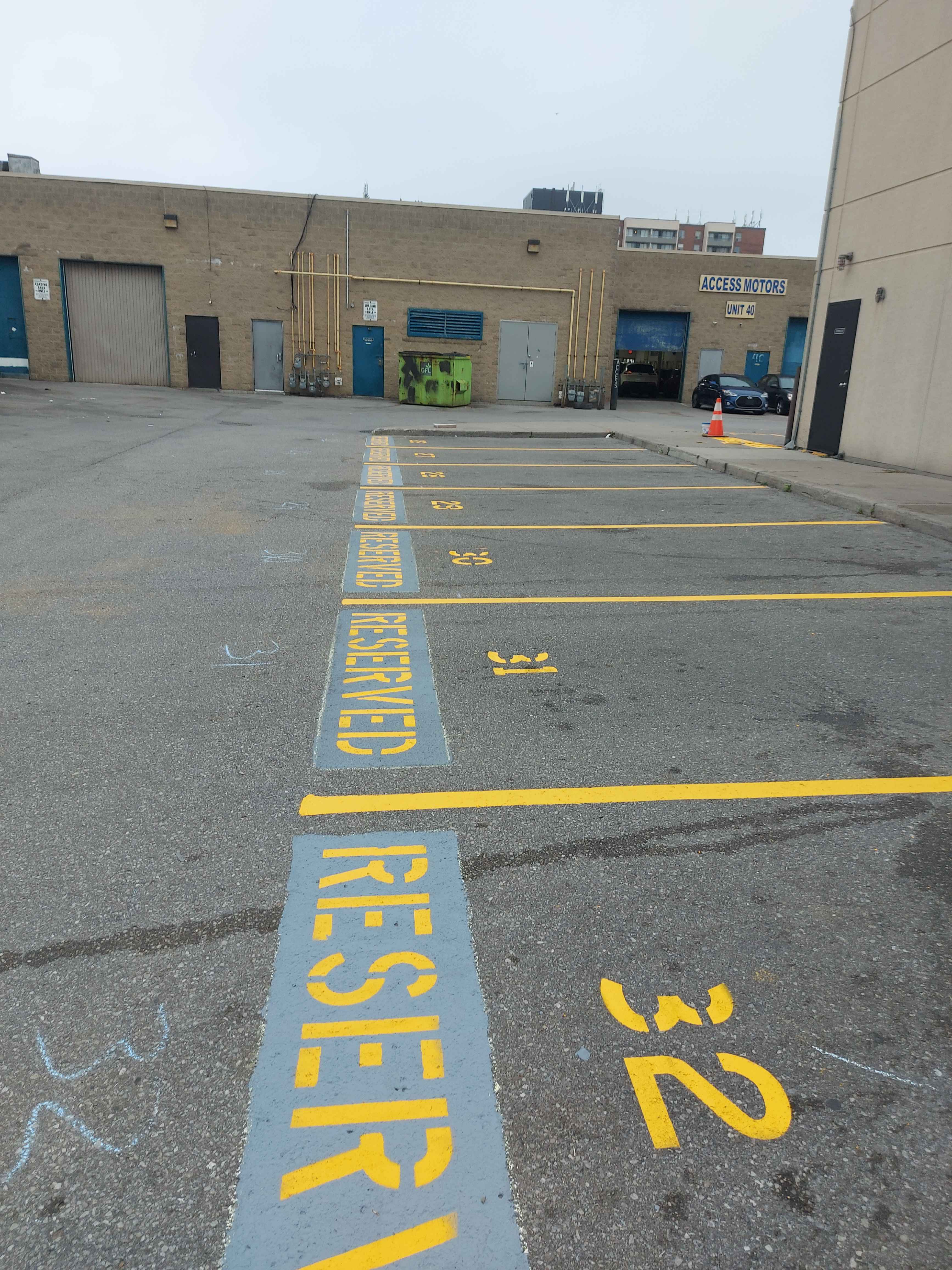
A truly professional parking lot requires more than just a protective coating; it requires a holistic approach to maintenance. Once your asphalt is sealed and protected from oil spills, the next step in maintaining a clean, organized, and safe environment is Line Marking.
Clear Line Painting ensures that traffic flows correctly, parking stalls are utilized efficiently, and pedestrian walkways are clearly defined. When you combine the structural protection of sealcoating with precision Line Marking, you create a facility that is both durable and highly functional. For businesses in Ajax, this combination is the gold standard for property management.
Common Mistakes in Asphalt Maintenance
Many property owners attempt to save money in the short term, only to face massive repair costs later. Avoid these common pitfalls:
Mistake #1: Ignoring Small Spills
Thinking a small oil stain doesn't matter is a mistake. Those small spots are entry points for deeper degradation.
Mistake #2: Skipping the Sealcoat
Treating sealcoating as an "optional luxury" rather than a maintenance necessity leads to premature asphalt failure.
Summary: Protect Your Investment
Don't wait for your parking lot to crumble under the weight of chemical spills and environmental wear. Regular sealcoating is the most cost-effective way to extend the life of your asphalt and maintain a pristine professional image.
Protect your surface today with Capital Parking Lot Line Painting.