How Sealcoating Helps Protect Against Oil and Gas Spills
Asphalt is the backbone of commercial infrastructure, but it is far more vulnerable to chemical damage than most property owners realize. Understanding the science of sealcoating is key to long-term pavement management.
The Vulnerability of Asphalt to Hydrocarbons
Asphalt is a petroleum-based product, which creates a unique chemical vulnerability. When automotive fluids—such as motor oil, gasoline, diesel, or hydraulic fluid—leak onto an untreated asphalt surface, a process known as "solvent action" begins. These hydrocarbons act as solvents that dissolve the bitumen (the black, sticky binder that holds the asphalt rocks together).
Once the binder is dissolved, the structural integrity of the pavement is compromised. The asphalt loses its cohesive strength, leading to crumbling, raveling, and eventually, deep potholes. For businesses in high-traffic areas like Oshawa, where vehicle turnover is constant, the risk of frequent fluid leaks is significantly higher.
How Sealcoating Acts as a Protective Shield
Sealcoating is not merely an aesthetic upgrade to make your parking lot look jet black; it is a functional necessity. A high-quality sealcoat creates a sacrificial barrier between the asphalt and the environment. When a spill occurs on a sealcoated surface, the liquid sits on top of the protective layer rather than penetrating the porous asphalt matrix.
By utilizing the services of professionals like Capital Parking Lot Line Painting, property owners can ensure that the sealcoat is applied at the correct thickness and density to effectively repel these corrosive substances. This barrier buys time, allowing maintenance crews to clean up spills before they can cause permanent structural damage.
Proactive Maintenance Matters
Waiting for cracks to appear before taking action is a recipe for expensive repairs. Regular sealcoating is the most cost-effective way to manage your pavement lifecycle.
Key Benefits of Regular Sealcoating
Implementing a consistent maintenance schedule provides several advantages beyond simple oil spill protection:
- Waterproofing: Prevents moisture from seeping into the subbase, which prevents freeze-thaw damage.
- UV Protection: Shields the bitumen from the sun's ultraviolet rays, which cause oxidation and brittleness.
- Chemical Resistance: Provides a first line of defense against oils, gas, and road salts.
- Improved Aesthetics: Restores the deep black color of the lot, enhancing curb appeal.
- Enhanced Safety: Creates a smoother surface that can improve traction when paired with professional Line Marking.
The Synergy of Sealcoating and Line Marking
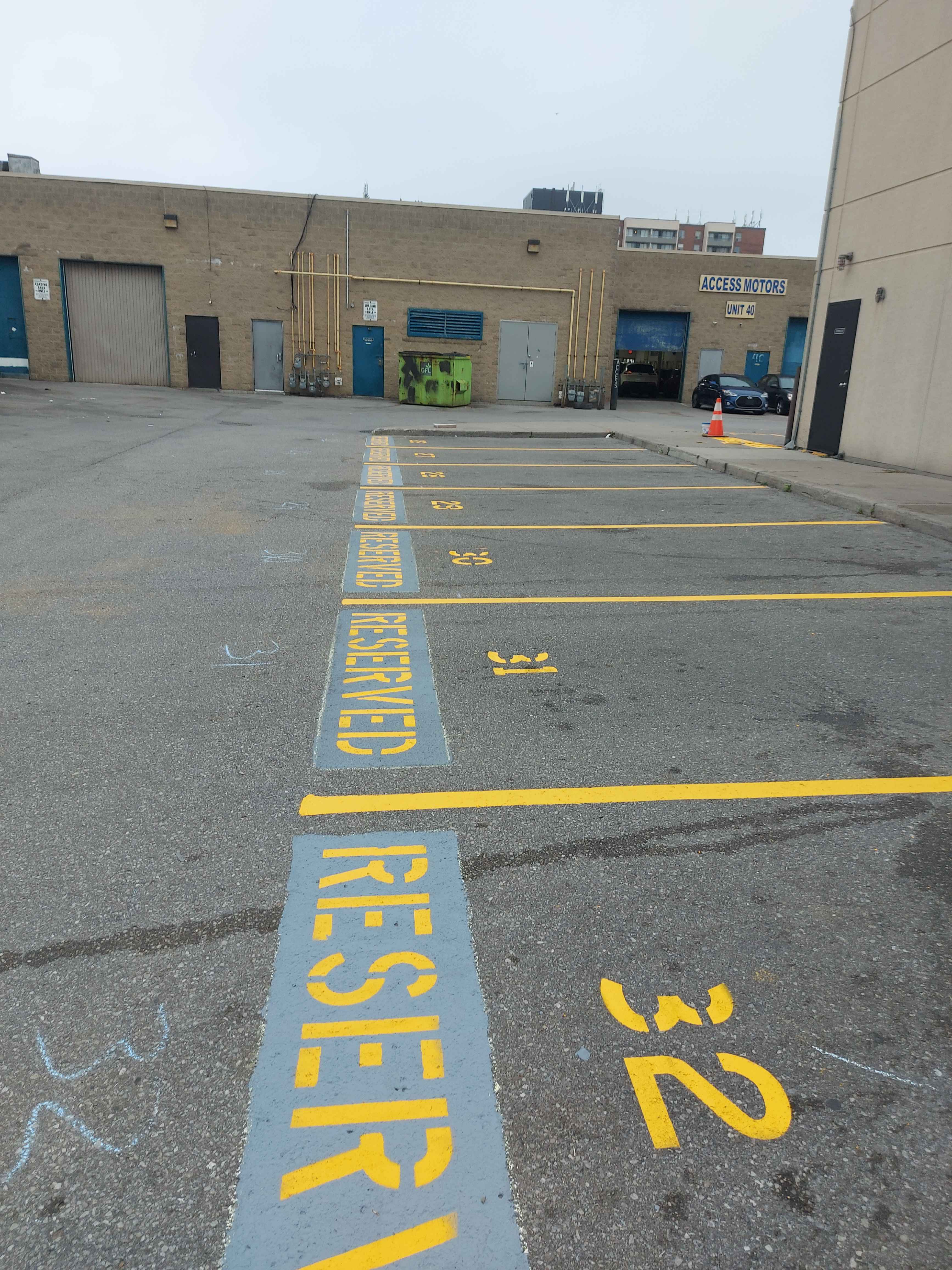
A well-maintained parking lot requires more than just a strong surface; it requires clarity. After a fresh sealcoating application, the surface is primed for high-visibility Line Painting. This combination ensures that your lot is not only structurally sound and resistant to oil damage but also safe and organized for drivers.
At Capital Parking Lot Line Painting, we understand that a seamless transition from surface protection to Line Marking is essential for a professional finish. Clear lines guide traffic, define parking stalls, and ensure compliance with local regulations in growing urban centers like Oshawa.
Common Mistakes in Pavement Maintenance
To maximize the lifespan of your asphalt, avoid these common pitfalls:
1. Ignoring Small Spills
Even a small amount of gasoline can penetrate untreated asphalt quickly. Always clean spills immediately with absorbent materials.
2. Skipping the Sealcoat
Many owners view sealcoating as an optional luxury. In reality, it is an essential preventative measure that prevents the need for full repaving.
3. Using Low-Quality Materials
Not all sealants are created equal. Ensure you are working with an established expert like Capital Parking Lot Line Painting to guarantee the use of industrial-grade, heavy-duty sealants.
Conclusion
Protecting your investment requires a proactive approach. By applying a high-quality sealcoat, you create a resilient barrier that guards against the destructive power of oil and gas spills, extends the life of your asphalt, and maintains the professional appearance of your property. Don't wait for the damage to become visible—protect your pavement today.