How Sealcoating Protects Against Salt and De-Icing Chemicals
Protecting your investment from the corrosive elements of winter is more than just maintenance; it is a necessity for long-term durability.
For property owners in Ontario, the winter months present a unique and aggressive set of challenges for asphalt surfaces. As temperatures drop, the reliance on road salt and liquid de-icing chemicals becomes absolute. While these substances are essential for safety and preventing ice buildup, they act as silent destroyers of asphalt pavement. This is where professional sealcoating becomes your first line of defense.
At Capital Parking Lot Line Painting, we see firsthand how the chemical composition of winter maintenance products interacts with unprotected asphalt. Without a protective barrier, your parking lot or driveway is essentially a sponge, soaking up corrosive elements that lead to rapid degradation.
The Science of Asphalt Degradation
To understand why sealcoating is necessary, one must understand the composition of asphalt. Asphalt is a mixture of aggregate (rocks and sand) and a bituminous binder. This binder is what holds everything together and provides the flexibility required to withstand heavy loads and temperature fluctuations.
How Salt Attacks the Binder
Salt (Sodium Chloride) and other de-icing agents like Calcium Chloride are highly hygroscopic, meaning they attract water. When these chemicals settle into the microscopic pores of your asphalt, they create a chemical reaction that can strip the bituminous binder away from the aggregate. Once the binder is compromised, the structural integrity of the pavement begins to fail.
The Freeze-Thaw Cycle Aggravation
In a top 30 city like Vaughan, the freeze-thaw cycle is particularly intense. When salt-laden water penetrates the asphalt, it settles into small cracks. As this water freezes, it expands, exerting immense internal pressure on the pavement. This process, known as frost heaving, widens existing cracks and creates new ones, allowing even more chemicals to penetrate deeper into the sub-base.
Key Benefits of Professional Sealcoating
Sealcoating is not merely an aesthetic upgrade; it is a functional necessity. When performed by experts like Capital Parking Lot Line Painting, it provides several critical advantages:
- Chemical Barrier: Creates a non-porous surface that prevents salt and de-icing fluids from penetrating the asphalt.
- Oxidation Prevention: Protects the asphalt from UV rays, which cause the binder to become brittle over time.
- Moisture Resistance: Seals cracks and pores to prevent water from entering the sub-base.
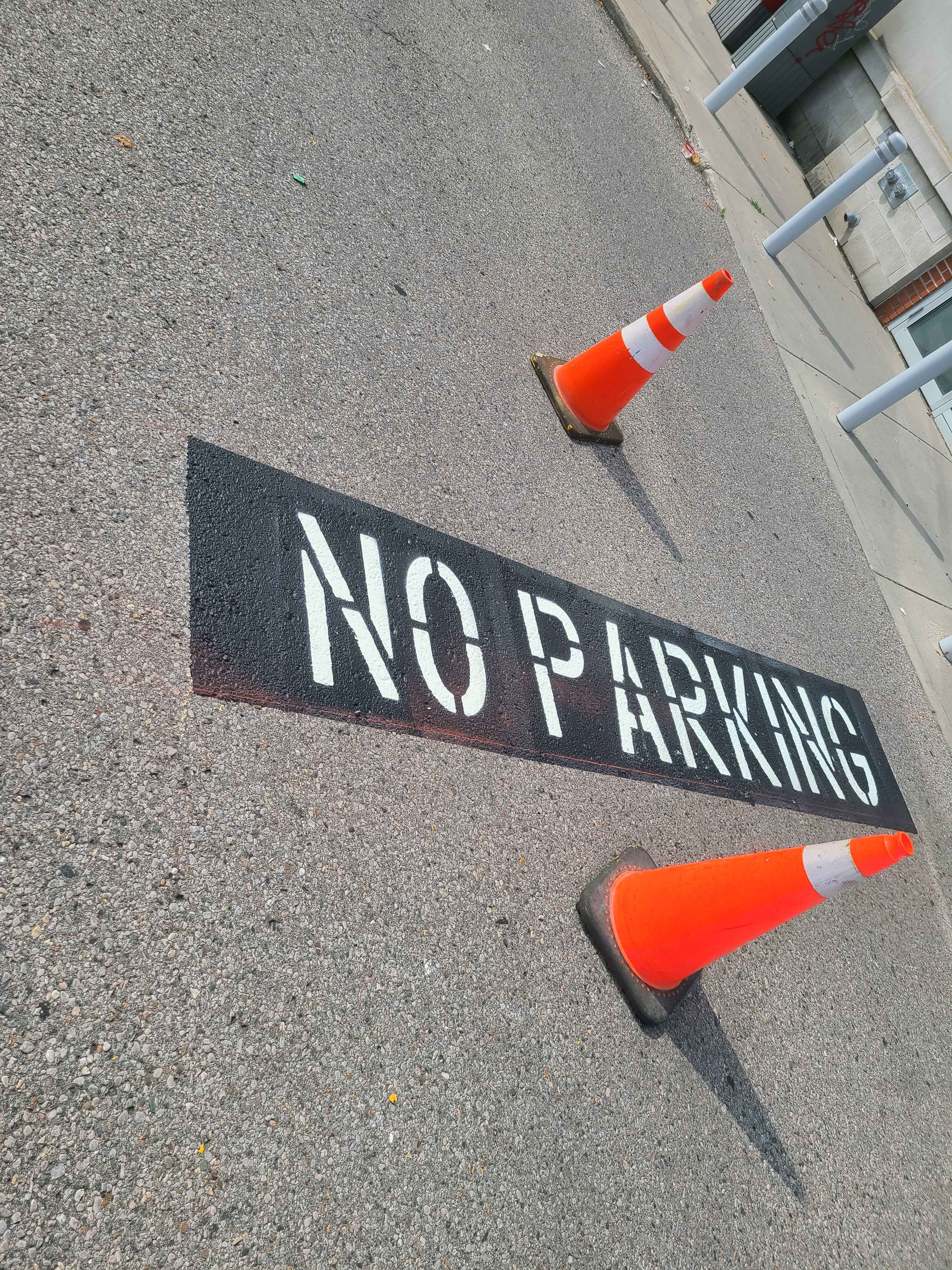
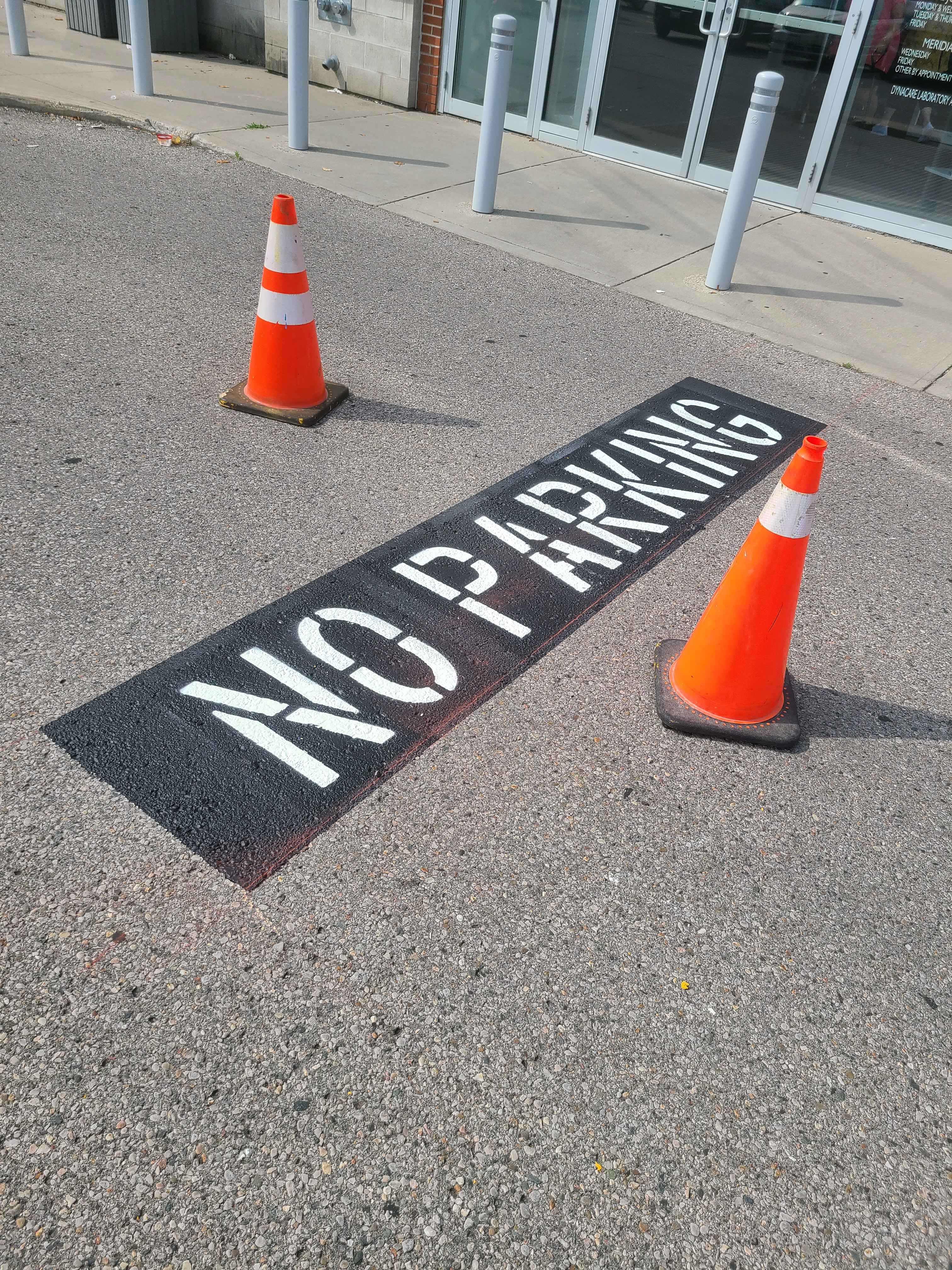
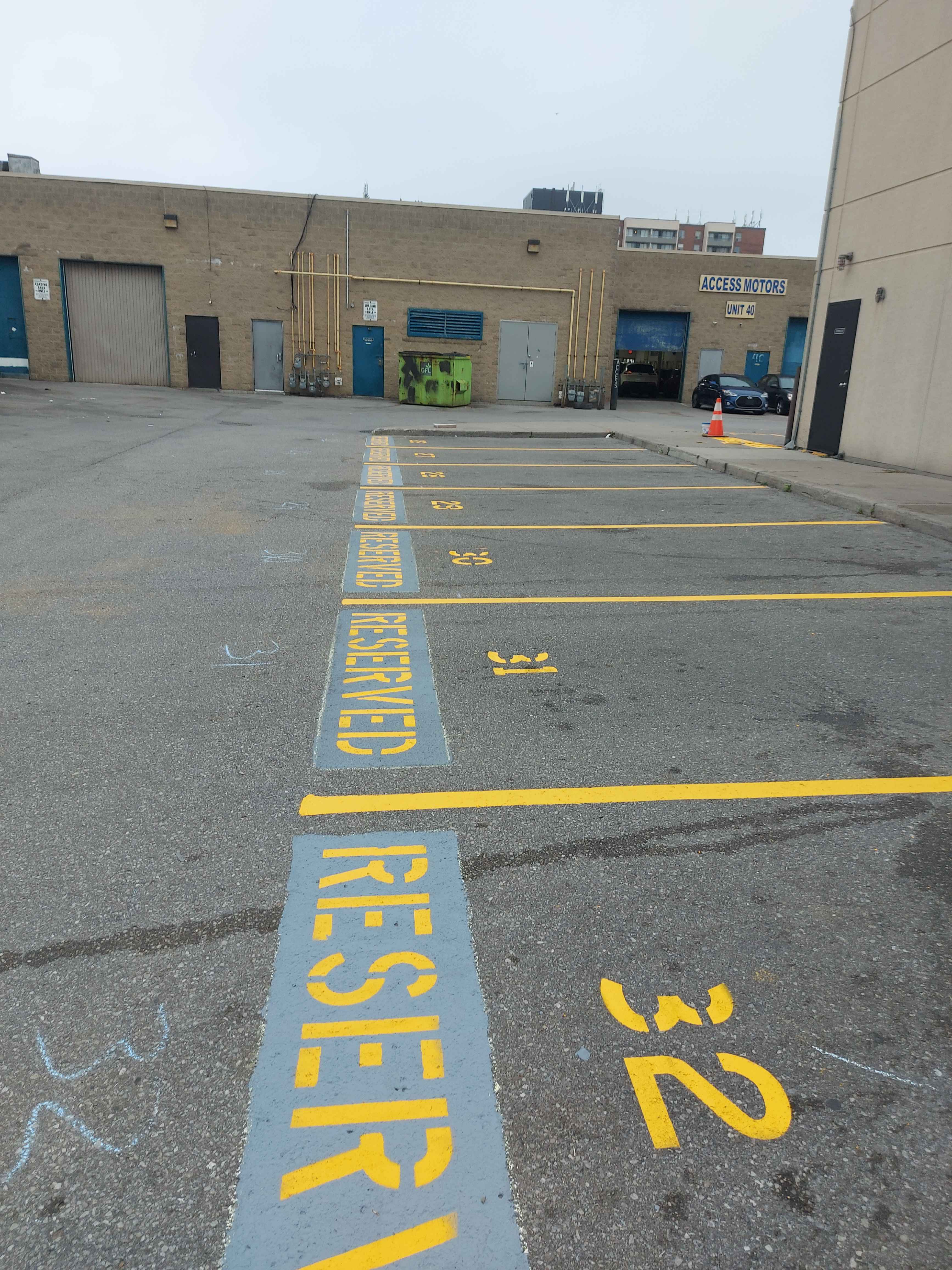
- Enhanced Visibility: Provides a deep black background that makes Line Marking and Line Painting much more visible and effective for traffic safety.
- Structural Longevity: Extends the overall lifespan of the pavement, delaying the need for expensive resurfacing.
The Synergy Between Sealcoating and Line Marking
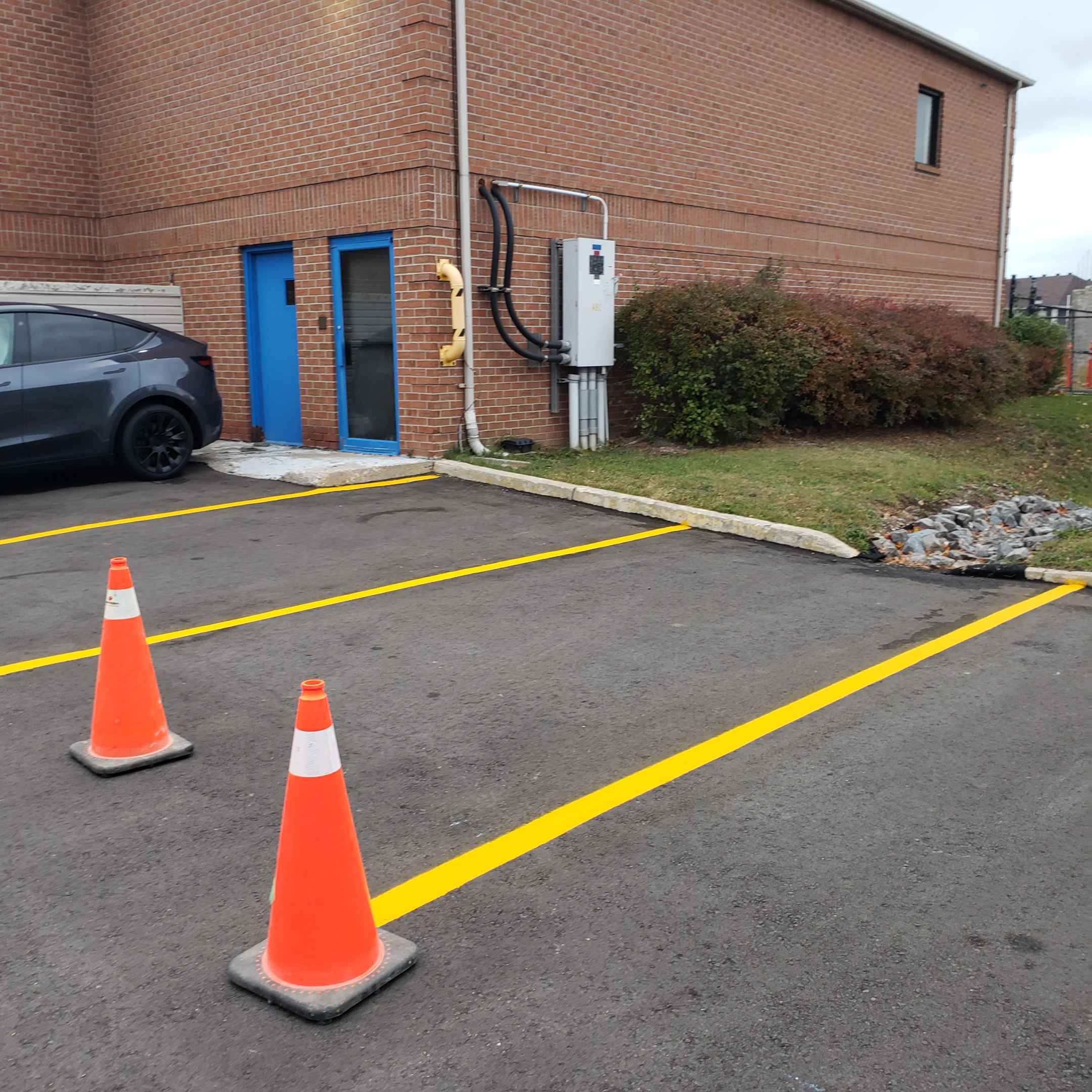
A common mistake property managers make is treating sealcoating and pavement markings as separate, unrelated tasks. In reality, they are part of a holistic maintenance strategy. When you apply a fresh sealcoat, you create a pristine, uniform surface. This surface is the perfect canvas for high-quality Line Painting.
By ensuring your Line Marking is applied over a well-maintained, sealed surface, the markings adhere better and remain vibrant for much longer. This combination ensures that your parking lot in Vaughan is not only structurally sound but also compliant with safety regulations and easy for drivers to navigate.
Common Mistakes to Avoid
Maintaining an asphalt surface requires precision. Avoiding these common pitfalls can save you significant trouble down the road:
1. Neglecting Regular Maintenance
Waiting until you see large potholes to call Capital Parking Lot Line Painting is a mistake. By then, the damage is deep. Regular sealcoating every 2-3 years is the proactive approach.
2. Using Low-Quality Sealants
Not all sealants are created equal. Professional-grade coal tar or asphalt emulsion sealants provide much better protection against chemical erosion than DIY retail products.
Conclusion
The harsh Ontario winters are inevitable, but the destruction of your asphalt doesn't have to be. By investing in professional sealcoating, you are building a shield against the corrosive effects of salt and de-icing chemicals. This simple step preserves the binder, prevents the freeze-thaw cycle from wreaking havoc, and provides a perfect foundation for your Line Painting needs.
Protect your property today and ensure your pavement stands strong against the elements for years to come.
Quick Look: Sealcoating Impact
Regular sealcoating provides a waterproof and chemical-resistant barrier that significantly reduces the rate of asphalt deterioration caused by environmental stressors.