How Sealcoating Shields Against UV and Oxidation
Understanding the science behind asphalt preservation and how to protect your investment from the elements.
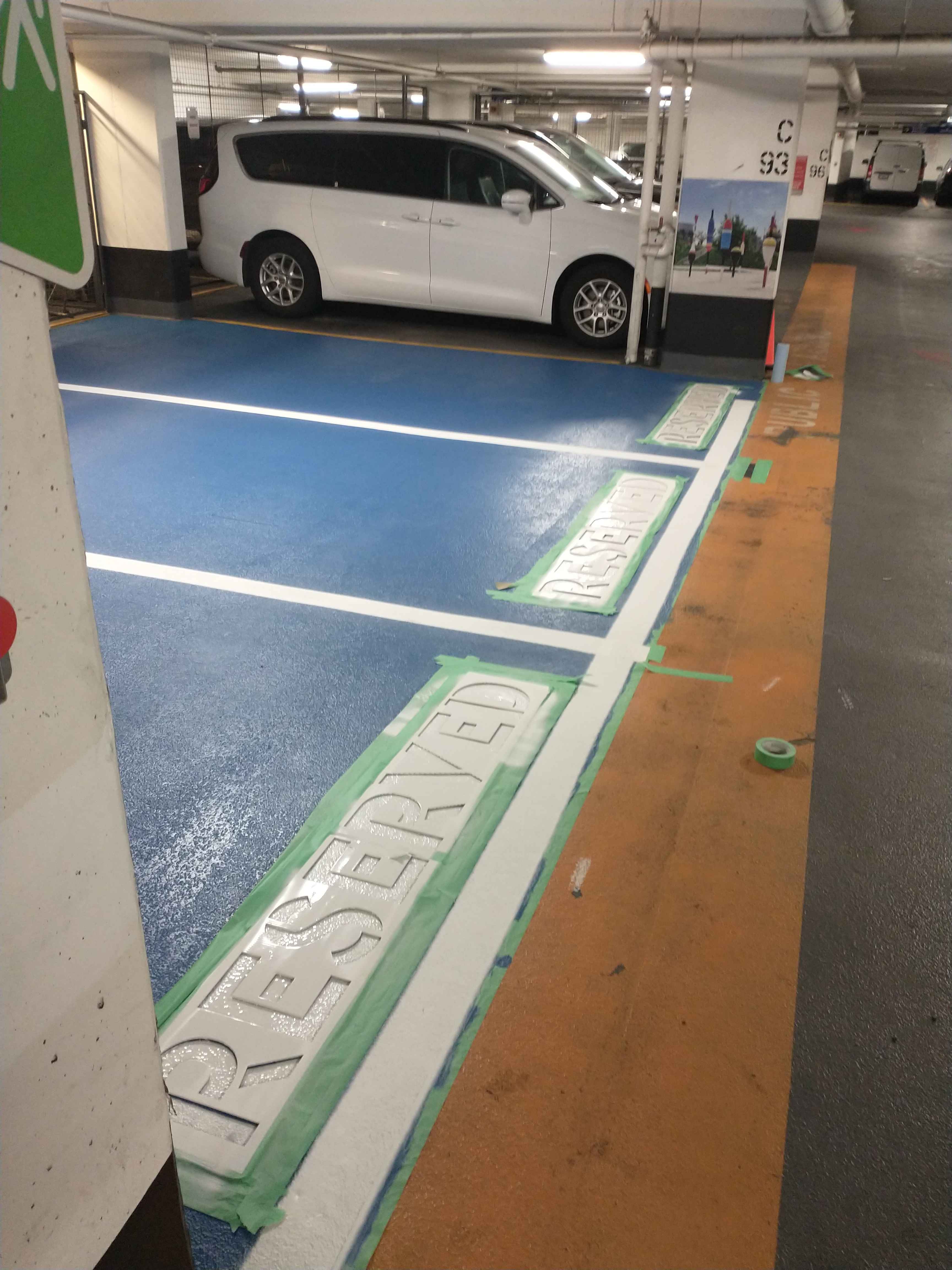
Asphalt is one of the most common surfaces used for driveways, parking lots, and commercial roadways. While it is incredibly durable and capable of supporting immense weight, it is not invincible. To the untrained eye, an asphalt surface might look solid, but beneath the surface, a constant battle is being waged against the environment. Two of the most aggressive enemies of asphalt are Ultraviolet (UV) radiation and oxidation.
At Capital Parking Lot Line Painting, we see firsthand how the changing seasons and intense sun exposure can degrade even the highest quality pavement. This is where sealcoating becomes more than just a cosmetic upgrade; it becomes a critical defensive barrier for your property.
The Science of Degradation: UV and Oxidation
To understand why sealcoating is necessary, we must first understand what happens to asphalt when it is left unprotected. Asphalt is a composite material consisting of aggregates (stones and sand) bound together by a sticky, black substance called bitumen.
The Role of UV Radiation
Sunlight contains ultraviolet rays that carry high levels of energy. When these rays hit the surface of an asphalt parking lot, they begin to break down the chemical bonds within the bitumen. This process is known as photo-oxidation. As the chemical structure of the binder weakens, it loses its ability to hold the aggregate together. This results in a surface that looks grey, brittle, and prone to crumbling.
The Process of Oxidation
Oxidation is a chemical reaction that occurs when asphalt is exposed to oxygen in the air, accelerated by heat and UV exposure. Think of it like an apple turning brown after being sliced and left on a counter. As the bitumen oxidizes, it becomes hard and brittle. A flexible asphalt surface can expand and contract with temperature changes; however, an oxidized surface lacks this flexibility, leading to cracks, potholes, and structural failure.
Why Sealcoating is Your Best Defense
Sealcoating acts as a sacrificial layer. Instead of the sun and oxygen attacking your actual asphalt, they attack the sealcoat. By applying a high-quality sealant, you are effectively providing a new "skin" for your pavement. This layer offers several key benefits:
- UV Blocking: High-quality sealants contain additives that reflect or absorb UV rays, preventing them from reaching the bitumen.
- Oxidation Inhibition: The sealant creates a moisture-resistant barrier that limits the amount of oxygen that can penetrate the surface.
- Liquid Protection: It protects against oil, gas, and chemical spills that can dissolve the asphalt binder.
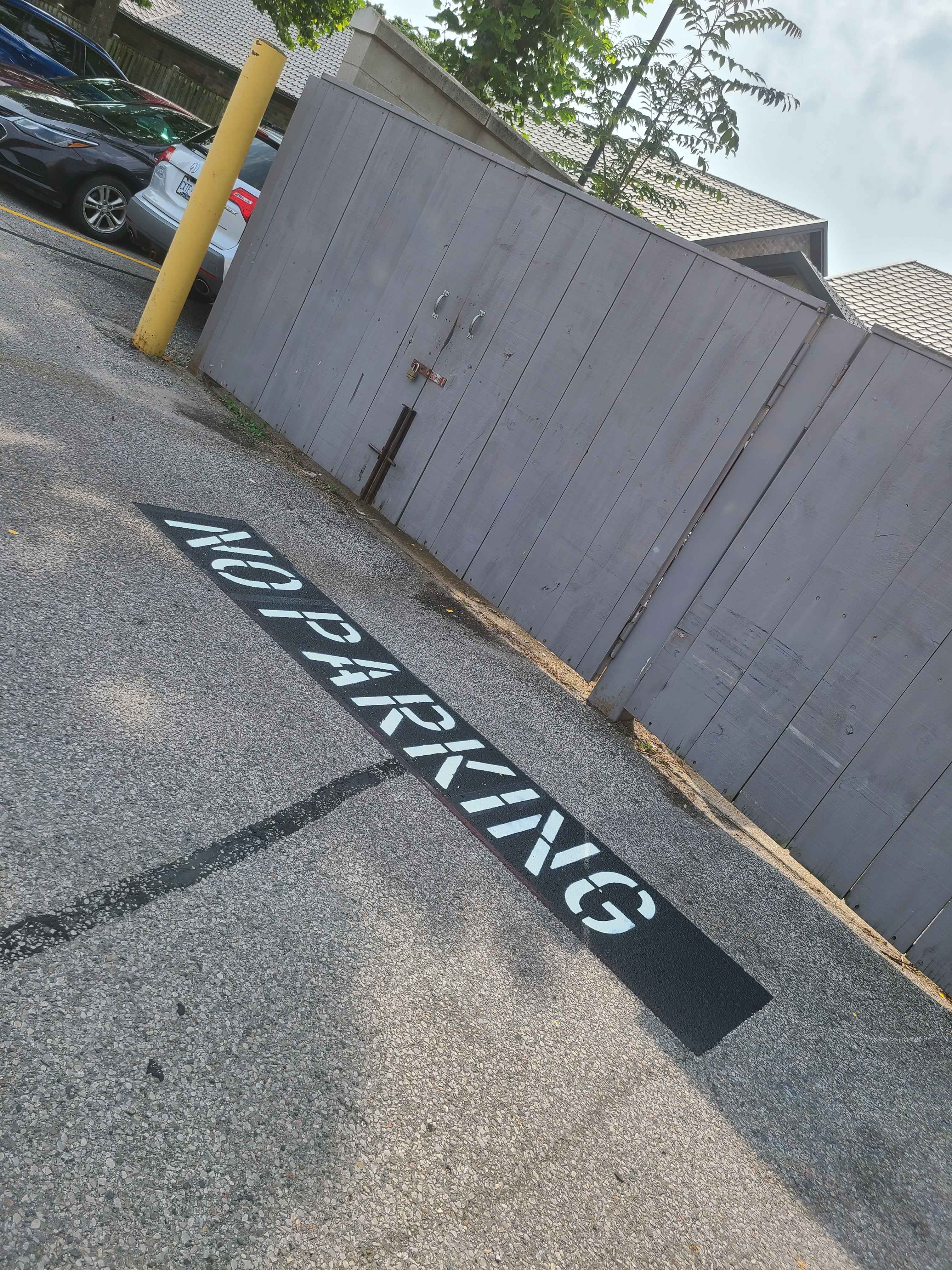
- Aesthetic Renewal: It restores that deep, rich black look, which is often paired with professional Line Marking to improve lot organization.
- Cost Mitigation: Regular maintenance is significantly more affordable than full asphalt replacement.
Local Environmental Factors in Niagara Falls
In regions like Niagara Falls, the weather patterns can be particularly harsh on pavement. We experience extreme temperature fluctuations—from freezing winters with heavy salt usage to hot, humid summers. This "freeze-thaw" cycle puts immense stress on the asphalt. When water enters small cracks caused by oxidation, it freezes and expands, widening the cracks further.
For property owners in Niagara Falls, a top 30 city in Ontario, staying ahead of this cycle is vital. Capital Parking Lot Line Painting recommends a regular sealcoating schedule to ensure that these micro-cracks don't turn into major structural issues.
The Complete Maintenance Approach
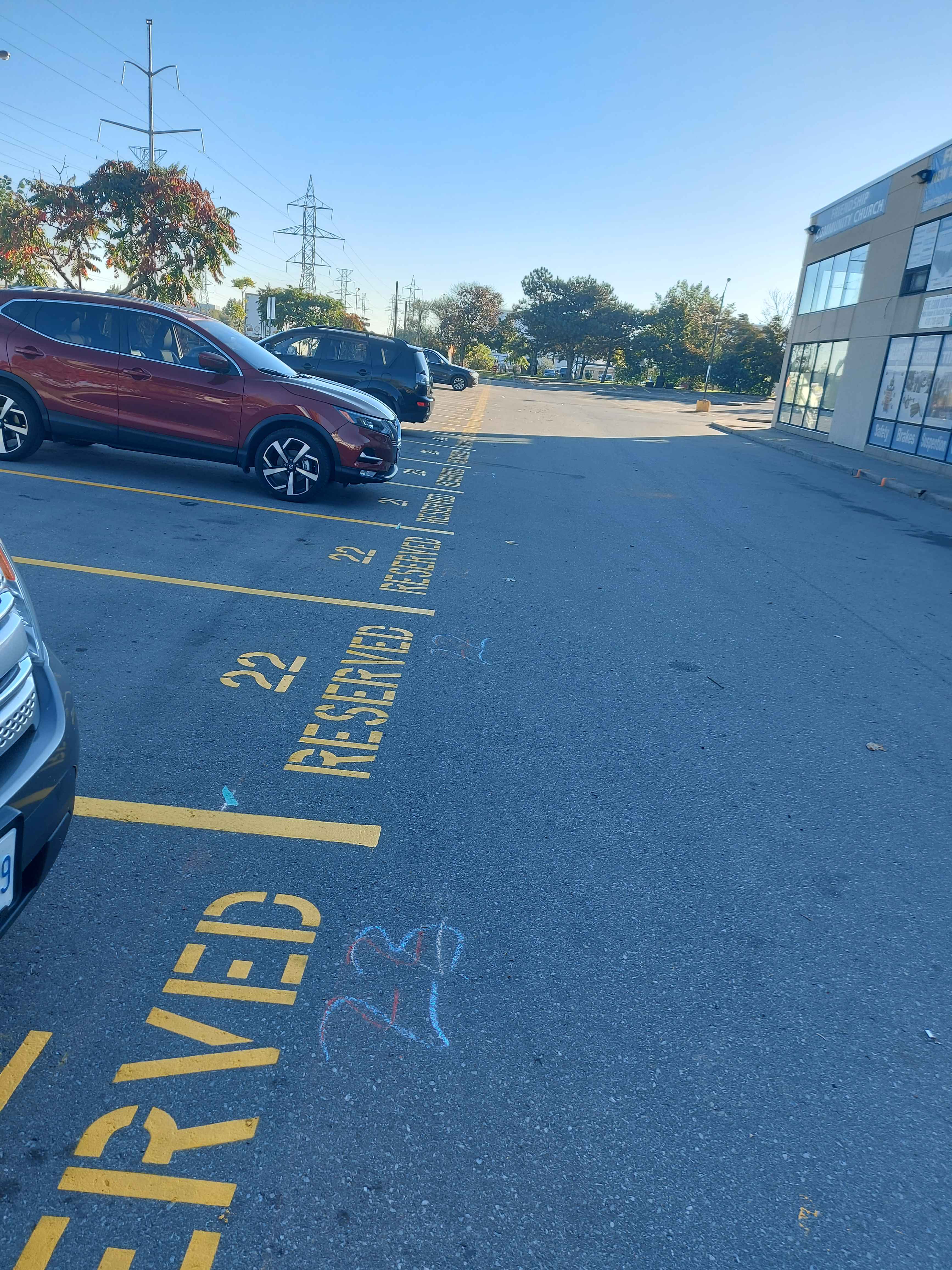
Sealcoating is a cornerstone of pavement management, but it works best when part of a holistic maintenance plan. A well-maintained lot should undergo a regular inspection to check for cracks, drainage issues, and fading. Once the surface is cleaned and repaired, sealcoating should be applied. Following the sealcoating, Line Painting should be performed to ensure that parking stalls, ADA compliance markings, and directional arrows are crisp and visible.
At Capital Parking Lot Line Painting, we specialize in providing this comprehensive care, ensuring your pavement remains both structurally sound and visually professional.
Summary of Maintenance Best Practices
Common Mistakes to Avoid
- Waiting until potholes appear to take action.
- Using low-quality, DIY sealants that lack UV inhibitors.
- Neglecting Line Marking updates, leading to traffic confusion.
- Applying sealant over dirty or oily surfaces.
When to Call the Professionals
- If your asphalt is turning light grey.
- If you notice fine, spiderweb-like cracks.
- If your parking lines are faded or illegible.
- Before the heavy winter season begins.
Visualizing the Result
Protecting your surface keeps it looking new for years.