How Sealcoating Shields Against UV and Oxidation
Understanding the science of asphalt preservation and why professional sealcoating is your first line of defense.
Asphalt is an incredible material, providing the foundation for our roads, driveways, and commercial parking lots. However, it is not invincible. To the naked eye, an asphalt surface might look solid, but beneath the surface, a silent battle is being waged against the elements. For property owners in Oshawa, one of the top 30 cities in Ontario, the seasonal shifts bring unique challenges that can rapidly degrade pavement quality.
At Capital Parking Lot Line Painting, we see firsthand how much damage can be prevented through timely maintenance. The two primary culprits of asphalt decay are Ultraviolet (UV) radiation and oxidation. Without a protective barrier, your asphalt is essentially a ticking time bomb of structural failure.
The Silent Killer: UV Radiation
Just as the sun can cause skin to burn, it also attacks the chemical bonds within asphalt. Asphalt is composed of bitumen—a sticky, black, petroleum-based substance that holds the aggregate (rocks and sand) together. When UV rays hit this bitumen, they trigger a chemical reaction that breaks down the molecular structure.
How UV Rays Damage the Surface
When the sun's energy penetrates the asphalt, it causes the oils within the bitumen to evaporate or break down. As these oils disappear, the asphalt loses its flexibility. A flexible surface can expand and contract with temperature changes; a brittle surface cannot. This brittleness leads to micro-cracks, which eventually grow into potholes and deep fissures.
By applying a high-quality sealcoat, Capital Parking Lot Line Painting provides a sacrificial layer. This layer absorbs the UV energy, allowing the underlying asphalt to remain supple and intact.
Understanding Oxidation in Asphalt
Oxidation is often discussed alongside UV damage, but it is a distinct chemical process. Oxidation occurs when the asphalt reacts with oxygen in the atmosphere. This process turns the rich, deep black of fresh asphalt into a faded, chalky grey.
While a grey parking lot might seem like a cosmetic issue, it is actually a sign of advanced structural degradation. Oxidation makes the surface increasingly porous. Once the surface becomes porous, water can seep into the base layers. In a climate like Oshawa, where freeze-thaw cycles are common, that trapped water expands as it freezes, shattering the asphalt from the inside out.
Sealcoating acts as a sealant, effectively "closing" the pores of the asphalt and preventing oxygen and moisture from entering the mix.
The Benefits of Regular Sealcoating
Investing in sealcoating is not just about making your property look better; it is about long-term asset management. When you partner with Capital Parking Lot Line Painting, you are investing in several key advantages:
- UV Protection: Blocks harmful solar radiation from breaking down bitumen.
- Oxidation Resistance: Prevents the chemical aging that leads to brittleness.
- Moisture Barrier: Stops water penetration, preventing freeze-thaw damage.
- Improved Aesthetics: Restores the deep black color, increasing curb appeal.
- Enhanced Safety: Provides a cleaner surface for effective Line Marking and improved traction.
- Cost Savings: Extends the life of the pavement, delaying expensive resurfacing projects.
The Complete Maintenance Cycle
Sealcoating is most effective when it is part of a holistic maintenance strategy. A well-maintained parking lot requires more than just a protective coating; it requires clear communication through visual cues. Once your sealcoating has cured, the next step is often Line Painting to ensure traffic flow and safety compliance.
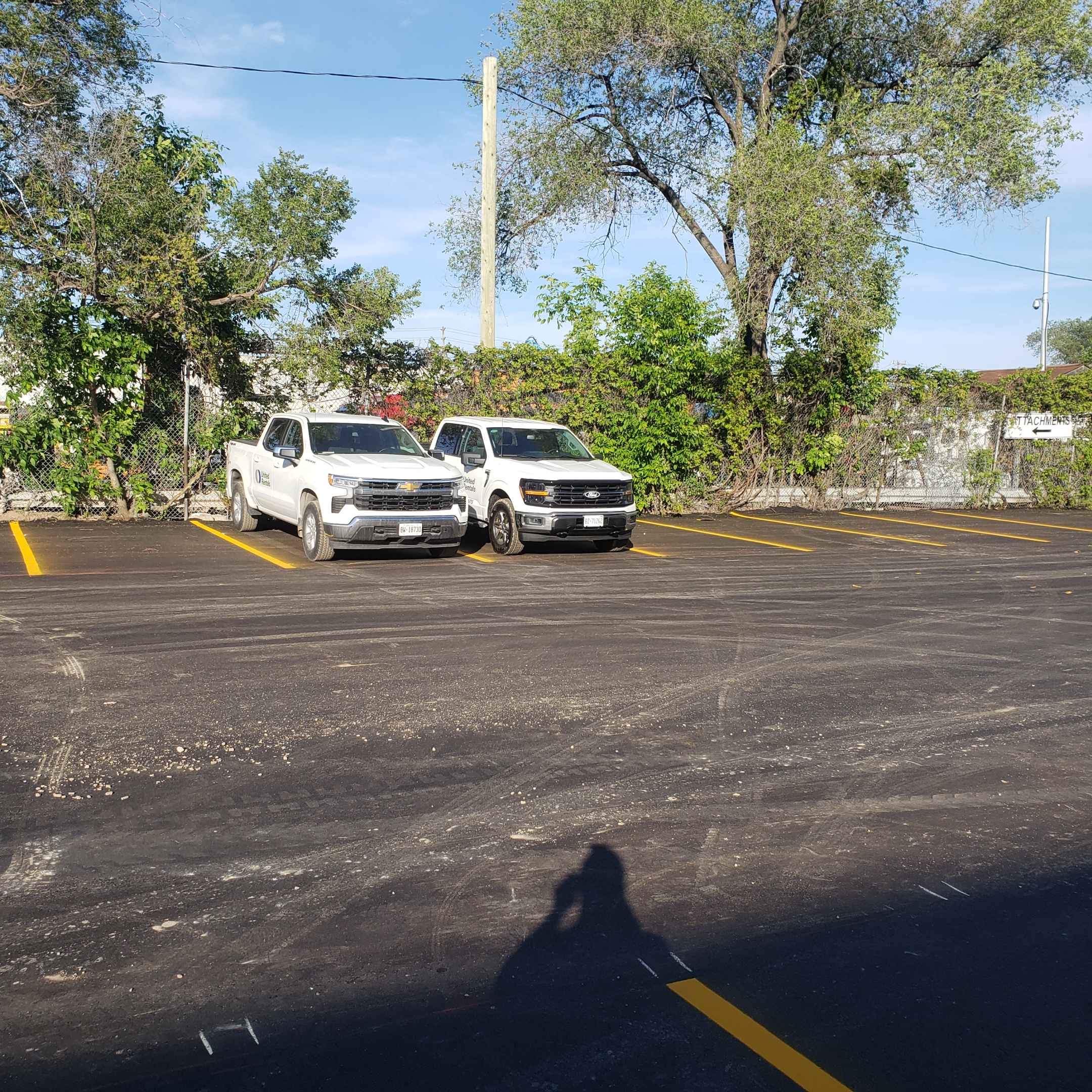
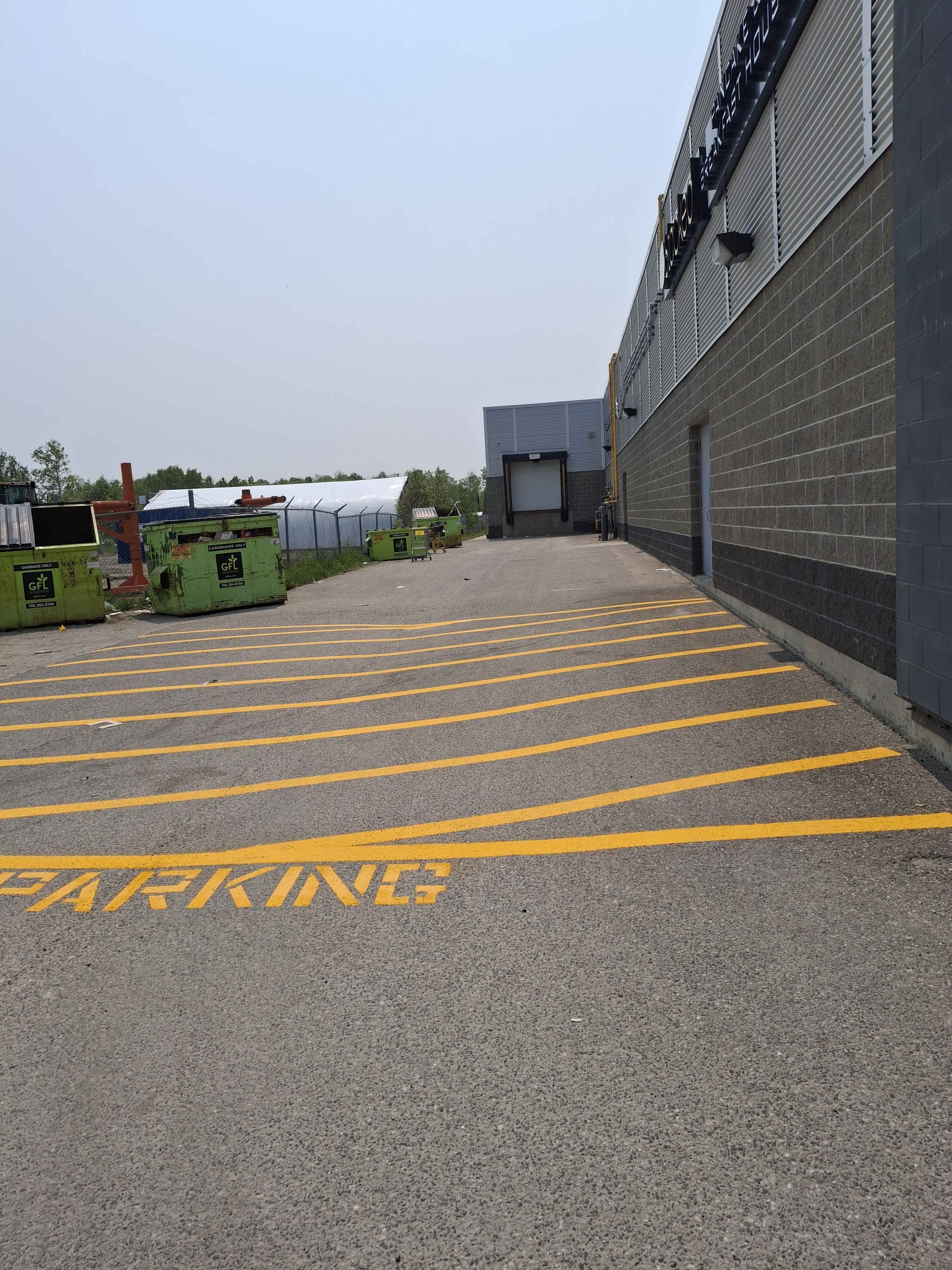
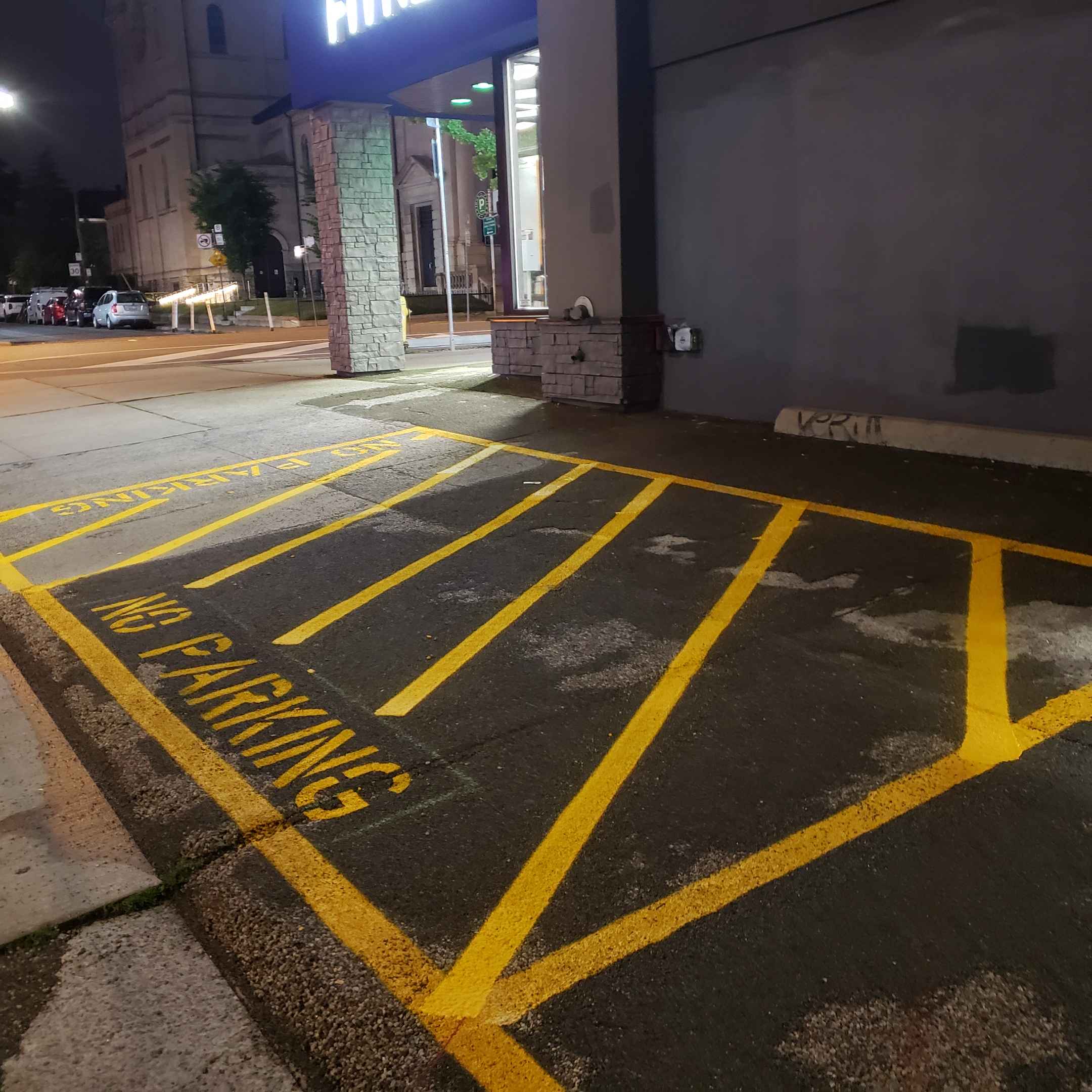
A dark, freshly sealcoated surface provides the perfect high-contrast background for crisp, bright Line Marking. This combination not only looks professional but ensures that drivers can clearly see parking stalls, pedestrian crossings, and directional arrows, reducing the risk of accidents on your property.
Visualizing the Difference
Professional Finish
Conclusion
Don't wait for cracks to appear before taking action. By the time you see significant crumbling, the damage from UV and oxidation is already deep within the pavement. Regular sealcoating is the most cost-effective way to preserve your asphalt's structural integrity and aesthetic value.
Whether you need protection from the elements or fresh Line Painting to revitalize your lot, our team is ready to help. Protect your investment today.