How Small Cracks Can Turn into Major Asphalt Failures
Understanding the lifecycle of pavement deterioration and why early intervention is your best defense against costly reconstruction.
To the untrained eye, a hairline crack in a parking lot might seem like a cosmetic issue—something that can be ignored for another season. However, in the world of pavement management, these small fissures are the early warning signs of a much larger structural problem. For property owners in Burlington, one of Ontario's top 30 cities, the local climate can accelerate this process far faster than you might expect.
At Capital Parking Lot Line Painting, we see firsthand how neglecting these minor imperfections leads to a domino effect of damage. What begins as a simple surface crack can quickly evolve into potholes, alligator cracking, and eventually, a complete failure of the asphalt base.
The Science of Pavement Decay: Why Cracks Grow
Asphalt is a flexible pavement, designed to distribute loads and withstand environmental changes. However, it is not invincible. Several key factors contribute to the expansion of small cracks:
1. The Freeze-Thaw Cycle
In regions like Burlington, the weather undergoes dramatic shifts. When water enters a small crack, it seeps down into the sub-base. As temperatures drop, that water freezes and expands, exerting immense internal pressure on the asphalt. When it thaws, it leaves behind a void, making the structure even weaker. This cycle repeats dozens of times a year, widening the crack with every iteration.
2. Oxidation and UV Exposure
Sunlight is a silent killer of asphalt. Ultraviolet (UV) rays cause oxidation, a chemical process that strips the oils from the bitumen (the "glue" that holds the rocks together). As the asphalt oxidizes, it becomes brittle. Brittle asphalt cannot flex under the weight of vehicles, leading to surface cracking that invites even more moisture into the system.
3. Water Infiltration and Sub-base Erosion
Once a crack is wide enough to allow significant water flow, the problem shifts from a surface issue to a structural one. Water begins to wash away the fine particles in the sub-base. Without a solid foundation, the asphalt loses its support, leading to the dreaded "alligator cracking" pattern that signals imminent failure.
Common Signs of Asphalt Distress
Keep an eye out for these indicators to determine if your property needs professional attention:
- Hairline Cracks: Thin, single lines that appear on the surface.
- Transverse Cracks: Cracks that run perpendicular to the direction of travel.
- Longitudinal Cracks: Cracks that run parallel to the direction of travel.
- Alligator Cracking: Interconnected cracks that look like reptile skin; a sign of deep structural failure.
- Potholes: The final stage of localized failure where the surface has completely collapsed.
Proactive Maintenance: The Smart Path Forward
The most effective way to manage your asphalt is to stop the damage before it starts. This involves a multi-pronged approach to maintenance. While many focus solely on the surface, Capital Parking Lot Line Painting recommends a holistic view of your pavement's health.
Crack Sealing and Filling
The single most important step in preventing major failure is crack sealing. By filling cracks with a flexible, rubberized sealant, you create a waterproof barrier that prevents the freeze-thaw cycle from taking hold. This is a low-effort, high-reward strategy that extends the life of your pavement by years.
Sealcoating
Sealcoating provides a protective layer that shields the asphalt from UV oxidation and chemical spills. It also rejuvenates the surface, making it look brand new and improving the visibility of your markings.
Line Marking and Safety
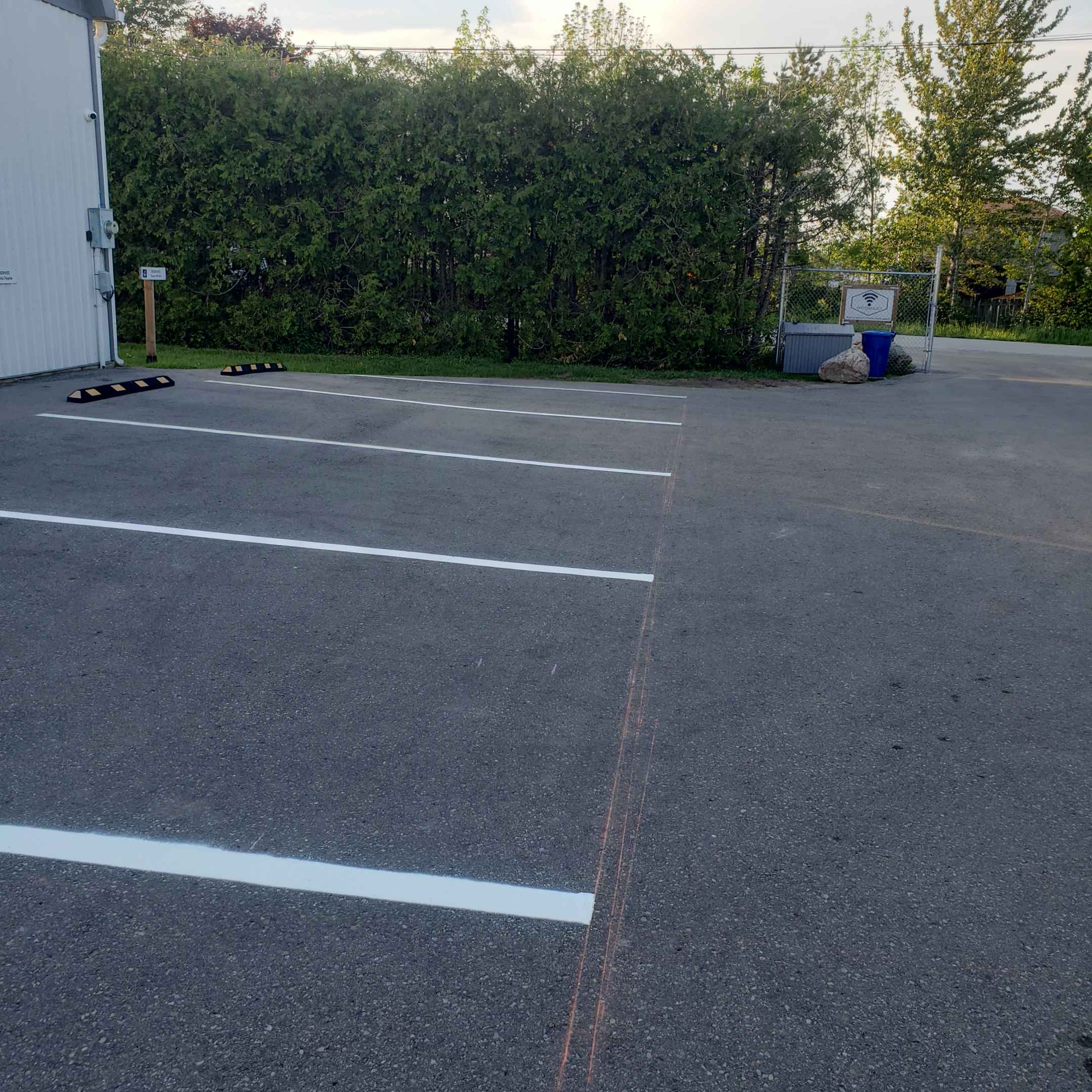
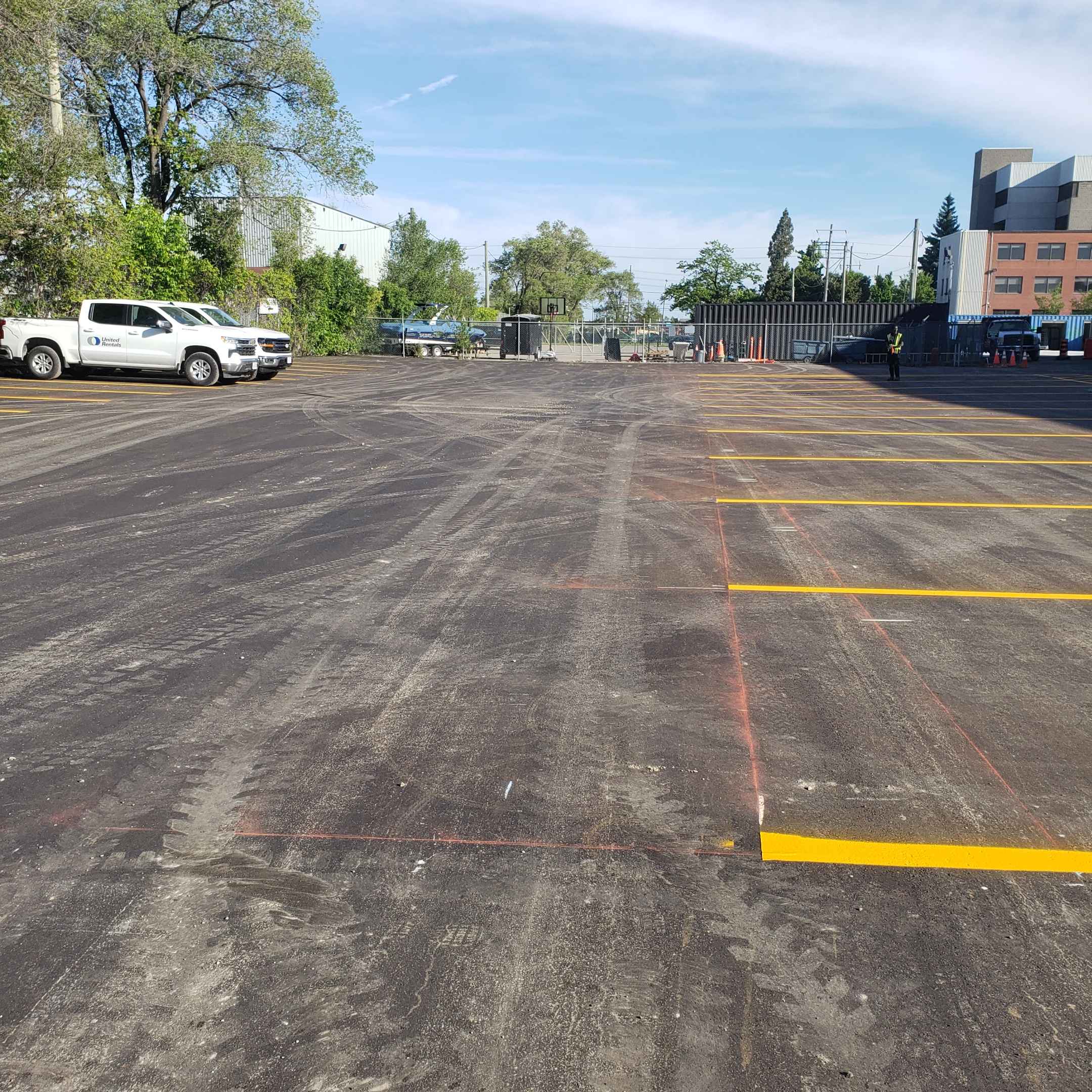
A well-maintained parking lot isn't just about the asphalt; it's about usability. Professional Line Marking ensures that traffic flow is organized, parking stalls are clearly defined, and safety regulations are met. When you combine fresh sealcoating with high-quality Line Painting, you transform a neglected lot into a professional-looking asset.
Don't Wait for the Potholes to Appear
By the time you see a pothole, the damage is already done. Early detection and regular maintenance are the keys to protecting your investment.
Trust the experts at Capital Parking Lot Line Painting to evaluate your property and provide the maintenance solutions required to keep your asphalt in peak condition.