How Small Cracks Can Turn into Major Asphalt Failures
The lifecycle of an asphalt surface is a race against time, weather, and neglect. What starts as a hairline fracture today can become a structural catastrophe tomorrow.
The Deceptive Nature of Asphalt Cracking
To the untrained eye, a small crack in a parking lot might seem like a cosmetic nuisance rather than a structural emergency. However, in the world of pavement management, these tiny fissures are the early warning signs of a much larger problem. Asphalt is a flexible pavement, designed to withstand heavy loads and temperature fluctuations, but it is not invincible.
When a crack forms, it breaks the protective seal of the asphalt surface. This allows water to penetrate the sub-base layers. Once moisture enters the foundation of your parking lot, the integrity of the entire structure is compromised. For property owners in Guelph, understanding this process is the first step toward effective asset management.
The Domino Effect: From Fissures to Potholes
The transition from a minor crack to a major failure typically follows a predictable, destructive pattern. This process is often accelerated by environmental factors and heavy vehicle traffic.
1. Water Infiltration and the Freeze-Thaw Cycle
In regions like Ontario, the freeze-thaw cycle is the greatest enemy of asphalt. When water enters a crack and freezes, it expands. This expansion exerts immense pressure on the surrounding asphalt, widening the crack further. When the ice melts, it leaves a void, making the surface even more unstable.
2. Sub-Base Erosion
As water continues to seep into the ground, it washes away the fine particles that make up the sub-base. Without a solid foundation, the asphalt above begins to lose its support, leading to depressions and uneven surfaces.
3. Structural Failure and Potholes
Once the sub-base is compromised, the weight of vehicles causes the asphalt to collapse into the voids created by erosion. This is how a simple crack evolves into a dangerous pothole, creating liability issues and vehicle damage.
Common Mistakes in Asphalt Maintenance
- Ignoring Hairline Cracks: Thinking they are "too small to matter" is the most common mistake.
- Delayed Sealcoating: Waiting too long to apply a protective layer allows oxidation to weaken the binder.
- DIY Patching: Using improper materials that do not bond correctly with the existing asphalt.
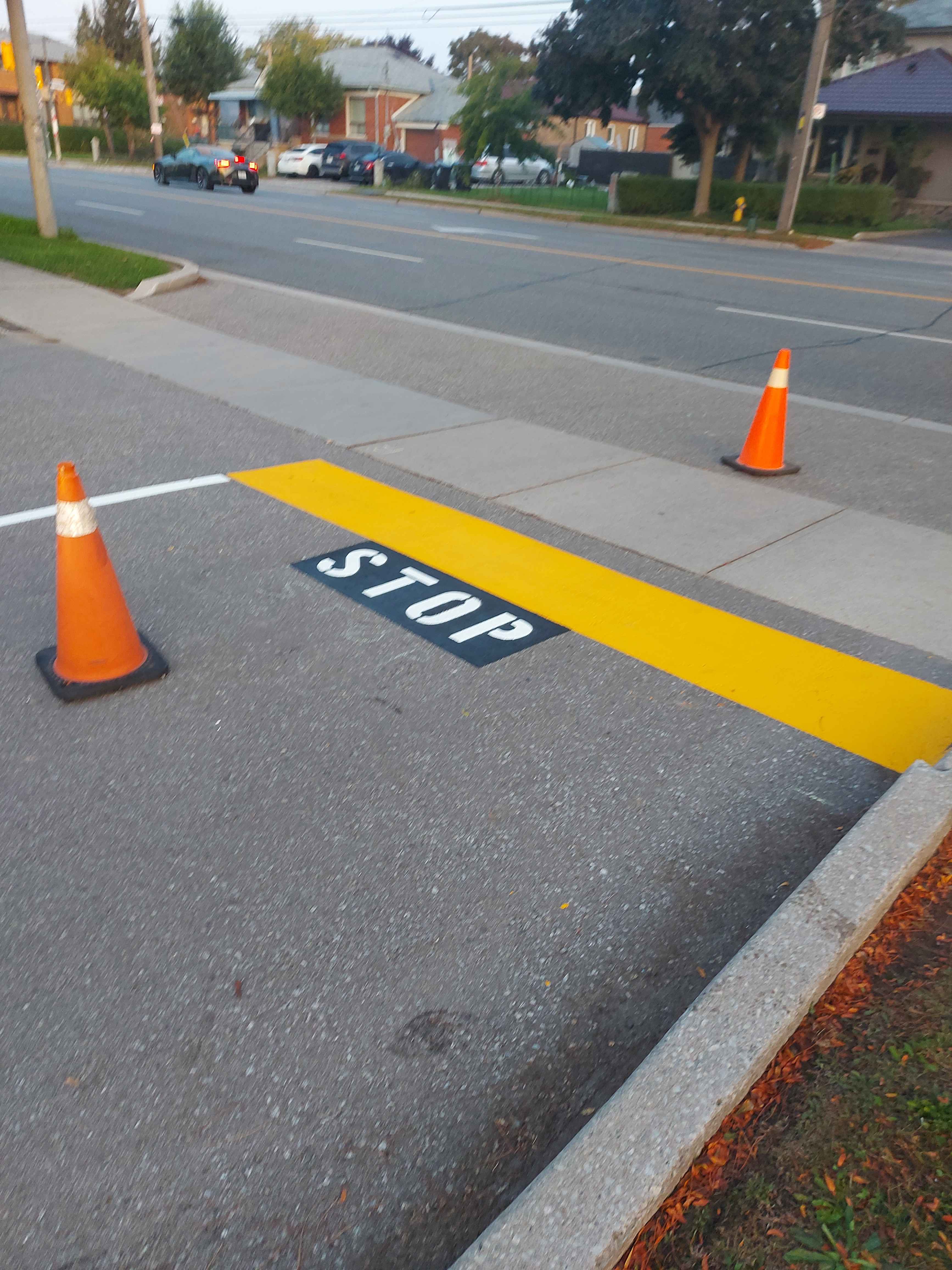
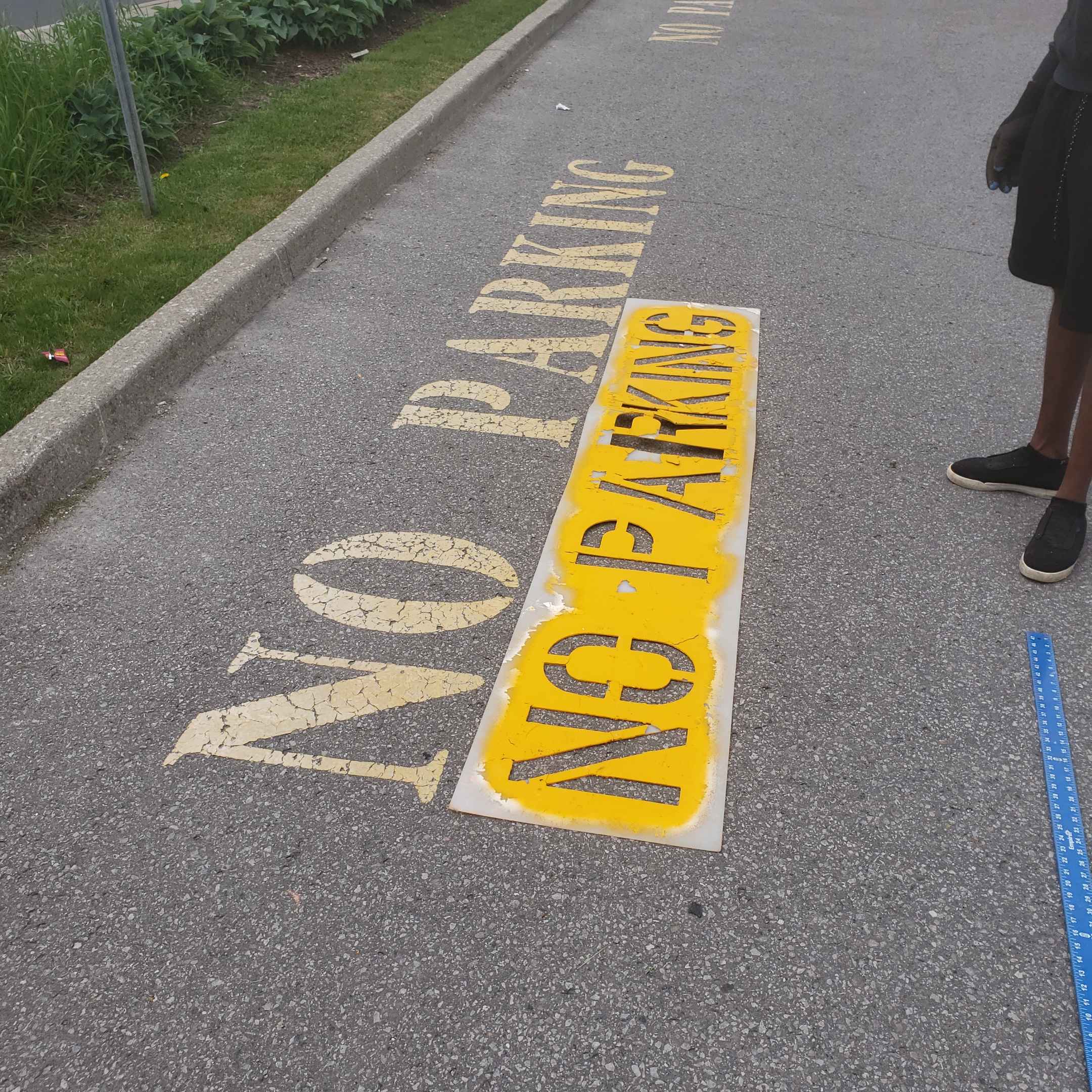
- Neglecting Line Marking: Failing to maintain clear Line Marking can lead to traffic confusion and accidents, compounding the physical damage to the lot.
- Overlooking Drainage: Not ensuring water flows away from the asphalt surfaces.
Proactive Solutions with Capital Parking Lot Line Painting
The best way to avoid a total repaving project is through consistent, professional maintenance. At Capital Parking Lot Line Painting, we specialize in identifying these vulnerabilities before they become expensive disasters. By employing professional crack sealing techniques, we prevent water from reaching the sub-base, effectively resetting the clock on your pavement's lifespan.
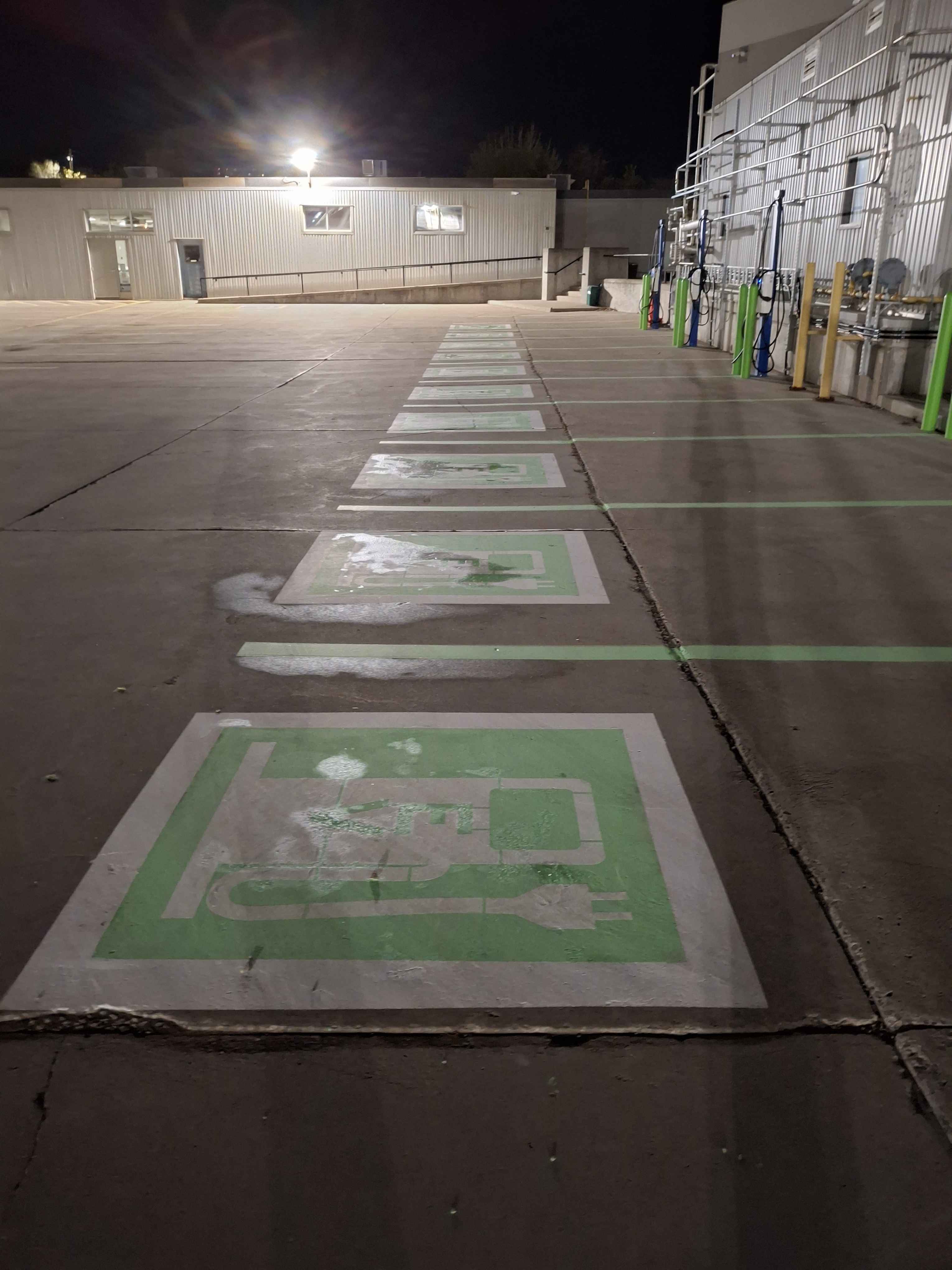
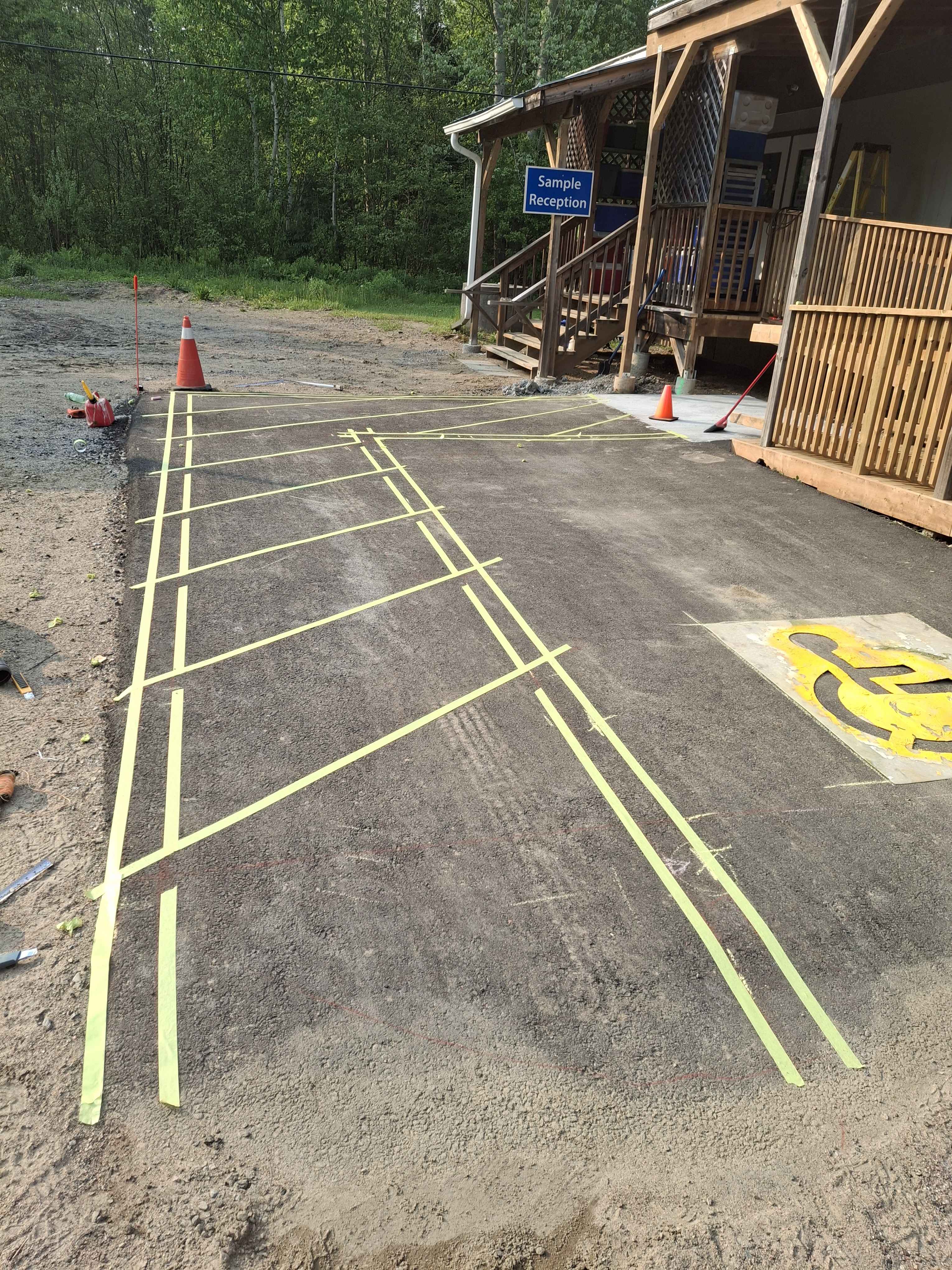
Furthermore, a well-maintained lot isn't just about the surface; it's about organization. Regular Line Painting ensures that traffic flow is optimized, reducing the unnecessary stress on certain sections of the asphalt caused by improper turning or vehicle positioning.
Why Professional Maintenance Matters in Guelph
As a top 30 city in Ontario, Guelph experiences significant seasonal shifts that demand high-quality pavement care. Commercial properties in this area face heavy usage and harsh winters, making proactive care a necessity rather than a luxury. Capital Parking Lot Line Painting understands the local climate challenges and provides tailored solutions to keep your asphalt resilient.
When you choose to work with Capital Parking Lot Line Painting, you aren't just fixing a crack; you are investing in the long-term value of your property. From precision Line Marking to comprehensive surface protection, our goal is to extend the life of your investment.