How Small Cracks Can Turn into Major Asphalt Failures
Understanding the progression of pavement deterioration and why early intervention is your best defense against costly reconstruction.
To the untrained eye, a thin hairline crack in a parking lot might seem like a cosmetic nuisance—something that can be ignored for another season. However, in the world of pavement management, these small fissures are the early warning signals of impending structural failure. For property owners in Mississauga, a top 30 city in Ontario with varying weather patterns, ignoring these signs can lead to a rapid descent from minor repairs to total asphalt replacement.
At Capital Parking Lot Line Painting, we see firsthand how neglect transforms manageable issues into massive headaches. Understanding the science of how asphalt fails is the first step toward protecting your investment.
The Anatomy of Asphalt Failure
Asphalt is a flexible pavement, meaning it is designed to move slightly under the weight of vehicles and temperature changes. However, this flexibility has limits. When the integrity of the asphalt surface is breached, several destructive processes begin simultaneously.
1. The Water Infiltration Cycle
Water is the primary enemy of asphalt. When a crack forms, it creates a direct pathway for moisture to penetrate the sub-base layers. In a climate like Ontario's, this is particularly dangerous due to the freeze-thaw cycle. Water enters the crack, freezes, and expands, exerting immense pressure from within the pavement. This process, known as frost heave, widens the crack and pushes the underlying soil upward, creating more significant voids.
2. Oxidation and UV Damage
Asphalt is held together by a bitumen binder. Over time, exposure to oxygen and ultraviolet (UV) rays from the sun causes the bitumen to become brittle. This process, called oxidation, makes the asphalt lose its ability to flex. As the surface becomes brittle, it develops "alligator cracking"—a pattern of interconnected cracks that looks like reptile skin. Once you reach this stage, the structural integrity of the pavement is severely compromised.
Common Signs of Pavement Distress
Keep a close eye on your lot for these specific indicators:
- Hairline Cracks: Thin, single lines that indicate early oxidation or minor shifting.
- Transverse Cracks: Cracks that run perpendicular to the direction of travel, often caused by temperature changes.
- Longitudinal Cracks: Cracks that run parallel to the direction of travel, often indicating sub-base issues.
- Alligator Cracking: Small, interconnected cracks that signal a failing base layer.
- Potholes: The final stage of failure where chunks of asphalt have completely broken away.
The Domino Effect: From Cracks to Potholes
The progression of asphalt failure is rarely linear; it is exponential. Once a crack allows water to reach the sub-base, the soil begins to erode or shift. This creates hollow pockets beneath the asphalt. When a heavy vehicle drives over these hollow spots, the asphalt—now unsupported—snaps under the weight. This is how a simple crack evolves into a pothole.
Furthermore, as the surface degrades, the visual appeal of your property vanishes. A cracked, pothole-ridden lot suggests a lack of maintenance, which can negatively impact customer perception. This is why Capital Parking Lot Line Painting emphasizes a holistic approach to maintenance, combining structural repairs with high-quality Line Marking to ensure your property looks professional and stays safe.
Proactive Maintenance Strategies
The most cost-effective way to manage a parking lot in Mississauga is to act before the damage becomes visible to the average driver. A proactive maintenance schedule can extend the life of your asphalt by years, if not decades.
Crack Sealing
Filling cracks with specialized rubberized sealant prevents water from entering the sub-base. This is the single most important step in preventing the freeze-thaw cycle from destroying your pavement.
Sealcoating
Applying a protective sealcoat acts as a "sunscreen" for your asphalt, slowing down the oxidation process and protecting the bitumen binder from UV damage.
Line Marking and Safety Updates
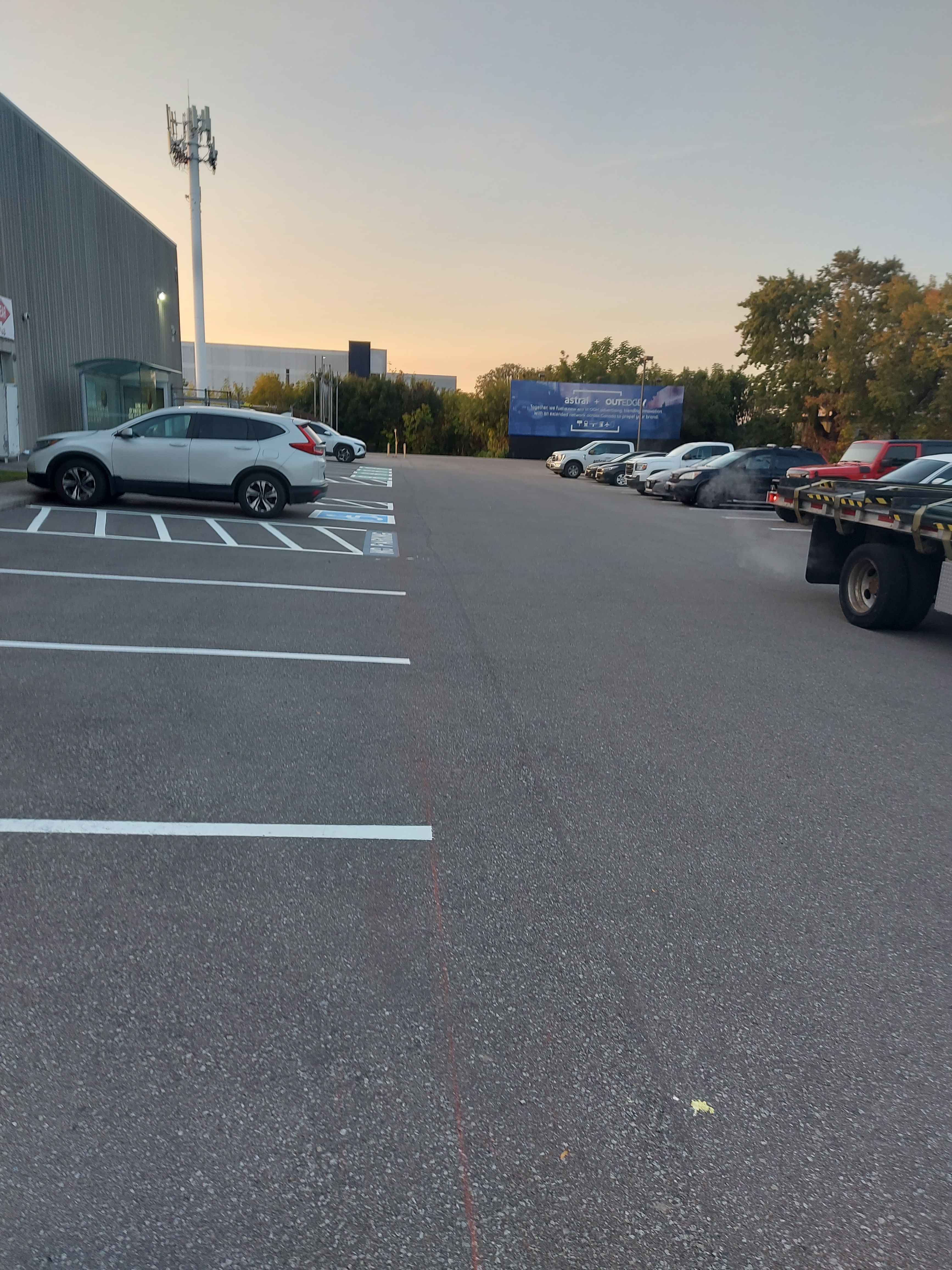
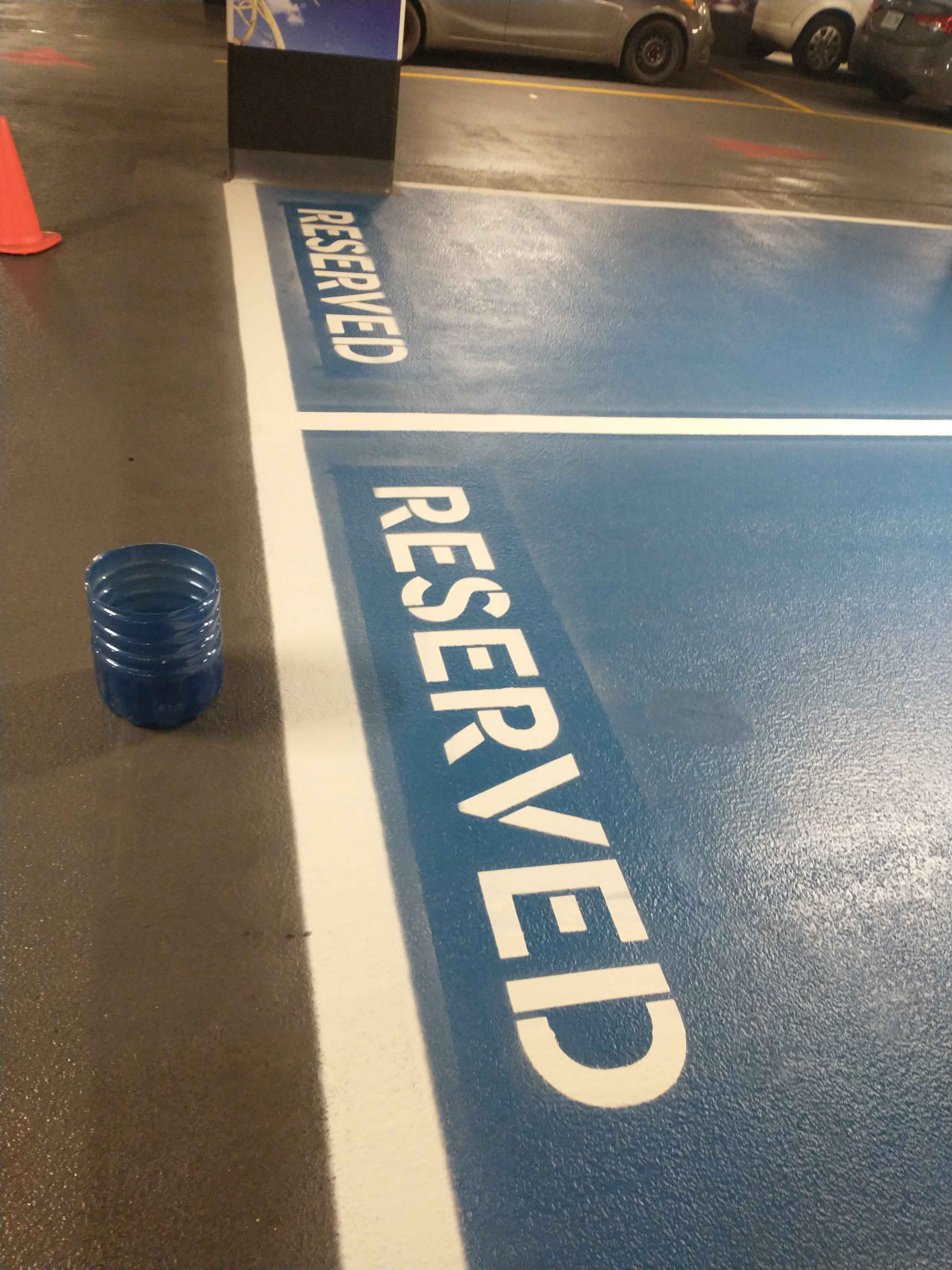
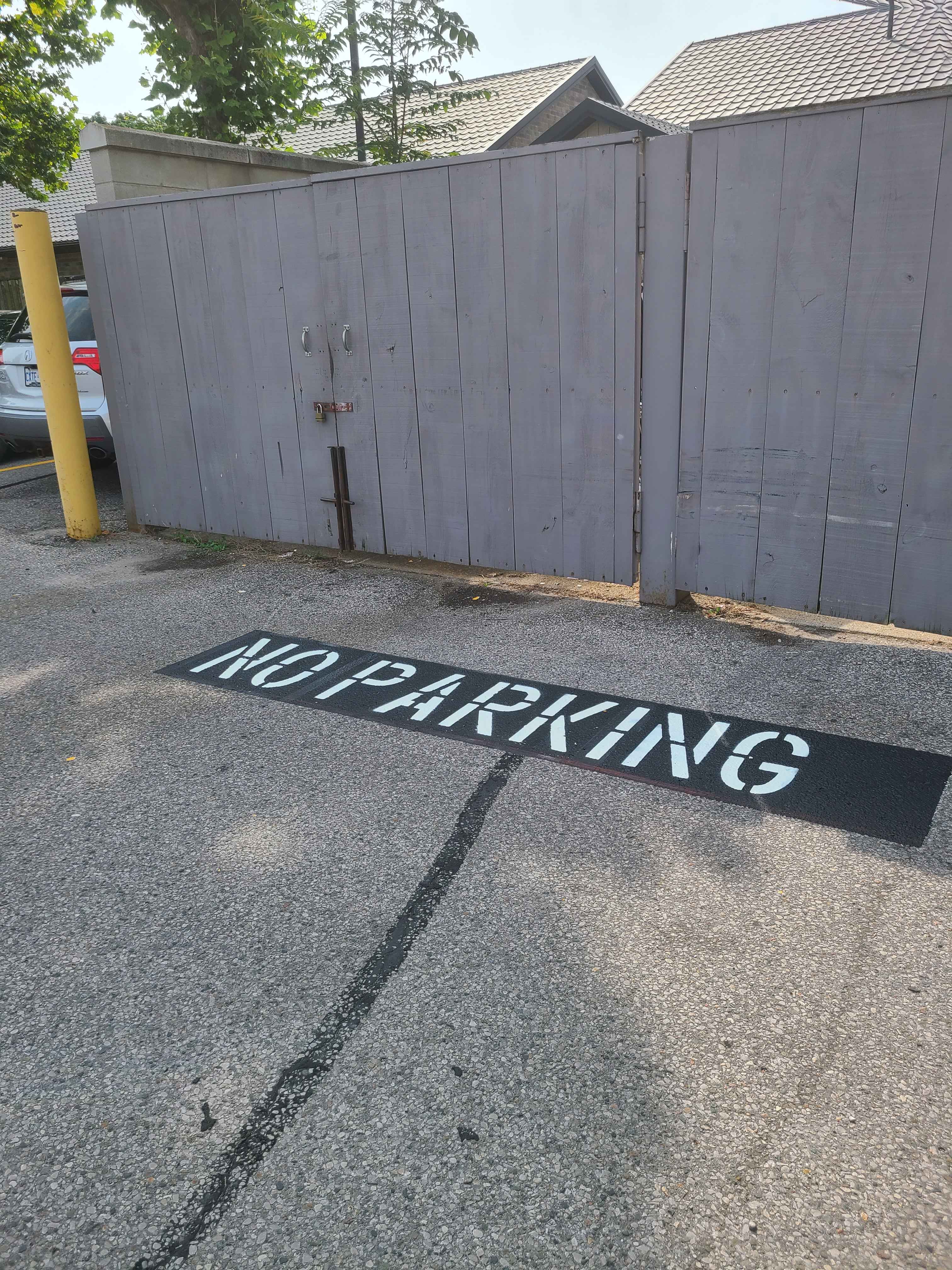
As part of your maintenance routine, refreshing your Line Painting is essential. Clear, bright lines ensure traffic flows correctly, reducing the risk of vehicle collisions and accidents within your lot. Capital Parking Lot Line Painting specializes in ensuring your markings are crisp, durable, and compliant with safety standards.
Don't Wait for the Failure
Small cracks today lead to massive expenses tomorrow. Contact Capital Parking Lot Line Painting for a professional assessment of your asphalt health.