How Small Cracks Can Turn into Major Asphalt Failures
Understanding the lifecycle of asphalt degradation and the importance of early intervention.
To the untrained eye, a thin, hairline crack in a parking lot might look like a minor cosmetic issue. You might walk over it every day without a second thought, assuming the pavement is perfectly fine. However, in the world of pavement management, those tiny fissures are much more than just visual imperfections. They are the early warning signs of structural compromise.
At Capital Parking Lot Line Painting, we have seen firsthand how a neglected crack can evolve from a minor nuisance into a massive pothole that threatens the safety of vehicles and pedestrians alike. Understanding this progression is the first step toward effective asset management.
The Science of Degradation: Why Cracks Happen
Asphalt is a flexible pavement, meaning it is designed to move slightly under the weight of traffic and changes in temperature. However, this flexibility has its limits. Several factors contribute to the initial formation of cracks:
1. Thermal Expansion and Contraction
In regions like Sarnia, where seasonal temperature swings can be dramatic, asphalt undergoes constant stress. As the sun heats the surface, the material expands; as temperatures drop at night or during winter, it contracts. Over time, this repetitive movement creates fatigue, leading to thermal cracking.
2. Oxidation
Asphalt is held together by a binder known as bitumen. Exposure to UV rays from the sun causes oxidation, which makes the bitumen brittle. Once the surface loses its elasticity, it can no longer absorb the stress of traffic, resulting in surface cracks.
3. Structural Loading
Heavy vehicles, such as delivery trucks or garbage trucks, exert immense pressure on the pavement. If the subgrade (the soil beneath the asphalt) is not perfectly stable, these loads will cause the asphalt to flex beyond its capacity, creating cracks.
The Domino Effect: From Crack to Pothole
Once a crack has formed, the clock starts ticking. The primary enemy of your asphalt is water. When rain or melting snow enters a crack, it begins a destructive cycle:
- Water Infiltration: Water seeps deep into the base layers of the pavement, weakening the foundation.
- Freeze-Thaw Cycles: In Ontario, water trapped in cracks freezes and expands, exerting massive upward pressure that widens the crack.
- Subgrade Erosion: As water moves through the base, it carries away fine particles, creating hollow voids beneath the surface.
- Structural Collapse: When a vehicle drives over a hollowed-out section, the asphalt collapses into the void, creating a pothole.
The Hidden Costs of Neglect
Many property owners delay maintenance to save money in the short term, but this often leads to a much higher financial burden later. A simple crack sealing job is a fraction of the cost of a full asphalt overlay or complete reconstruction. When you ignore the small things, you aren't just risking your pavement; you are risking your liability.
A damaged parking lot can lead to trip-and-fall accidents, vehicle damage claims, and a diminished professional appearance. This is why Capital Parking Lot Line Painting emphasizes proactive maintenance strategies for businesses in Sarnia and surrounding areas.
How to Protect Your Investment
Maintaining a high-quality parking lot requires a multi-faceted approach. It isn't just about fixing holes; it's about keeping the entire surface functional and visible.
Routine Inspection and Crack Sealing
Regularly walking your lot to identify new cracks allows you to seal them before water can penetrate the base. This is the most cost-effective way to extend the life of your asphalt.
Refresh Your Markings
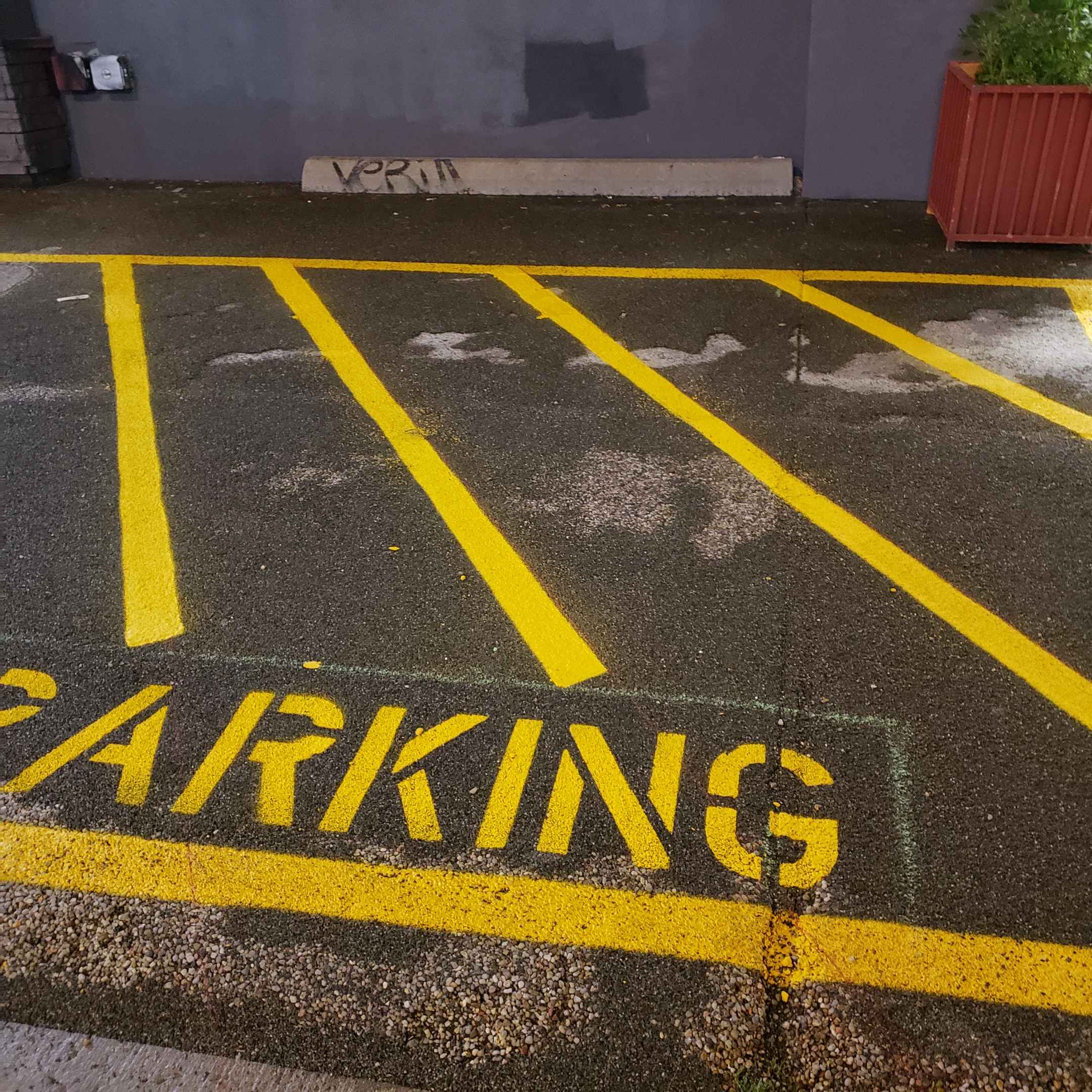
Visibility is just as important as structural integrity. Faded lines can lead to confusion and accidents. Utilizing professional Line Painting services ensures that your parking stalls, fire lanes, and pedestrian crossings are clear and compliant with local regulations.
Professional Consultation
Working with experts like Capital Parking Lot Line Painting ensures that the materials used are appropriate for your specific pavement type and environmental conditions.
Don't Wait for the Breakdown
Prevention is always better (and cheaper) than a cure. By addressing minor issues today, you ensure a safer, more durable, and more attractive property for years to come.