How to Add Directional Arrows and Text to Your Parking Lot
A well-organized parking lot is more than just a place to park cars; it is a critical component of your property's infrastructure that dictates safety, efficiency, and professional appearance.
The Importance of Visual Communication in Parking Areas
When drivers enter a commercial property, they are often looking for quick directions. Whether they are looking for a specific entrance, a handicapped stall, or a one-way exit, clear visual cues are essential. This is where professional line marking becomes an indispensable tool for property managers and business owners.
In high-traffic areas like Niagara Falls, where tourism and local commerce create constant movement, the need for precise directional guidance cannot be overstated. Without clear arrows and text, drivers become confused, leading to congestion, minor collisions, and frustrated customers. By partnering with experts like Capital Parking Lot Line Painting, you ensure that your lot is not just painted, but strategically designed for optimal flow.
Types of Directional Markings and Their Uses
Not all markings serve the same purpose. To create a functional environment, you must utilize a variety of symbols and text applications.
1. Directional Arrows
Arrows are the primary method for controlling the movement of vehicles. They should be placed at decision points, such as intersections within the lot or near exits. Arrows help prevent head-on collisions in one-way lanes and ensure that traffic moves in a predictable pattern.
2. Regulatory Text
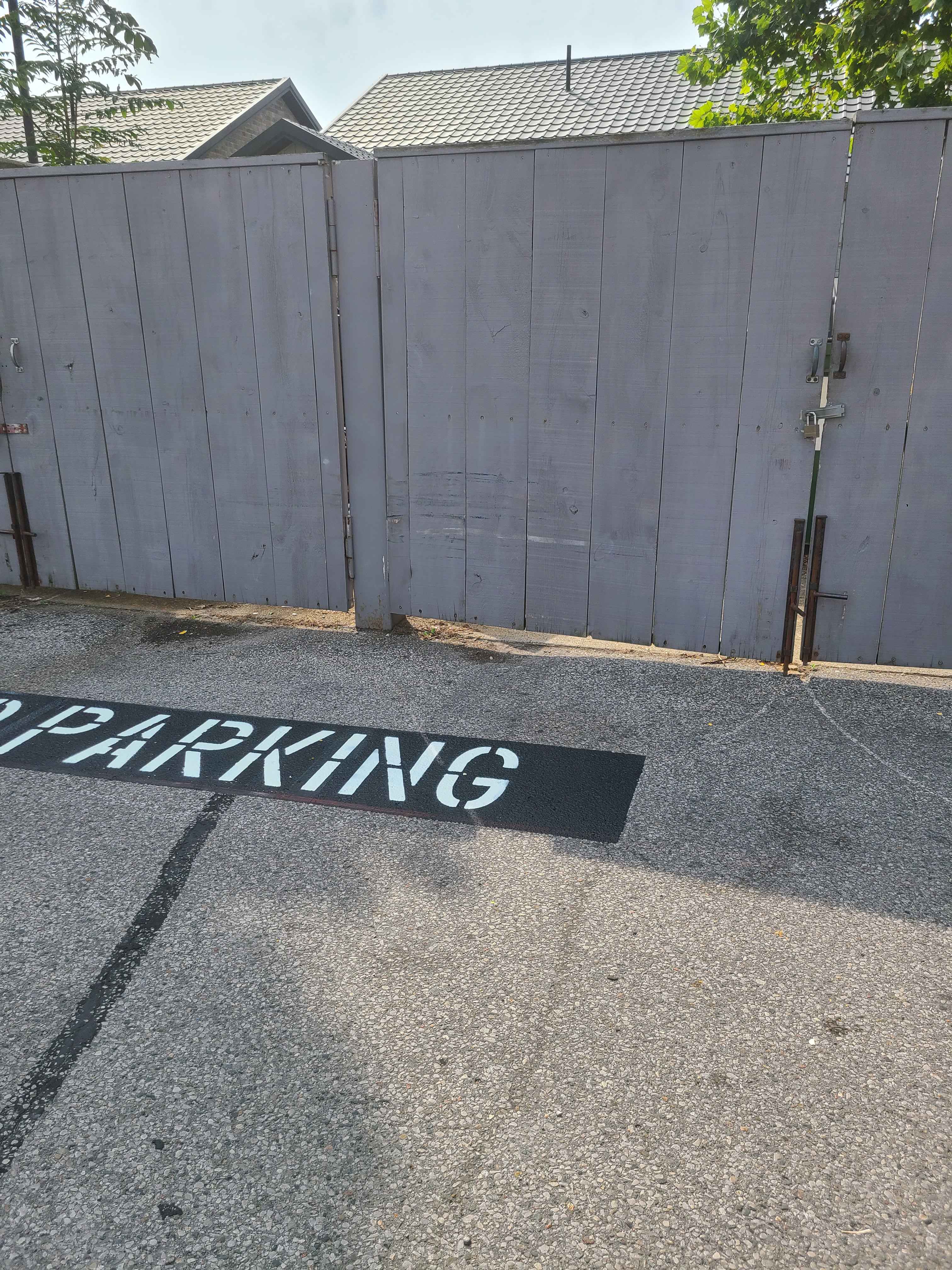
Text markings like "STOP," "ONE WAY," "NO PARKING," and "FIRE LANE" provide the legal and operational framework for your lot. These markings are crucial for liability protection. If a vehicle is parked in a fire lane, having that text clearly applied via professional line painting ensures that you have met the necessary safety standards.
3. Special Designation Markings
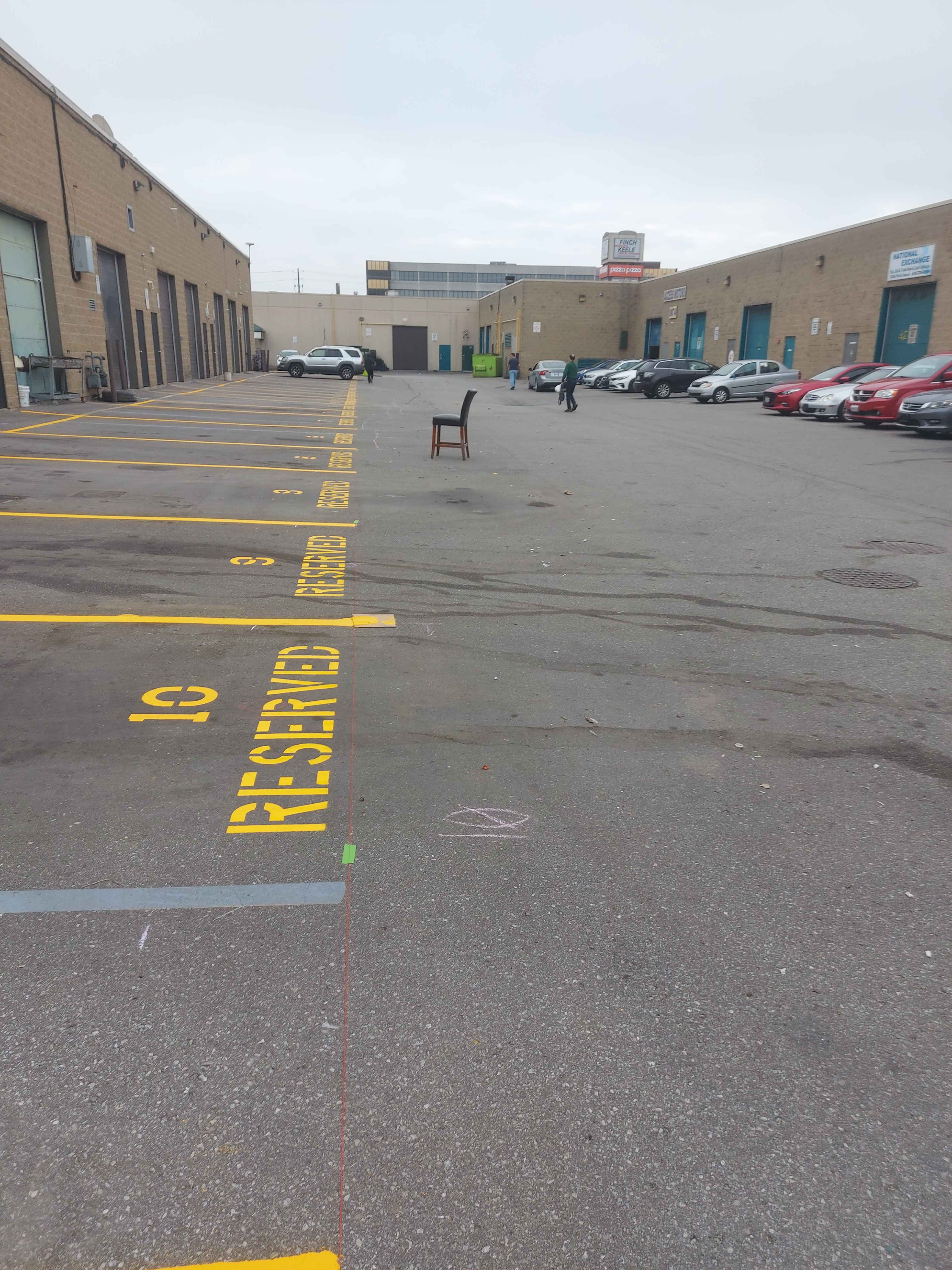
Text such as "RESERVED" or "VISITOR" helps manage specific zones, ensuring that high-priority spaces are available for the right people at the right time.
The Benefits of Professional Line Marking
While it might be tempting to attempt DIY markings, the results often lack the durability and visibility required for commercial use. Here are the primary benefits of hiring a professional service:
- Enhanced Safety: Clearly marked paths reduce the likelihood of accidents involving both vehicles and pedestrians.
- Optimized Traffic Flow: Proper arrow placement prevents bottlenecks and keeps vehicles moving smoothly.
- Increased Property Value: A clean, well-marked lot provides a great first impression to clients and customers.
- Legal Compliance: Ensuring that accessibility and fire safety markings meet local regulations in cities like Niagara Falls.
- Durability: Professional-grade materials used by Capital Parking Lot Line Painting withstand heavy weather and constant tire friction.
Common Mistakes to Avoid
When planning your next line marking project, avoid these common pitfalls that can lead to wasted resources and safety hazards:
Inconsistent Placement: Placing arrows too close together or too far apart can confuse drivers rather than guide them.
Poor Contrast: Using colors that blend into the asphalt makes markings nearly invisible, especially at night or during rain.
To avoid these issues, always consult with a specialist. Capital Parking Lot Line Painting offers the expertise needed to map out a layout that works for your specific lot dimensions and traffic patterns.
Quick Summary Reference
Key Takeaway: Directional arrows and text are the "signage" of the pavement. They guide the eyes and the wheels, ensuring your property remains safe, compliant, and professional. Don't leave your traffic management to chance—invest in quality line marking.
Conclusion
Adding directional arrows and text is a strategic investment in your property's operational efficiency. From improving the customer experience to mitigating legal risks, the impact of clear line marking is profound. Whether you manage a small retail lot or a massive commercial complex, prioritizing these visual cues is a hallmark of excellent property management.