How to Design Parking Lot Layouts That Maximize Capacity
Maximizing every square inch of your asphalt is the key to increasing customer turnover and property value.
For property owners and developers, a parking lot is more than just a slab of asphalt; it is a critical component of the customer experience and operational efficiency. Whether you are managing a retail complex in a bustling area or a private facility in Cambridge, the way your stalls, aisles, and access points are arranged can make or break your capacity. A poorly designed lot leads to congestion, wasted space, and frustrated drivers, while an optimized layout can significantly increase the number of vehicles you can accommodate simultaneously.
To achieve true efficiency, you must look beyond simple rows of rectangles. It requires a mathematical approach to geometry, traffic flow, and professional line marking to ensure that every inch is utilized correctly. At Capital Parking Lot Line Painting, we specialize in helping businesses transform their underutilized spaces into high-performance parking environments.
1. Choosing the Right Stall Angle
One of the most significant decisions in the design phase is determining the angle of the parking stalls. This choice dictates how much space is required for the drive aisles and how many cars can fit in a given row.
90-Degree Parking
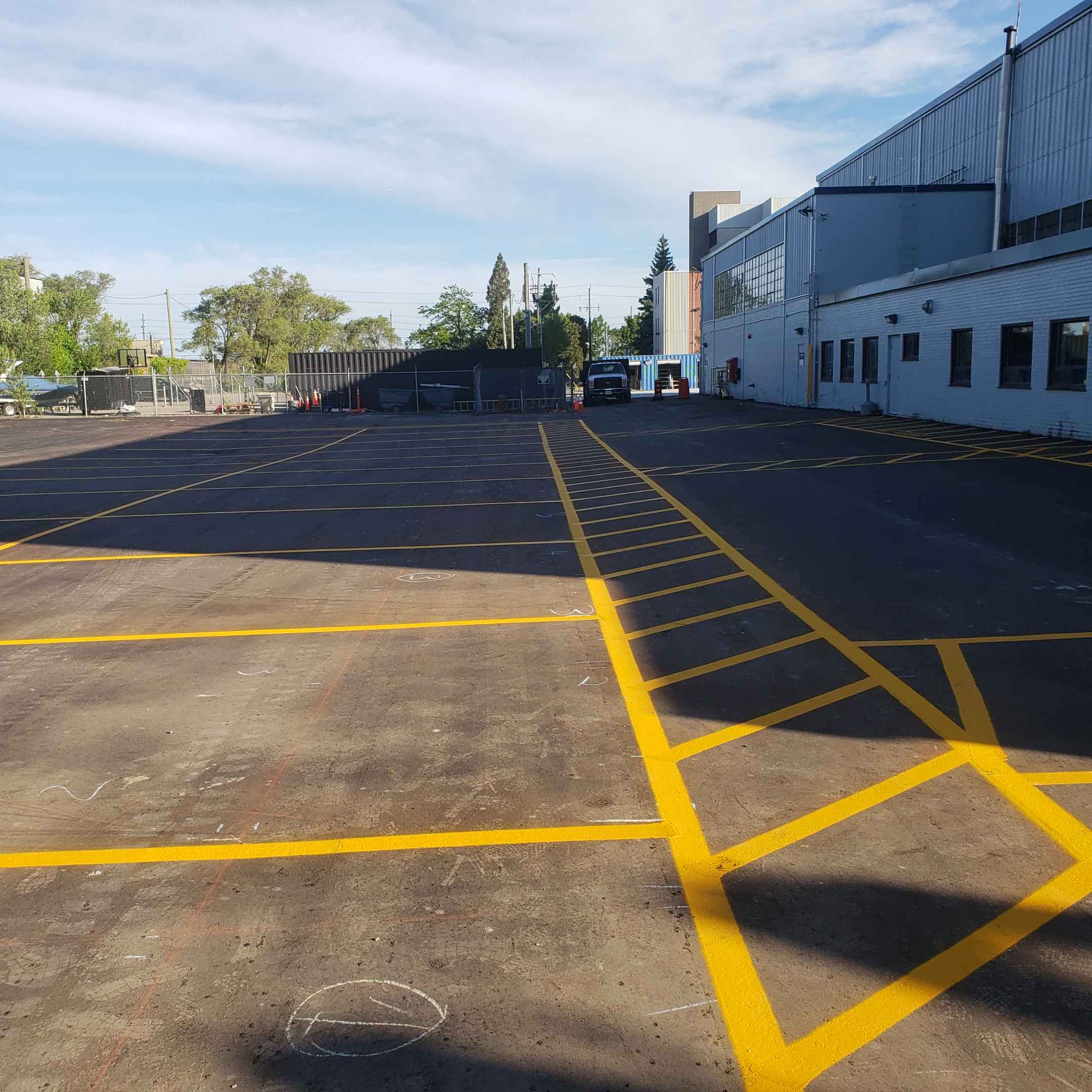
Standard 90-degree parking is the most space-efficient method for maximizing the total number of stalls in a rectangular area. It allows for two-way traffic in the aisles, which is ideal for large lots. However, it requires wider aisles to allow vehicles to turn into the spots comfortably.
Angled Parking (30, 45, or 60 Degrees)
Angled parking is often preferred for smaller lots or one-way aisles. While it may result in fewer total stalls in some configurations, it often improves the ease of entry and exit, which can increase the speed of vehicle turnover. In high-traffic areas of Cambridge, angled parking can reduce the time drivers spend searching for spots, effectively increasing the "perceived" capacity of the lot.
2. Optimating Traffic Flow and Aisle Width
Capacity isn't just about how many cars can sit still; it's about how many cars can move through the system. If your aisles are too narrow, drivers will struggle to maneuver, leading to bottlenecks that make the lot feel full even when it isn't. Conversely, aisles that are too wide waste valuable real estate that could be used for additional stalls.
A professional approach involves calculating the turning radius of standard vehicles to ensure smooth transitions. Once the layout is finalized, precision line painting is essential to define these paths and prevent drivers from encroaching on aisles, which maintains the integrity of your designed capacity.
Common Mistakes to Avoid in Parking Design
Many property managers lose capacity due to oversight during the planning or maintenance phases. Avoid these common pitfalls:
- Ignoring ADA Compliance: Failing to properly allocate space for accessible stalls can lead to legal issues and inefficient flow.
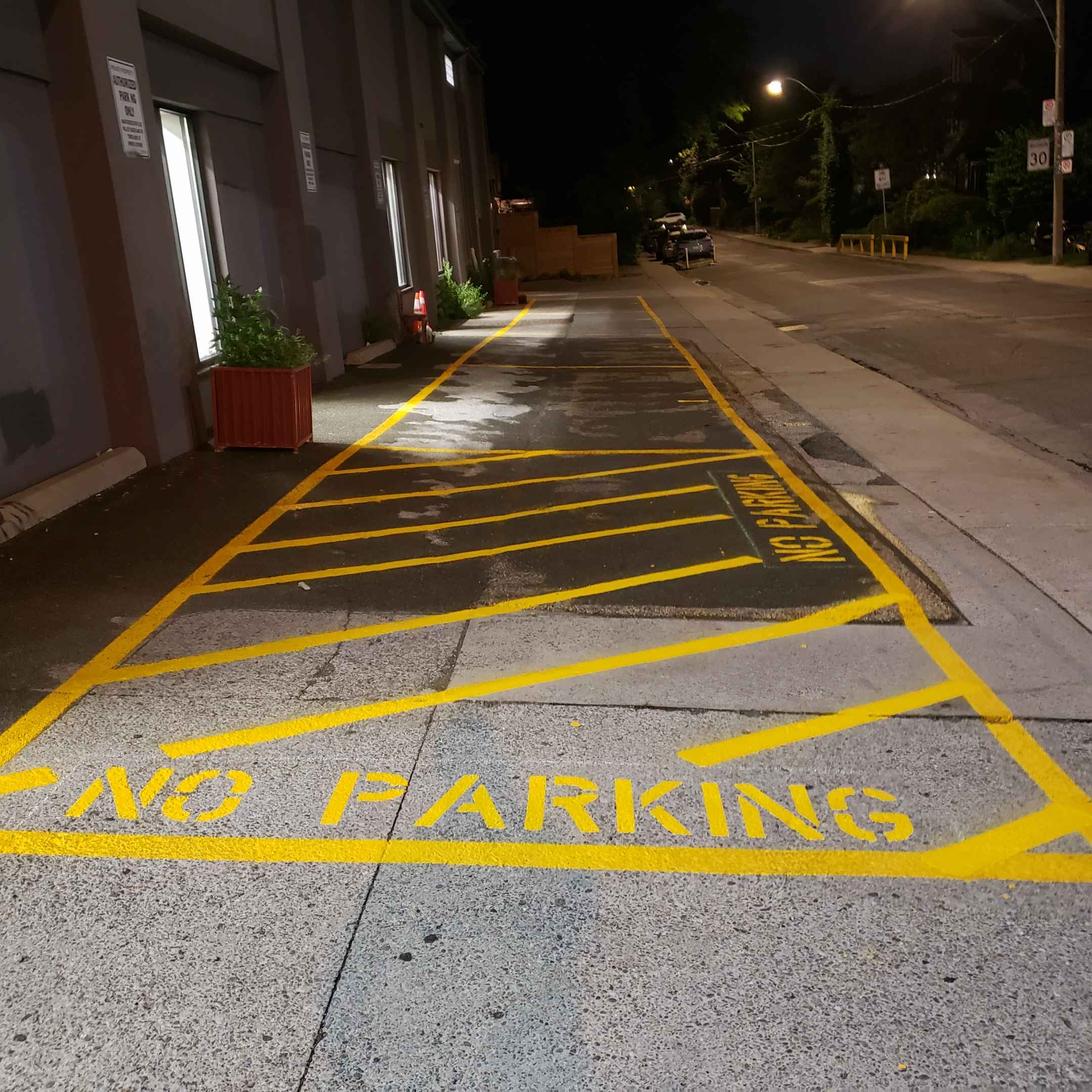
- Poorly Defined Pedestrian Paths: When walkers and drivers compete for the same space, congestion increases.
- Faded Markings: If your line marking is worn out, drivers will park haphazardly, effectively reducing your usable capacity.
- Inadequate Turning Radii: Tight corners cause drivers to swing into adjacent stalls, causing damage and blocking traffic.
3. The Role of Precision Line Marking
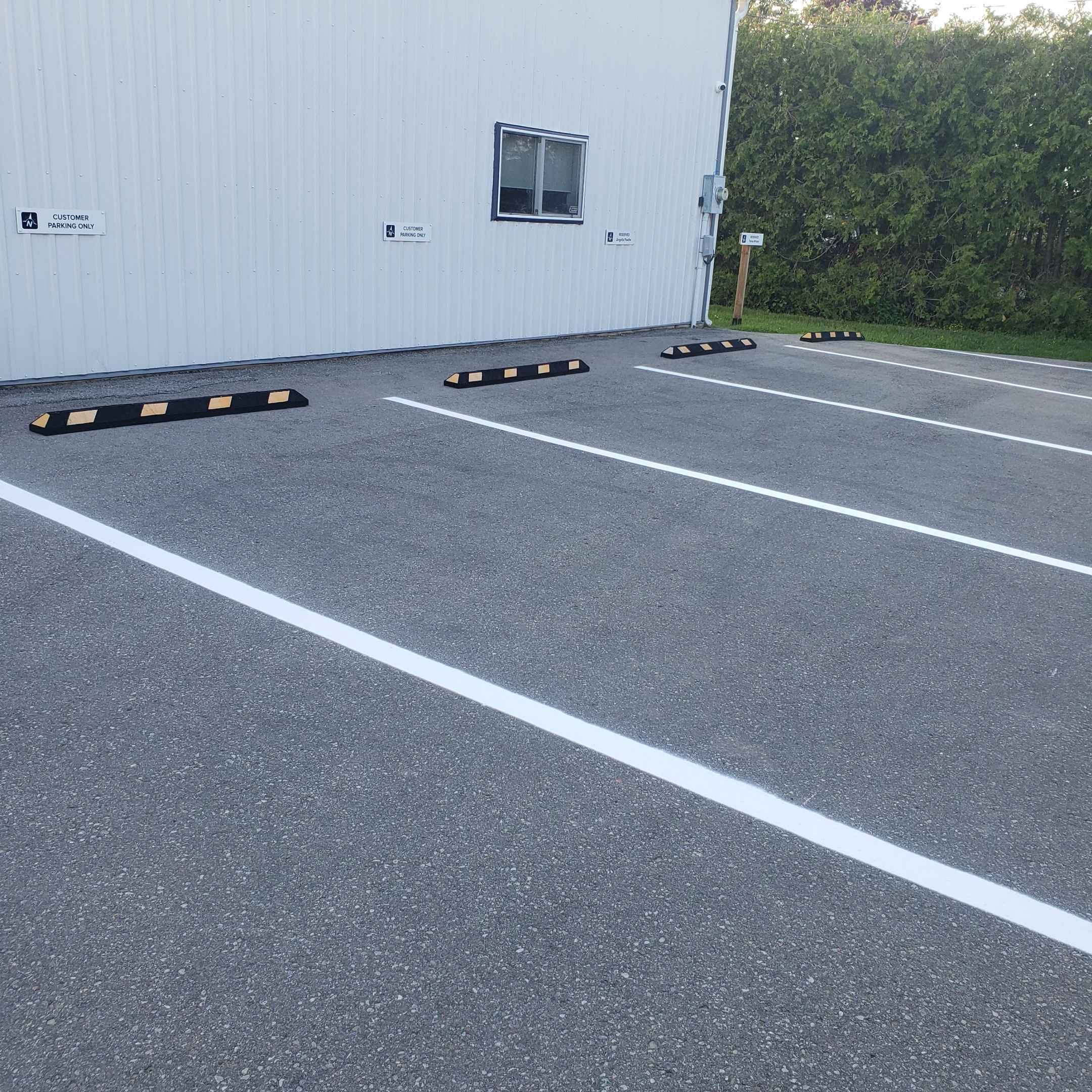
Even the most mathematically perfect layout will fail if the execution is sloppy. This is where Capital Parking Lot Line Painting becomes an invaluable partner. High-visibility, crisp lines guide drivers exactly where they need to be, ensuring that they don't take up two spots or block fire lanes.
Regular maintenance of your markings ensures that the capacity you designed on paper is actually realized on the ground. Fresh line painting acts as a visual cue that keeps order in the chaos of a busy parking facility.
Summary of Capacity Optimization
Maximizing your parking lot requires a blend of strategic geometry, efficient traffic management, and professional maintenance. By focusing on stall angles, aisle widths, and clear line marking, you can ensure your property serves its maximum potential.
For businesses looking to upgrade their facility, Capital Parking Lot Line Painting provides the expertise needed to bring these designs to life.