How to Design Parking Lot Layouts That Maximize Capacity
Maximizing the utility of your asphalt real estate is a critical component of property management and commercial success. A well-designed layout does more than just hold cars; it improves safety, streamlines traffic, and boosts your bottom line.
The Importance of Strategic Layout Design
For business owners in a growing hub like Peterborough, every square meter of parking space counts. Whether you are managing a retail center, a medical complex, or an industrial site, the way your stalls are arranged dictates the customer experience. A cramped, confusing lot leads to driver frustration and potential accidents, while an optimized layout ensures a smooth flow of vehicles.
When planning a layout, you must balance the total number of stalls with the necessary width for drive aisles. Over-packing a lot might seem efficient on paper, but if the aisles are too narrow for vehicles to turn safely, you end up with a chaotic environment that discourages visitors.
Key Factors in Capacity Optimization
To truly maximize capacity, you need to look at the geometry of the space. Several variables influence how many vehicles you can accommodate without sacrificing safety.
1. Stall Angle Selection
One of the most significant decisions in design is whether to use 90-degree, 60-degree, or 45-degree parking stalls.
- 90-Degree Parking: This is the gold standard for maximizing density. It allows for the most stalls per linear foot, but it requires wider drive aisles to allow vehicles to turn into the spots.
- Angled Parking (45/60 Degrees): These are much easier for drivers to navigate, especially in high-traffic areas. While they may take up more linear space, they often allow for narrower drive aisles, which can sometimes offset the loss in stall count.
- Parallel Parking: Generally used for street-side or perimeter management, this is the least efficient for pure capacity but excellent for narrow corridors.
2. Drive Aisle Width and Traffic Flow
A common mistake is prioritizing stall count over aisle width. If your aisles are too tight, drivers will struggle to maneuver, leading to curb damage and vehicle collisions. Professional services like Capital Parking Lot Line Painting recommend designing aisles that accommodate the largest expected vehicle type on your property, such as delivery trucks or emergency vehicles.
The Role of Professional Line Marking
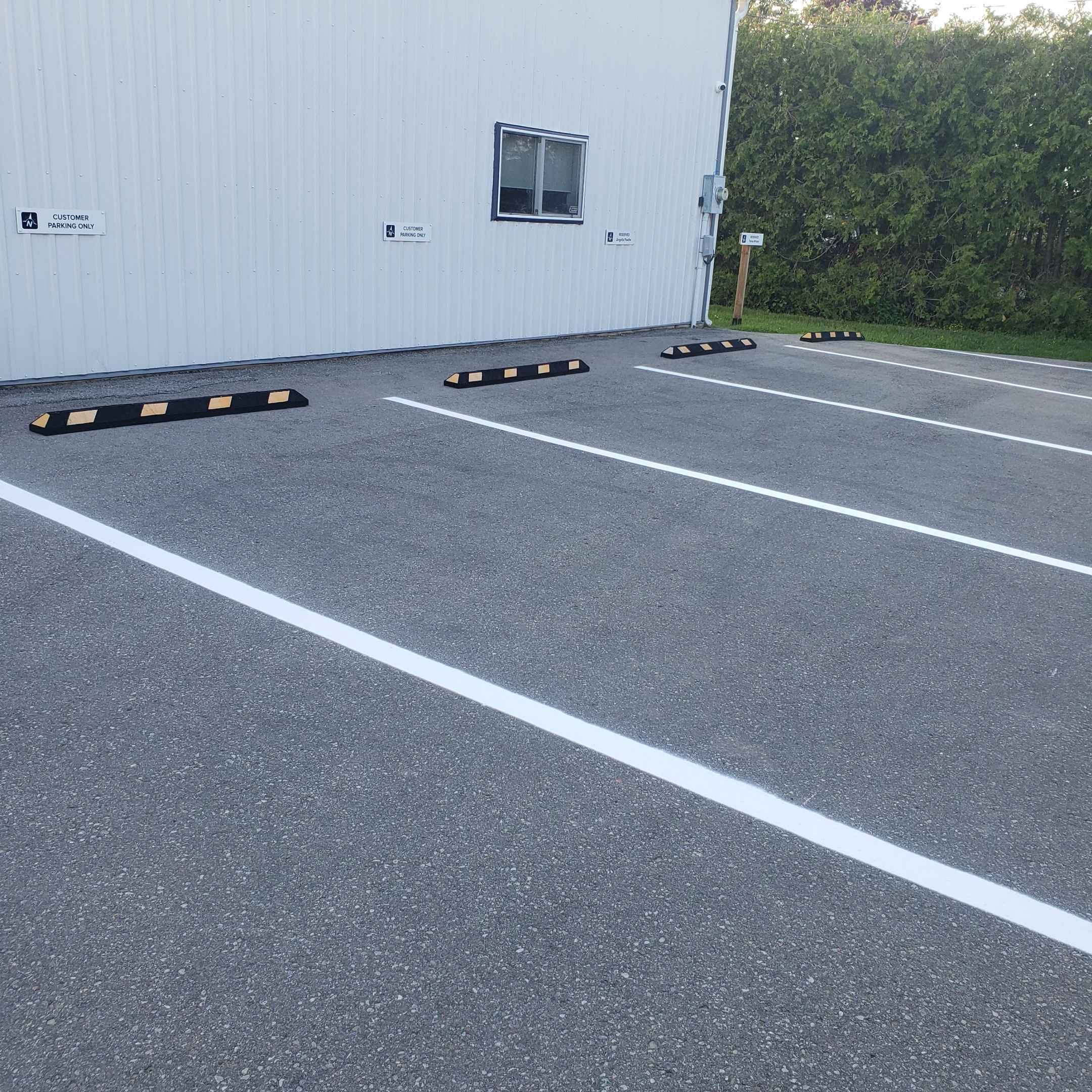
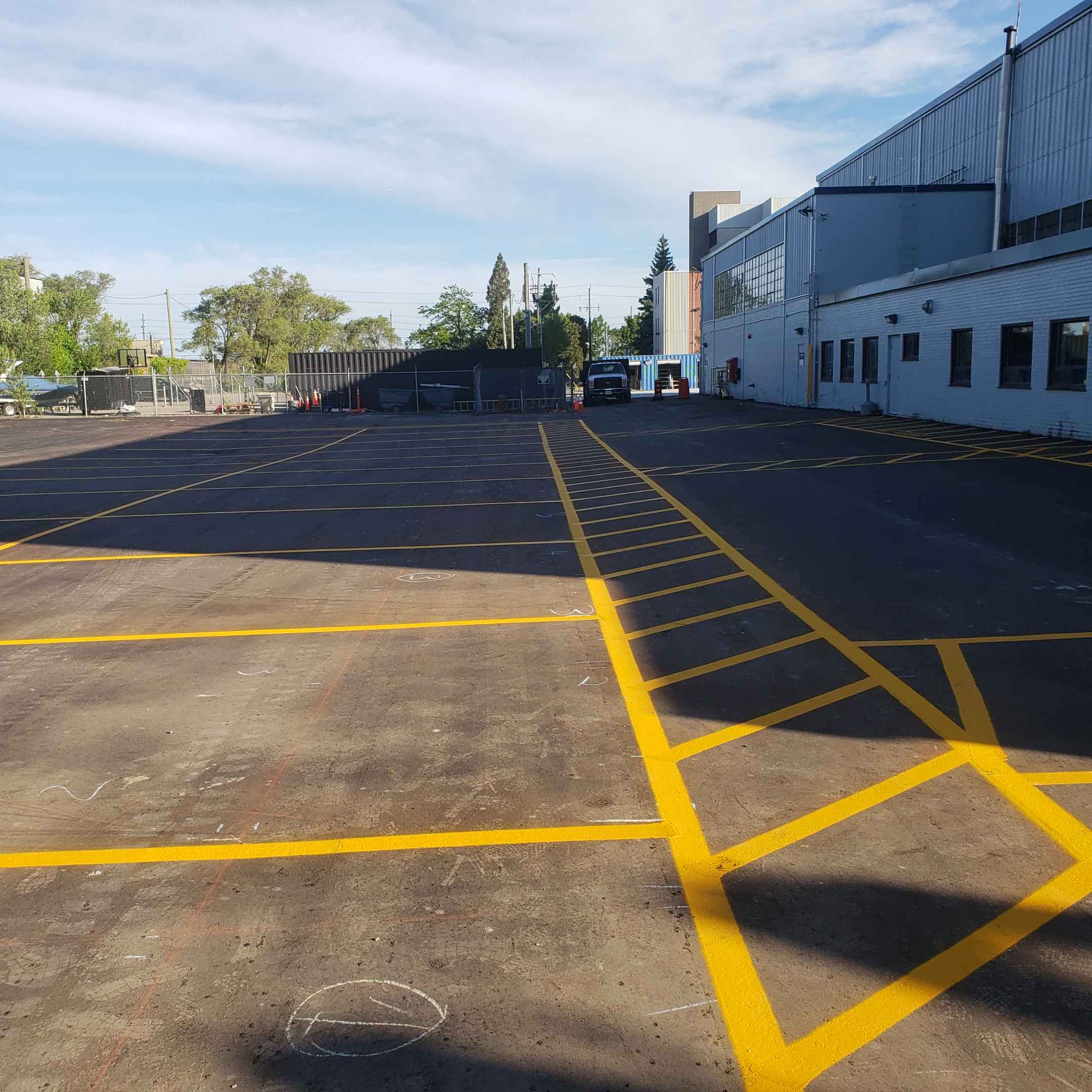
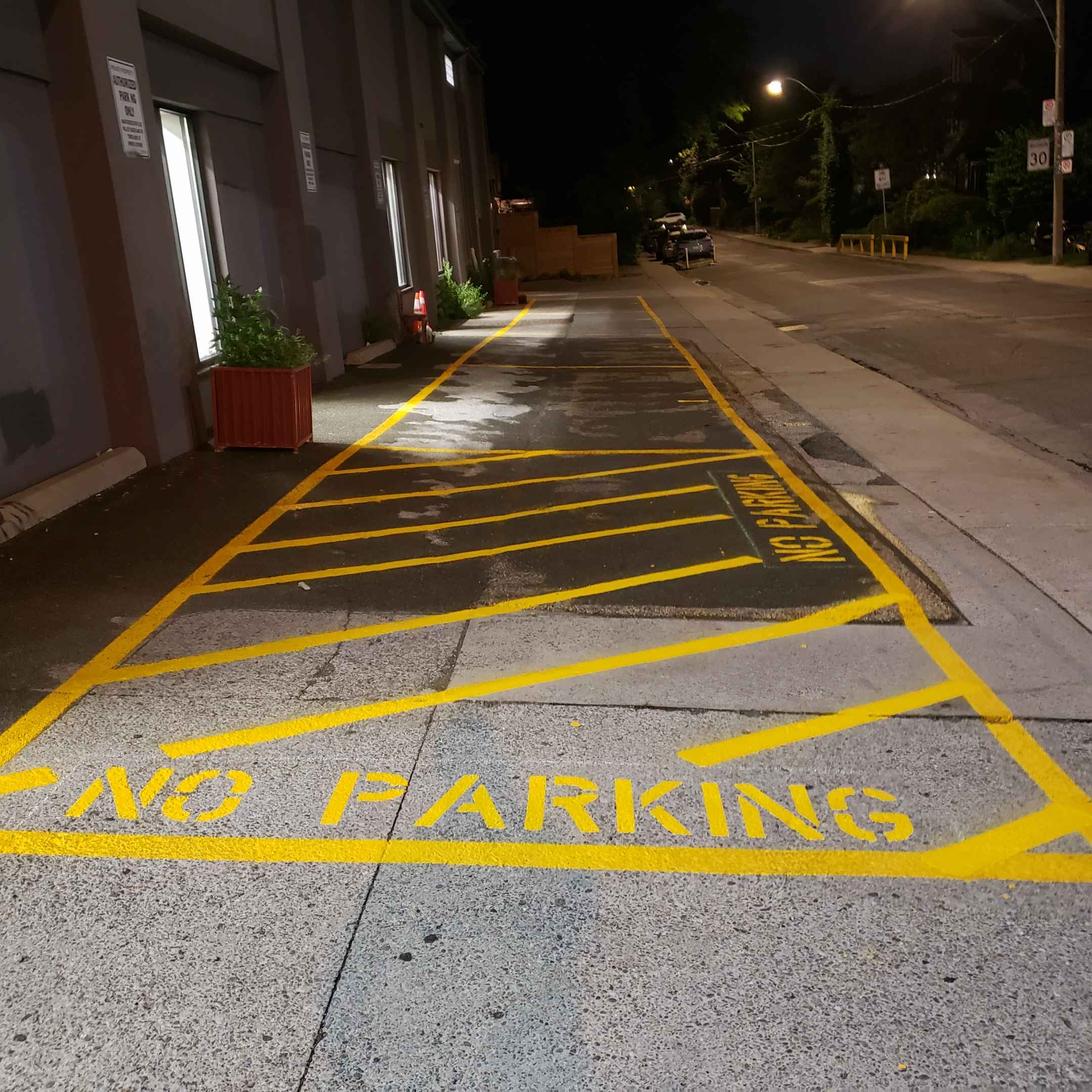
Even the most mathematically perfect layout will fail if the visual cues are missing or faded. This is where professional line marking becomes indispensable. Clear, crisp lines guide drivers into their stalls, preventing them from drifting into adjacent spaces or blocking walkways.
At Capital Parking Lot Line Painting, we understand that high-visibility markings are essential for both organization and liability reduction. When lines are faded, drivers tend to park haphazardly, which effectively reduces your total capacity by wasting the space between vehicles.
Precision Matters
Don't settle for DIY solutions. Precision line painting ensures that every stall is uniform and every aisle is clearly defined. This precision is what allows a lot in a busy city like Peterborough to function at peak efficiency during rush hours.
Common Mistakes to Avoid
When designing or re-designing your lot, keep these pitfalls in mind to ensure your investment pays off:
- Ignoring ADA Compliance: Accessible parking spots must be strategically placed and sized correctly to meet legal standards.
- Poor Pedestrian Integration: Always include designated walking paths to guide customers from their cars to your entrance safely.
- Neglecting Drainage: A layout that ignores the natural slope of the land can lead to pooling water, which damages the asphalt and makes parking difficult.
- Failing to Refresh Markings: Worn-out lines lead to chaos. Regular maintenance via professional line marking is a necessity.
Conclusion
Maximizing parking capacity is a blend of geometry, traffic engineering, and visual clarity. By selecting the right stall angles, maintaining wide aisles, and investing in high-quality line painting, you can transform your property into a highly efficient asset. If you are looking to optimize your space, trust the experts at Capital Parking Lot Line Painting to deliver professional results that enhance both capacity and safety.