How to Integrate Accessible Parking Symbols Properly
Ensuring accessibility in commercial and residential parking lots is more than just a legal requirement; it is a fundamental component of inclusive urban design and community respect.
The Importance of Compliance and Visibility
When managing property in a top 30 city in Ontario like St. Catharines, property owners must adhere to strict accessibility standards. Accessible parking spaces are vital for individuals with mobility challenges, providing them with the necessary space to exit vehicles safely and navigate ramps or sidewalks.
Improperly placed or faded symbols can lead to confusion, misuse of spaces, and potential legal liabilities. This is where professional line marking becomes essential. By utilizing high-contrast colors and precise application techniques, Capital Parking Lot Line Painting ensures that these critical zones are unmistakable to all motorists.
Key Elements of Accessible Parking Integration
Integrating accessible symbols is not as simple as slapping a sticker on the ground. It requires a strategic approach to spatial planning and visual communication. To do this correctly, several factors must be considered:
1. Symbol Placement and Orientation
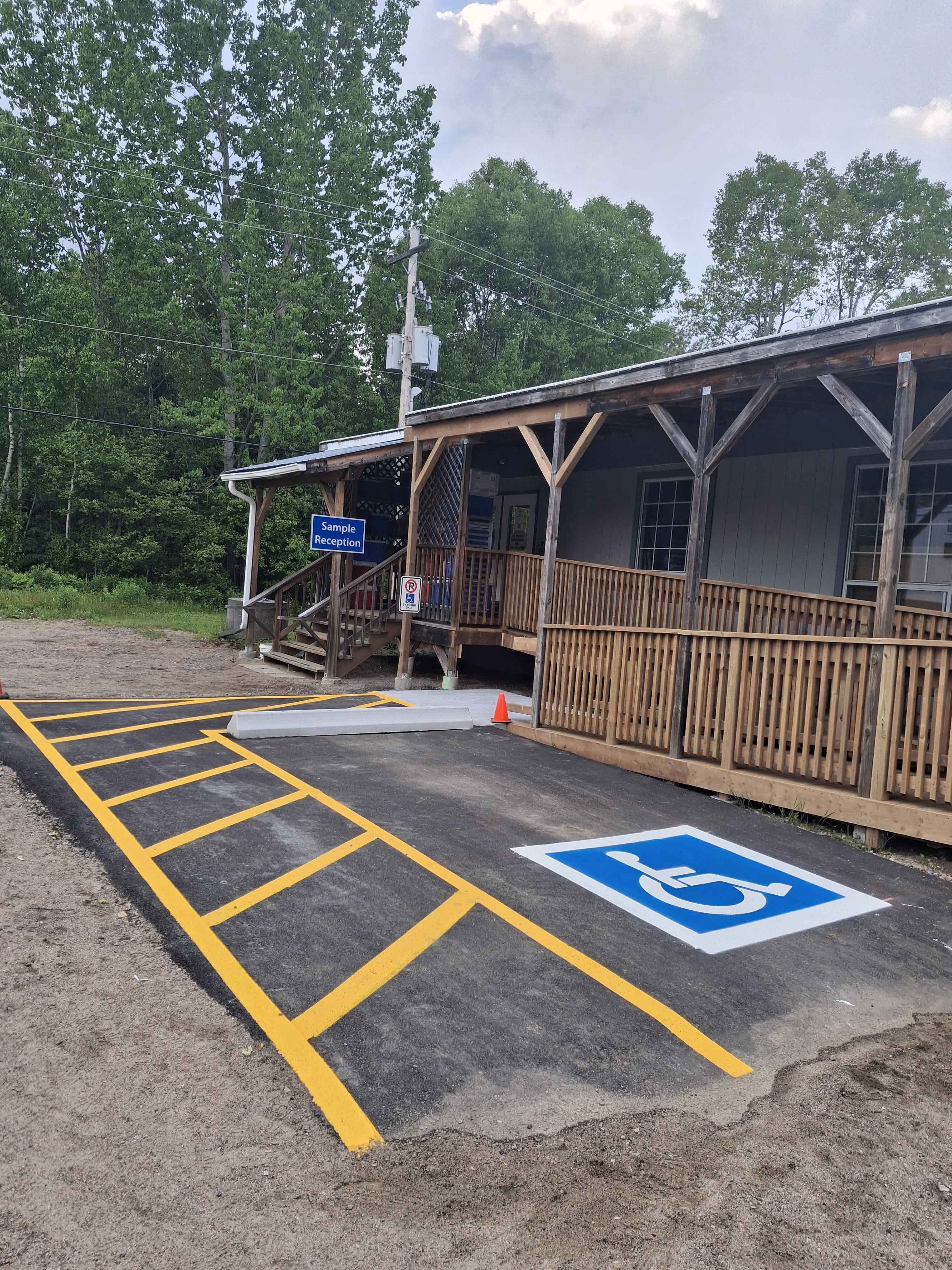
The International Symbol of Accessibility (ISA) must be clearly visible within the stall. It is typically painted in the center of the space or positioned in a way that it is immediately identifiable from a driver's perspective. At Capital Parking Lot Line Painting, we emphasize the importance of precise geometry to ensure the symbol is not obscured by vehicle tires or shadows.
2. The Role of Access Aisles
An accessible stall is only half of the equation. The adjacent access aisle—the striped area next to the stall—is what allows for wheelchair deployment. Proper line painting of these aisles using diagonal patterns is crucial for preventing unauthorized vehicles from encroaching on the space.
3. Color Contrast and Material Quality
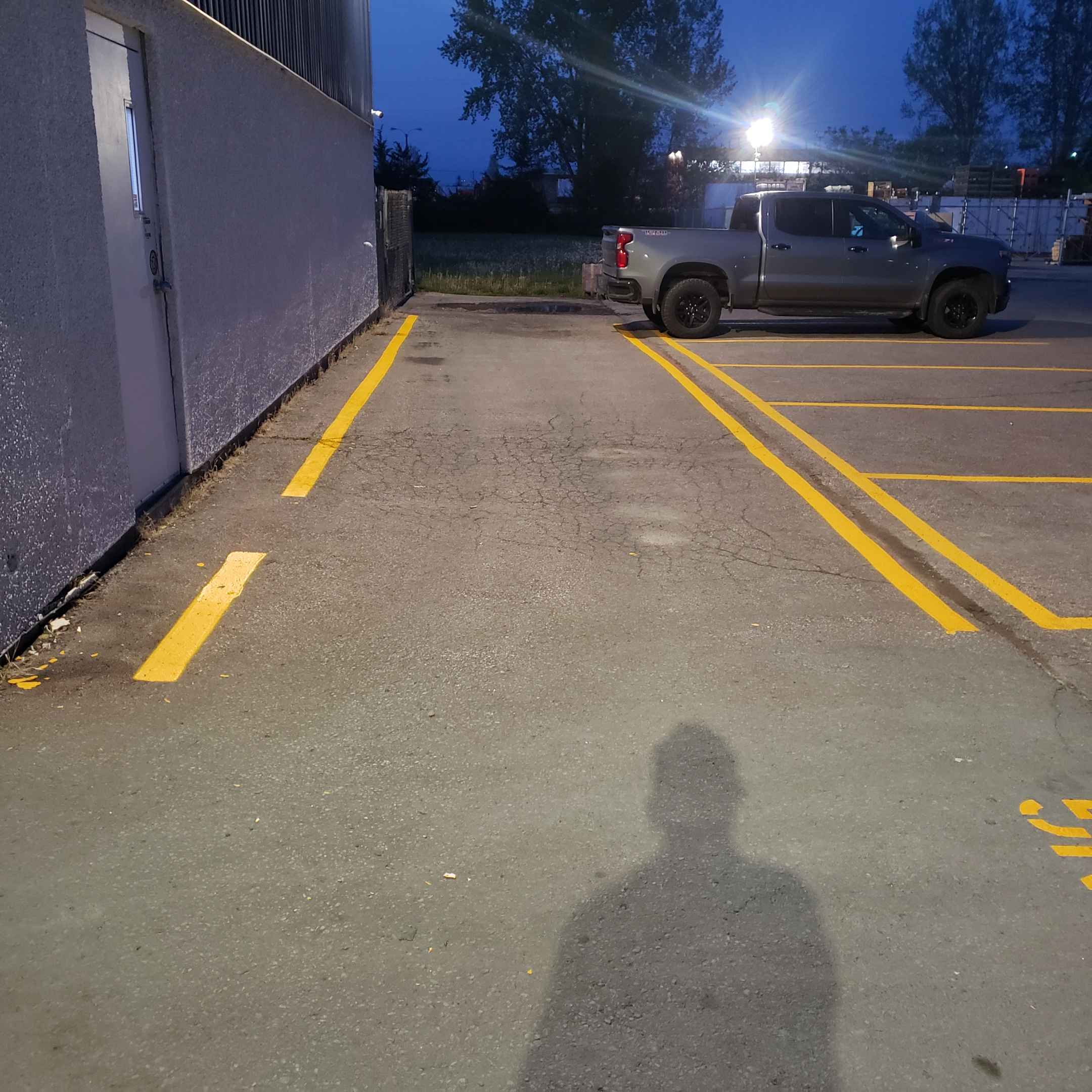
For symbols to be effective, they must stand out against the asphalt or concrete. Using high-grade, reflective coatings ensures that the symbols remain visible during night hours or inclement weather, which is particularly important for the diverse climate found in St. Catharines.
Common Mistakes to Avoid
Even experienced property managers can fall into traps when maintaining their lots. Avoid these frequent errors:
- Faded Markings: Allowing symbols to wear away due to heavy traffic or weather exposure.
- Incorrect Dimensions: Failing to meet the specific width requirements for both the stall and the access aisle.
- Poor Contrast: Using colors that blend too closely with the pavement, reducing visibility for those with visual impairments.
- Inconsistent Line Painting: Using different types of paint or techniques that result in an unprofessional and confusing appearance.
Why Professional Line Marking Matters
While DIY solutions might seem tempting, the complexity of accessibility laws and the technical requirements of durable coatings make professional intervention necessary. Capital Parking Lot Line Painting provides the expertise required to navigate these complexities. We don't just paint lines; we design functional environments that promote safety and compliance.
A professionally marked lot enhances the overall aesthetic of your property, signaling to customers and tenants that you value organization, safety, and inclusivity. Whether you are managing a retail center or a municipal facility, the quality of your line marking reflects the quality of your business.
Quick Look: Visual Standards
Quality line marking ensures long-term durability and visibility.