How to Know If Your Asphalt Surface Is Ready for Sealcoating
Protecting your investment starts with recognizing the subtle signs of asphalt deterioration before they become costly repairs.
Asphalt is a resilient material, but it is not invincible. Whether you manage a commercial parking lot or a residential driveway, the environmental stressors in Kingston—from heavy freeze-thaw cycles to intense summer sun—can take a significant toll on your pavement. One of the most effective ways to defend your asphalt is through regular sealcoating. However, timing is everything. Applying sealer too early can be a waste of resources, while applying it too late can result in permanent structural damage.
At Capital Parking Lot Line Painting, we specialize in helping property owners understand the lifecycle of their pavement. Knowing exactly when to transition from routine maintenance to professional sealcoating can save you significant headaches down the road.
The Role of Sealcoating in Pavement Longevity
Sealcoating acts as a sacrificial barrier. It is a thin liquid coating applied to the surface of the asphalt to protect it from oxidation, water penetration, and chemical spills. Think of it like sunscreen for your parking lot; it absorbs the brunt of the UV radiation so the underlying asphalt doesn't become brittle and crack.
When your asphalt is healthy, sealcoating maintains its flexibility. When it is neglected, the binder (the "glue" that holds the rocks together) breaks down, leading to a process called raveling, where the aggregate begins to come loose.
Key Indicators That Your Asphalt Needs Attention
How can you tell if your surface is ready for a fresh coat? While a visual inspection is a great start, there are specific physical characteristics you should look for:
1. Color Fading (Oxidation)
Freshly laid asphalt is a deep, rich black. As it ages and is exposed to oxygen and UV rays, it begins to turn gray. This graying is a sign of oxidation. While a gray surface isn't an immediate emergency, it is a clear signal that the protective oils in the asphalt are depleting and a sealcoat is necessary to restore the barrier.
2. Surface Raveling
If you notice small stones or pebbles coming loose from the surface when you walk on it or drive over it, you are experiencing raveling. This is a critical sign. It means the binder is failing, and the sealcoating process should be prioritized to prevent deeper structural issues.
3. Small Hairline Cracks
Small cracks are natural as asphalt expands and contracts. However, if these cracks are widespread, they provide a direct pathway for water to seep into the sub-base. In a city like Kingston, where winter temperatures cause water to freeze and expand, these small cracks can quickly turn into large potholes.
The Benefits of Timely Sealcoating
Investing in professional maintenance through Capital Parking Lot Line Painting offers several long-term advantages:
- Extended Lifespan: Regularly sealed asphalt can last significantly longer than neglected pavement.
- Waterproofing: Prevents moisture from infiltrating the base layers, reducing the risk of frost heaves.
- Improved Aesthetics: Restores that "new" look, which is essential for customer impressions.
- Enhanced Safety: Provides a more uniform surface, which complements professional Line Marking to ensure clear navigation.
- Chemical Resistance: Protects against oil, gas, and salt spills common in parking environments.
Common Mistakes to Avoid
Many property managers make the mistake of waiting until the asphalt is crumbling to call for service. By the time you see large potholes, sealcoating is no longer an option—you are looking at a full asphalt replacement. Additionally, attempting to DIY sealcoating with low-grade materials can often do more harm than good. Professional application ensures the correct thickness and material composition for your specific climate.
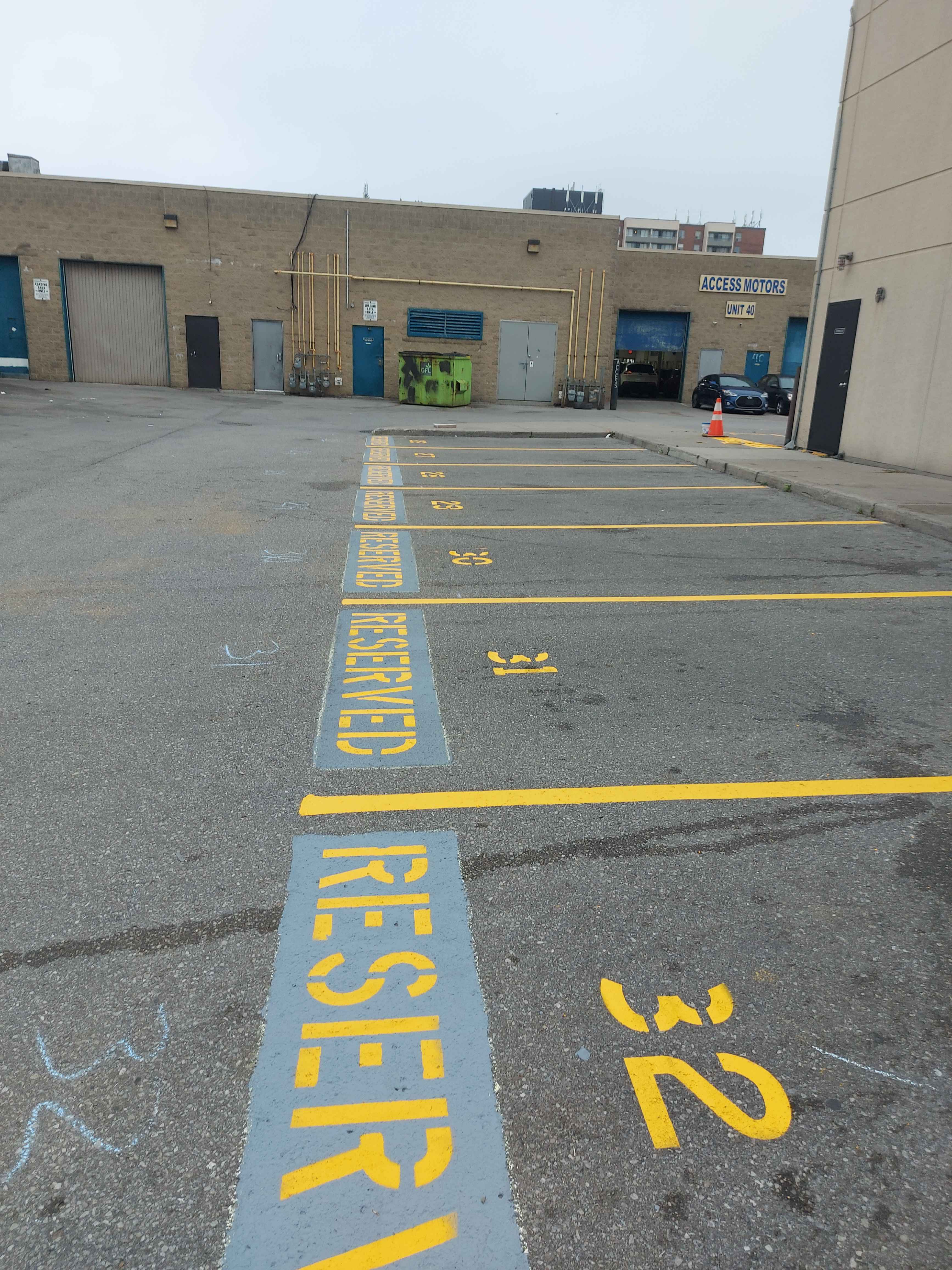
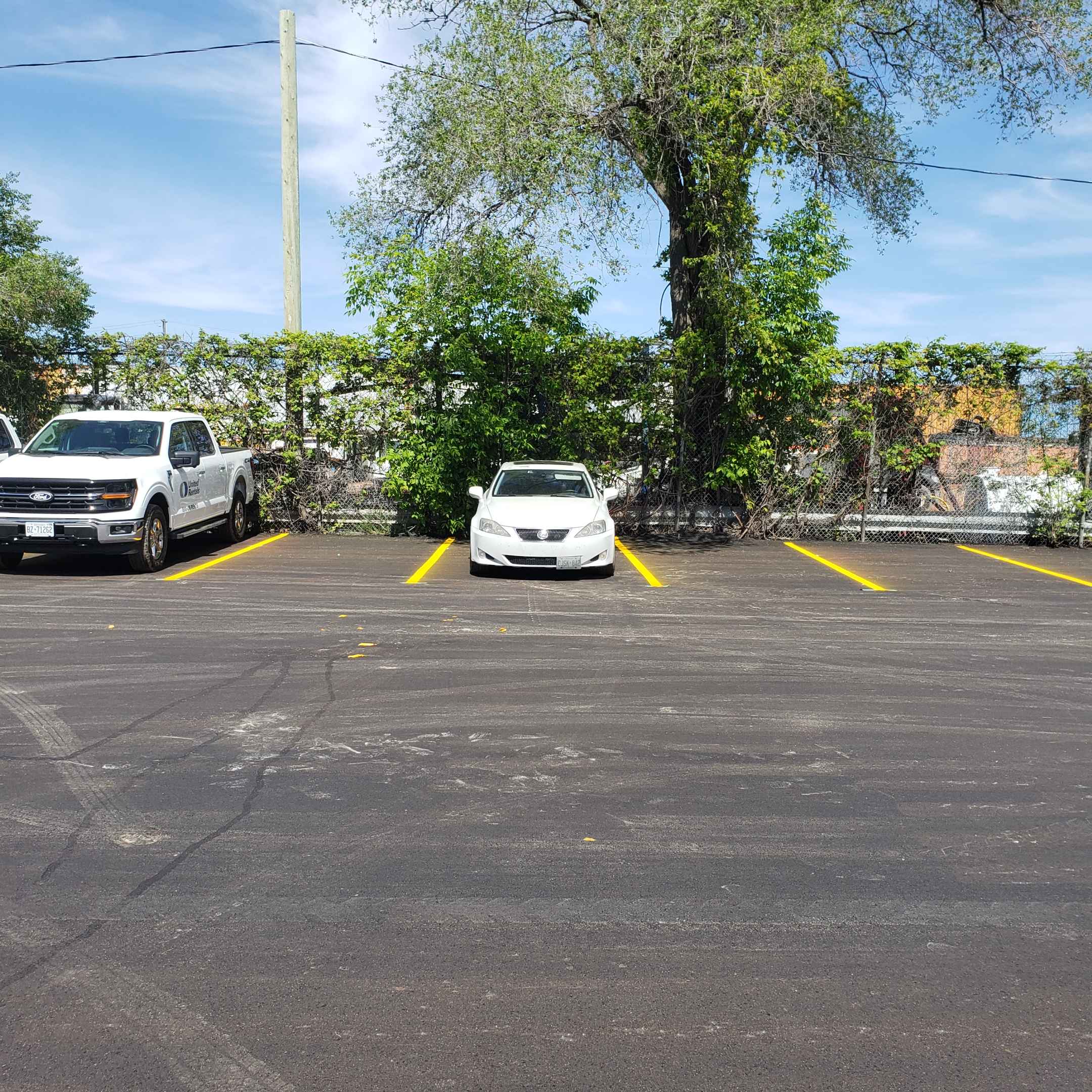
Furthermore, don't forget that sealcoating should be paired with updated Line Painting. A freshly sealed, dark black surface makes your Line Marking pop, significantly increasing the visibility and professionalism of your lot.
Conclusion
Monitoring your asphalt surface is a key part of responsible property management. By watching for color changes, raveling, and small cracks, you can take proactive steps to protect your pavement. Capital Parking Lot Line Painting is here to help you navigate these maintenance cycles, ensuring your surfaces remain durable, safe, and visually appealing for years to come.
Ready for a Professional Assessment?
Don't wait for the cracks to become craters. Contact our experts today to schedule a professional inspection and maintenance plan.