How to Spot Early Signs of Asphalt Cracking
Maintaining a pristine parking lot is more than just an aesthetic choice; it is a critical component of property management and safety. Understanding the subtle language of your pavement can save you significant headaches down the road.
The Importance of Proactive Asphalt Maintenance
For property owners in a bustling hub like Brampton, the wear and tear on asphalt is inevitable. Between heavy vehicle traffic, seasonal temperature fluctuations, and the freeze-thaw cycles common in Ontario, your parking lot is constantly under stress. Ignoring small imperfections today often leads to massive structural failures tomorrow.
At Capital Parking Lot Line Painting, we have seen firsthand how minor cracks, if left untreated, evolve into deep potholes that compromise vehicle safety and property liability. By learning to spot the early warning signs, you can transition from reactive, expensive repairs to proactive, cost-effective maintenance.
Common Types of Asphalt Cracks to Watch For
Not all cracks are created equal. Different patterns indicate different underlying issues, ranging from surface oxidation to deep structural instability.
1. Hairline or Longitudinal Cracks
These are long, thin cracks that run parallel to the direction of the road or parking aisle. Often, these are caused by the natural contraction of the asphalt or minor shifts in the subgrade. While they seem insignificant, they act as conduits for water to seep into the base layers.
2. Transverse Cracks
Transverse cracks run perpendicular to the direction of travel. These are frequently the result of temperature changes. When the asphalt cools and contracts, it pulls apart. In a top 30 city like Brampton, where winters can be harsh, these are quite common.
3. Alligator (Fatigue) Cracking
This is perhaps the most serious sign of distress. Alligator cracking looks like the scales on a reptile's skin—a series of interconnected cracks forming a pattern of small, irregular polygons. This usually indicates that the base layer underneath the asphalt has failed or is insufficient to support the load.
4. Block Cracking
Block cracking appears as large, rectangular or square patterns. This is typically caused by the aging and oxidation of the asphalt binder, making the surface brittle and prone to breaking under pressure.
The Ripple Effect: Why Early Detection Matters
When cracks appear, they don't just sit there. They actively degrade your pavement. Here is why you shouldn't wait:
- Water Infiltration: Cracks allow water to reach the sub-base, softening the ground and leading to even more cracking.
- Vegetation Growth: Seeds find their way into cracks, and as roots grow, they expand the cracks from the inside out.
- Safety Hazards: Small cracks eventually become trip hazards or cause damage to customer vehicles.
- Loss of Visual Appeal: A cracked lot looks neglected, which can negatively impact your business's reputation.
Maintenance Beyond the Cracks
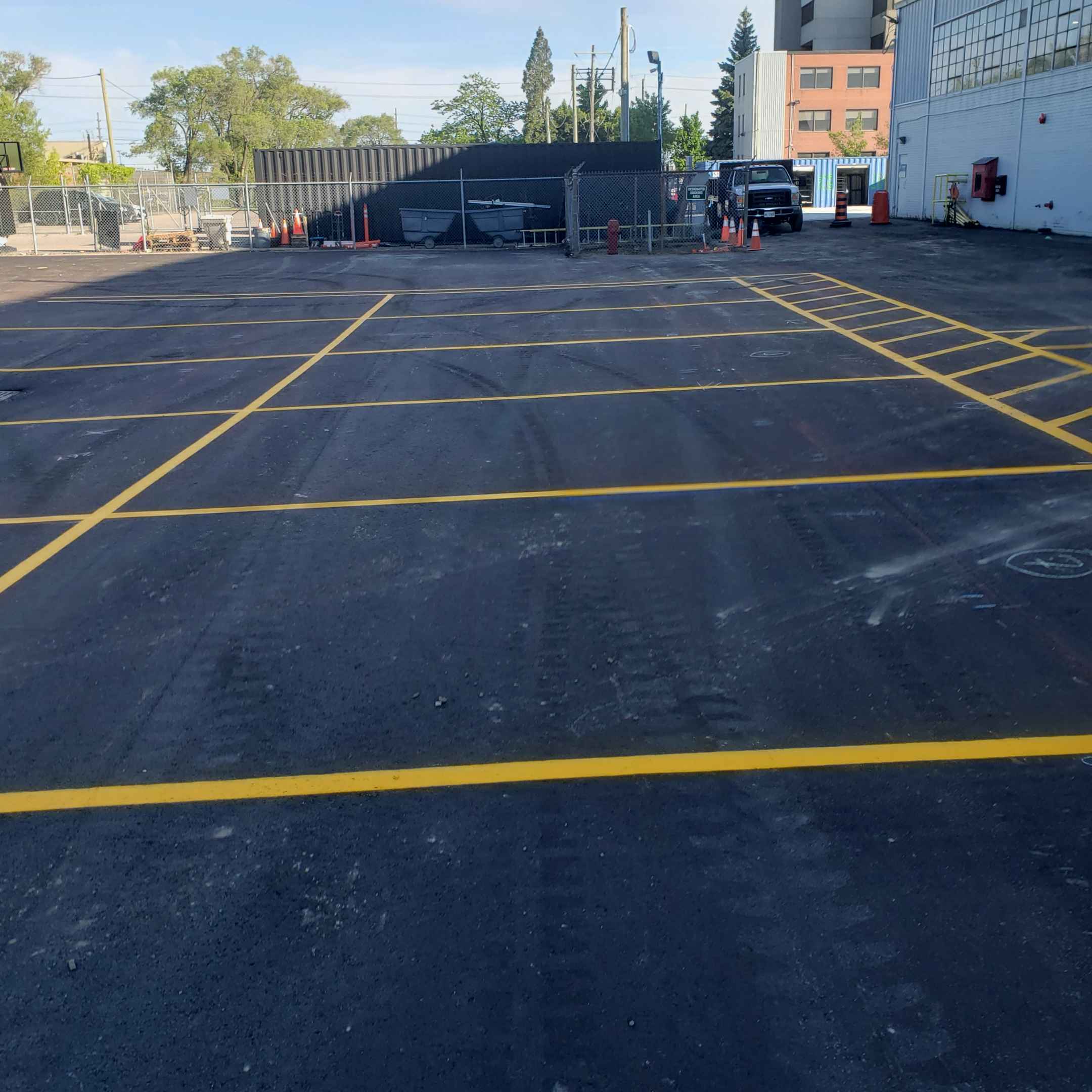
While addressing cracks is vital, a complete maintenance strategy involves more than just sealing fissures. A well-maintained lot requires clear, visible markings to ensure traffic flow and safety. This is where professional Line Marking becomes essential. Faded lines can lead to confusion and accidents, compounding the issues caused by physical pavement damage.
Capital Parking Lot Line Painting recommends a holistic approach: seal the cracks to prevent water damage, apply a protective coating to prevent oxidation, and ensure your Line Painting is crisp and compliant with local regulations. This combination ensures your asphalt remains durable and your lot remains functional.
Ready to Protect Your Investment?
Don't wait for a pothole to appear before calling in the experts. Regular inspections and timely repairs are the key to longevity. Capital Parking Lot Line Painting specializes in identifying these early signs and providing the professional care your pavement deserves.