How to Spot Early Signs of Asphalt Cracking
A well-maintained parking lot is the first thing customers notice about your business. Detecting asphalt issues early can save you from massive reconstruction projects down the road.
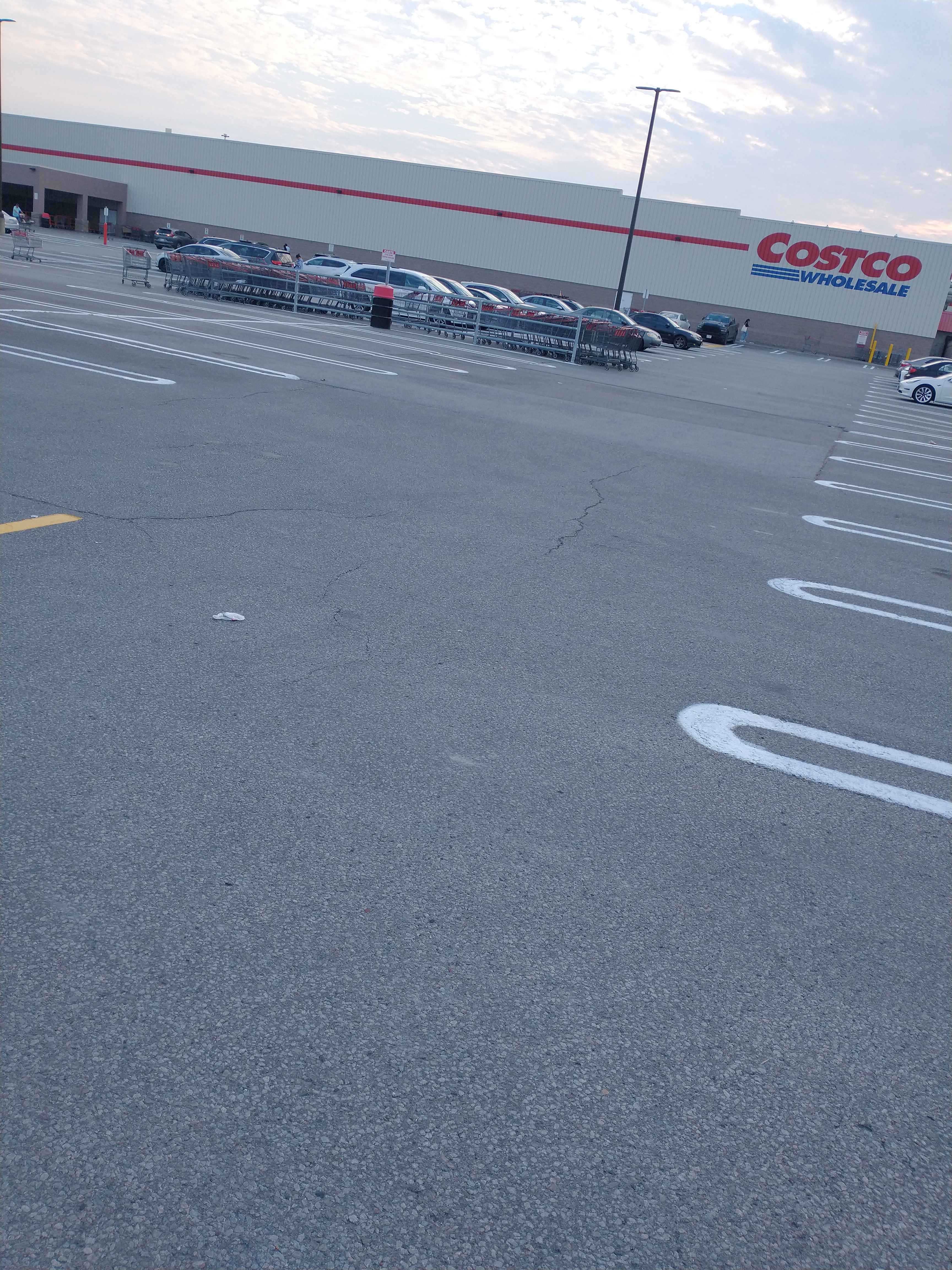
For property owners in Milton, maintaining the integrity of asphalt surfaces is a constant battle against the elements. Whether it is the freeze-thaw cycles common in Ontario or the heavy weight of constant vehicle traffic, asphalt is under continuous stress. At Capital Parking Lot Line Painting, we have seen firsthand how a small, overlooked crack can evolve into a catastrophic failure if not addressed promptly.
Understanding the different types of cracks and knowing when to call in the experts is the key to long-term pavement health. This guide will walk you through the common signs of distress so you can stay ahead of the curve.
Common Types of Asphalt Cracks
Not all cracks are created equal. Identifying the specific pattern of a crack can tell you a lot about what is happening beneath the surface of your parking lot.
1. Alligator Cracking (Fatigue Cracking)
Named for its resemblance to the scales of an alligator, this is one of the most serious signs of distress. It appears as a series of interconnecting cracks that form small, irregular polygons. This usually indicates that the base or subgrade beneath the asphalt has failed, often due to excessive weight or poor drainage. If you see this, it is time to contact Capital Parking Lot Line Painting immediately.
2. Longitudinal Cracking
These cracks run parallel to the direction of the road or parking aisle. While they can sometimes be caused by poor joint construction, they often stem from temperature changes or the shifting of the soil underneath. If left untreated, water will seep into these cracks, freeze, and expand, making the gap much larger.
3. Transverse Cracking
Transverse cracks run perpendicular to the direction of travel. These are typically caused by temperature fluctuations. As the asphalt contracts during cold Ontario winters, the material can snap, creating cracks that run across the width of the pavement.
4. Block Cracking
Block cracking looks like a grid of interconnected cracks. Unlike alligator cracking, these are usually caused by the aging of the asphalt binder itself rather than structural failure of the base. The asphalt becomes brittle over time, losing its ability to flex.
Why Early Detection Matters
Many property managers in Milton wait until the pavement looks significantly damaged before taking action. However, proactive maintenance offers several distinct advantages:
- Cost Savings: Patching a small crack is significantly cheaper than a full asphalt overlay or complete reconstruction.
- Safety: Cracks can become trip hazards for pedestrians or cause damage to vehicle tires and suspensions.
- Water Management: Preventing water from reaching the subgrade keeps your foundation strong and prevents sinkholes.
- Aesthetics: A smooth, well-maintained lot with fresh Line Marking enhances your brand's professional image.
The Role of Maintenance and Line Marking
Surface maintenance isn't just about fixing holes; it's about preserving the entire ecosystem of your parking lot. When cracks are sealed, you prevent the infiltration of water and chemicals that degrade the asphalt binder. Furthermore, as part of a holistic maintenance plan, regular Line Painting is essential. Clear, bright lines help direct traffic flow, which reduces unnecessary turning and braking—actions that put extra stress on the asphalt surface.
At Capital Parking Lot Line Painting, we recommend a seasonal inspection. In the spring, check for damage caused by winter ice, and in the fall, ensure all cracks are sealed before the first freeze hits.
Don't Wait for Total Failure
By the time you see large potholes, the structural integrity of your lot is already compromised. Regular inspections and timely repairs—including professional Line Marking—can extend the life of your pavement by years. Protect your investment and keep your property looking its best.