How to Spot Early Signs of Asphalt Cracking
A proactive approach to pavement maintenance can save you thousands in long-term repair costs.
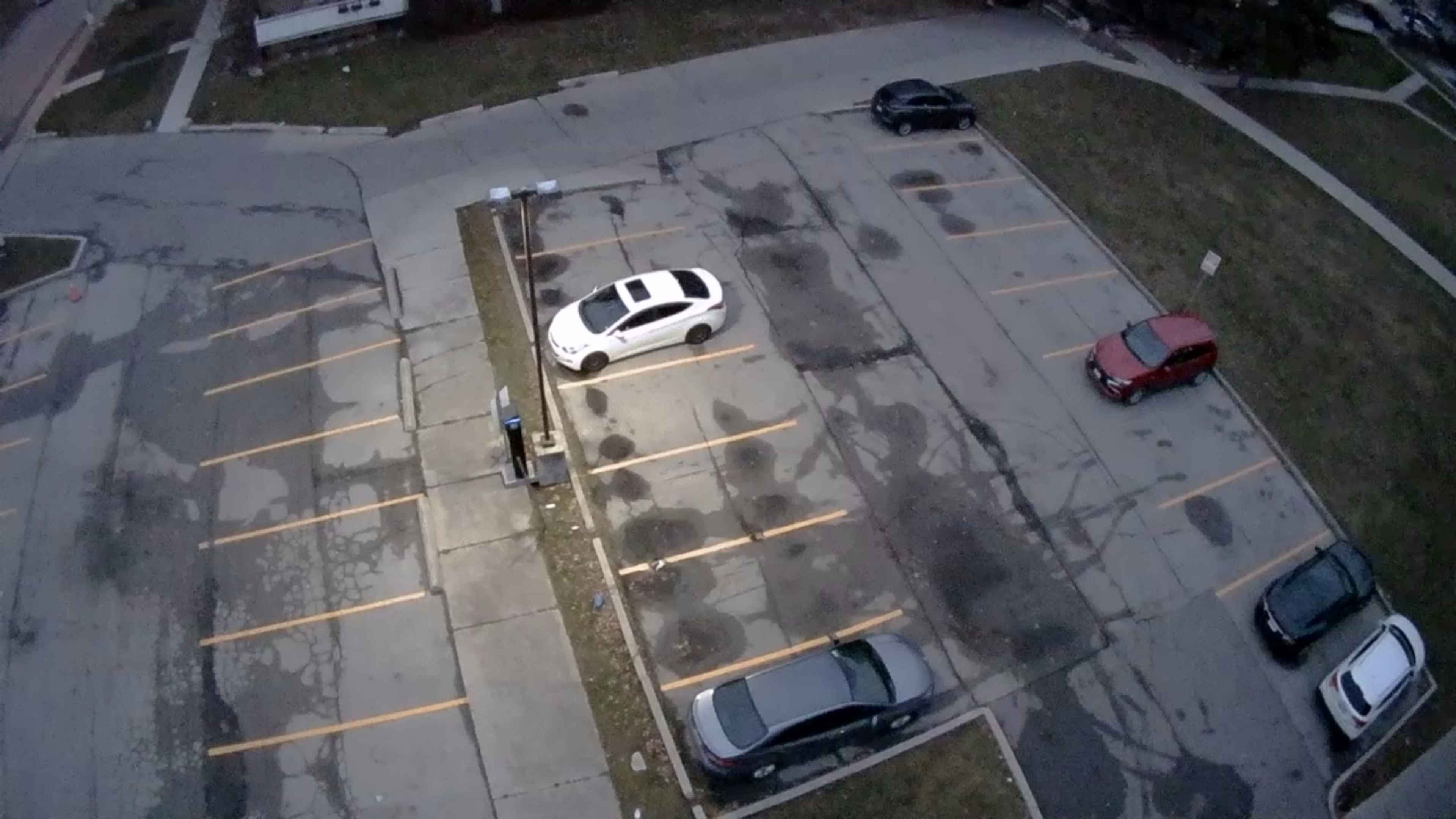
Your parking lot is often the first thing customers notice when they arrive at your business. Whether you manage a retail complex, an office building, or an industrial site, the condition of your asphalt speaks volumes about your professionalism. However, asphalt is a living material; it expands, contracts, and ages under the stress of weather and heavy vehicular loads. For property owners in Newmarket, staying ahead of the curve is essential to avoiding total resurfacing projects.
At Capital Parking Lot Line Painting, we have seen firsthand how a small crack can evolve into a massive pothole if ignored. Understanding the different types of cracks and when they appear is the first step in effective asset management.
Common Types of Asphalt Cracking
Not all cracks are created equal. Identifying the specific pattern of a crack can tell you a lot about what is happening beneath the surface of your pavement.
1. Alligator Cracking (Fatigue Cracking)
This is perhaps the most serious sign of distress. It looks like the scales on an alligator's back—a series of interconnected, small cracks. This usually indicates a structural failure in the base layer of the asphalt. If you notice this, it is time to call Capital Parking Lot Line Painting for a professional assessment.
2. Longitudinal Cracking
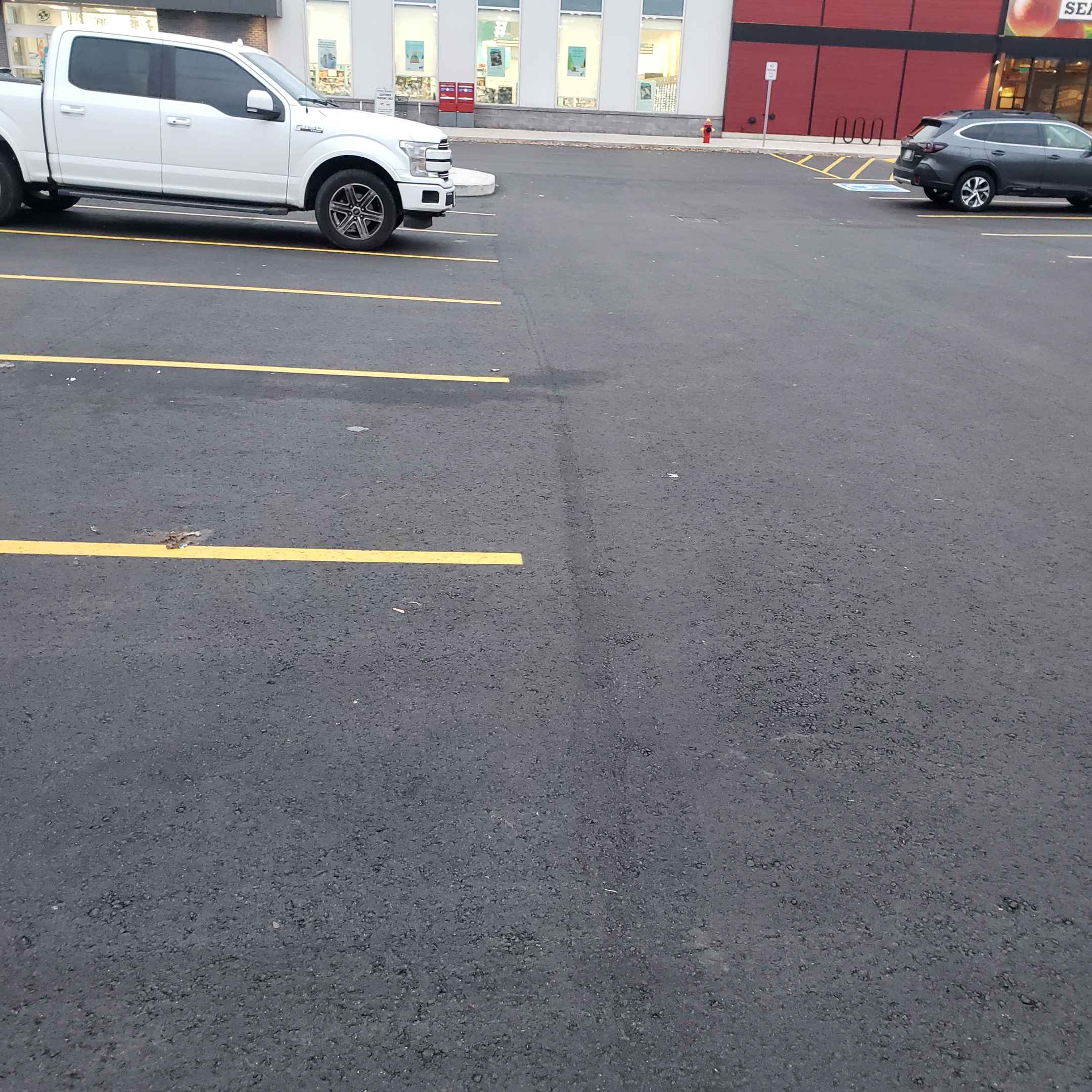
These cracks run parallel to the direction of the road or parking lane. They are often caused by poor joint construction or temperature fluctuations. While they may seem minor initially, they allow water to seep into the sub-base, leading to more significant damage.
3. Transverse Cracking
Unlike longitudinal cracks, transverse cracks run perpendicular to the direction of travel. These are typically caused by the natural expansion and contraction of the asphalt due to seasonal temperature changes—a common occurrence in the climate of Newmarket.
4. Block Cracking
Block cracking occurs when large, rectangular cracks form in a pattern. This is often a sign of oxidation, where the asphalt loses its flexibility and becomes brittle over time due to UV exposure.
Why Early Detection Matters
Many property managers wait until they see large potholes before taking action. This is a mistake that leads to unnecessary expenses. By spotting cracks early, you can implement preventative measures like crack sealing.
- Prevents Water Infiltration: Sealing cracks stops water from reaching the base layer, preventing freeze-thaw damage.
- Extends Pavement Life: Regular maintenance can add years to the lifespan of your asphalt.
- Enhances Safety: Smooth surfaces reduce trip hazards and vehicle damage risks.
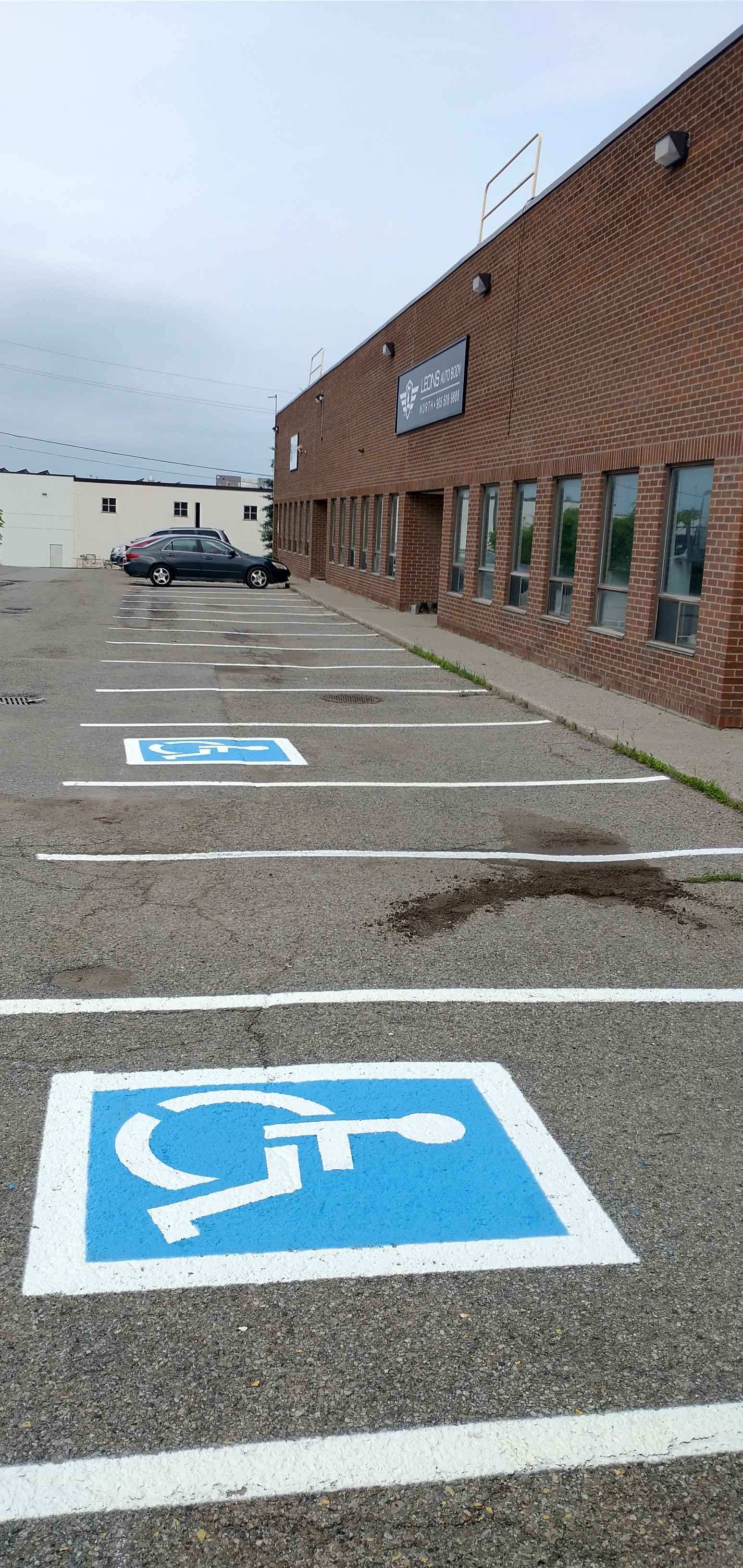
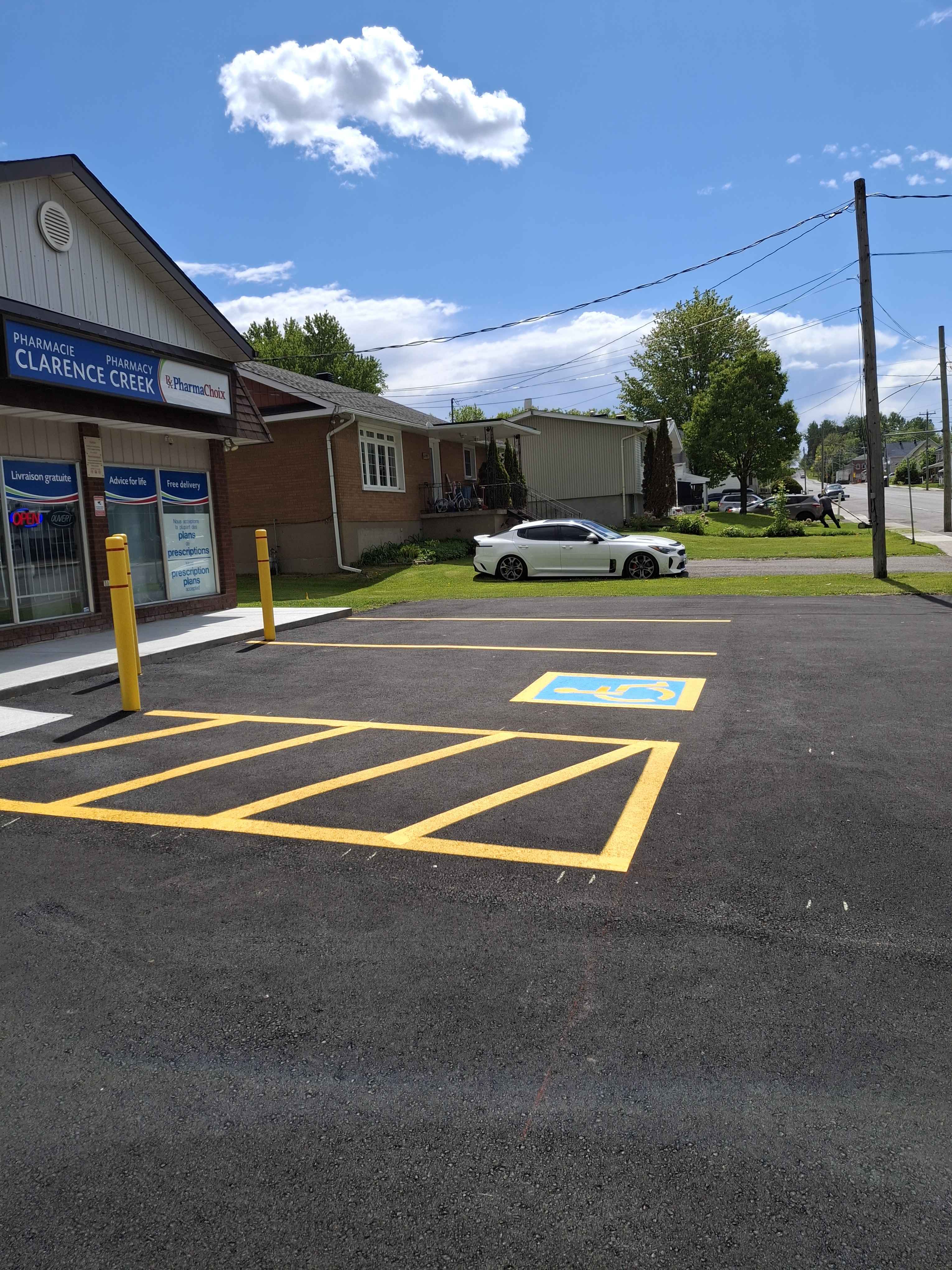
- Maintains Aesthetics: A well-maintained lot, complete with fresh Line Marking, looks professional and inviting.
The Role of Professional Maintenance
Maintenance isn't just about fixing holes; it's about the overall presentation and functionality of your lot. Once the structural integrity of your asphalt is secured, the next step is visual clarity. This is where professional Line Painting becomes vital. Faded lines can lead to confusion, improper parking, and even accidents.
Capital Parking Lot Line Painting specializes in comprehensive lot care. We don't just look at the surface; we look at the long-term health of your pavement. From detecting structural cracks to applying crisp, high-visibility Line Marking, we ensure your property remains a safe and professional environment.
Ready to Protect Your Investment?
Don't wait for the cracks to become craters. Regular inspections and timely repairs are the keys to a durable, beautiful parking lot. Contact our experts today to schedule a consultation.