How to Spot Early Signs of Asphalt Cracking
Proactive maintenance is the secret to a long-lasting, safe, and professional-looking parking surface.
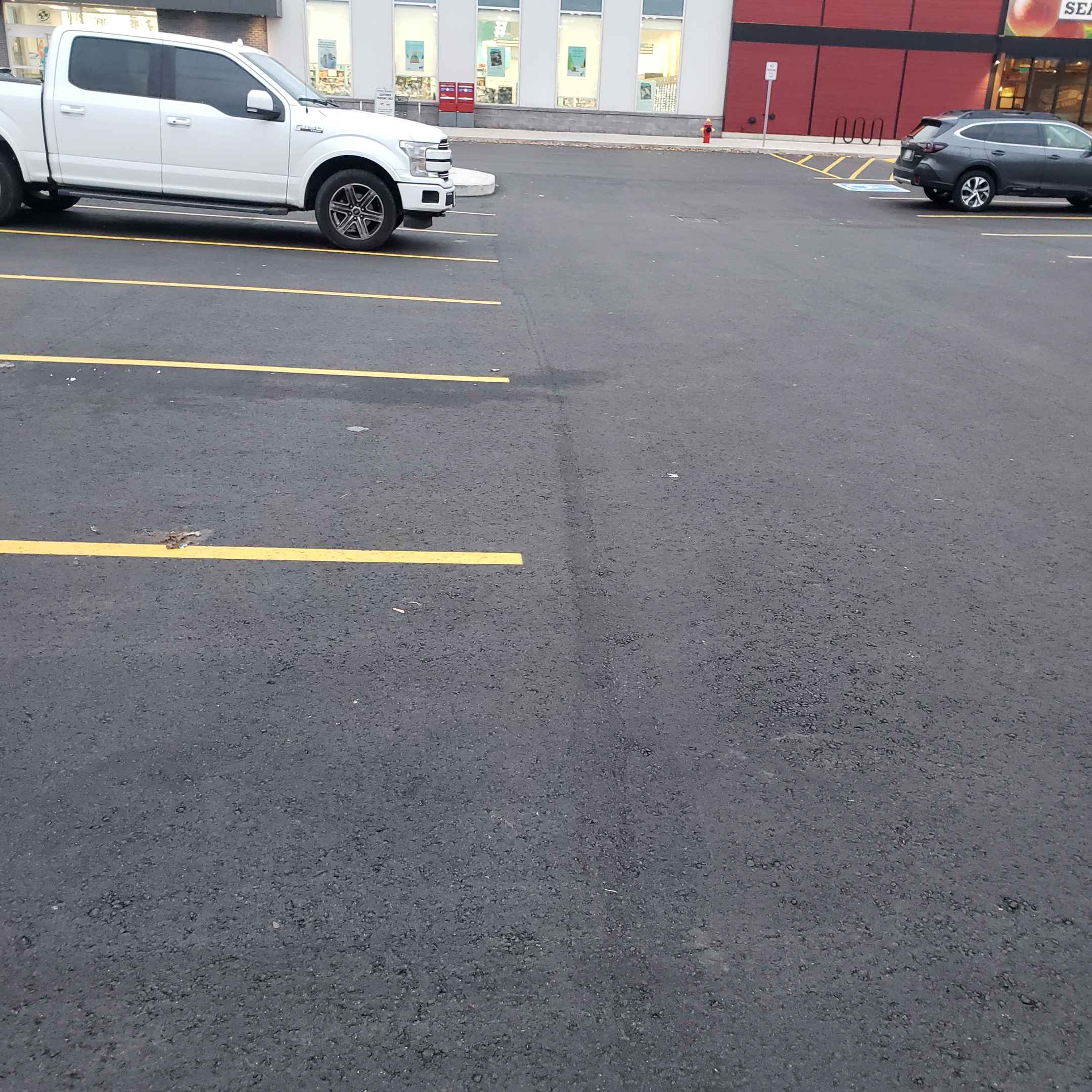
For property managers and business owners, a parking lot is more than just a place to park cars; it is the first impression your business makes on every customer. In a climate like ours, where seasonal shifts can be extreme, asphalt surfaces undergo significant stress. If you are located in a top 30 Ontario city like North Bay, you know that the freeze-thaw cycle is one of the most aggressive forces acting upon your pavement.
Ignoring small imperfections today can lead to massive structural failures tomorrow. At Capital Parking Lot Line Painting, we believe that education is the first step toward effective property maintenance. By learning how to spot early signs of asphalt cracking, you can move from reactive, expensive repairs to proactive, cost-effective preservation.
Common Types of Asphalt Cracks
Not all cracks are created equal. Understanding the specific pattern of a crack can tell you a lot about what is happening beneath the surface of your pavement.
1. Hairline or Shrinkage Cracks
These are the earliest warning signs. They are typically very thin, often less than a quarter-inch wide, and appear as straight lines across the surface. These usually occur due to the natural contraction of the asphalt as it cools or dries. While they aren't immediately dangerous, they provide a pathway for water to enter the base layer.
2. Longitudinal Cracks
Longitudinal cracks run parallel to the direction of travel (lengthwise). These often indicate issues with the subgrade or the way the asphalt was compacted during installation. If left untreated, these cracks can widen significantly, leading to more serious structural instability.
3. Transverse Cracks
Transverse cracks run perpendicular to the direction of travel (across the pavement). These are frequently caused by temperature fluctuations. In cities like North Bay, the extreme temperature swings between summer heat and winter frost cause the asphalt to expand and contract, eventually snapping the surface.
4. Alligator Cracking (Fatigue Cracking)
This is the most serious sign of distress. Alligator cracking looks like a series of interconnected cracks resembling the scales of an alligator. This is a sign of structural failure, usually indicating that the base layer beneath the asphalt has failed or is no longer supporting the load of the vehicles. At this stage, you should contact Capital Parking Lot Line Painting immediately for a professional assessment.
Why Early Detection Matters
Catching these issues early isn't just about aesthetics; it's about the longevity of your infrastructure. When water enters a small crack, it seeps into the foundation. When that water freezes, it expands, forcing the crack wider and pushing the foundation apart. This cycle accelerates the degradation of your entire lot.
- Prevents Water Infiltration: Stopping cracks early keeps moisture out of the sub-base.
- Reduces Liability: Small cracks can become potholes, creating tripping hazards or vehicle damage risks.
- Saves Money: Sealing a crack is significantly cheaper than a full asphalt overlay or replacement.
- Maintains Curb Appeal: A well-maintained lot with fresh Line Marking looks professional and inviting.
The Role of Maintenance and Visibility
Maintenance isn't just about the asphalt itself; it's about the entire visual environment of the parking lot. As part of a comprehensive maintenance plan, you should also consider the visibility of your parking zones and traffic flow. Capital Parking Lot Line Painting specializes in ensuring that your lot is not only structurally sound but also highly functional through professional Line Painting.
When cracks are repaired and the surface is properly sealed, the colors of your Line Marking will pop, making the lot look brand new and significantly improving safety for drivers and pedestrians alike.
Ready to Refresh Your Property?
Don't wait for the cracks to turn into craters. Regular inspections and professional maintenance can extend the life of your asphalt by years. Whether you need crack sealing, sealcoating, or fresh Line Painting, our team is here to help your property shine.