How to Spot Early Signs of Asphalt Cracking
Protect your investment by recognizing the subtle warnings of pavement deterioration before they become major structural failures.
Your parking lot or driveway is more than just a surface for vehicles; it is a vital component of your property's curb appeal and functional safety. However, asphalt is a living material that reacts to environmental stressors, weather fluctuations, and heavy usage. For property owners in Sarnia, understanding the lifecycle of asphalt is essential to avoiding massive reconstruction projects down the road.
At Capital Parking Lot Line Painting, we have seen firsthand how minor, easily fixable cracks can evolve into massive potholes if left ignored. By learning to spot the early signs of asphalt cracking, you can implement preventative measures that extend the life of your pavement by years.
Common Types of Asphalt Cracks
Not all cracks are created equal. Identifying the specific pattern of a crack can tell you a lot about what is happening beneath the surface of your pavement.
1. Hairline Cracks (Crazing)
These are the most subtle signs. Hairline cracks often look like a spiderweb across the surface. While they may seem cosmetic, they are often the first indication that the asphalt binder is oxidizing and losing its flexibility due to UV exposure.
2. Longitudinal Cracks
These cracks run parallel to the direction of travel or along the length of the pavement. They are often caused by poor subgrade compaction or the repeated stress of heavy vehicles driving over the same path.
3. Transverse Cracks
Transverse cracks run perpendicular to the direction of travel. In regions like Sarnia, these are frequently caused by temperature changes. As the asphalt contracts during cold snaps, it pulls apart, creating these crosswise fractures.
4. Alligator Cracking
This is a serious warning sign. Named for its resemblance to the scales of an alligator, this pattern of interconnected cracks indicates a deep-seated structural failure, often due to a weakened base layer or excessive moisture underneath the asphalt.
Why Does Asphalt Crack?
Understanding the "why" helps you prevent future damage. Several factors contribute to the breakdown of your parking lot surface:
- Oxidation: Exposure to oxygen and UV rays makes the asphalt brittle over time.
- Moisture Intrusion: Water seeping into small cracks expands when it freezes, widening the gaps.
- Heavy Loading: Constant heavy vehicle traffic stresses the structural integrity of the pavement.
- Subgrade Issues: If the soil beneath the asphalt shifts or settles, the surface will inevitably crack.
The Importance of Proactive Maintenance
Many property managers wait until they see large potholes before calling for assistance. This is a mistake. Proactive maintenance is the cornerstone of a long-lasting parking lot. When you address cracks while they are still small, you prevent water from reaching the base layer, which is the most expensive part of the structure to repair.
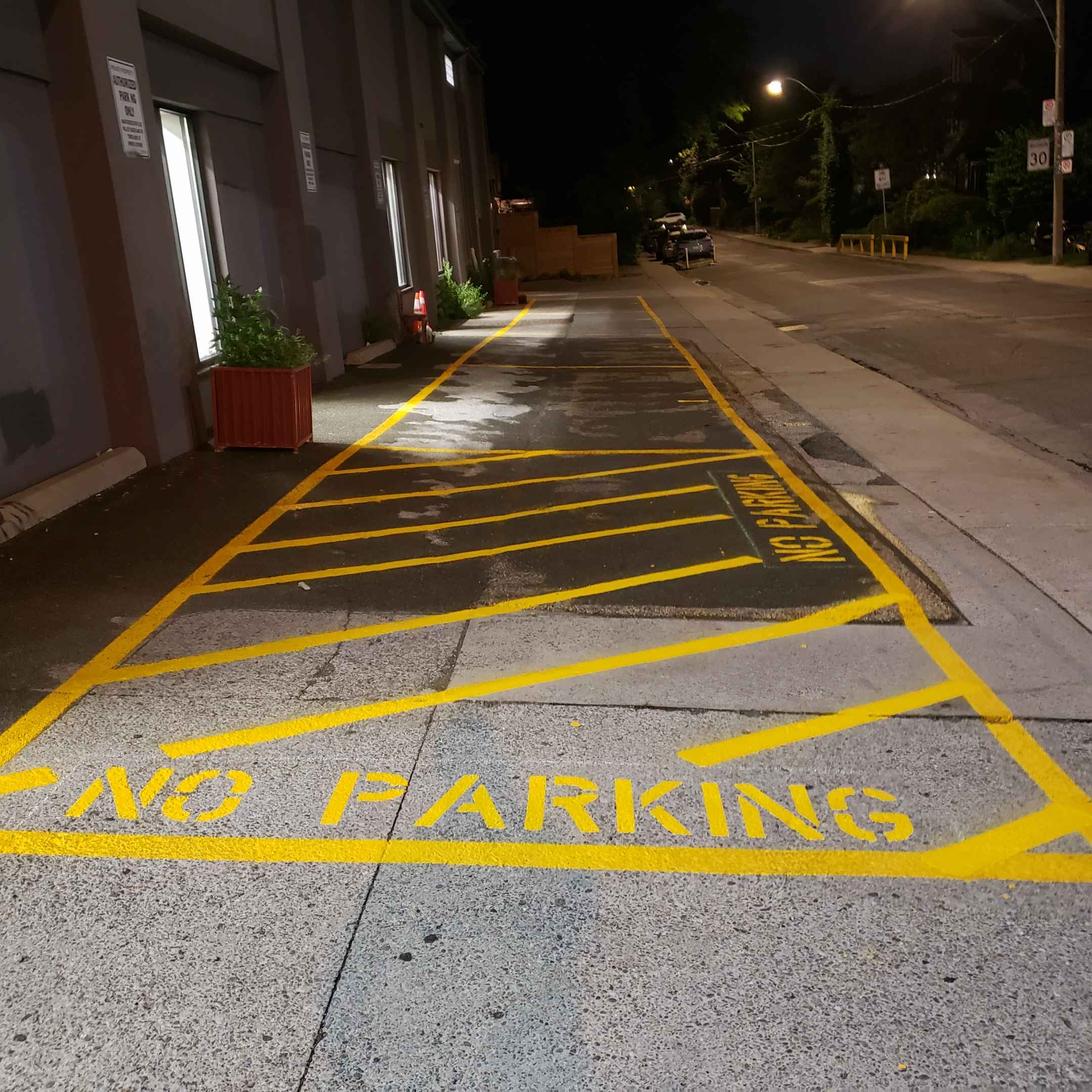
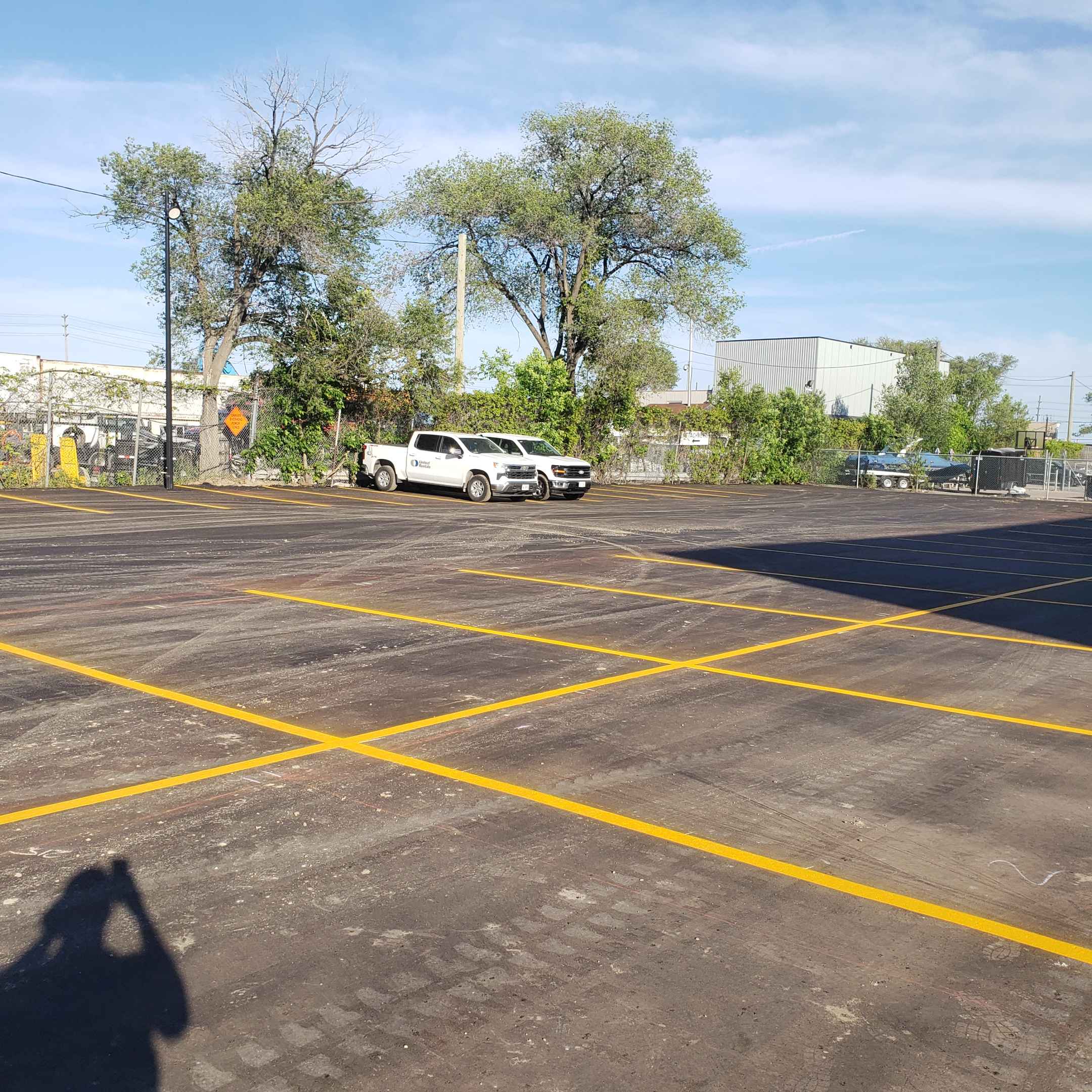
Beyond structural repairs, visual clarity is vital for safety and compliance. This is where professional Line Marking becomes essential. Clear, bright markings guide traffic and ensure pedestrians remain in safe zones. Capital Parking Lot Line Painting specializes in revitalizing worn surfaces, ensuring your lot is both structurally sound and visually professional through expert Line Painting services.
How to Create a Maintenance Schedule
To keep your pavement in top shape, follow these simple steps:
- Perform a visual inspection at least twice a year (Spring and Fall).
- Check for any signs of standing water or pooling after rain.
- Look for fading paint or worn Line Marking that could cause confusion.
- Consult with Capital Parking Lot Line Painting to address cracks before they expand.
Ready to Revitalize Your Pavement?
Don't wait for a minor crack to become a major headache. Whether you need crack sealing, resurfacing, or fresh Line Painting, our team is ready to help your property shine.