How to Spot Structural Cracks in Commercial Lots
Protect your investment and ensure visitor safety by learning the early warning signs of pavement failure.
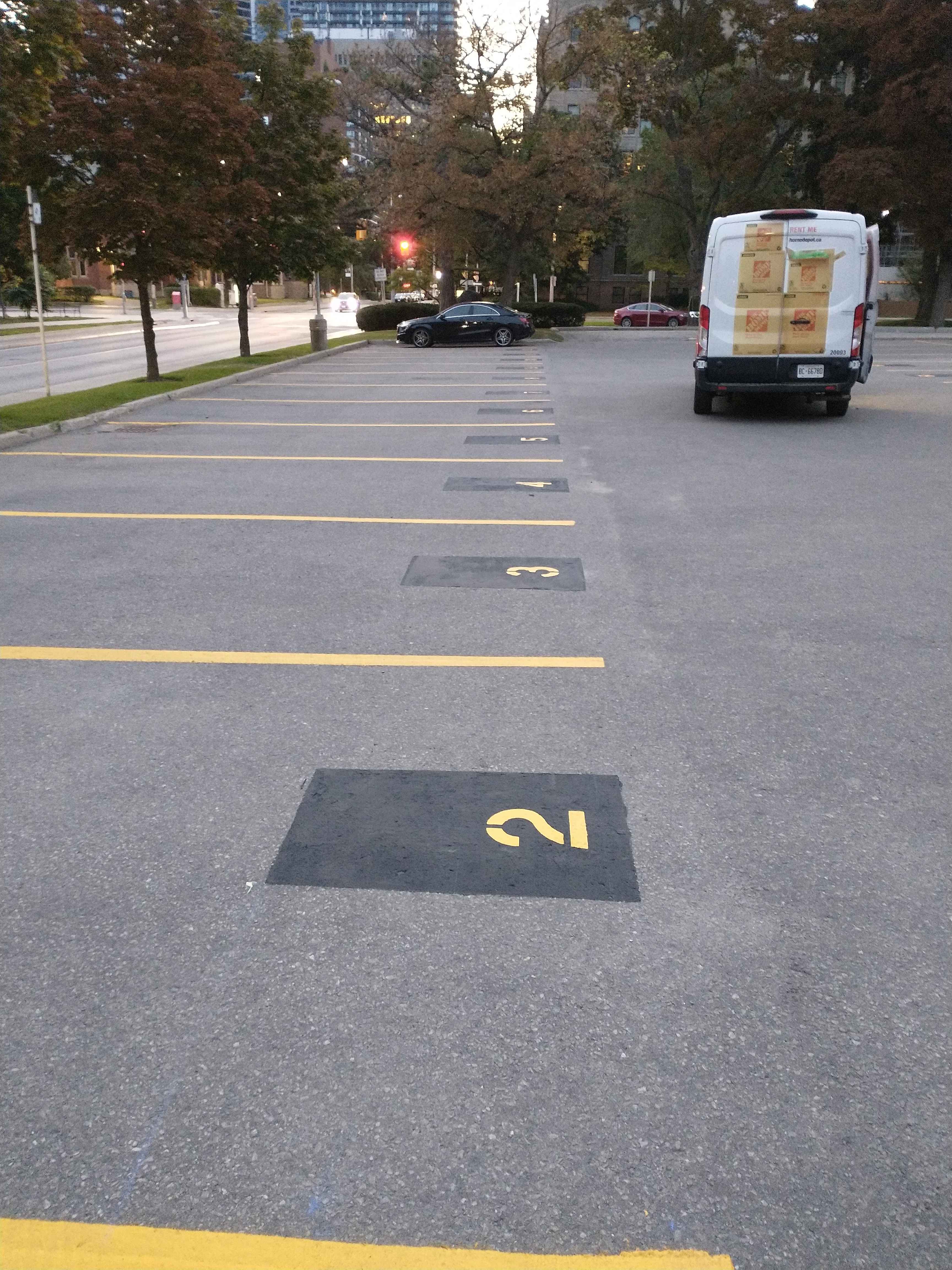
For property managers and business owners in growing hubs like Guelph, the parking lot is more than just a place to park cars; it is the first impression of your business. A well-maintained lot signals professionalism and care. However, the harsh Ontario climate—characterized by extreme temperature swings and heavy salt usage—can wreak havoc on asphalt surfaces.
One of the most critical aspects of facility management is identifying when minor surface issues evolve into major structural failures. At Capital Parking Lot Line Painting, we have seen firsthand how ignoring small cracks can lead to costly full-scale reconstructions. This guide will walk you through how to spot the difference between cosmetic wear and structural danger.
Cosmetic vs. Structural: Knowing the Difference
Not every line on your pavement requires immediate excavation. Understanding the distinction between surface-level aging and deep-seated structural issues is key to effective maintenance budgeting.
1. Hairline and Crazing Cracks
These are thin, shallow cracks that typically appear on the very top layer of the asphalt. They are often caused by UV oxidation or minor temperature changes. While they don't threaten the foundation of your lot, they are the perfect entry point for water. If left untreated, water will seep in, freeze, and expand, turning a cosmetic issue into a structural nightmare.
2. Alligator Cracking (Fatigue Cracking)
This is perhaps the most dangerous sign of structural failure. Alligator cracking looks like the scales on a reptile's skin—a series of interconnected cracks forming small, irregular polygons. This indicates that the base layer underneath the asphalt has failed or that the asphalt is too thin to support the traffic load. When you see this, it is time to call Capital Parking Lot Line Painting for a professional assessment.
3. Longitudinal and Transverse Cracks
Longitudinal cracks run parallel to the direction of traffic, while transverse cracks run perpendicular to it. While these can sometimes be repaired with simple crack filling, deep versions of these cracks often suggest subgrade movement or poor compaction during the original installation.
The Dangers of Ignoring Pavement Damage
- Liability Risks: Large cracks and potholes can cause trips, falls, or damage to customer vehicles, leading to potential legal issues.
- Water Infiltration: In cities like Guelph, freeze-thaw cycles are aggressive. Water entering cracks expands when frozen, widening the gaps rapidly.
- Reduced Curb Appeal: A cracked, crumbling lot suggests a neglected business, driving potential customers toward competitors with better facilities.
- Increased Long-term Costs: Patching a small crack is inexpensive; replacing a collapsed subbase is not.
The Role of Maintenance and Line Marking
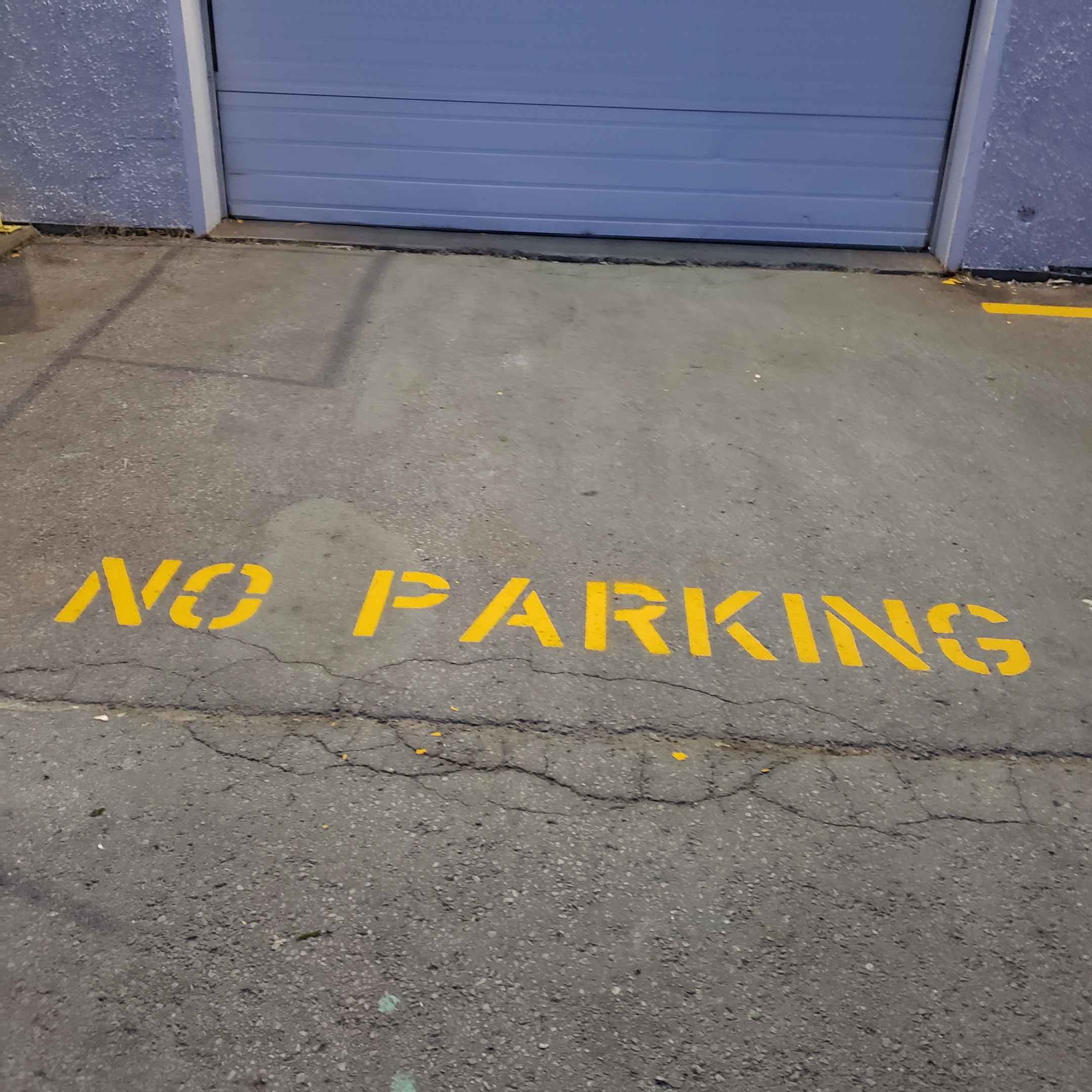
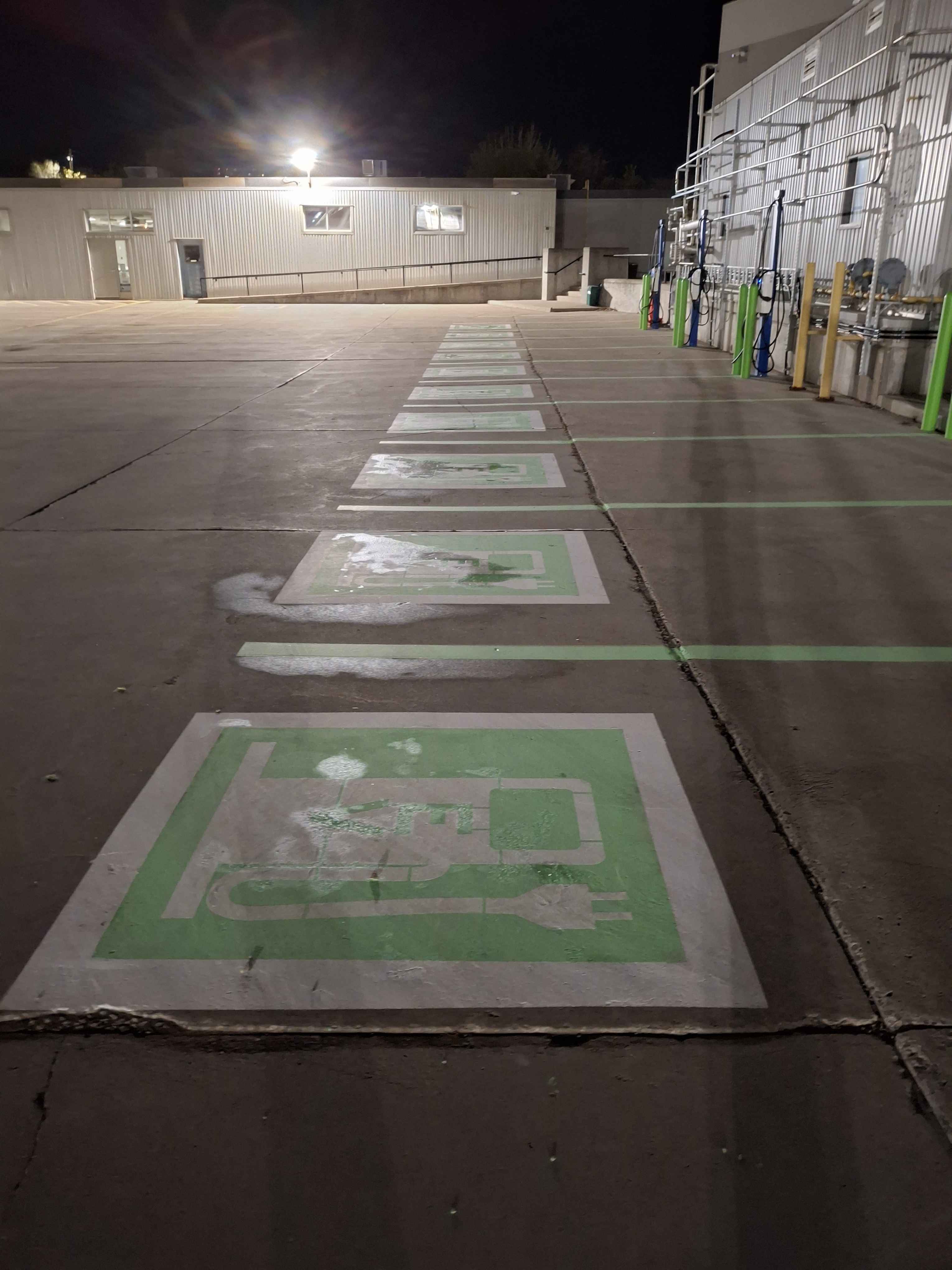
Maintenance isn't just about fixing what is broken; it's about preserving what is working. A comprehensive maintenance plan should include regular cleaning, crack sealing, and refreshing your line marking. Clear, bright lines help guide traffic safely and prevent drivers from wandering into damaged or unpaved areas of the lot.
When your line marking fades, it becomes difficult for drivers to navigate, which can lead to erratic driving patterns that further stress the asphalt surface. By combining structural repairs with high-quality line marking, you create a safe, organized, and aesthetically pleasing environment.
Proactive Inspection Checklist
Perform a walkthrough of your commercial lot at least once every quarter using this checklist:
Check for:
- Discoloration or graying of the asphalt.
- Puddles forming after rain (indicates low spots).
- Edges of the lot crumbling or eroding.
- Faded or peeling paint markings.
Ready to Restore Your Lot?
Don't wait for a pothole to become a problem. Contact Capital Parking Lot Line Painting today to schedule a professional inspection and ensure your commercial property remains safe and functional.