How to Spot Structural Cracks in Commercial Lots
Protecting your investment starts with a keen eye for detail. Identifying pavement distress early can save you thousands in long-term reconstruction costs.
The Importance of Pavement Inspection
For property owners and managers in busy areas like Richmond Hill, a well-maintained parking lot is the first thing a customer sees. It represents the professionalism and safety standards of your business. However, asphalt is a living material that reacts to weather, heavy vehicle loads, and soil shifts. Over time, cracks are inevitable. The real challenge lies in distinguishing between a minor surface fissure and a structural failure that threatens the integrity of the entire lot.
Ignoring these signs can lead to water infiltration, which weakens the sub-base and leads to potholes. This is where professional oversight from Capital Parking Lot Line Painting becomes invaluable. Regular inspections ensure that small issues are addressed before they escalate into major structural disasters.
Types of Cracks: Cosmetic vs. Structural
Not all cracks are created equal. Understanding the difference is the key to effective maintenance planning.
1. Hairline and Crazing Cracks
These are small, shallow cracks that appear on the surface of the asphalt. They are often caused by oxidation or aging of the bitumen. While they look unsightly, they are typically cosmetic and can be managed with routine maintenance and high-quality Line Marking to keep the lot looking sharp.
2. Longitudinal and Transverse Cracks
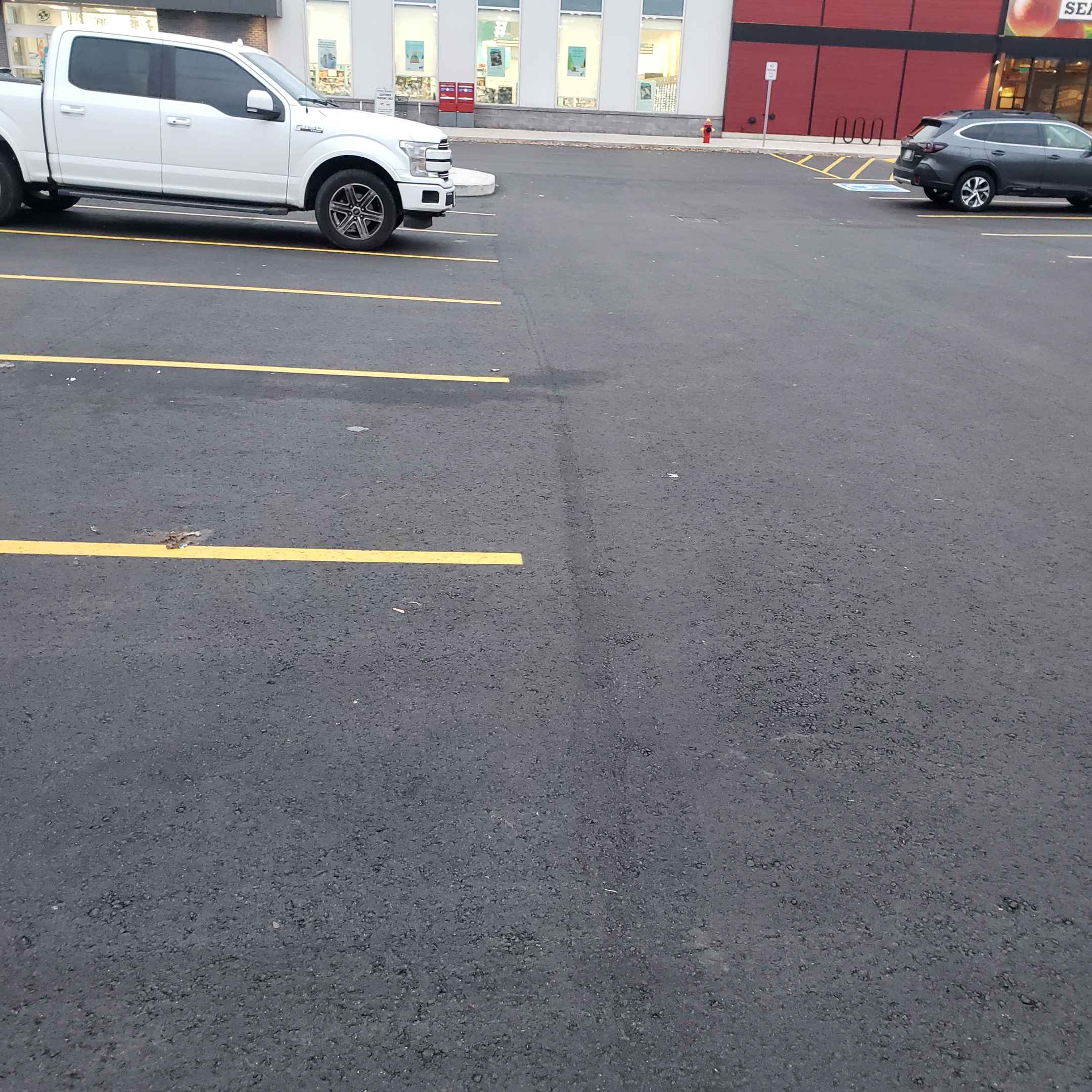
Longitudinal cracks run parallel to the direction of travel, while transverse cracks run perpendicular to it. If these are narrow, they are manageable. However, if they begin to widen, they indicate that the base layer may be shifting.
3. Alligator Cracking (Fatigue Cracking)
This is the most serious type of structural crack. It looks like the scales on an alligator's skin—a series of interconnecting cracks forming small, irregular polygons. This is a clear sign of base failure. When you see alligator cracking, it is time to contact Capital Parking Lot Line Painting immediately to prevent a total lot collapse.
Red Flags to Watch For
When conducting your monthly walkthroughs, keep an eye out for these specific warning signs:
- Widening Fissures: Any crack that grows wider over a single season.
- Depressions and Rutting: Areas where the asphalt has sunk or where tires leave permanent grooves.
- Water Pooling: Standing water after a rainstorm often indicates a change in the lot's grade or sub-surface instability.
- Edge Cracking: Cracks forming along the perimeter of the lot, often caused by poor soil compaction at the edges.
The Role of Maintenance in Longevity
Preventative maintenance is significantly more effective than reactive repair. In a top 30 city like Richmond Hill, where seasonal temperature fluctuations are extreme, the freeze-thaw cycle can wreak havoc on asphalt. When water enters a crack and freezes, it expands, forcing the crack deeper and wider.
A comprehensive maintenance plan should include:
- Crack Sealing: Filling cracks with specialized rubberized asphalt to prevent water penetration.
- Surface Treatments: Applying sealants to protect against UV damage.
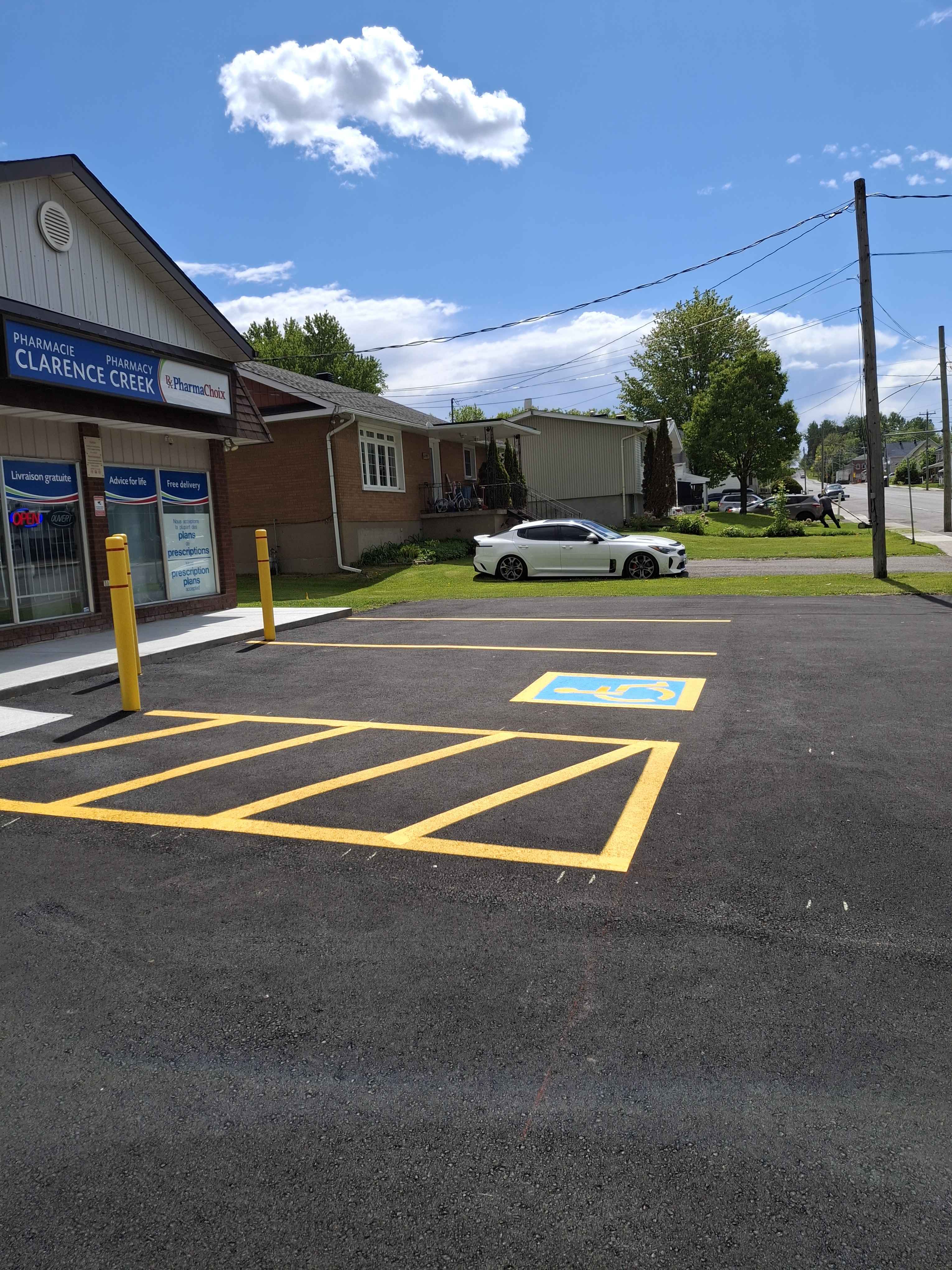
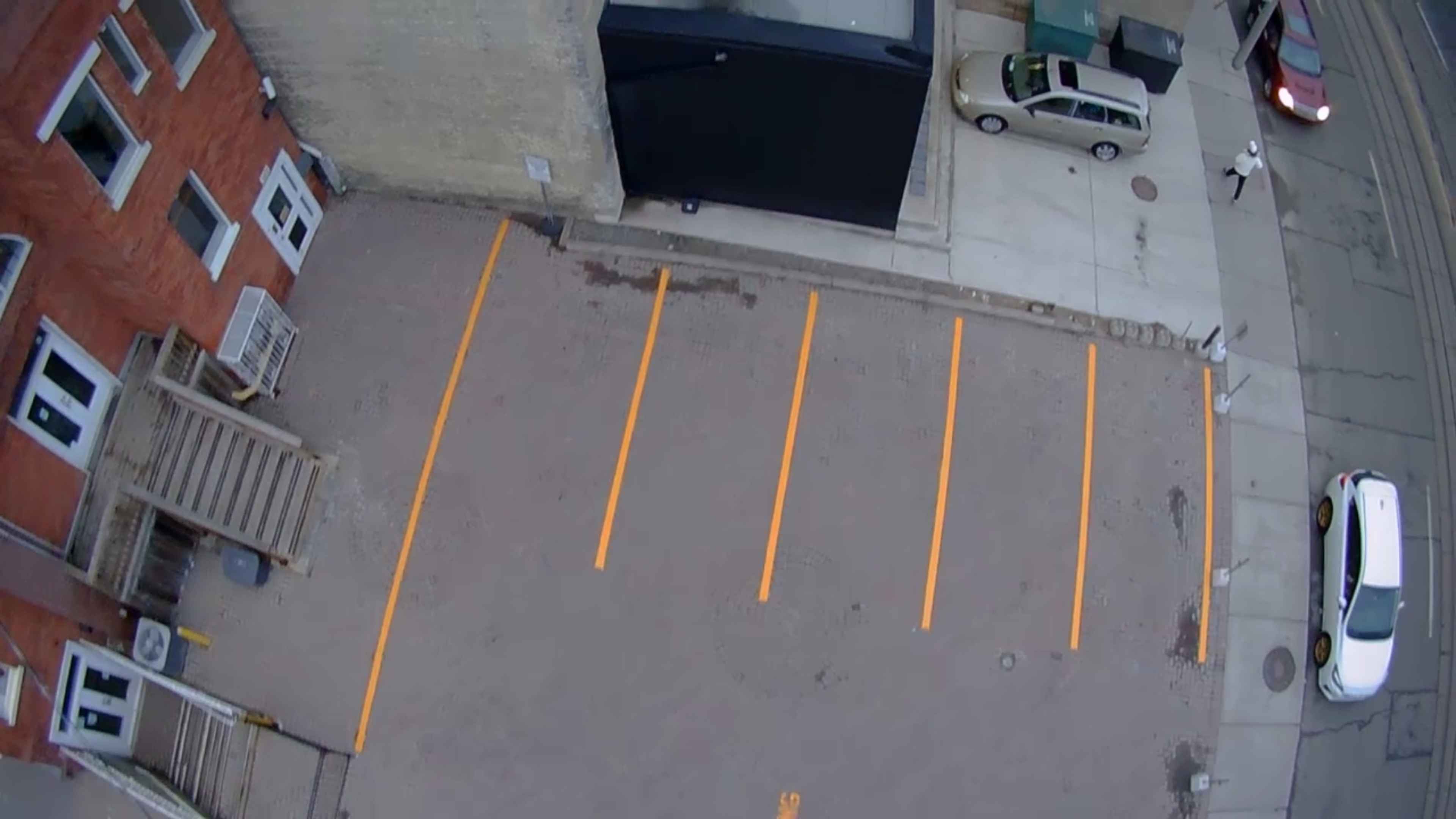
- Line Marking: Refreshing your Line Painting to ensure traffic flow remains safe and organized.
- Structural Repairs: Addressing base failures before they require a full repave.
By partnering with experts like Capital Parking Lot Line Painting, you ensure that these tasks are performed using industry-standard materials that withstand the Ontario climate.
Visual Summary
Regularly inspecting your lot and maintaining clear Line Marking helps prevent accidents and keeps your property looking its best. Don't wait for a pothole to form—act while the cracks are still manageable.