How to Spot Structural Cracks in Commercial Lots
A well-maintained parking lot is the first thing customers notice about your business. Beyond aesthetics, the integrity of your asphalt or concrete is a matter of safety and long-term liability management.
The Importance of Early Detection
For business owners in growing hubs like Whitby, property maintenance is a continuous cycle. A commercial parking lot undergoes immense stress from heavy vehicle traffic, temperature fluctuations, and environmental exposure. When cracks begin to appear, they are often the first warning sign that the sub-base or the pavement material itself is failing.
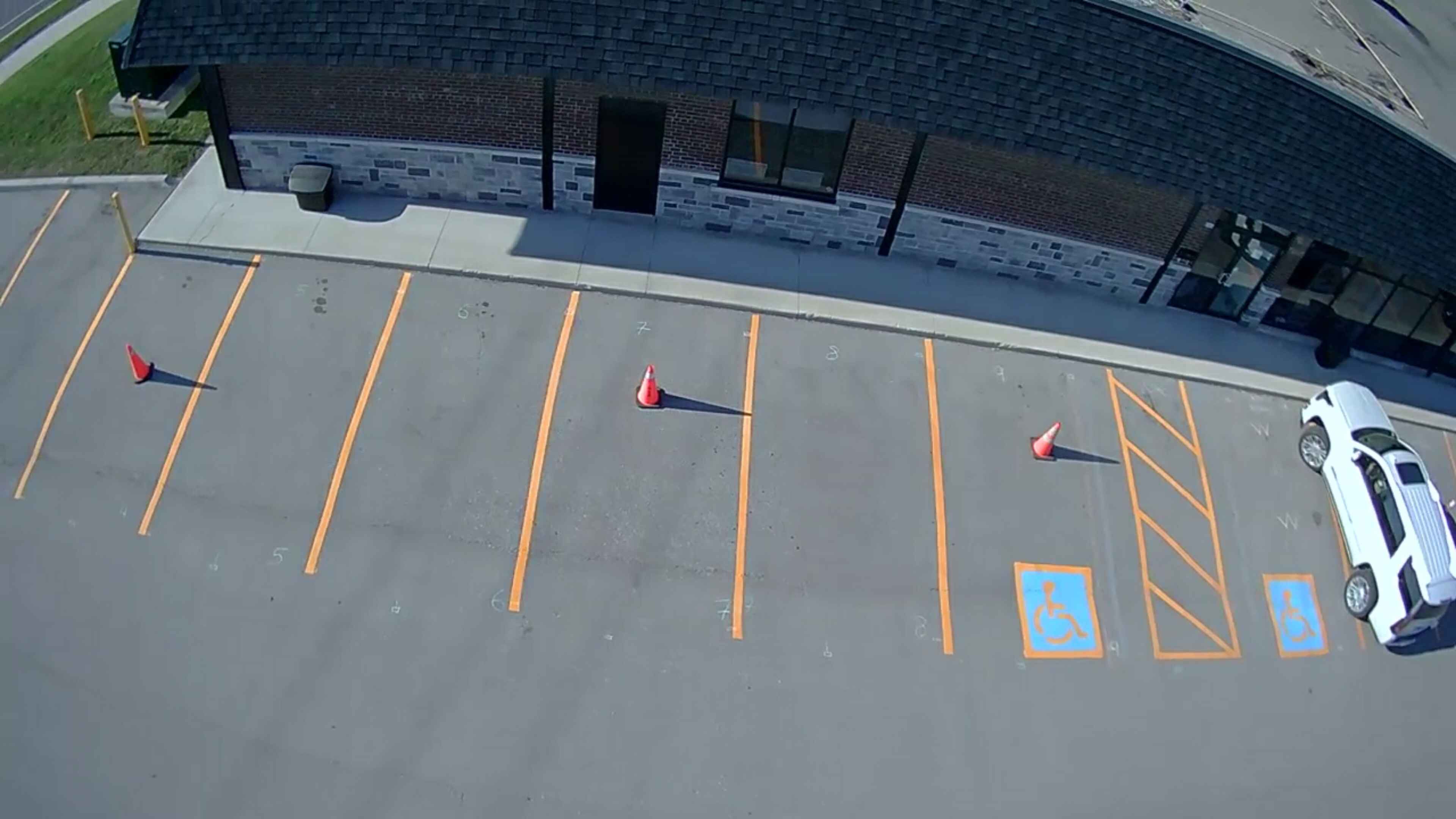
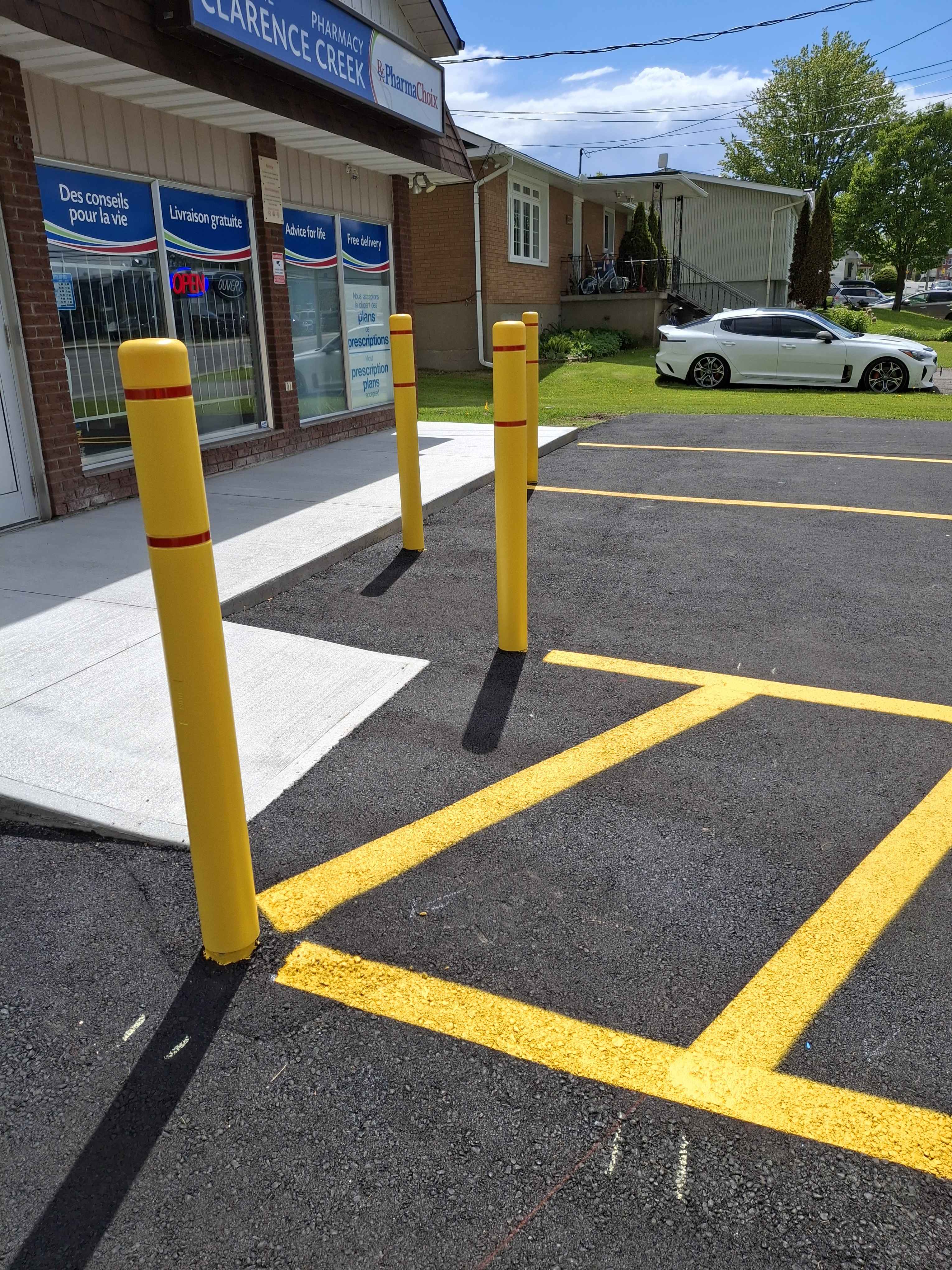
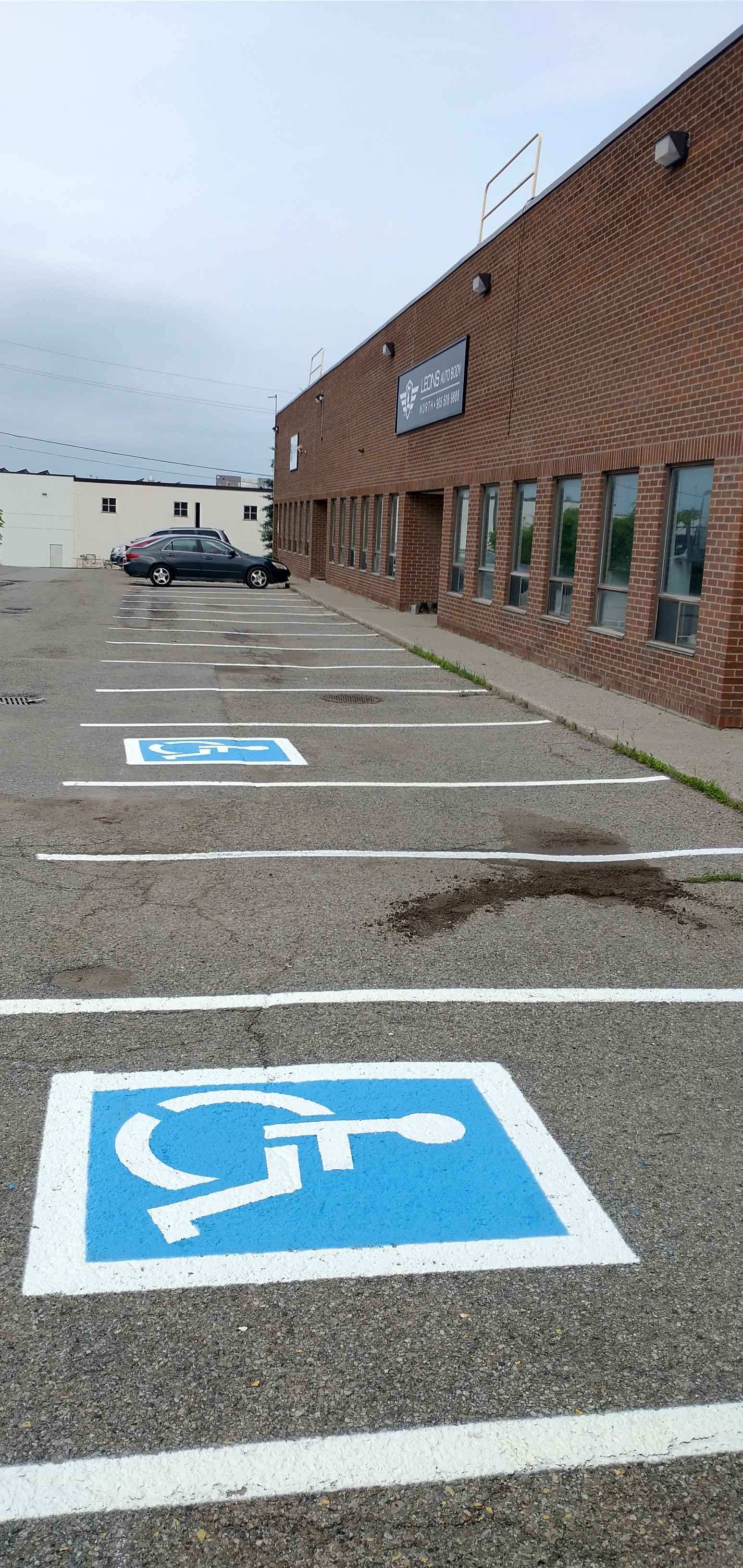
Ignoring these signs can lead to exponential repair costs. What starts as a hairline fracture can quickly evolve into a pothole that damages vehicles or causes trip-and-fall accidents. This is why regular inspections and professional Line Marking are vital to keep the lot organized and safe.
Identifying Different Types of Cracks
Not all cracks are created equal. Understanding the distinction between cosmetic surface issues and deep structural failures is the key to effective maintenance planning.
1. Hairline and Surface Cracks
These are usually shallow and occur on the very top layer of the asphalt. They are often caused by oxidation (sun damage) or minor shrinkage. While they don't immediately threaten the foundation, they allow water to seep in, which can lead to larger issues during the freeze-thaw cycles common in Ontario.
2. Alligator Cracking (Fatigue Cracking)
This is one of the most serious signs of structural failure. It looks like the scales on an alligator's skin—a series of interconnected, small cracks. This pattern indicates that the base layer of your lot is no longer supporting the weight of the vehicles, often due to water infiltration or poor compaction during initial construction.
3. Longitudinal and Transverse Cracks
Longitudinal cracks run parallel to the direction of travel, while transverse cracks run perpendicular to it. While these can be caused by temperature changes, they often signal that the pavement is shifting or that the subgrade is unstable.
Red Flags: When to Call the Experts
If you notice any of the following, it is time to contact Capital Parking Lot Line Painting to assess the damage:
- Water Pooling: If water stays in specific areas after rain, your lot's grading or structural integrity is compromised.
- Rapid Expansion: If a crack that was small last month is significantly wider this month.
- Pothole Formation: This is a sign that the structural foundation has completely failed in that localized area.
- Uneven Surfaces: Any "heaving" or sinking of the pavement can create dangerous obstacles for pedestrians and cars.
The Role of Maintenance and Line Marking
Effective lot management isn't just about fixing holes; it's about clarity and prevention. At Capital Parking Lot Line Painting, we understand that a lot that is clearly defined is a lot that is easier to inspect. Regular Line Painting ensures that traffic flows correctly, reducing the heavy braking and sharp turning maneuvers that contribute to surface wear and tear.
In a busy city like Whitby, high-traffic commercial lots require frequent attention to both their structural health and their visual guidance systems. Keeping your lines crisp and your surface sealed is a dual-pronged approach to longevity.
Summary Checklist for Property Managers
Use this quick guide during your monthly walk-throughs:
- Check for any new cracks that appear wider than a coin.
- Look for "alligator skin" patterns in high-traffic turning zones.
- Inspect the edges of the lot for erosion or soil washout.
- Verify that Line Marking is still visible and directing traffic away from damaged zones.
- Identify any areas where water collects or drains poorly.
Don't Wait for the Damage to Worsen
Proactive maintenance is always more cost-effective than reactive emergency repairs. By identifying structural cracks early, you can implement sealcoating or localized repairs before the entire lot requires a complete overhaul. Trust Capital Parking Lot Line Painting to help you maintain a safe, professional, and durable parking environment.