How to Spot Structural Cracks in Commercial Lots
Protecting your property begins with a keen eye for detail and understanding the foundation of your pavement.
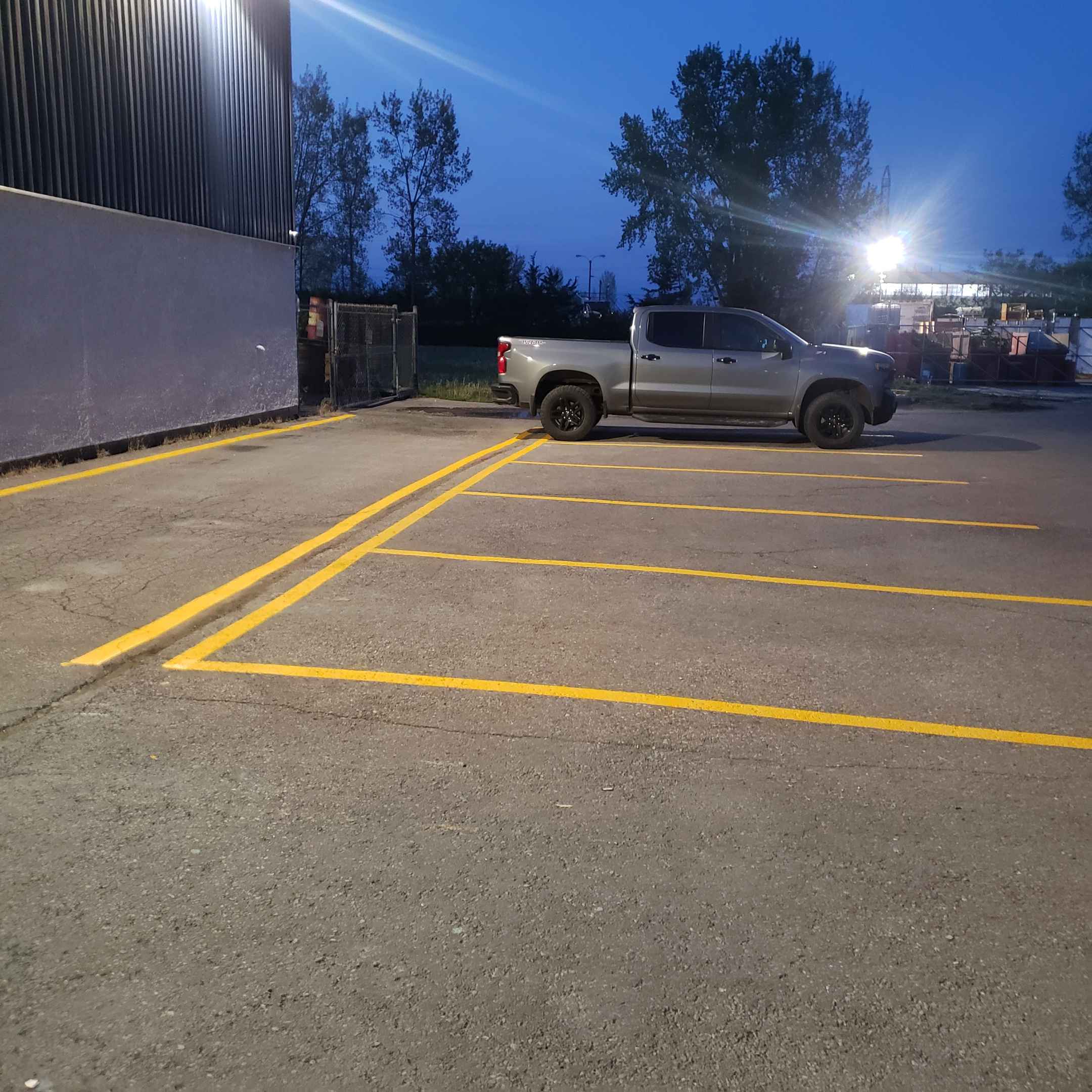
For property managers and business owners, a parking lot is more than just a place for customers to park; it is the first impression of your business. However, beneath the surface of your asphalt or concrete lies a complex structure that is constantly under stress from weather, heavy vehicles, and soil movement. In a growing hub like Sarnia, where seasonal temperature shifts can be extreme, recognizing the difference between a minor surface fissure and a major structural failure is critical.
At Capital Parking Lot Line Painting, we have seen firsthand how neglected cracks can evolve from small inconveniences into massive, expensive reconstruction projects. This guide will walk you through the essential signs of structural distress so you can stay ahead of the curve.
Understanding the Types of Cracks
Not all cracks are created equal. To manage your maintenance budget effectively, you must first categorize what you are seeing. Generally, cracks fall into two categories: cosmetic (surface) and structural (sub-base).
1. Hairline and Alligator Cracking
Alligator cracking, named for its resemblance to the scales of an alligator, is one of the most serious signs of structural failure. It typically appears as a series of interconnected cracks forming small, irregular polygons. This usually indicates that the sub-base—the foundation beneath the asphalt—has failed or been compromised by water penetration.
2. Longitudinal and Transverse Cracks
Longitudinal cracks run parallel to the direction of travel, while transverse cracks run perpendicular to it. While single, thin cracks may be caused by simple thermal expansion, wider versions of these cracks often suggest that the underlying soil is shifting or that the pavement is being stretched beyond its capacity.
3. Potholes and Depressions
When cracks are left unaddressed, water seeps into the foundation. In a city like Sarnia, the freeze-thaw cycle expands this water, creating voids under the surface. Eventually, the pavement collapses into these voids, creating potholes. This is no longer a surface issue; it is a structural emergency.
Red Flags: When to Call a Professional
If you notice any of the following, it is time to contact Capital Parking Lot Line Painting for a professional assessment:
- Cracks that are wider than a quarter-inch.
- Large areas of "alligatoring" or interconnected web-like patterns.
- Significant pooling of water after rain, indicating uneven sub-base.
- Pavement that feels "spongy" or soft when driven over.
- Cracks that seem to be widening rapidly over a short period.
The Relationship Between Cracks and Line Marking
Many property owners mistakenly believe that if their parking lot looks good from a distance, it is in good health. However, faded or peeling line marking can often be a hidden indicator of surface degradation. When the asphalt begins to heave or crack, the crisp lines of your parking stalls will begin to warp, bend, or break apart.
Maintaining high-quality line painting is essential for safety and organization, but it should always be performed on a stable surface. If you attempt line painting over significant structural cracks without first performing repairs, the new lines will crack along with the pavement, wasting your resources and leaving the lot looking unprofessional.
Preventative Maintenance Strategies
The most cost-effective way to manage a commercial lot is through proactive care. Waiting for a pothole to form is a reactive strategy that costs significantly more than preventative measures. Capital Parking Lot Line Painting recommends a three-pillar approach to pavement longevity:
- Crack Sealing: Filling small cracks before they allow water to reach the sub-base.
- Sealcoating: Applying a protective layer to shield the asphalt from UV rays and oil spills.
- Regular Inspection: Conducting seasonal walkthroughs to identify new distress signs early.
Don't Wait for the Damage to Spread
Early detection is the difference between a simple sealcoating job and a complete lot replacement. By monitoring your pavement for structural cracks today, you ensure a safer environment for your customers and a longer lifespan for your property.