How to Spot Structural Cracks in Commercial Lots
Understanding the difference between surface wear and structural failure is critical for property managers and business owners.
For property owners in busy hubs like Markham, a parking lot is more than just a place to park cars; it is the first impression your business makes. However, beneath the surface of your asphalt or concrete lies a complex structural system. When that system begins to fail, it often manifests as cracks. Not all cracks are created equal, and distinguishing between a minor cosmetic issue and a major structural threat is essential for long-term asset management.
At Capital Parking Lot Line Painting, we have seen firsthand how neglecting small fissures can lead to massive reconstruction projects. This guide will walk you through the various types of cracks and how to monitor them effectively.
Types of Cracks: Cosmetic vs. Structural
Before you call in the repair crews, it is helpful to understand what you are looking at. In the world of pavement management, we generally categorize cracks into two main groups.
1. Superficial (Cosmetic) Cracks
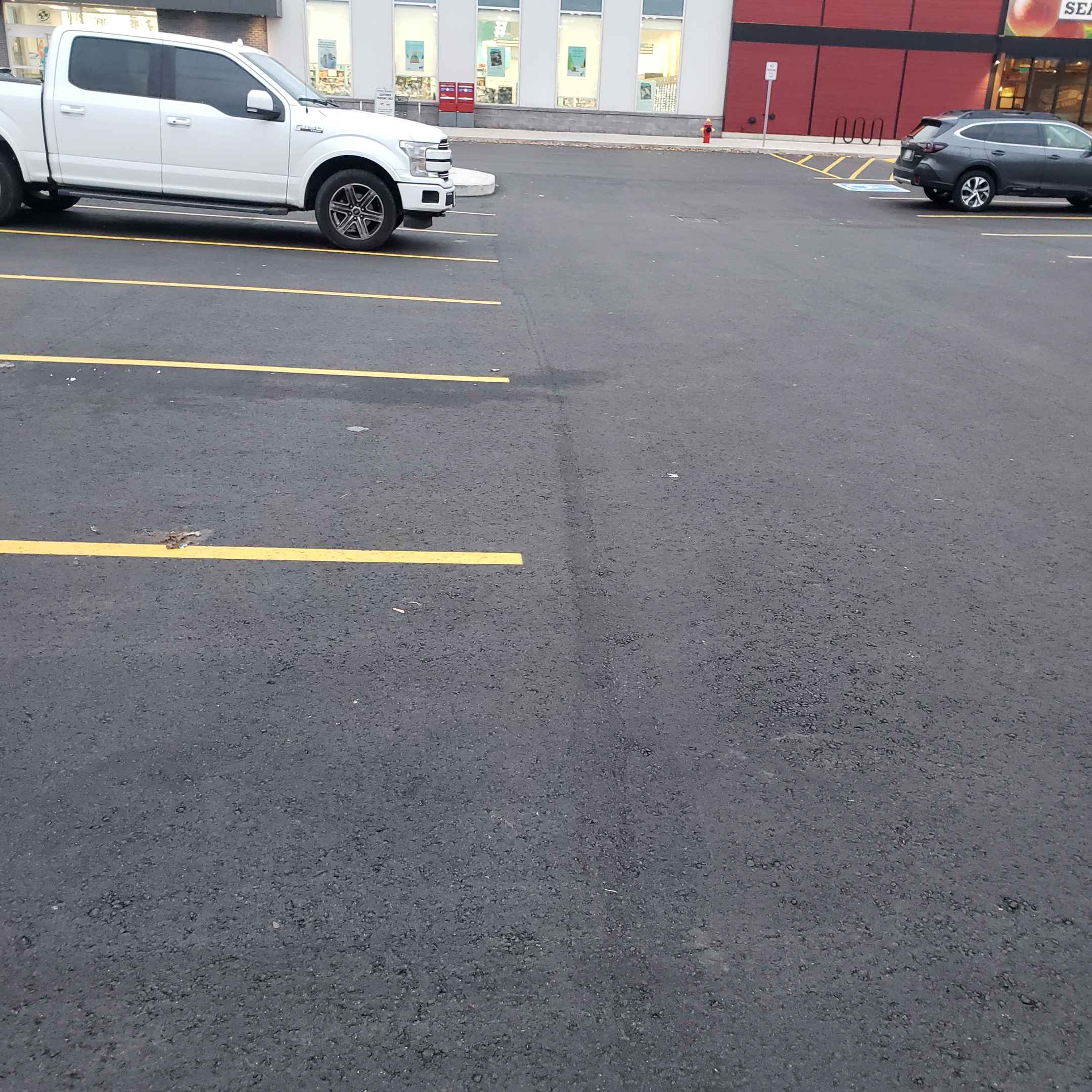
These are often caused by the natural aging of the asphalt binder or slight temperature fluctuations. They are typically thin, shallow, and do not extend through the full depth of the pavement. While they might look unsightly, they don't necessarily indicate that the foundation of your lot is failing. Often, addressing these with professional Line Marking and sealcoating can prevent them from evolving into larger issues.
2. Structural Cracks
Structural cracks are a different story altogether. These are deep, wide, and often follow a pattern that suggests the base material underneath is shifting or settling. If you notice these, it is time to consult experts like Capital Parking Lot Line Painting to assess the integrity of your lot.
Red Flags: What to Look For
When performing a routine walkthrough of your commercial property in Markham, keep an eye out for these specific warning signs:
- Alligator Cracking: This looks like the scales on an alligator's back. It is a series of interconnected cracks that suggest the base layer can no longer support the load.
- Longitudinal Cracks: These run parallel to the direction of traffic. While sometimes caused by poor joint construction, they can also indicate subgrade issues.
- Transverse Cracks: These run perpendicular to the direction of traffic. These are often caused by thermal expansion and contraction.
- Edge Cracking: Cracks that form along the perimeter of the lot, often caused by poor compaction at the edges or water infiltration.
- Potholes: These are the final stage of unaddressed cracking, where the surface has completely disintegrated.
The Role of Maintenance and Line Marking
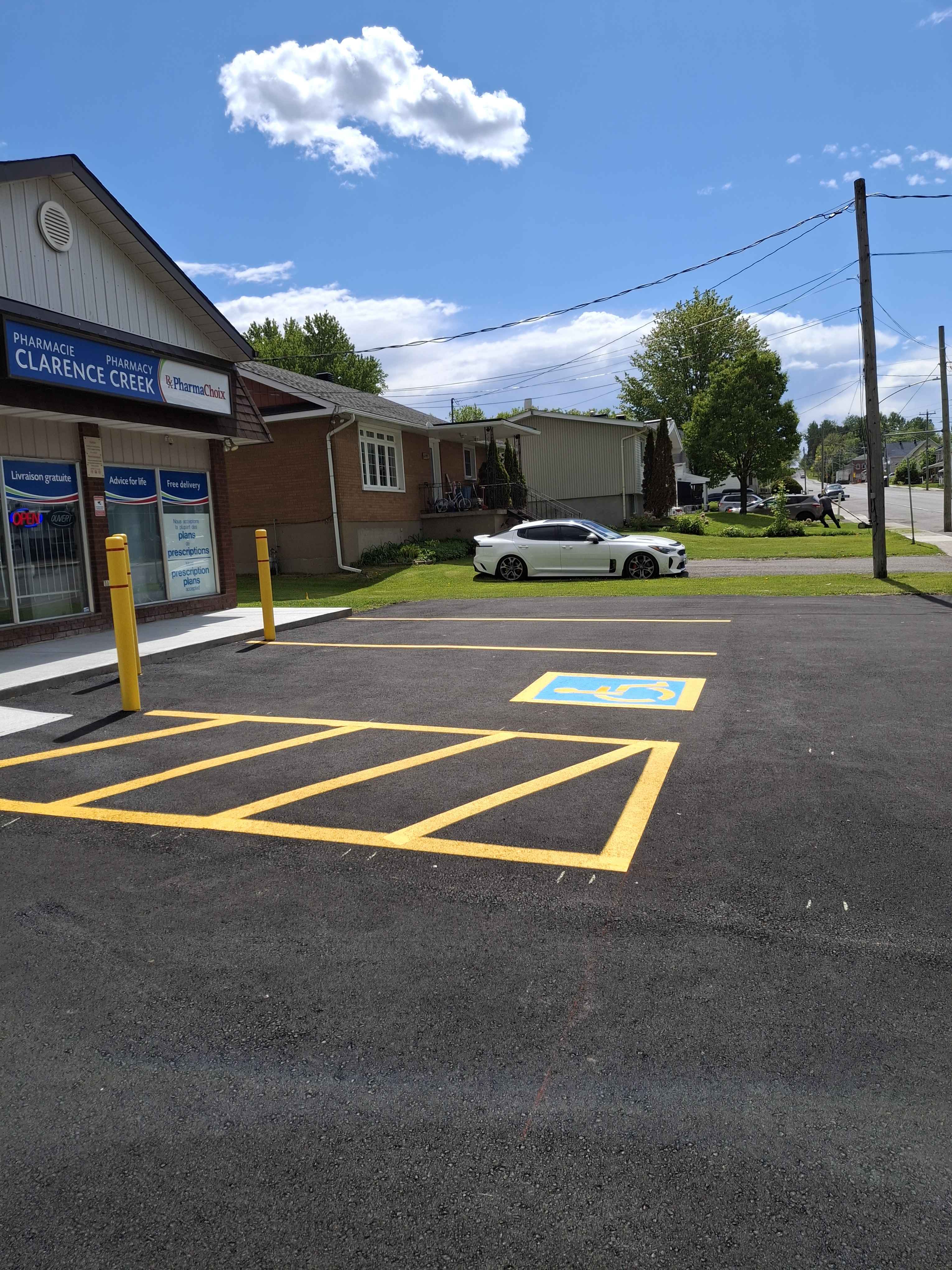
Preventative maintenance is the most effective way to extend the life of your lot. This includes regular cleaning, sealcoating, and high-quality Line Painting. When your lines are crisp and clearly defined, it not only improves safety but also makes it easier to spot new cracks during inspections.
A well-maintained lot with fresh Line Marking shows customers that you care about the details. Capital Parking Lot Line Painting recommends a bi-annual inspection to catch these issues in their infancy, saving you from the headache of total lot replacement.
Common Mistakes in Lot Management
Many property managers fall into common traps that exacerbate pavement damage. Avoid these pitfalls:
Ignoring Water Drainage: Water is the enemy of asphalt. If water pools in certain areas, it will seep into small cracks, freeze, and expand, turning a minor crack into a structural failure.
Delaying Repairs: Waiting until a pothole forms is often too late. The cost of repairing a crack is significantly lower than the cost of replacing a section of pavement.
Professional Assessment
If you are unsure whether your cracks are cosmetic or structural, do not guess. Professional inspection ensures you apply the right solution for the right problem.
Connect With Us
Stay updated on the best practices for commercial lot maintenance and follow our latest projects: