How Water and Salt Damage Asphalt Through Cracks
Understanding the silent killers of your pavement: the destructive cycle of moisture and winter de-icing agents.
For property owners in Barrie, maintaining a pristine parking lot is more than just a matter of aesthetics; it is a critical component of asset management. As a top 30 city in Ontario, Barrie experiences harsh seasonal shifts that put immense pressure on infrastructure. Among the many environmental factors that degrade pavement, none are as relentless or as destructive as the combination of water and salt entering through existing cracks.
At Capital Parking Lot Line Painting, we often see the aftermath of neglected cracks. What starts as a hairline fracture can quickly escalate into a full-scale structural failure if not addressed promptly. To protect your investment, it is essential to understand the science behind this deterioration.
The Freeze-Thaw Cycle: A Mechanical Assault
Water is the primary catalyst for asphalt failure. While asphalt is designed to be relatively water-resistant, it is not waterproof. When small cracks appear due to age, heavy traffic, or UV exposure, water finds its way into the sub-base of your parking lot.
Expansion and Contraction
In Ontario, we face the classic freeze-thaw cycle. When water enters a crack and the temperature drops below freezing, that water turns into ice. Because water expands by approximately 9% when it freezes, it exerts massive internal pressure against the walls of the crack. This pressure forces the crack to widen and deepen.
As the ice melts during a thaw, it leaves behind a larger void, allowing even more water to enter during the next freeze. This repetitive mechanical action acts like a slow-motion wedge, eventually breaking apart the aggregate and the bitumen binder that holds your asphalt together.
The Chemical Threat: How Salt Accelerates Decay
While water provides the physical force, salt (sodium chloride) provides the chemical catalyst that speeds up the destruction. In cities like Barrie, salt is a necessity for winter safety, but it is an enemy to asphalt longevity.
When salt is applied to a parking lot, it dissolves in the moisture present on the surface. This brine solution seeps deep into the cracks, reaching the very foundation of your pavement. This causes several issues:
- Oxidation Acceleration: Salt can accelerate the oxidation of the asphalt binder, making the pavement brittle and more prone to cracking.
- Sub-base Erosion: As brine moves through the cracks, it can wash away the fine particles in the sub-base, creating hollow pockets (voids) beneath the surface.
- Increased Pothole Formation: The combination of salt-weakened binder and freeze-thaw pressure leads to rapid pothole development.
The Domino Effect: From Cracks to Structural Failure
The damage caused by water and salt is rarely localized to the crack itself. Instead, it triggers a domino effect that compromises the entire parking area. Once the sub-base is compromised by moisture and salt, the asphalt loses its structural support. Under the weight of vehicles, the surface begins to sag, leading to alligator cracking—a pattern of interconnected cracks that resembles reptile skin.
This is where professional intervention becomes necessary. Capital Parking Lot Line Painting specializes in identifying these early warning signs before they become costly reconstruction projects. By sealing cracks early, you prevent the infiltration of the elements and preserve the integrity of the base layer.
Prevention and Maintenance Strategies
Preventative maintenance is significantly more effective than reactive repairs. To keep your parking lot in top shape, consider the following steps:
- Annual Crack Sealing: Seal cracks every spring to prevent winter water infiltration.
- Regular Cleaning: Remove debris and silt from cracks that can hold moisture.
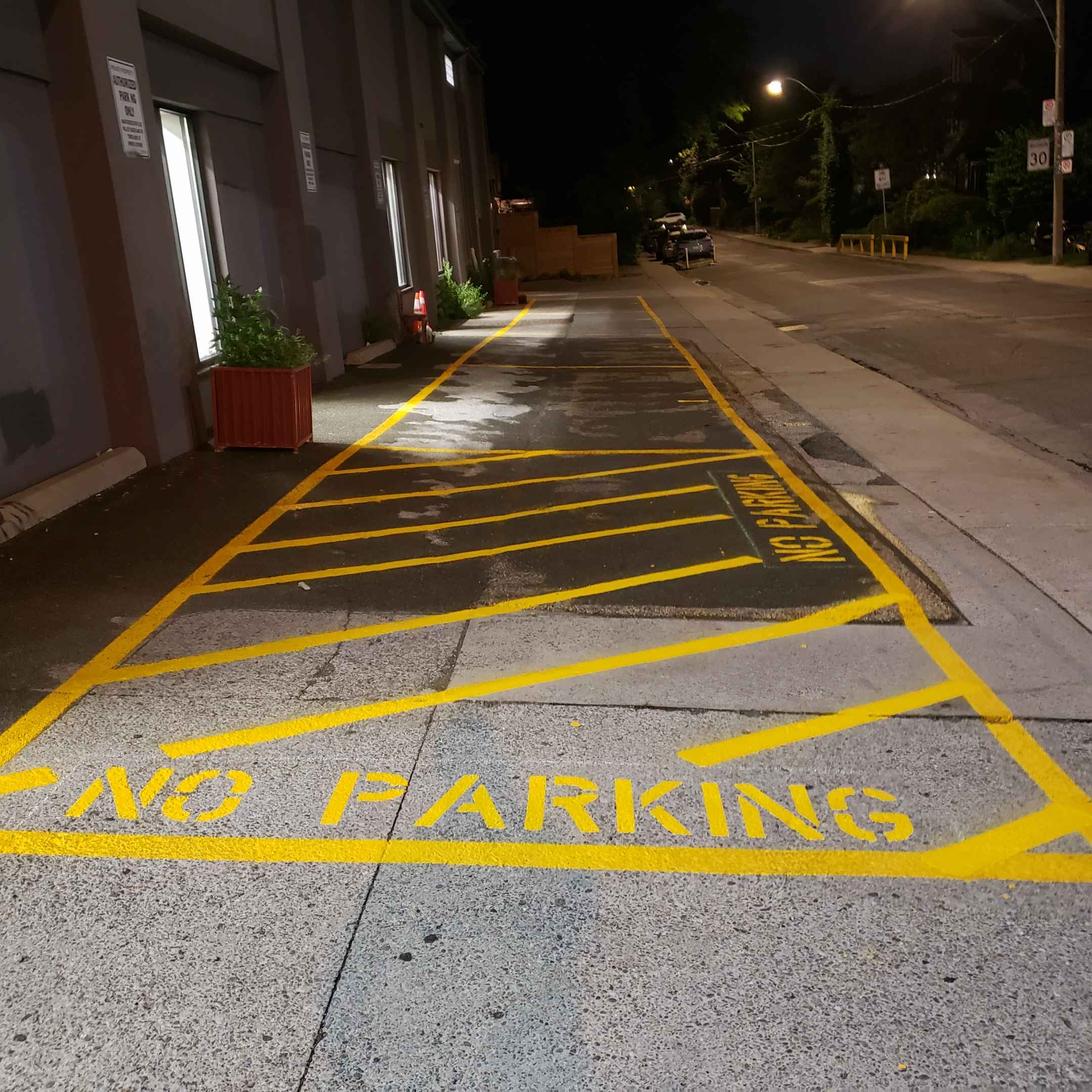
- Professional Line Marking: Ensuring your Line Marking is clear and well-maintained helps direct traffic flow, reducing unnecessary stress on worn areas of the asphalt.
- Sealcoating: Apply a protective sealant to rejuvenate the surface and provide a barrier against UV rays and salt.
At Capital Parking Lot Line Painting, we recommend a proactive approach to ensure your pavement survives the harsh Ontario climate.
Quick Summary: Damage Triggers
Don't let small cracks turn into massive potholes. Protecting your asphalt from water and salt is the most effective way to extend its lifespan and save on long-term maintenance costs.