How Water and Salt Damage Asphalt Through Cracks
Understanding the invisible forces that turn minor cracks into major structural failures in your parking lot.
For property owners in Oakville, maintaining a pristine parking lot is more than just a matter of aesthetics; it is a matter of structural longevity. Asphalt is a resilient material, but it is not invincible. The two greatest enemies of your pavement are often the most common elements we encounter: water and salt. When these two forces combine, they create a destructive cycle that can turn a small, manageable crack into a massive pothole in a single season.
At Capital Parking Lot Line Painting, we see the aftermath of this chemical and physical warfare every day. Understanding how this process works is the first step in preventing the rapid deterioration of your commercial or residential surfaces.
The Science of the Freeze-Thaw Cycle
The primary way water destroys asphalt is through a physical process known as the freeze-thaw cycle. Asphalt is a semi-flexible material, but it still develops small fissures due to heavy traffic, UV exposure, and aging. Once a crack forms, it provides an entry point for water.
When water enters a crack and the temperature drops below freezing, the water expands. As we know, water expands by approximately 9% when it turns to ice. This expansion exerts immense internal pressure against the walls of the crack, forcing it to widen. When the temperature rises again, the ice melts, leaving a larger void for even more water to enter. This repetitive cycle acts like a slow-motion wedge, systematically prying the asphalt apart from the inside out.
The Corrosive Role of Road Salt
While water provides the physical force, salt provides the chemical catalyst. In Ontario, particularly in high-traffic areas like Oakville, salt is used extensively to manage ice. However, salt is highly aggressive toward the chemical bonds that hold asphalt together.
When salt-laden water seeps into cracks, it doesn't just sit there. It penetrates the sub-base of your parking lot. This leads to several critical issues:
- Oxidation Acceleration: Salt can speed up the oxidation of the bitumen (the "glue" in asphalt), making it brittle and more prone to cracking.
- Sub-base Erosion: Once salt-water reaches the soil or gravel underneath the asphalt, it can alter the soil composition, leading to uneven settling and structural instability.
- Chemical Stripping: Salt can cause a process called "stripping," where the bond between the aggregate (stones) and the bitumen is chemically broken, causing the asphalt to crumble into small pieces.
Don't Wait for the Potholes
Ignoring small cracks is the most expensive mistake a property manager can make. By the time you see a pothole, the damage to the sub-base is already done. Regular inspections and professional maintenance are required to keep your surfaces safe and functional.
How to Protect Your Investment
Preventative maintenance is the only way to combat the natural degradation caused by the elements. At Capital Parking Lot Line Painting, we recommend a multi-tiered approach to surface protection.
1. Crack Sealing
The most effective way to stop water and salt is to prevent them from entering the cracks in the first place. Professional crack sealing involves cleaning out the debris and filling the fissure with a flexible, rubberized sealant that can withstand the expansion and contraction of the seasons.
2. Sealcoating
Sealcoating provides a protective barrier over the entire surface of the asphalt. This layer acts as a shield against UV rays and helps prevent salt from penetrating the top layer of the pavement. It also restores the deep black color of the asphalt, enhancing curb appeal.
3. Clear Line Marking
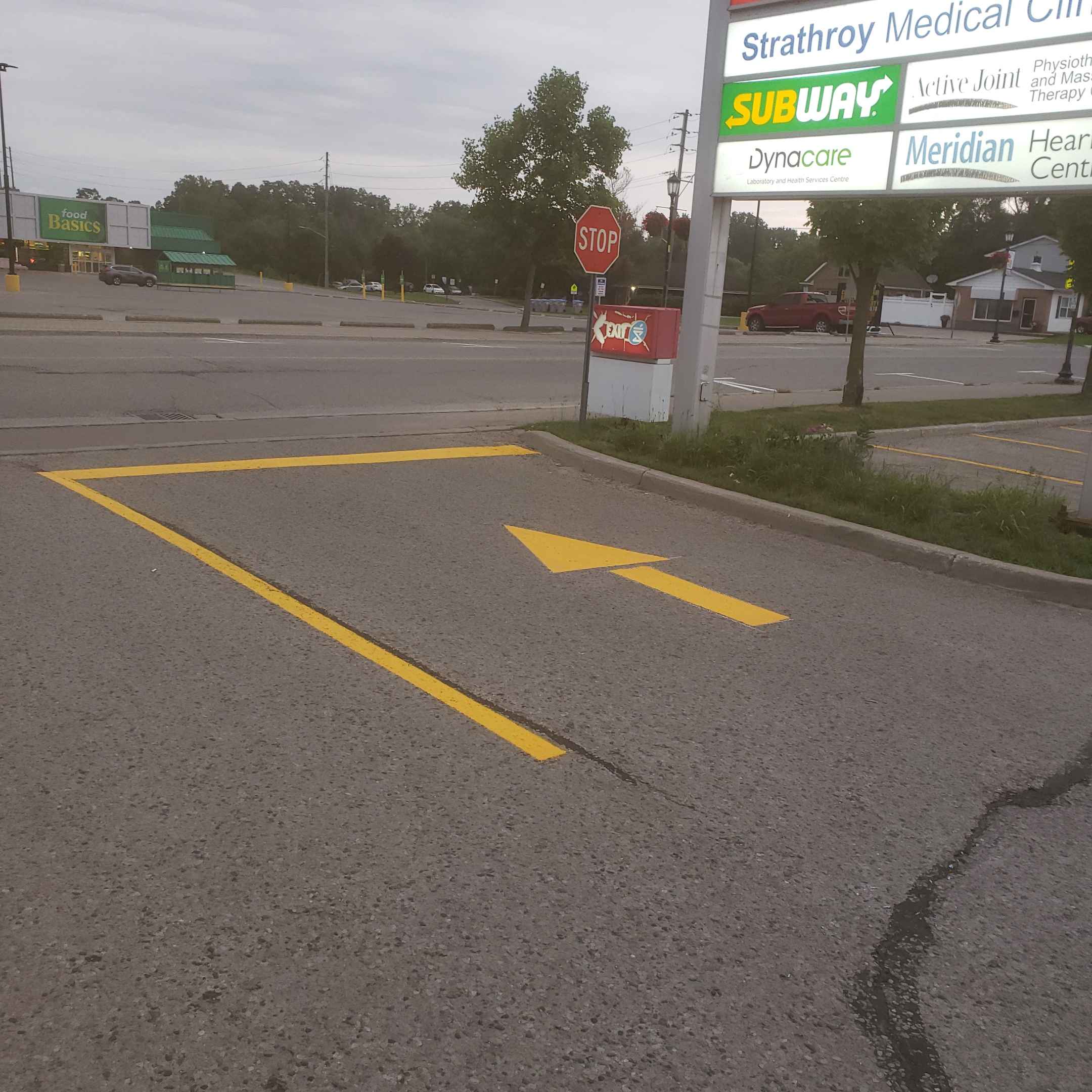
A well-maintained parking lot isn't just about the surface; it's about safety and organization. Once your surface is repaired and sealed, high-quality Line Marking ensures that traffic flows smoothly and parking stalls are clearly defined. This prevents vehicle damage and improves the overall professional look of your property.
Conclusion
The combination of water and salt creates a perfect storm for asphalt destruction. In the harsh climate of Ontario, the freeze-thaw cycle and chemical erosion are constant threats. However, with proactive care—such as timely crack sealing and professional Line Painting—you can extend the life of your pavement by years.
If you are concerned about the condition of your pavement, trust the experts at Capital Parking Lot Line Painting to assess your needs and provide long-lasting solutions. Protect your investment before the next winter arrives.