How Water and Salt Damage Asphalt Through Cracks
Understanding the silent killers of your pavement: the destructive synergy between moisture and winter de-icing agents.
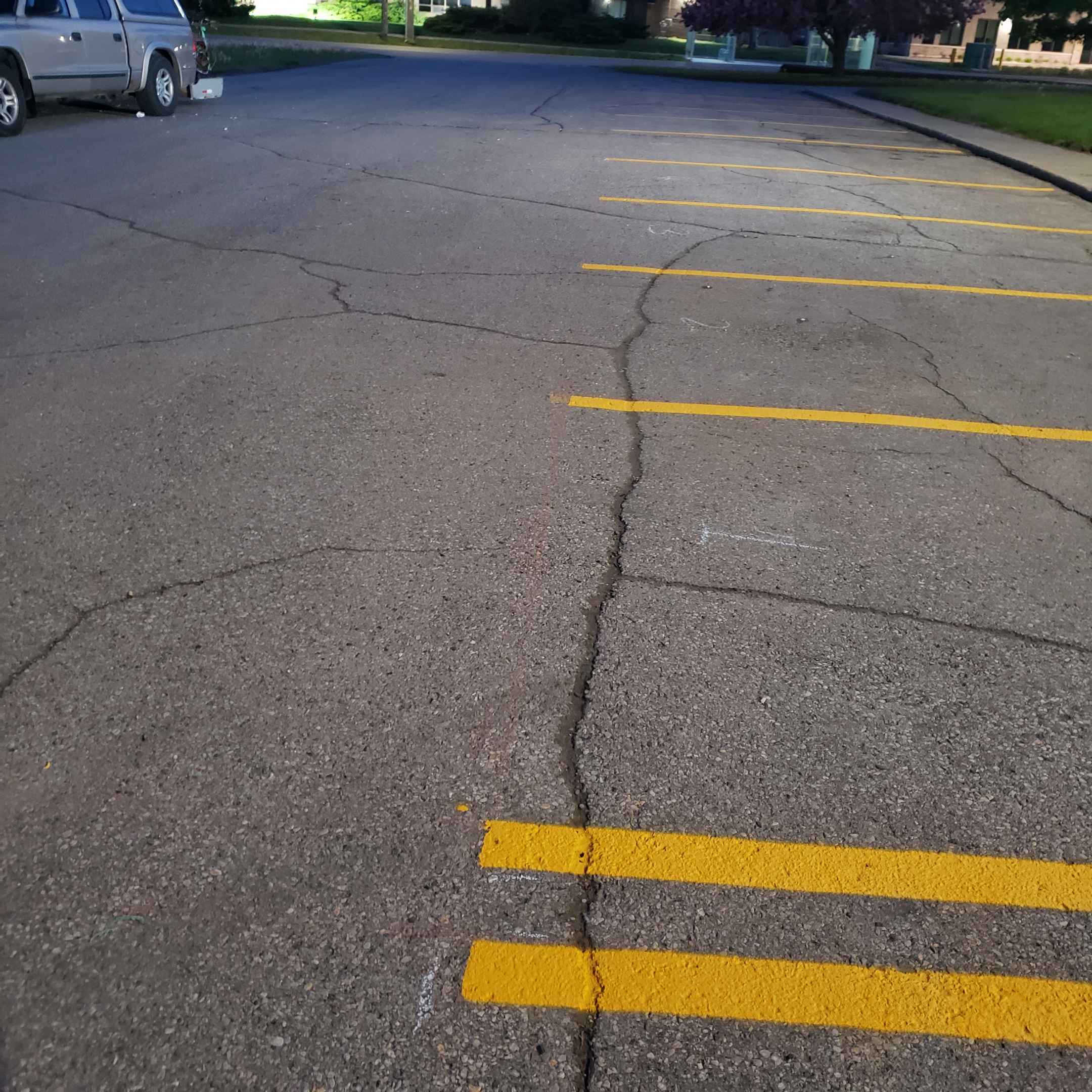
For property owners in Peterborough, maintaining a pristine parking lot is a constant battle against the elements. While asphalt is a durable material designed to withstand heavy loads and varying temperatures, it is not invincible. The most significant threats to the structural integrity of your pavement aren't necessarily heavy vehicles, but rather the microscopic pathways created by cracks. Once a crack forms, it opens a gateway for two of the most destructive forces in Ontario: water and salt.
At Capital Parking Lot Line Painting, we see firsthand how neglected cracks can transform a minor maintenance issue into a full-scale reconstruction project. This article explores the science of how these elements work together to dismantle your asphalt from the inside out.
The Role of Water: The Freeze-Thaw Cycle
Water is the primary catalyst for asphalt deterioration. When rain or melting snow enters a crack, it doesn't just sit there; it infiltrates the sub-base of your parking lot. This leads to a phenomenon known as the freeze-thaw cycle, which is particularly aggressive in a top 30 city like Peterborough where seasonal shifts are dramatic.
How the Cycle Works:
When water enters a crack and the temperature drops below freezing, the water turns into ice. As water freezes, it expands by approximately 9% in volume. This expansion exerts immense outward pressure on the walls of the crack, forcing it to widen. When the temperature rises again, the ice melts, leaving behind a larger void that can hold even more water. This repetitive cycle acts like a slow-motion wedge, systematically prying the asphalt apart.
This process eventually leads to the formation of potholes. Once the sub-base is saturated and weakened by this expansion, the asphalt loses its structural support, causing the surface to collapse under the weight of passing vehicles.
The Salt Factor: Chemical Erosion and Oxidation
While water provides the physical force, salt (sodium chloride) provides the chemical onslaught. In many parts of Ontario, salt is a necessity for safety during winter months, but it carries a heavy cost for asphalt longevity. When salt dissolves in water, it creates a brine that penetrates deep into the asphalt matrix.
Chemical Degradation
Salt accelerates the oxidation process of the asphalt binder. The binder is the "glue" that holds the aggregate together. As salt interacts with the bitumen, it can strip the binder away from the stones, leading to a phenomenon known as raveling, where the surface of the asphalt begins to crumble into small pieces.
Furthermore, salt-saturated water is much more effective at penetrating the microscopic pores of the asphalt than pure water. This means that even if a crack isn't visible to the naked eye, salt can still be working its way into the foundation of your lot, weakening it from within.
Common Mistakes in Asphalt Maintenance
Many property managers attempt to manage these issues themselves, often leading to suboptimal results. Avoid these common pitfalls:
- Ignoring Small Cracks: Waiting until you see a pothole means the damage is already deep within the sub-base.
- Using Incorrect Sealants: Using DIY products that don't bond correctly can actually trap moisture inside the crack, accelerating damage.
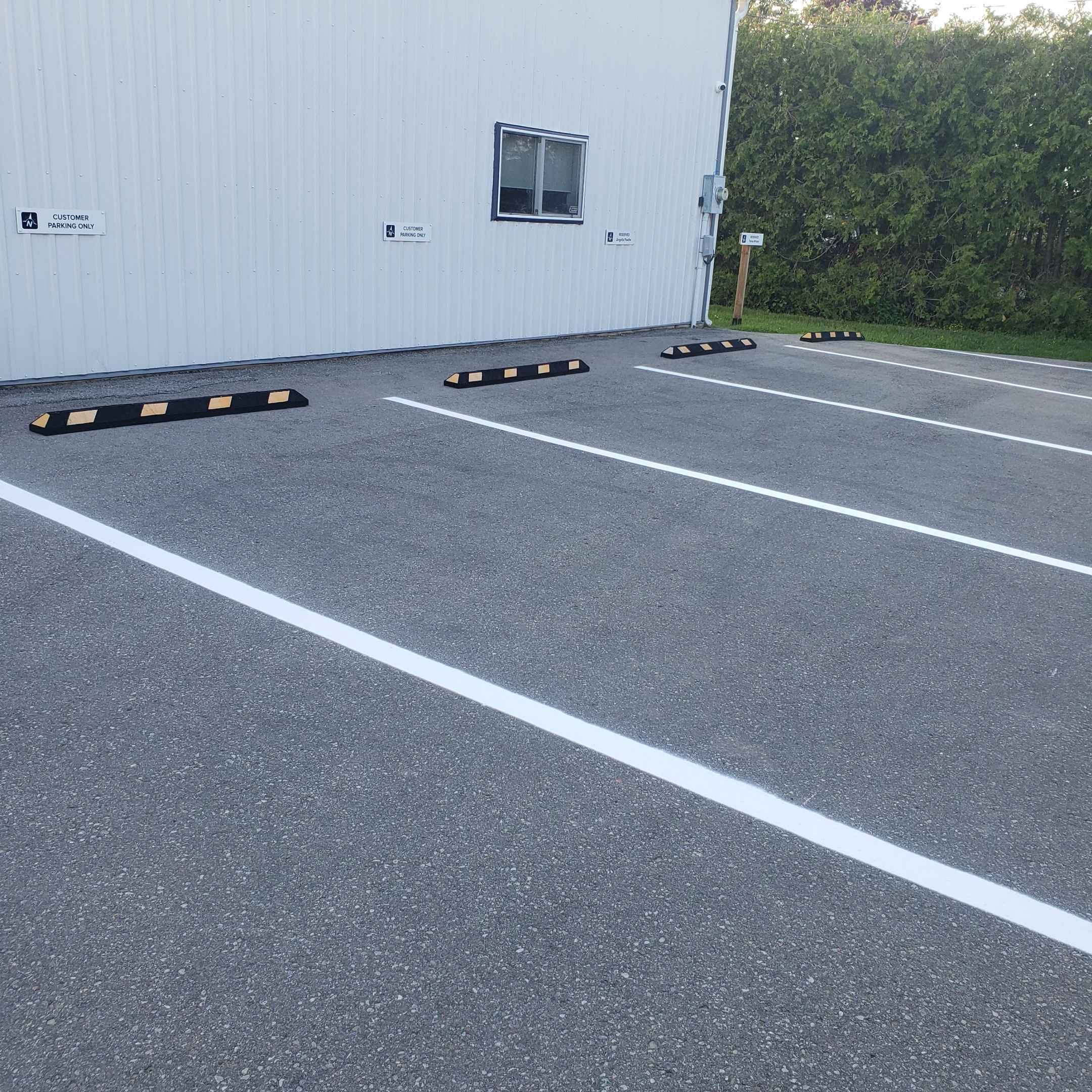
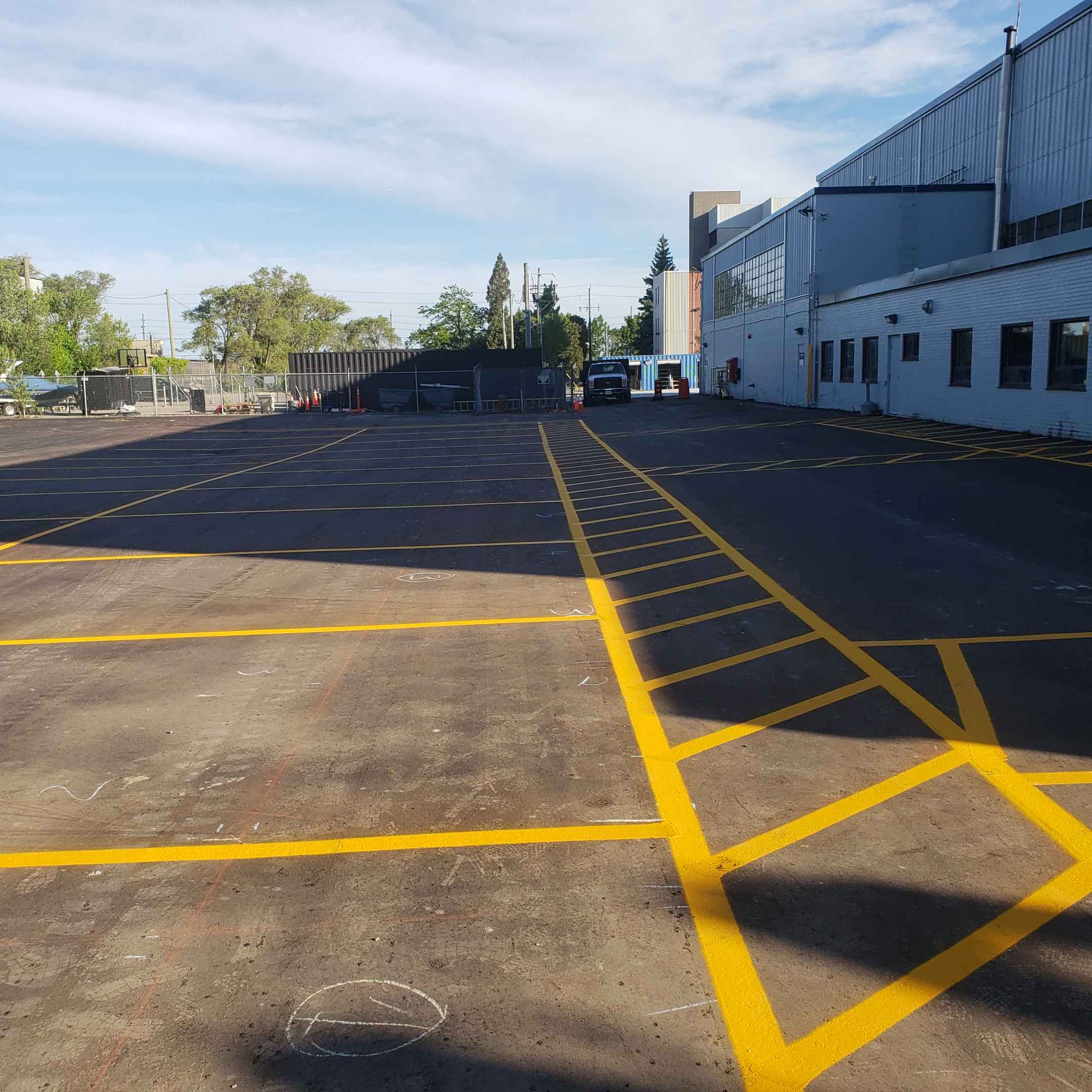
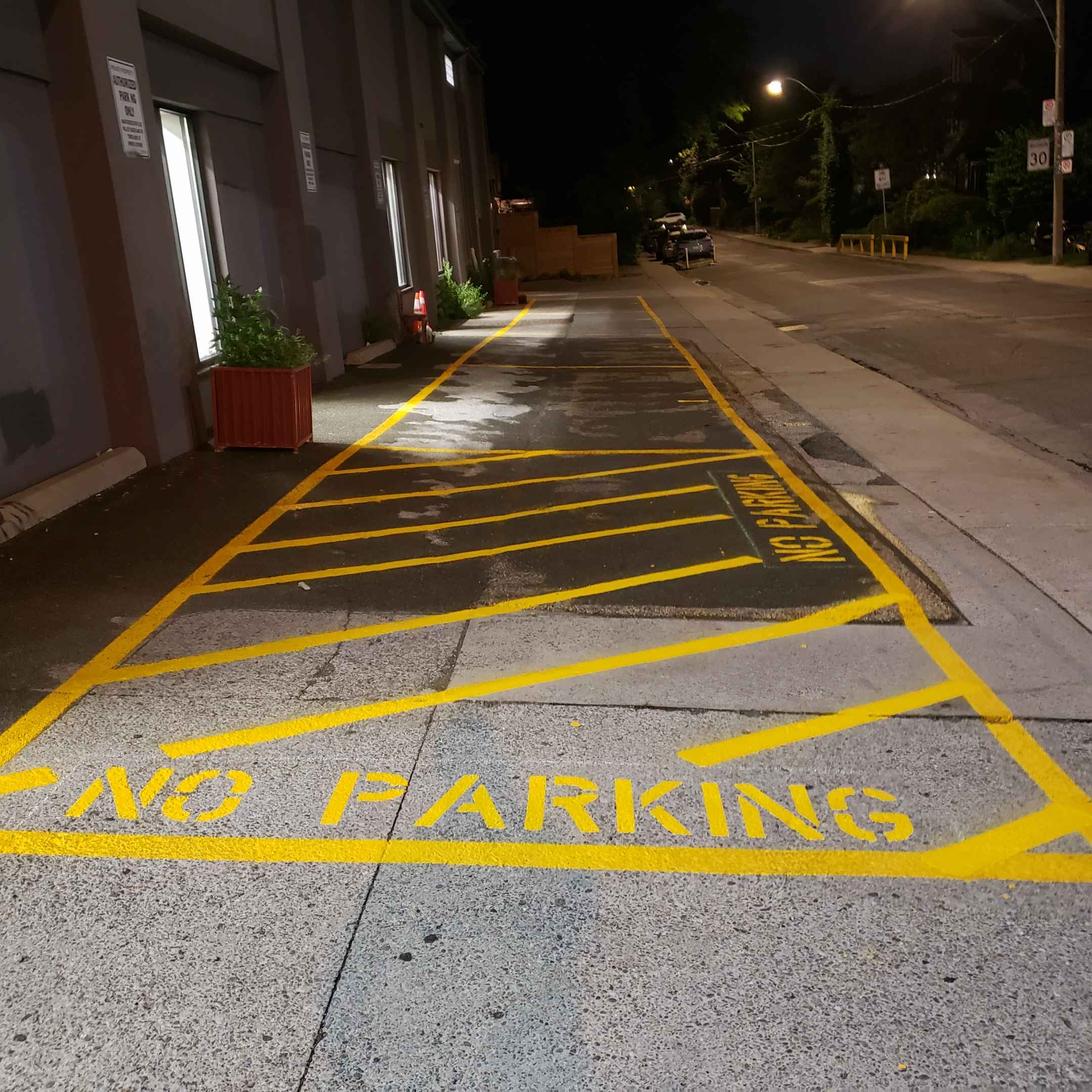
- Neglecting Line Marking: While it seems aesthetic, clear Line Marking helps direct traffic flow, preventing vehicles from driving over weakened or cracked areas.
- Over-Salting: Using excessive amounts of salt increases the chemical load on your pavement without providing additional safety benefits.
Preventative Solutions with Capital Parking Lot Line Painting
The key to managing asphalt health is proactive maintenance rather than reactive repair. By addressing cracks early, you can prevent the devastating effects of water and salt. Capital Parking Lot Line Painting offers comprehensive services designed to extend the life of your pavement.
Effective Mitigation Strategies:
1. Crack Sealing: Filling cracks with high-quality, flexible sealants prevents water and salt from entering the sub-base. This is the single most effective way to stop the freeze-thaw cycle in its tracks.
2. Sealcoating: Applying a protective layer over the entire surface helps prevent oxidation and provides a barrier against salt brine.
3. Professional Line Marking: Ensuring your Line Painting is crisp and visible ensures organized traffic, reducing the physical stress on the asphalt surface.
Protect Your Investment
Don't let a small crack become a massive expense. Contact Capital Parking Lot Line Painting today to schedule an inspection and protect your property.