How Water and Salt Damage Asphalt Through Cracks
Asphalt is a resilient material, but it is far from invincible. For property owners in Windsor, the changing seasons bring a unique set of challenges that can turn a minor surface crack into a major structural headache.
The Silent Destroyer: Water Infiltration
Water is often the primary catalyst for asphalt degradation. While asphalt is designed to be water-resistant, it is not waterproof. When small hairline cracks appear due to age, heavy traffic, or UV exposure, they create an entry point for moisture. Once water penetrates the surface, the damage begins deep within the sub-base.
In a climate like ours, water doesn't just sit in these cracks; it becomes an active agent of destruction through the freeze-thaw cycle. When temperatures drop, the water trapped inside the cracks expands as it turns to ice. This expansion exerts immense internal pressure against the asphalt walls, widening the crack further. When the ice melts, it leaves behind a larger void, ready to collect even more water during the next thaw.
The Chemical Threat: How Salt Accelerates Decay
In Windsor, one of the top 30 cities in Ontario, winter maintenance is a necessity for safety. However, the salt used to de-ice parking lots and roads introduces a chemical component to the physical damage caused by water. This combination creates a "perfect storm" for pavement failure.
When salt dissolves in water, it creates a brine that is highly effective at penetrating even the smallest fissures. This brine can seep into the aggregate and the binder that holds the asphalt together. Over time, the chemical reaction can weaken the adhesive properties of the bitumen, causing the asphalt to become brittle and lose its flexibility. This makes the pavement even more susceptible to cracking under the weight of vehicles.
The Cycle of Pavement Failure
Understanding the progression of damage is key to effective maintenance. At Capital Parking Lot Line Painting, we often see the following stages of deterioration:
- Stage 1: Surface Cracking: Small, shallow cracks appear due to oxidation and UV exposure.
- Stage 2: Water Penetration: Moisture enters the cracks, beginning the erosion of the sub-base.
- Stage 3: Freeze-Thaw Expansion: Ice expansion widens the cracks and creates voids beneath the surface.
- Stage 4: Pothole Formation: The structural integrity fails completely, leading to large holes and uneven surfaces.
- Stage 5: Total Base Failure: The underlying soil is washed away or shifted, requiring full reconstruction.
Preventative Maintenance and Professional Care
The good news is that this damage is largely preventable if caught early. Regular inspections and timely repairs can extend the life of your asphalt by years. Rather than waiting for a pothole to form, property managers should focus on sealing cracks before the winter season hits.
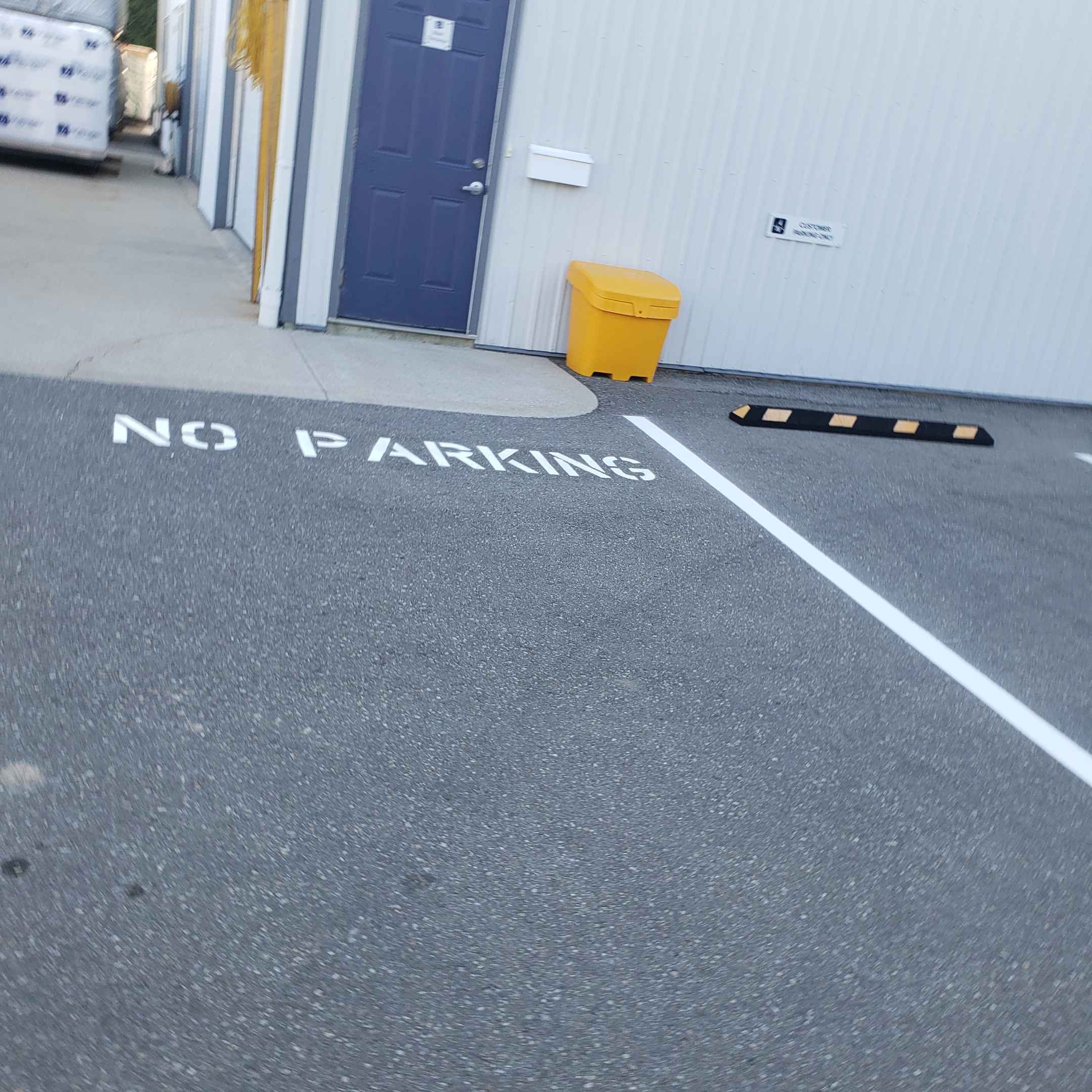
Effective maintenance involves more than just patching holes. It requires a holistic approach to pavement management. This includes crack sealing, sealcoating, and ensuring that your Line Marking is crisp and visible to guide traffic away from damaged areas. At Capital Parking Lot Line Painting, we recommend a proactive schedule to ensure your surfaces remain safe and professional-looking.
When you invest in high-quality Line Painting, you aren't just improving aesthetics; you are enhancing the safety and organization of your lot, which helps prevent vehicle-related stress on the pavement edges.
Summary of Key Maintenance Tips
To protect your investment against the elements, keep these points in mind:
- Perform annual crack inspections in the spring.
- Seal cracks before the first frost of the season.
- Ensure proper drainage to prevent standing water on the surface.
- Consult with experts like Capital Parking Lot Line Painting for professional assessments.
Don't Wait for the Damage to Become Permanent
Ignoring small cracks today leads to massive repair bills tomorrow. Protect your property from the harsh Ontario winters by staying ahead of the damage.