Why Ignoring Small Cracks Can Lead to Full Surface Replacement
The deceptive nature of minor asphalt imperfections can turn a routine maintenance task into a massive capital expenditure if left unchecked.
The Deception of the "Small" Crack
To the untrained eye, a hairline crack in a parking lot looks like a cosmetic issue—something that might affect the aesthetics of a property but doesn't impact the structural integrity. However, in the world of pavement management, these tiny fissures are the warning signs of impending structural failure. At Capital Parking Lot Line Painting, we frequently see property owners in Guelph wait far too long to address these issues, only to find themselves facing a total resurfacing project.
Asphalt is a flexible pavement, but it is not invincible. When small cracks appear, they create a pathway for water to penetrate the sub-base of your parking lot. Once moisture enters the foundation, the damage begins to happen beneath the surface, where you cannot see it.
The Science of Deterioration: How Water Destroys Asphalt
Understanding the lifecycle of asphalt degradation is crucial for any property manager. The process generally follows a predictable, albeit destructive, pattern:
1. Water Infiltration and Sub-base Erosion
When rain, melting snow, or heavy runoff enters a crack, it settles into the aggregate base. In a top-tier city like Guelph, where seasonal temperature shifts are significant, this moisture becomes a weapon. During the winter, this trapped water freezes and expands, a process known as the freeze-thaw cycle. This expansion exerts immense pressure from within, widening the crack and pushing the surrounding asphalt apart.
2. Structural Weakening
As the sub-base becomes saturated and loses its compaction, the foundation of your parking lot becomes unstable. Even heavy vehicles passing over the surface will now cause the asphalt to flex more than it was designed to, leading to deeper fissures and potholes.
3. The Point of No Return
Once the structural integrity of the base is compromised, simple crack sealing is no longer an option. At this stage, the only solution is full-scale excavation and replacement, which is significantly more disruptive and expensive than preventative care.
Common Mistakes in Parking Lot Maintenance
- Reactive instead of Proactive: Waiting for a pothole to form before calling for service.
- Ignoring Drainage: Allowing water to pool near cracks, accelerating the erosion process.
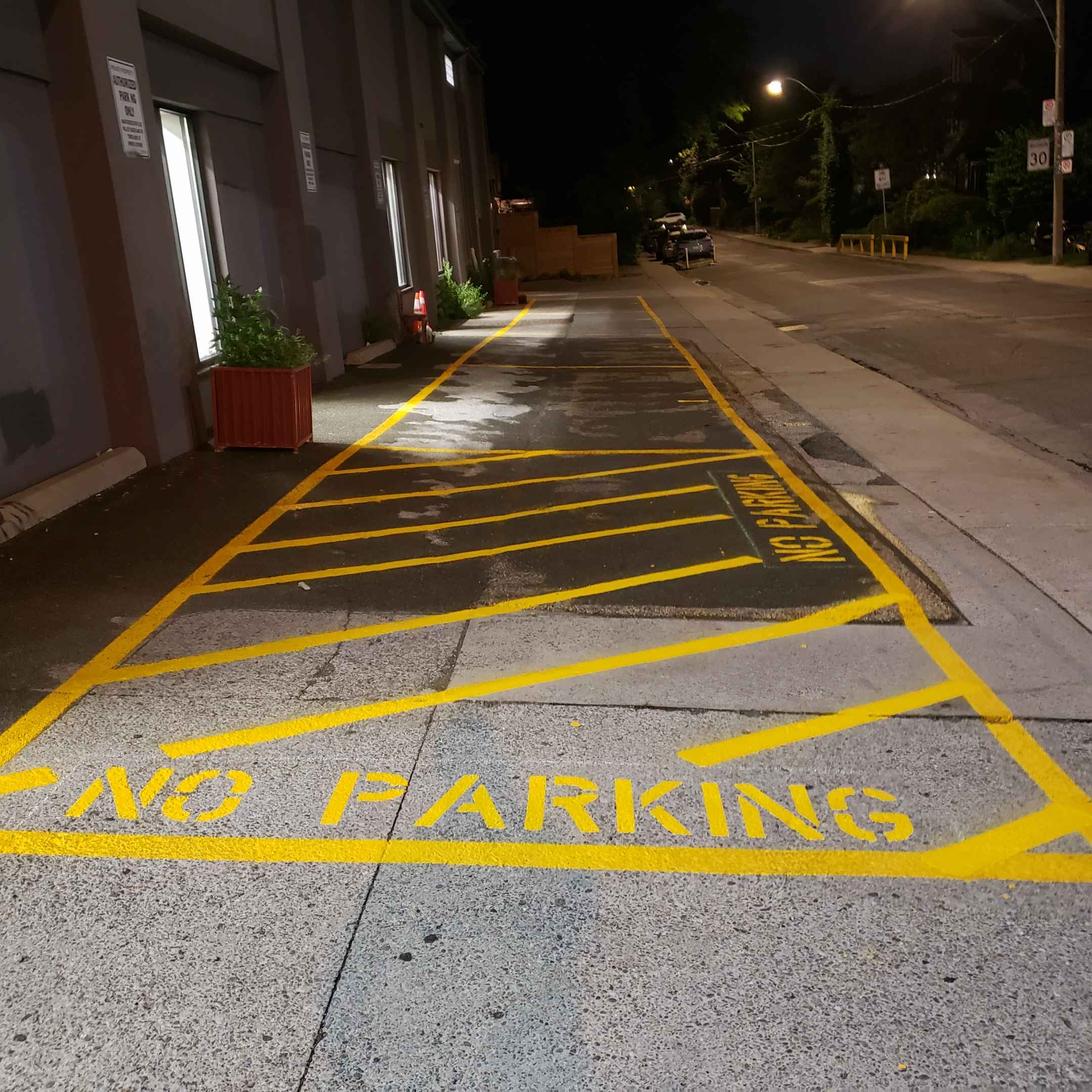
- Neglecting Line Marking: Forgetting that clear Line Marking helps direct traffic flow, preventing vehicles from driving over damaged edges or curb areas.
- Delaying Sealcoating: Skipping the protective layer that keeps the asphalt oils from oxidizing and becoming brittle.
The Role of Professional Maintenance
Effective pavement management isn't just about fixing what is broken; it is about preserving what you have. This involves a multi-faceted approach that includes crack filling, sealcoating, and professional Line Painting to ensure the lot remains functional and safe.
By partnering with experts like Capital Parking Lot Line Painting, you ensure that your maintenance schedule is optimized. We don't just look at the surface; we look at the longevity of your investment. Regular maintenance prevents the catastrophic failures that lead to full surface replacements.
Don't Wait for the Breakdown
A well-maintained parking lot increases curb appeal and reduces liability. From high-visibility Line Marking to advanced crack sealing, professional care is the key to longevity.
Conclusion: Protect Your Assets
The cost of a small crack today is a fraction of the cost of a new parking lot tomorrow. By staying vigilant and scheduling regular inspections, you can extend the life of your asphalt by years, if not decades. Trust the professionals at Capital Parking Lot Line Painting to keep your surfaces smooth, safe, and looking their best.