Is Sealcoating Suitable for Older Asphalt Surfaces?
Understanding the threshold between preventative maintenance and structural necessity for your aging pavement.
As asphalt ages, it undergoes a series of chemical and physical changes caused by UV exposure, oxidation, and heavy traffic loads. For property managers and homeowners in Ajax, a top 30 city in Ontario, maintaining a professional appearance and structural integrity is a constant priority. One of the most common questions we receive at Capital Parking Lot Line Painting is whether sealcoating is still a viable option once an asphalt surface has begun to show its age.
The short answer is: it depends. While sealcoating is an incredible preventative tool, applying it to a surface that is too far gone can be a waste of resources. To make an informed decision, you must understand the difference between surface oxidation and structural failure.
The Role of Sealcoating in Asphalt Longevity
Sealcoating is essentially a protective layer applied to the surface of the asphalt. It acts as a shield against the harsh Ontario elements, including salt, water penetration, and the intense summer sun. When asphalt is new, it is rich in bitumen—the "glue" that holds the aggregate together. Over time, this bitumen evaporates or breaks down, leaving the surface gray, brittle, and porous.
By applying a high-quality sealant, you are replenishing that protective barrier. This process helps to:
- Prevent water from seeping into the sub-base, which causes potholes.
- Block UV rays from further oxidizing the bitumen.
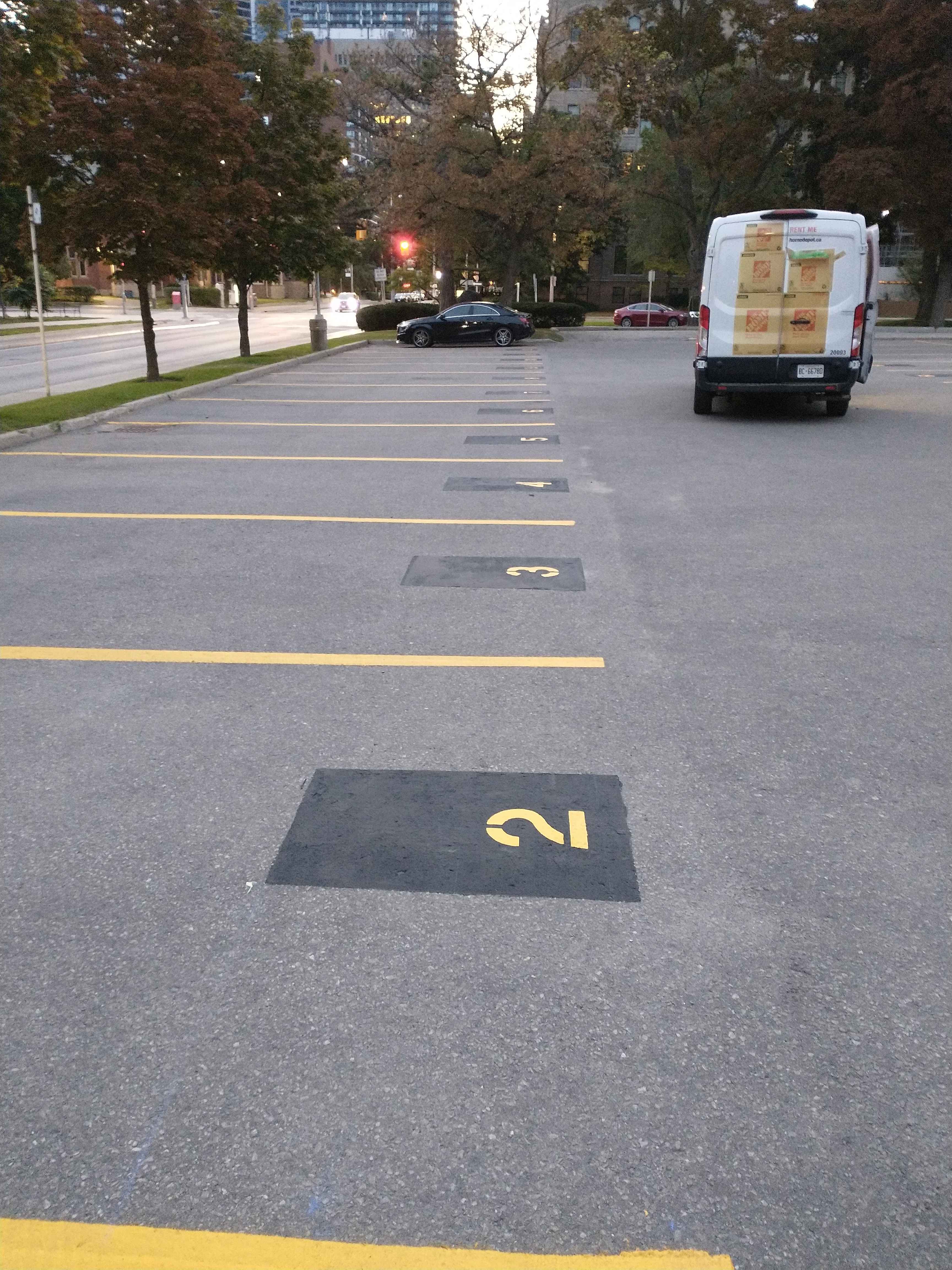
- Provide a smooth, dark surface that makes Line Painting much more visible.
- Improve the overall aesthetic appeal of the commercial property.
When is it Too Late? Identifying Structural Issues
Before scheduling a service with Capital Parking Lot Line Painting, it is vital to perform a visual inspection of your lot. Sealcoating is a surface treatment; it is not a structural repair. If your asphalt has reached a certain level of degradation, sealcoating will only mask the problem temporarily before the underlying issues resurface.
Signs You Need More Than Just Sealcoating:
If you notice any of the following, your asphalt likely requires patching or milling before any coating can be applied:
- Alligator Cracking: This is a pattern of interconnected cracks that look like reptile skin. It indicates that the base layer of your pavement has failed.
- Deep Potholes: If the cracks have already transitioned into holes, the structural integrity is compromised.
- Significant Depressions: Areas where the asphalt has sunk or dipped suggest sub-grade issues.
- Edge Cracking: Cracks along the edges of the parking stalls or driveways often indicate poor compaction.
The Ideal Sequence for Older Surfaces
For older surfaces in Ajax that are still in relatively good shape but showing signs of wear, a multi-step approach is the most effective way to ensure longevity. You cannot simply roll sealant over cracks and expect them to disappear. At Capital Parking Lot Line Painting, we recommend a systematic approach to restoration.
The Professional Restoration Workflow
1. Cleaning: Deep cleaning the surface to remove dirt, oil, and debris.
2. Crack Filling: Using hot-applied rubberized filler to seal deep cracks.
3. Patching: Repairing localized structural failures with new asphalt.
4. Sealcoating: Applying the protective layer across the entire surface.
5. Line Marking: Refreshing the Line Marking to ensure safety and compliance.
Why Professional Execution Matters
Attempting to DIY sealcoat an older surface often leads to premature peeling or uneven textures. Older asphalt is more porous, meaning it absorbs liquid differently than new asphalt. A professional crew understands how to manage these absorption rates. Furthermore, once the sealcoat has cured, the final step of Line Marking ensures that your parking lot is not only beautiful but also functional and safe for drivers and pedestrians.
Quick Summary
If your asphalt is gray and worn but lacks deep structural cracks, sealcoating is highly suitable. If you see alligator cracking or potholes, you must prioritize repairs first to avoid wasting money on a coating that won't last.