Line Painting Tips for High-Traffic Commercial Lots
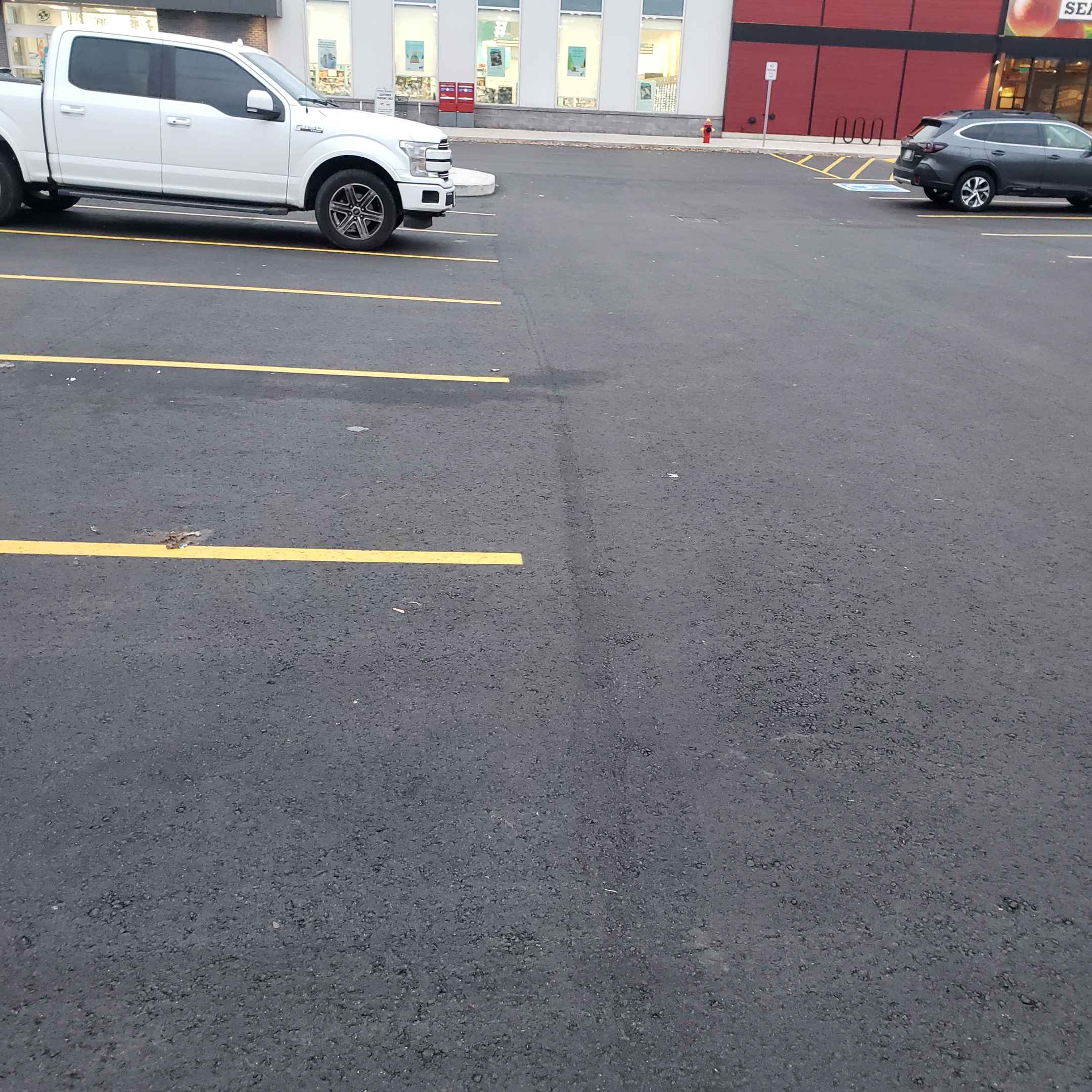
First impressions start in the parking lot. For high-traffic commercial properties, clear and durable line marking is not just an aesthetic choice—it is a critical component of safety and operational efficiency.
The Importance of Professional Line Marking
In a bustling commercial environment, the flow of vehicles and pedestrians must be intuitive. When lines fade or become obscured, the risk of accidents increases, and the organization of your lot begins to crumble. Whether you are managing a retail center, a large office complex, or a multi-unit residential building, the quality of your line painting dictates how users interact with your space.
At Capital Parking Lot Line Painting, we understand that high-traffic areas face unique challenges, including heavy tire friction, weather fluctuations, and constant chemical exposure. This requires a strategic approach to both material selection and application techniques.
Key Factors for Long-Lasting Results
Not all line marking is created equal. To ensure your investment lasts through the seasons, consider the following technical aspects:
1. Surface Preparation is Non-Negotiable
You cannot apply fresh paint over dirt, oil, or loose debris. For a lot in a growing area like Ajax, where seasonal changes can cause surface shifts, ensuring the asphalt or concrete is thoroughly cleaned and dried is the most vital step. Any residue left behind will cause the new paint to peel or flake prematurely.
2. Material Selection: Traffic Paint vs. Thermoplastic
For high-traffic zones, the type of material used is paramount. Standard water-based paints may suffice for low-use areas, but heavy-duty commercial lots often benefit from high-solids acrylics or even thermoplastic markings which offer superior durability and reflectivity.
3. Precision and Layout Accuracy
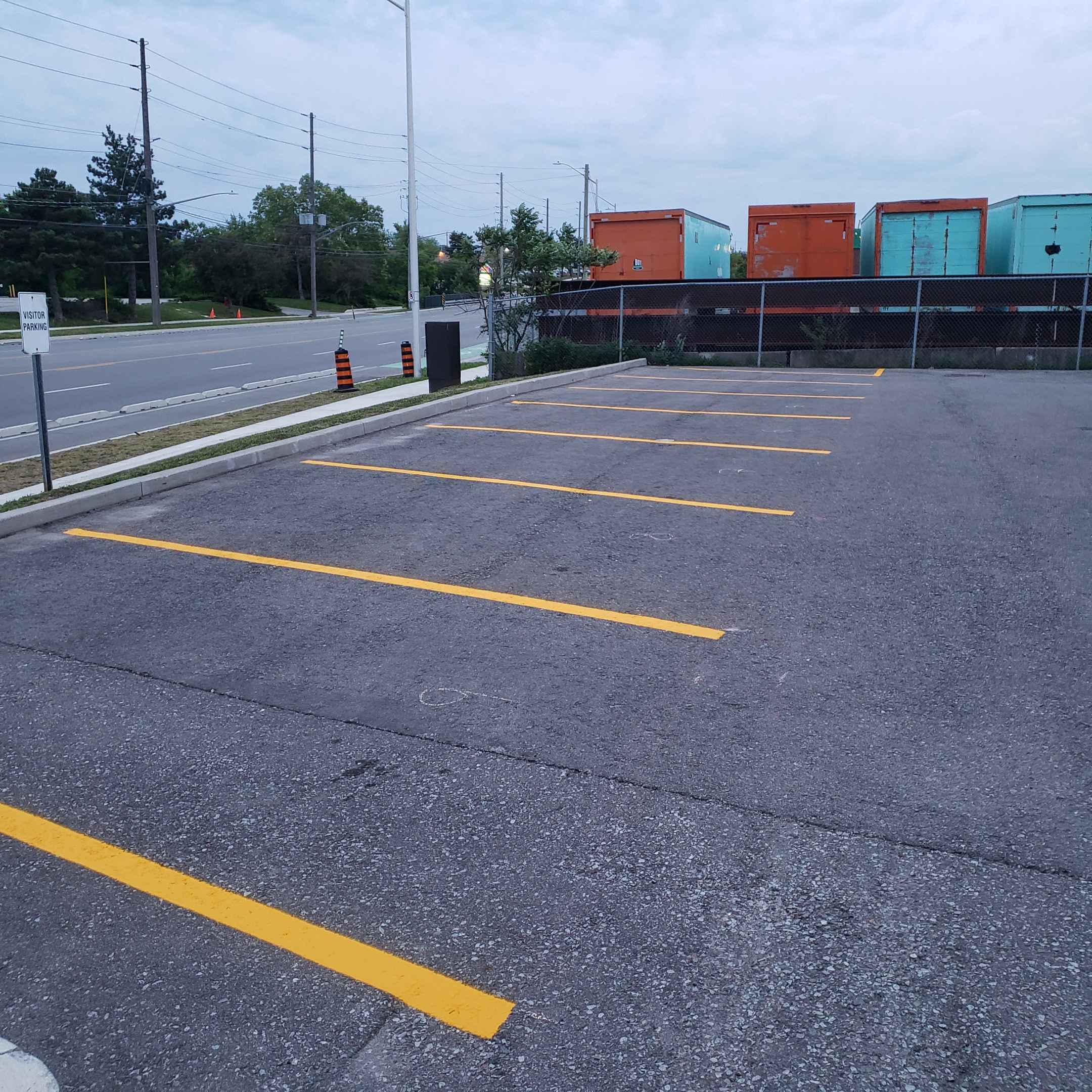
A crooked line is more than just an eyesore; it can lead to inefficient use of space and traffic congestion. Professional line painting requires precise measurement and layout to ensure every stall and walkway is perfectly aligned with local accessibility standards.
Common Mistakes to Avoid
Many property managers attempt to delay maintenance or use DIY methods, which often leads to higher costs in the long run. Avoid these common pitfalls:
- Applying paint during improper weather conditions (high humidity or rain).
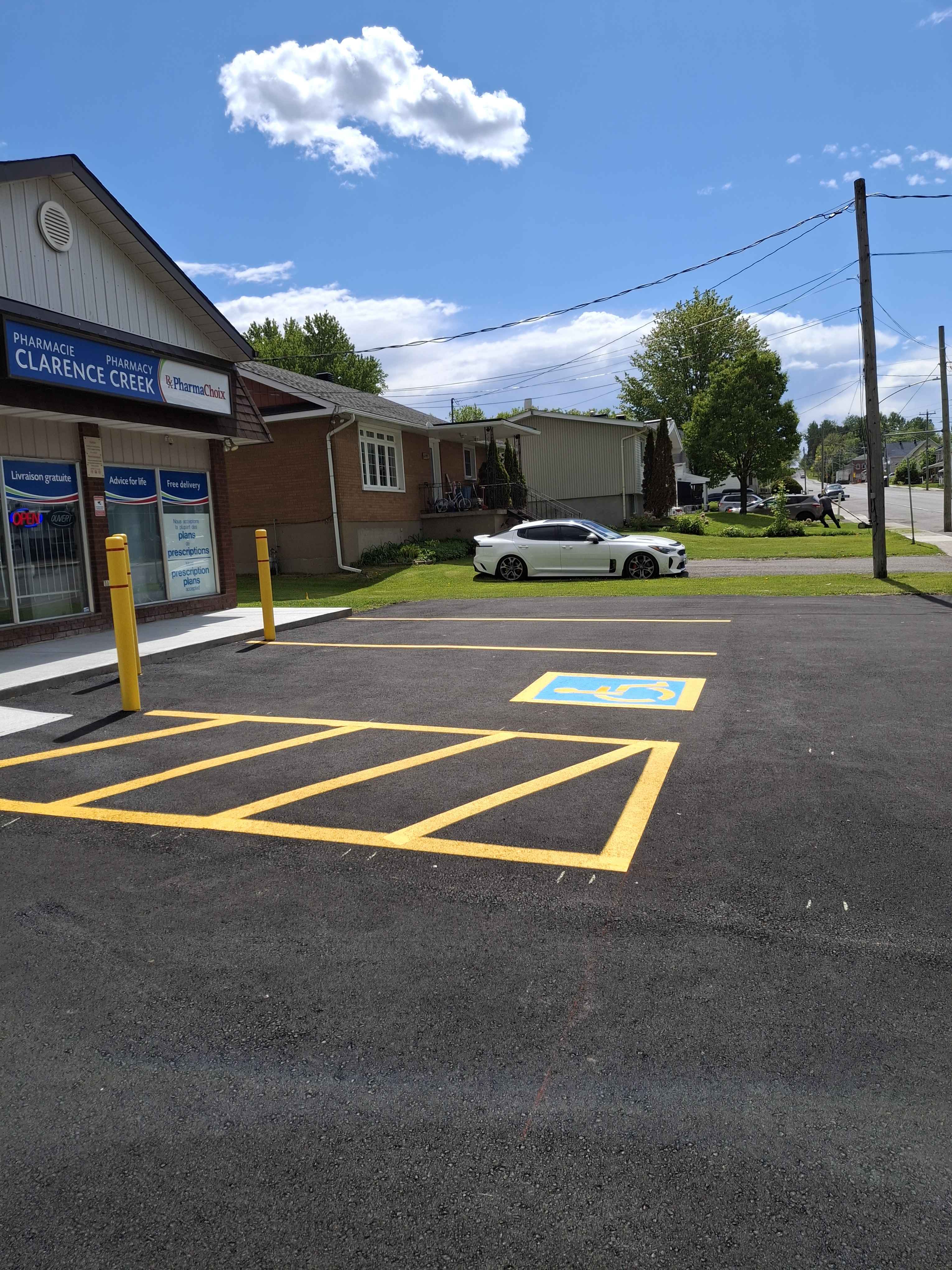
- Ignoring faded ADA-compliant handicap symbols and markings.
- Using low-quality, thin coatings that wear away within months.
- Failing to re-stripe directional arrows and stop bars, leading to driver confusion.
- Neglecting the cleaning process before the painting begins.
Maximizing Safety and Efficiency
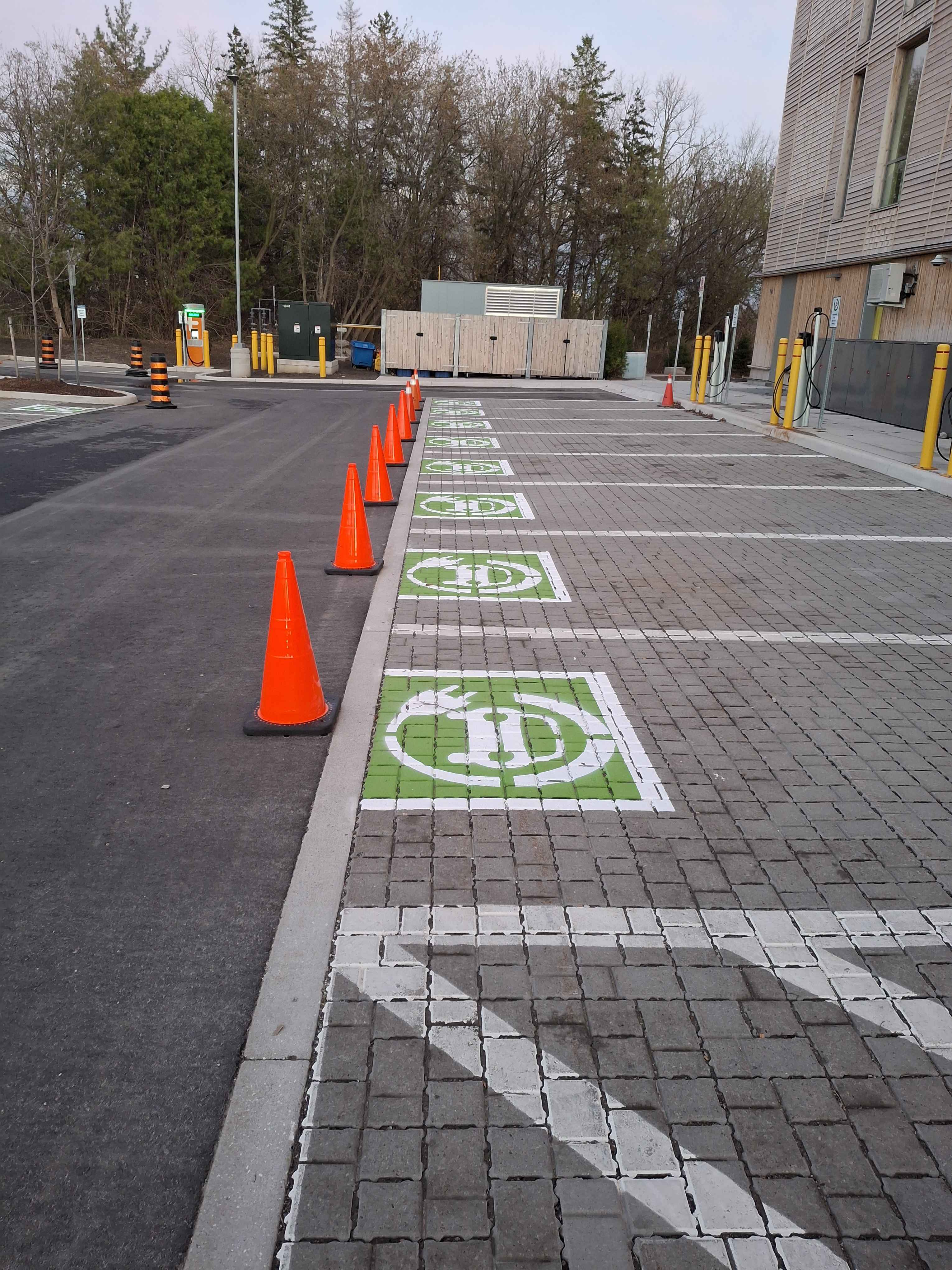
A well-marked lot does more than just direct cars; it manages risk. By implementing clear pedestrian walkways and distinct loading zones, you minimize the chance of vehicle-pedestrian collisions. This is especially important in high-density areas such as Ajax, where commercial activity is constant.
Capital Parking Lot Line Painting recommends a scheduled maintenance plan. Instead of waiting for lines to disappear completely, periodic refreshing of the markings ensures that your lot remains compliant and safe year-round. This proactive approach prevents the chaos that occurs when drivers are forced to guess where to park or walk.
Why Choose Professional Line Painting?
While it might be tempting to look for quick fixes, professional services provide a level of consistency that is impossible to replicate with consumer-grade tools. Professionals use industrial-grade equipment that ensures uniform thickness and sharp edges, which are essential for high-visibility markings.
When you partner with Capital Parking Lot Line Painting, you are investing in the longevity of your property. We focus on high-durability solutions that stand up to the heavy-duty demands of commercial traffic, ensuring your lot looks professional and functions seamlessly for years to come.
Ready for a Refresh?
Don't let faded lines diminish your professional image. Contact our experts to discuss your next line marking project.