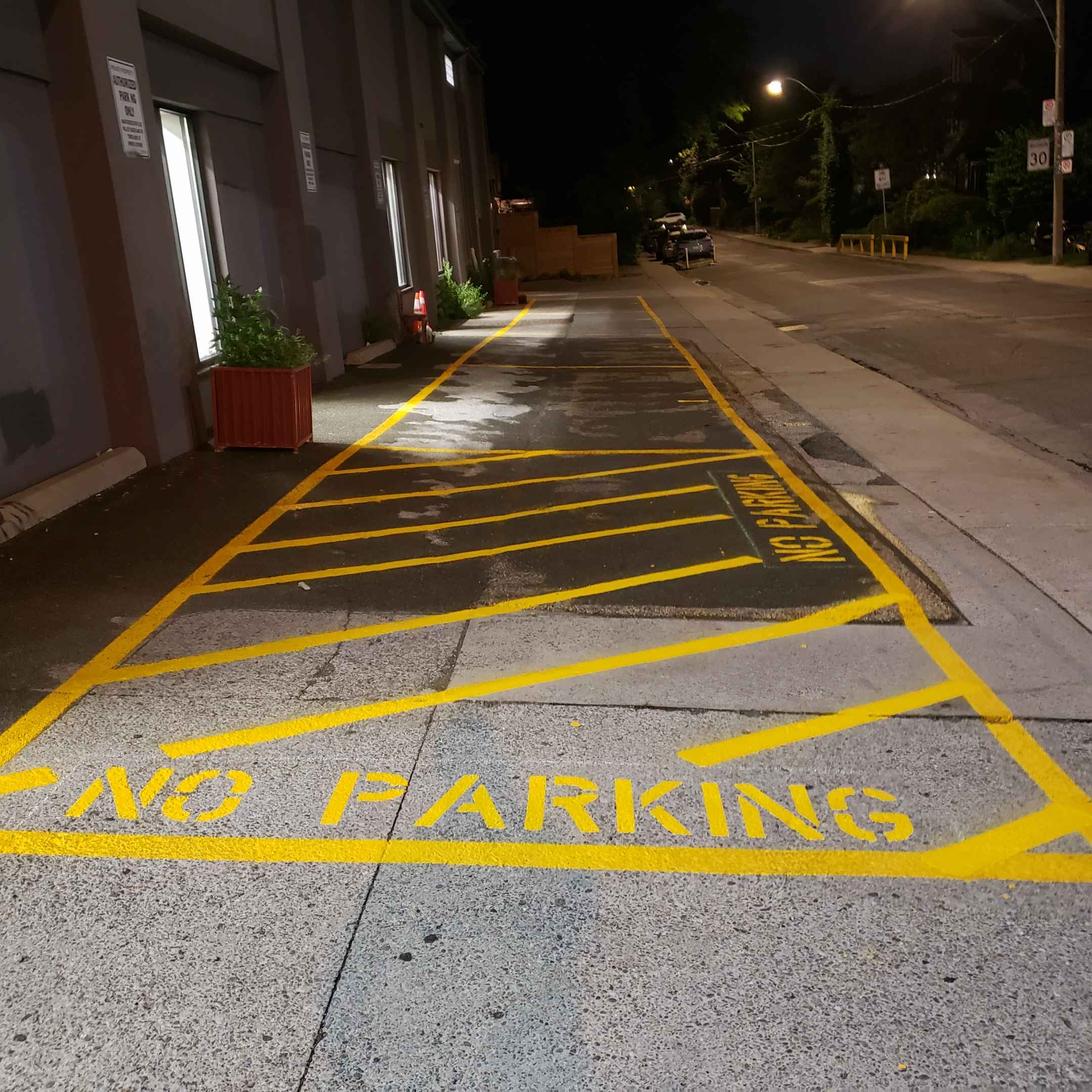
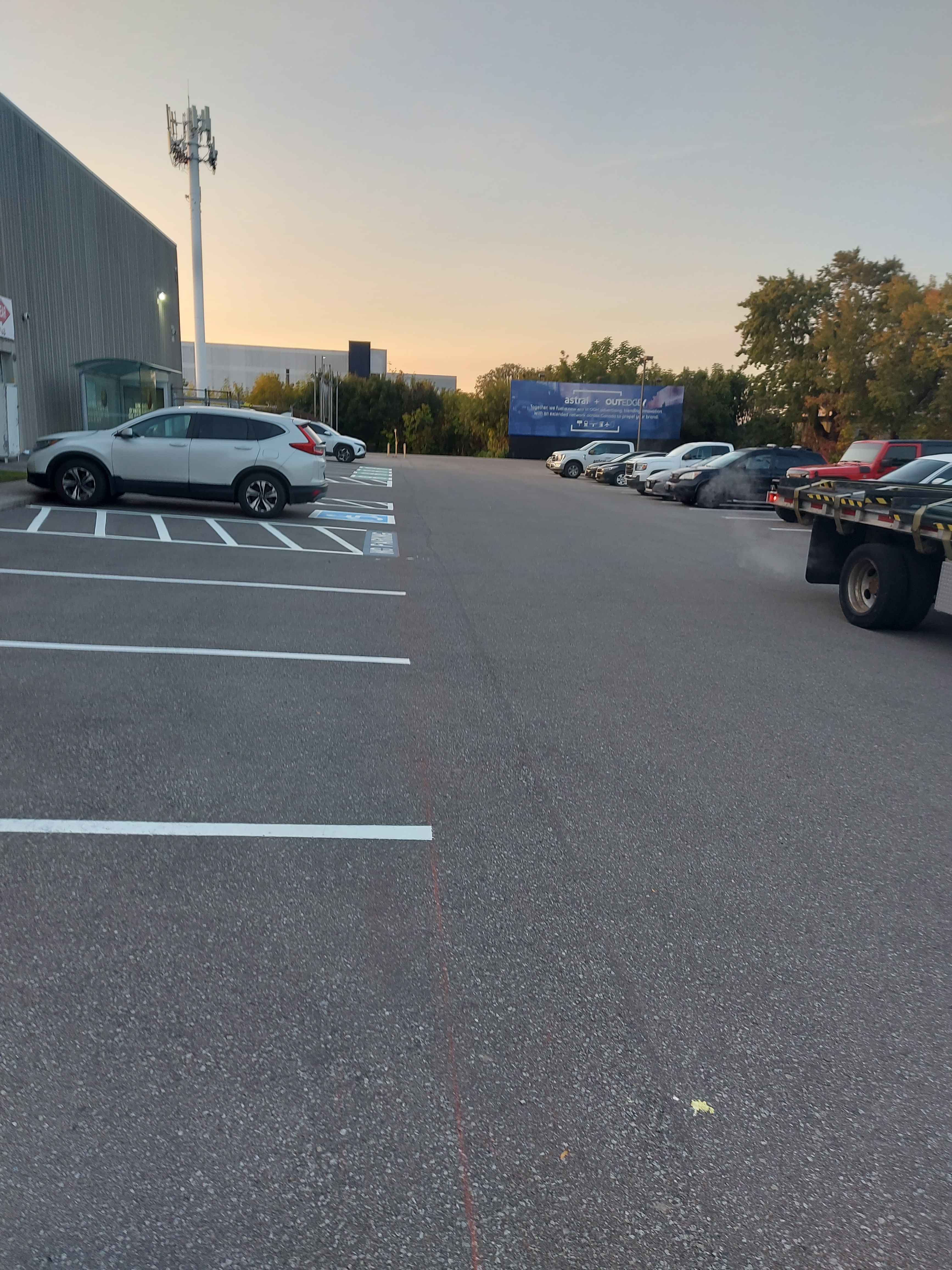
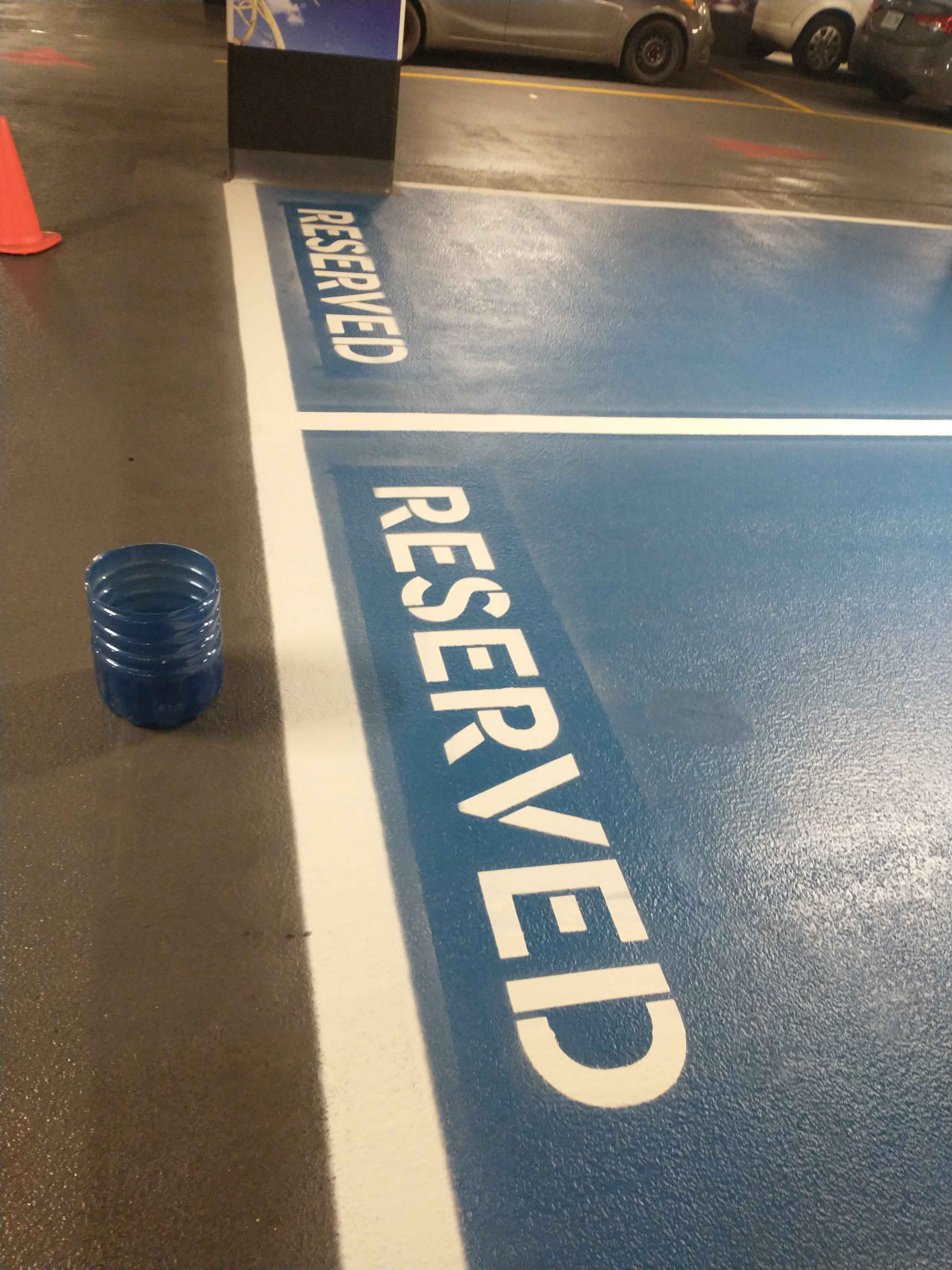
Line Painting Tips for High-Traffic Commercial Lots
Ensuring safety, clarity, and durability in high-volume parking environments requires professional precision and strategic planning.
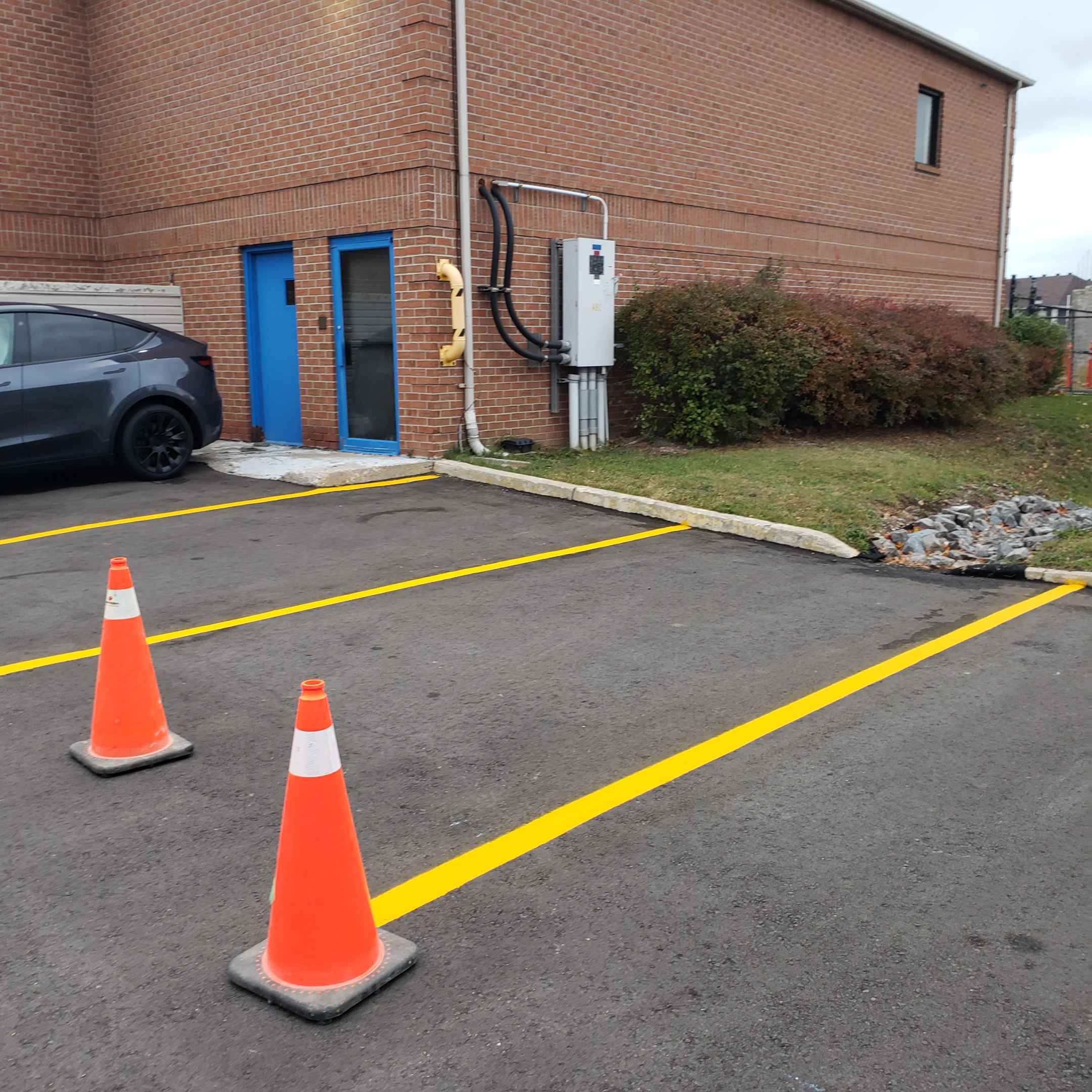
For businesses operating in busy urban hubs, the parking lot is often the first point of contact for customers. In a bustling area like Cambridge, a top 30 city in Ontario, commercial lots face constant wear and tear from heavy vehicle movement, varying weather conditions, and high pedestrian volume. Maintaining clear, visible markings is not just about aesthetics; it is a critical component of site safety and traffic management.
At Capital Parking Lot Line Painting, we understand that high-traffic areas demand a specialized approach to line marking. Standard methods often fall short when faced with the relentless friction of daily commerce. To help you maintain a professional and safe environment, we have compiled the ultimate guide to professional line painting for commercial properties.
1. Prioritize Surface Preparation
The most common mistake in line marking is applying new paint over a dirty or degraded surface. For high-traffic lots, the bond between the paint and the asphalt is everything. If the surface is contaminated with oil, grease, or loose debris, the new markings will peel within weeks.
Cleaning and Repairing
Before any painting begins, the area must be thoroughly cleaned. High-pressure washing is often necessary to remove deeply embedded oils. Furthermore, any cracks or depressions in the asphalt should be addressed. Capital Parking Lot Line Painting recommends ensuring the substrate is structurally sound to prevent the new lines from cracking along with the underlying pavement.
2. Selecting the Right Materials
Not all paints are created equal. In high-traffic zones, the type of material used can determine whether your markings last for one season or several years. Depending on your specific needs, you might choose between water-based acrylics or more heavy-duty thermoplastic solutions.
- Water-based Acrylics: Excellent for general marking and relatively easy to apply, but may require more frequent refreshing in extreme weather.
- Thermoplastic: A highly durable option that is melted onto the surface, providing exceptional longevity for high-turnover lots.
- Reflective Beads: Adding glass beads to the line marking process significantly improves nighttime visibility, a crucial factor for safety in Cambridge during dark winter months.
3. Strategic Layout and Compliance
Line painting is as much about mathematics and law as it is about artistry. A poorly planned layout can lead to traffic congestion, illegal parking, or even liability issues if a pedestrian is struck due to unclear walkways.
When planning your lot, consider the flow of traffic. Are your directional arrows clear? Are the handicap stalls positioned according to local accessibility regulations? Professional services like Capital Parking Lot Line Painting ensure that every stripe and symbol adheres to the necessary safety standards, reducing the risk of accidents and legal complications.
4. Timing and Environmental Factors
Weather is the enemy of a perfect finish. Applying line marking during high humidity or immediately before a rainstorm is a recipe for failure. The asphalt must be dry, and the ambient temperature must be within the manufacturer's specified range to allow for proper curing.
In Ontario, timing is everything. The window between the spring thaw and the first frost is the ideal time for major maintenance projects. Planning your line painting during these optimal windows ensures that the materials bond correctly and can withstand the upcoming seasonal shifts.
Common Mistakes to Avoid
Neglecting Maintenance: Waiting until lines are completely invisible before re-painting leads to higher long-term costs and safety risks.
Ignoring Pedestrian Paths: Focusing only on car stalls while forgetting crosswalks creates dangerous environments for walkers.
Summary of Best Practices
To maintain a high-performing commercial lot, remember these core pillars: thorough surface cleaning, choosing high-durability materials, adhering to safety regulations, and scheduling work during optimal weather windows. By following these professional tips, you can extend the life of your pavement and provide a superior experience for your customers and employees.