How to Design Parking Lot Layouts That Maximize Capacity
Transforming limited asphalt into high-efficiency parking solutions requires a blend of geometric precision and strategic planning.
For property owners and facility managers, every square foot of asphalt represents potential revenue and customer convenience. A poorly designed parking lot can lead to congestion, frustrated drivers, and a significant loss of usable space. Whether you are managing a retail center in a bustling hub like Mississauga or a private corporate campus, the goal remains the same: maximize capacity without compromising safety or accessibility.
Achieving this balance isn't just about squeezing in more cars; it's about optimizing the flow of traffic and ensuring that the layout works in harmony with the natural shape of your land. This is where professional expertise from Capital Parking Lot Line Painting becomes an invaluable asset in your development process.
1. Understanding Stall Angles: The Core of Capacity
One of the most critical decisions in layout design is selecting the angle of your parking stalls. The angle dictates how much space is required for both the vehicle and the driving aisle.
90-Degree Parking
Standard 90-degree parking is the most common method for maximizing density in rectangular lots. While it allows for the highest number of stalls per linear foot, it requires wider driving aisles to allow vehicles to turn into the spots safely. This is ideal for large, open lots where space isn't the primary constraint, but total count is.
Angled Parking (30, 45, or 60 Degrees)
Angled parking is often superior for narrower lots or one-way traffic patterns. While you might fit fewer total cars than a 90-degree layout, the driving aisles can be significantly narrower, which can actually increase the total number of vehicles accommodated in tight, irregular spaces. Angled parking also makes it much easier for drivers to enter and exit, reducing the likelihood of minor collisions.
Strategic Planning: Beyond the Stalls
A successful layout considers more than just the painted lines. It looks at the entire ecosystem of the lot. To ensure your design is effective, consider the following elements:
- Traffic Flow Patterns: Design clear entry and exit points to prevent bottlenecks during peak hours.
- ADA Compliance: Ensure accessible spaces are strategically placed near entrances to meet legal requirements.
- Pedestrian Safety: Incorporate designated walking paths to separate foot traffic from moving vehicles.
- Turning Radii: Account for larger vehicles, such as delivery trucks or emergency services, to ensure they can navigate the lot.
- Drainage and Grading: Ensure the layout doesn't interfere with water runoff, which can lead to pooling and premature asphalt degradation.
When these elements are integrated correctly, the need for constant traffic management decreases, and the overall user experience improves. Capital Parking Lot Line Painting specializes in helping clients implement these precise layouts through high-quality line marking.
The Role of Precision Line Marking
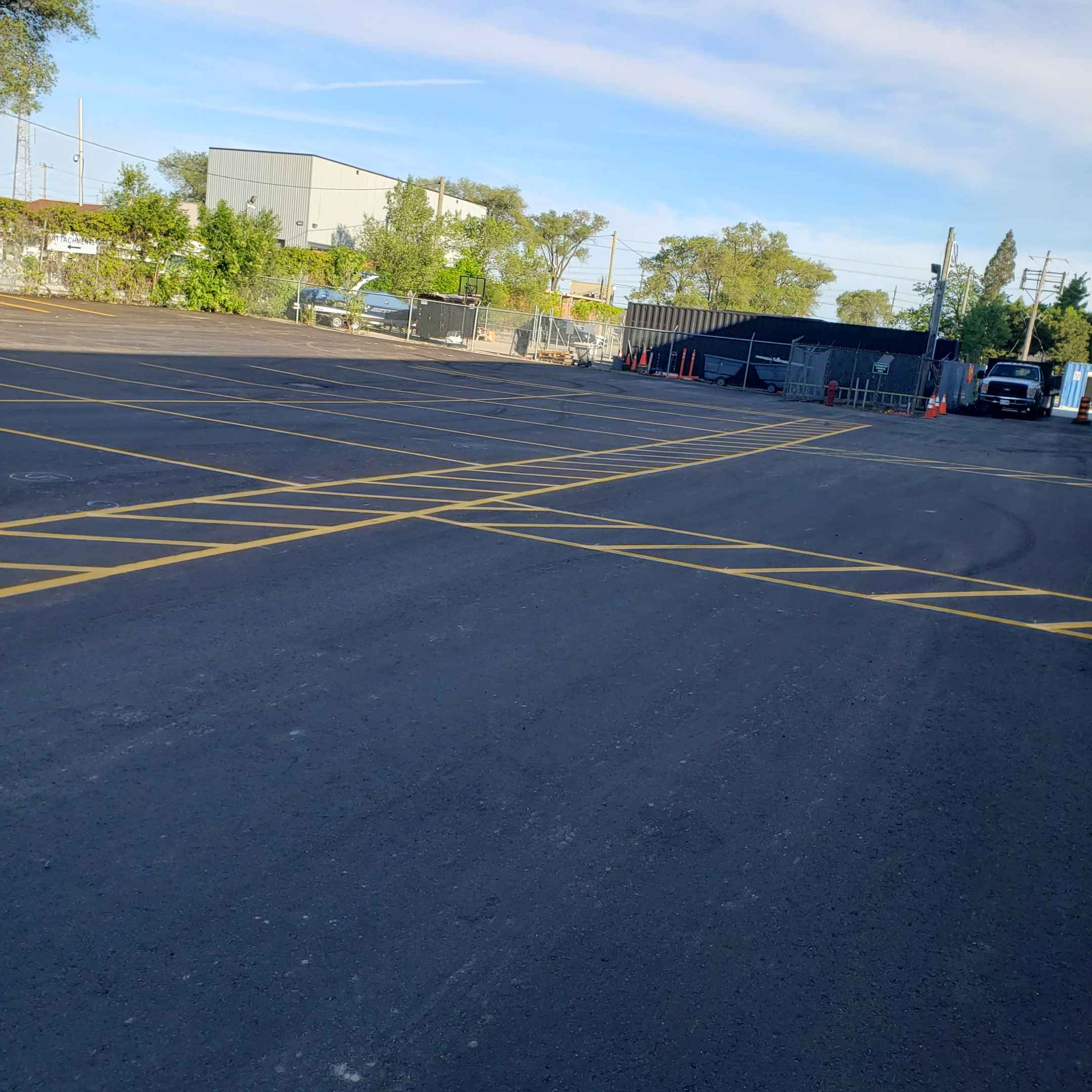
Even the most brilliant architectural design will fail if the execution on the ground is sloppy. This is where line marking becomes the bridge between a plan and a functional reality. If lines are crooked, faded, or incorrectly spaced, drivers will park haphazardly, effectively reducing your lot's capacity through human error.
In a high-density city like Mississauga, where space is at a premium, precision is non-negotiable. Using professional line painting services ensures that every stall is exactly the width specified in your design, maximizing the ability to fit the intended number of vehicles. Capital Parking Lot Line Painting utilizes advanced equipment to provide crisp, durable lines that withstand heavy traffic and harsh weather conditions.
Common Mistakes to Avoid
When attempting to maximize capacity, it is easy to fall into traps that actually decrease efficiency. Avoid these common pitfalls:
Over-crowding Stalls
Making stalls too narrow might look good on paper, but it leads to door dings and drivers taking up two spots, which destroys your actual capacity.
Ignoring Sightlines
Placing large obstacles or poorly designed corners can create blind spots, increasing the risk of accidents and slowing down traffic flow.
Ready to Optimize Your Space?
Don't leave your property's efficiency to chance. Whether you need a complete redesign or professional line painting to refresh your current layout, our team is here to help you maximize every inch of your investment.