How Moisture Infiltration Worsens Unsealed Cracks
Understanding the silent destroyer of asphalt surfaces and how to prevent costly structural failures.
To the untrained eye, a small crack in a parking lot might seem like a minor cosmetic issue. However, in the world of pavement management, these tiny fissures are the precursors to significant structural failure. The primary culprit behind this rapid degradation is moisture infiltration. When water finds its way into the substrate of your asphalt, it initiates a destructive cycle that can compromise the entire foundation of your property.
For property managers in Whitby, a top 30 city in Ontario, understanding this process is critical. The seasonal shifts and heavy precipitation common in our region mean that moisture is a constant threat to asphalt longevity. At Capital Parking Lot Line Painting, we see firsthand how neglected cracks transform from minor nuisances into major repair projects.
The Science of Destruction: How Water Works
When moisture enters an unsealed crack, it doesn't just sit there; it actively works to dismantle the pavement from the inside out. There are three primary mechanisms at play:
1. The Freeze-Thaw Cycle
In Ontario, the freeze-thaw cycle is the most aggressive enemy of asphalt. When water infiltrates a crack and the temperature drops, that water expands as it turns to ice. This expansion exerts immense internal pressure against the walls of the crack, forcing it to widen. When the ice melts, it leaves behind a larger void, allowing even more water to enter during the next rain or snow event. This cycle repeats hundreds of times a year, rapidly turning a hairline fracture into a gaping pothole.
2. Subgrade Erosion
As water travels deeper into the cracks, it reaches the subgrade—the soil and gravel base that supports the asphalt. Continuous moisture infiltration can wash away the fine particles that hold the base material together. This creates hollow pockets or "voids" beneath the surface. Without a solid foundation, the asphalt above will eventually collapse under the weight of vehicles, leading to severe depressions and potholes.
3. Oxidation and Chemical Breakdown
Moisture trapped within the asphalt layers can accelerate the oxidation process. This chemical reaction makes the asphalt more brittle and less flexible. A brittle surface is far more susceptible to cracking under traffic loads, creating a feedback loop of deterioration that Capital Parking Lot Line Painting experts often have to address through intensive rehabilitation.
Common Mistakes in Asphalt Maintenance
Many property owners wait too long to take action, hoping the cracks will stabilize. This is a costly error. Here are the most common mistakes we observe:
- Ignoring Small Cracks: Waiting until a pothole forms is often too late for simple crack sealing.
- Using Improper Sealants: Applying DIY solutions that do not bond correctly with the asphalt can actually trap moisture inside.
- Neglecting Line Marking: While Line Marking is often seen as aesthetic, clear lines help direct traffic away from damaged areas, reducing the load on compromised sections.
- Skipping Annual Inspections: Seasonal changes in Whitby require proactive monitoring to catch issues before they escalate.
The Solution: Proactive Protection
The most effective way to combat moisture infiltration is through a comprehensive maintenance program. This includes professional crack sealing, sealcoating, and periodic Line Painting to ensure traffic flow is optimized and heavy vehicles are kept away from vulnerable edges.
By sealing cracks early, you create a waterproof barrier that prevents the freeze-thaw cycle from taking hold. This simple step can extend the life of your asphalt by years, saving you from the massive expense of a full repaving project. Capital Parking Lot Line Painting specializes in identifying these vulnerabilities before they become catastrophes.
Visualizing the Damage
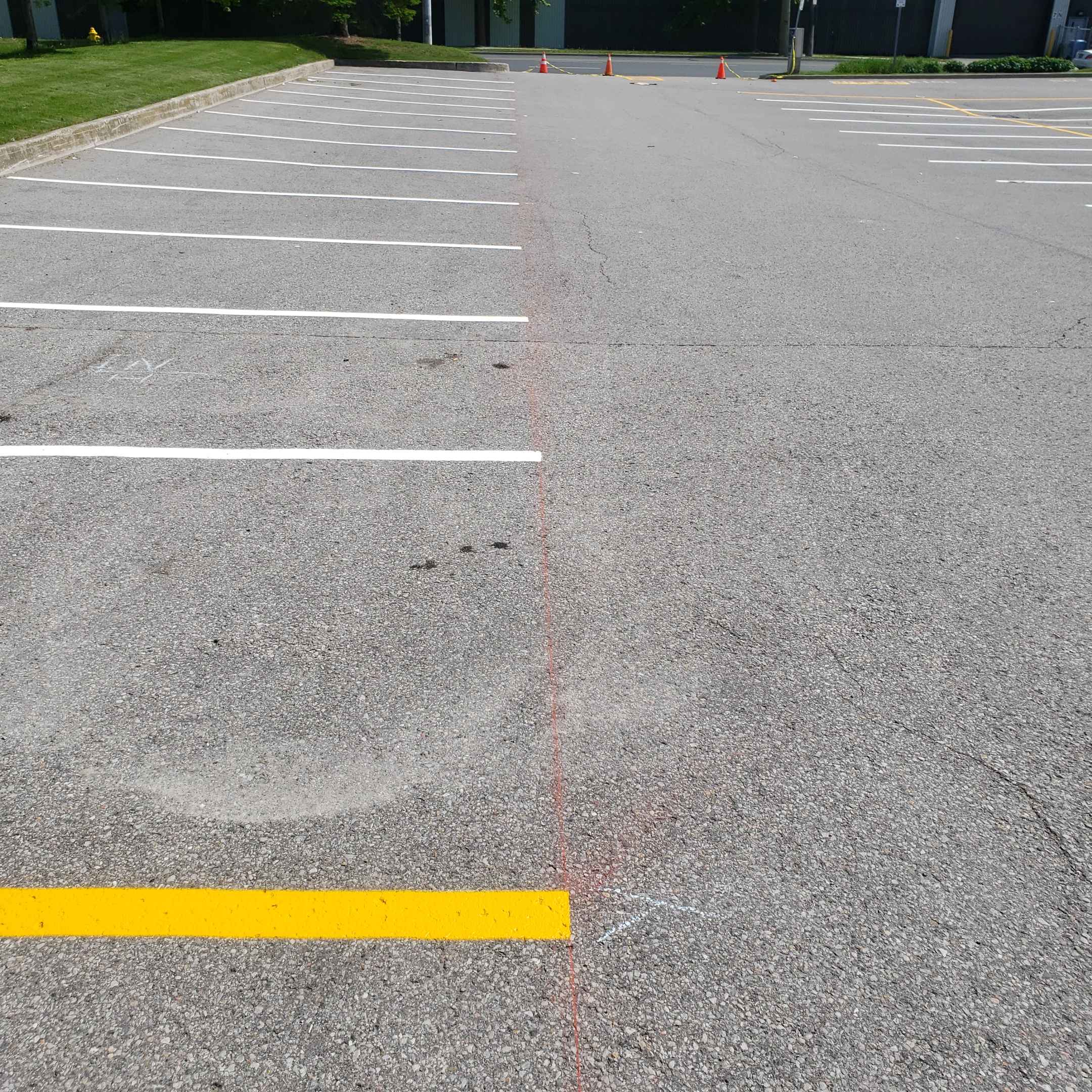
Even small cracks can lead to major structural issues if left unaddressed.