Is Your Parking Lot Ready for Sealcoating? A Quick Checklist
Maintaining a professional appearance and ensuring the longevity of your asphalt requires more than just occasional cleaning. Before you schedule your next maintenance session, you need to know if your surface is actually prepared for the job.
Understanding the Importance of Sealcoating
Asphalt is a resilient material, but it is constantly under siege from environmental factors. In a bustling area like North Bay, your parking lot faces a unique combination of heavy vehicle traffic, seasonal temperature shifts, and chemical exposure from road salts. Without a protective barrier, the sun's UV rays can oxidize the asphalt, making it brittle, while water can seep into microscopic cracks, leading to potholes and structural failure.
Sealcoating acts as a sacrificial layer. It isn't just about making your lot look pitch-black and brand new; it is a preventative measure designed to extend the life of your investment. When you partner with experts like Capital Parking Lot Line Painting, you ensure that this protective layer is applied correctly to maximize its effectiveness.
The Pre-Sealcoating Checklist
You shouldn't jump straight into applying sealant. A successful application depends heavily on the preparation of the substrate. Use this checklist to determine if your lot is ready for a professional crew to arrive.
Essential Readiness Steps:
- Surface Cleanliness: Is the lot free of dirt, oil, and debris? Sealant will not bond to a greasy or dusty surface.
- Crack Inspection: Are there large cracks wider than a quarter inch? These require specialized crack filling before the sealcoating can begin.
- Vegetation Removal: Have weeds been cleared from the edges and cracks? Roots can compromise the seal if not addressed.
- Oil Spot Treatment: Are there deep oil or fuel stains? These must be treated with a primer to prevent the sealant from peeling.
- Structural Integrity: Are there existing potholes? Sealcoating is a surface treatment, not a structural repair.
Common Mistakes to Avoid
Many property managers make the mistake of viewing sealcoating as a "quick fix." However, if the foundation isn't right, the sealant will fail prematurely. Here are a few pitfalls to watch out for:
1. Ignoring Subsurface Issues
If your asphalt is already crumbling or sinking due to poor soil compaction, applying a fresh coat of sealant is essentially a waste of resources. You must address the structural issues first. Capital Parking Lot Line Painting recommends a thorough inspection to ensure the base is stable before moving forward with cosmetic enhancements.
2. Applying Sealant in Poor Weather
Timing is everything. In regions like North Bay, where weather can change rapidly, applying sealant when rain is imminent or when temperatures are too low can result in a failed application. The surface must be dry and the ambient temperature must be within a specific range to allow for proper curing.
3. Skipping Line Marking and Line Painting
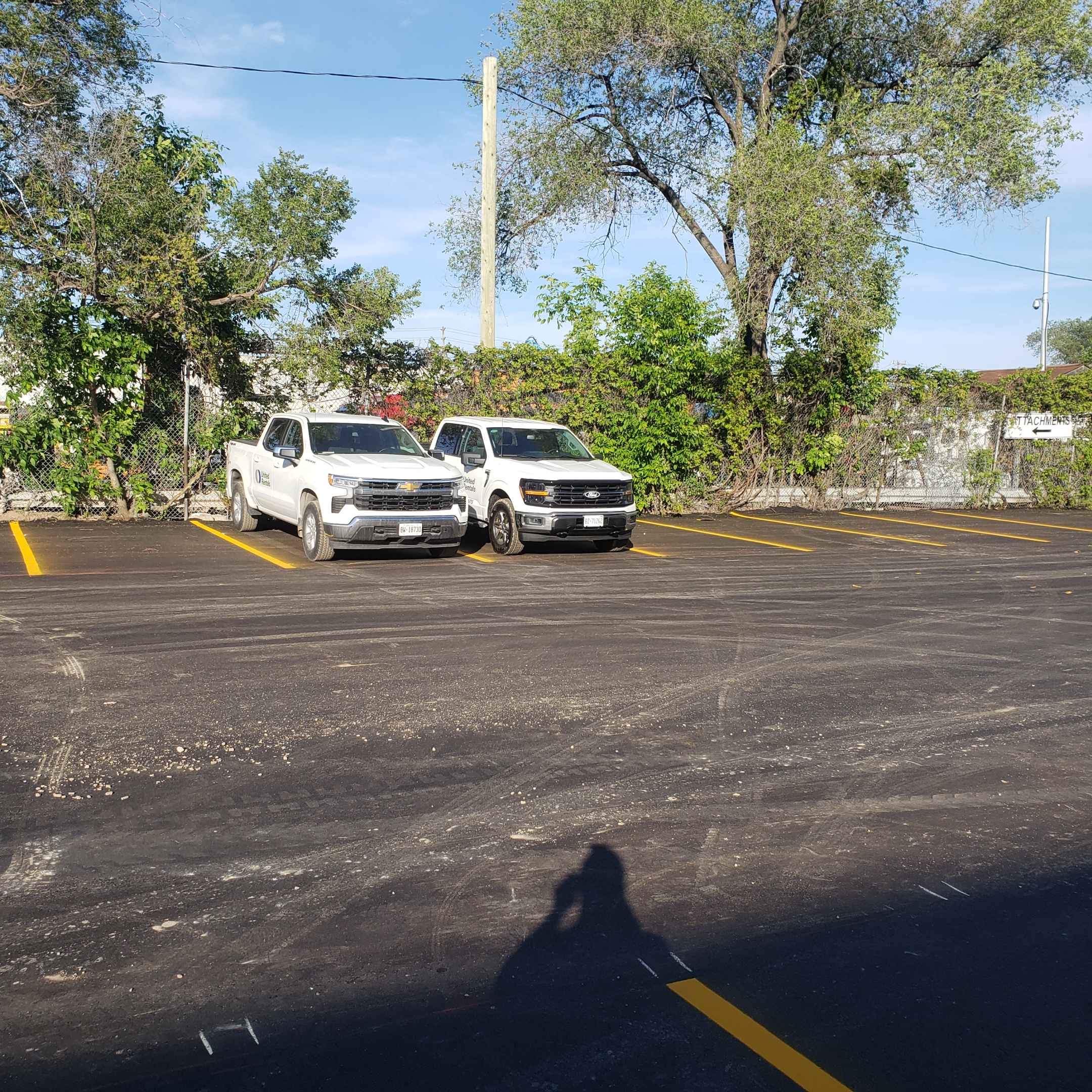
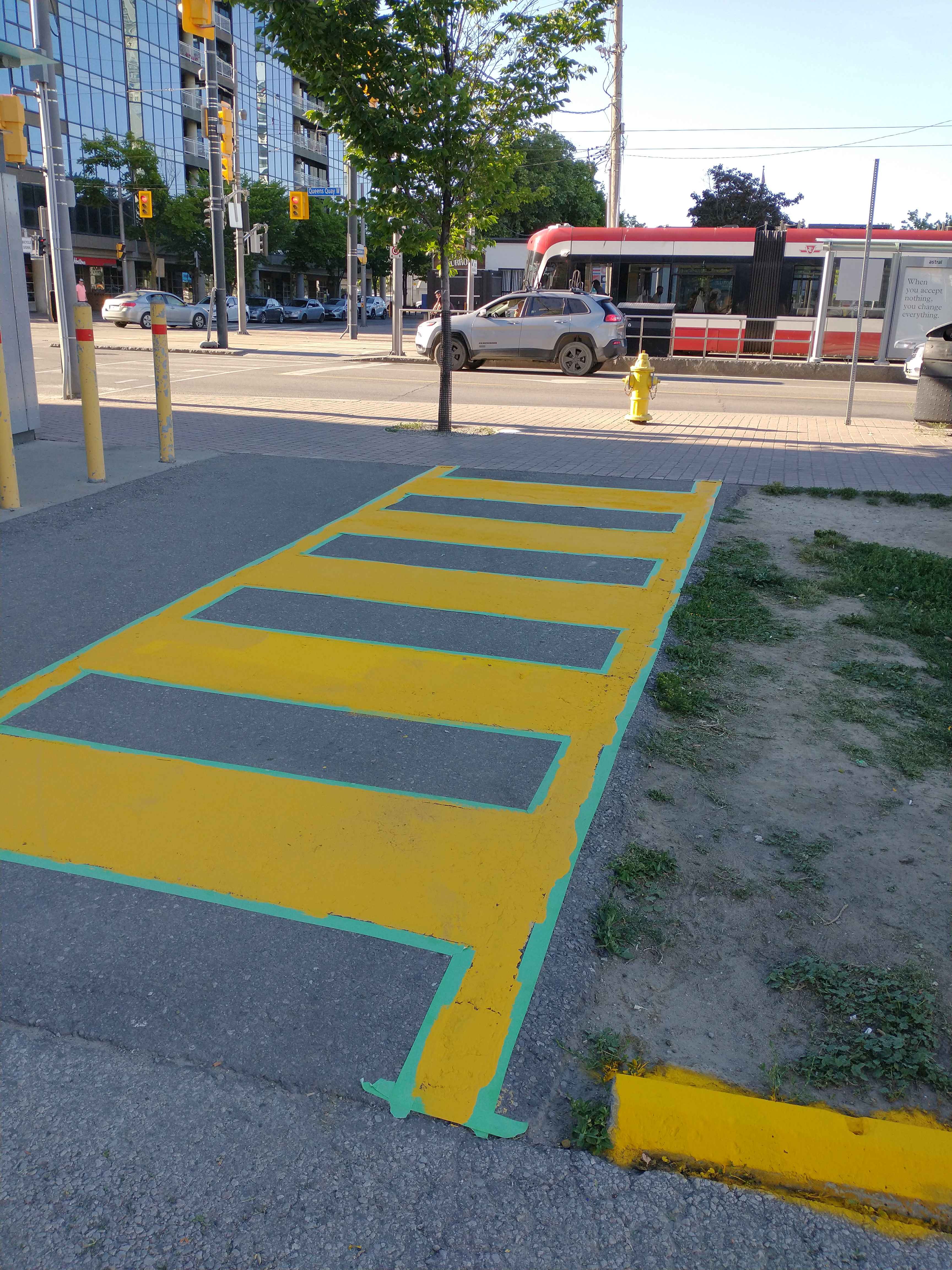
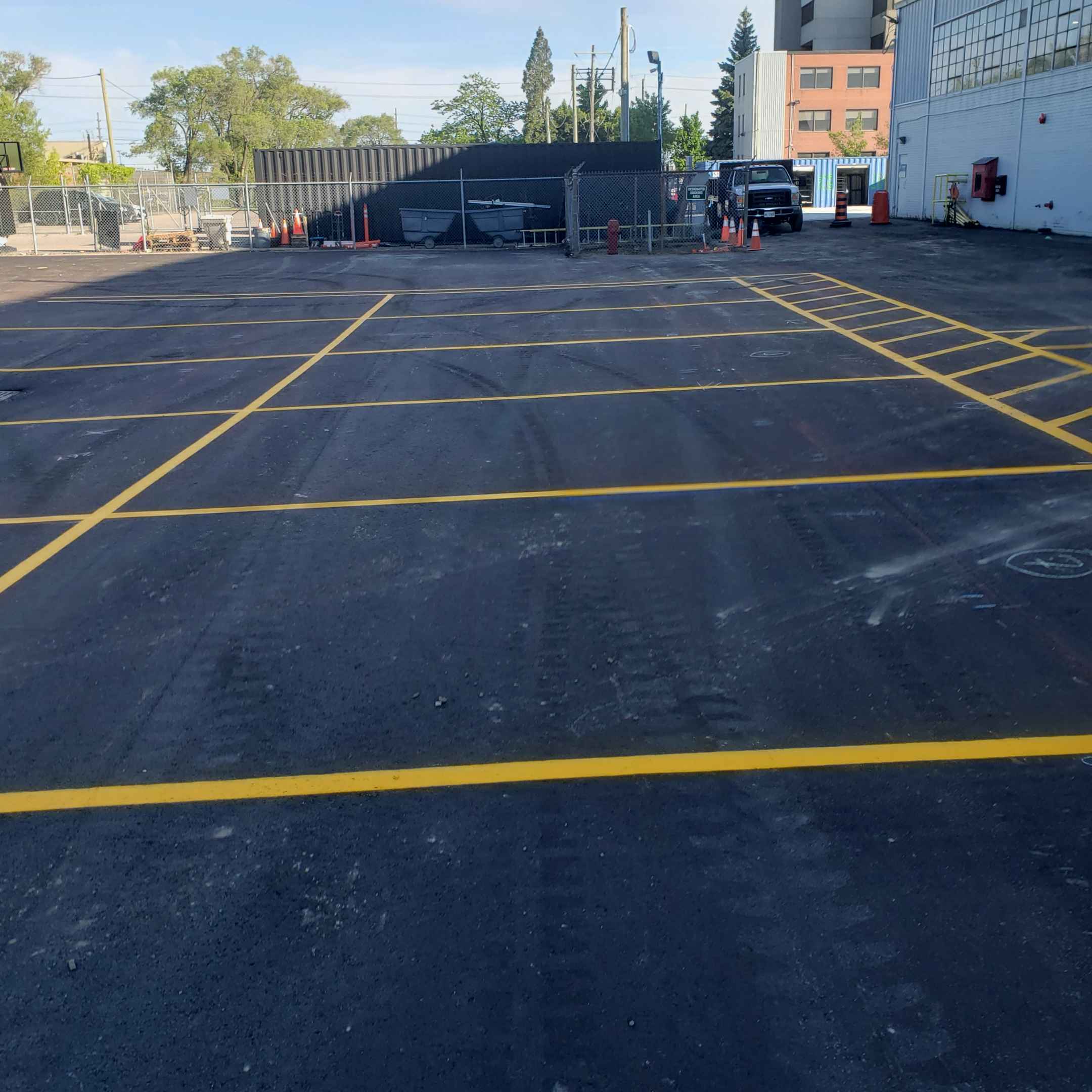
A freshly sealcoated lot looks incredible, but it's not functional until the traffic patterns are clearly defined. Once the sealant has cured, it is the perfect time to refresh your Line Painting. High-contrast Line Marking ensures safety for drivers and pedestrians, making your lot look organized and professional.
Professional Results with Capital Parking Lot Line Painting
Don't leave your property's curb appeal to chance. Whether you need comprehensive asphalt maintenance or precise Line Painting, our team is equipped to handle the job with precision and care. We understand the local climate and the specific needs of commercial properties.
Final Thoughts
Sealcoating is one of the most cost-effective ways to protect your asphalt and maintain a high-quality appearance for your business. By following this checklist and ensuring your surface is prepared, you set the stage for a long-lasting, beautiful parking lot. If you are unsure about the state of your asphalt, reach out to Capital Parking Lot Line Painting for a professional assessment.