Is Your Parking Lot Ready for Sealcoating? A Quick Checklist
Maintaining a professional appearance and structural integrity starts from the ground up. If your asphalt is looking grey, faded, or worn, it might be time for a refresh.
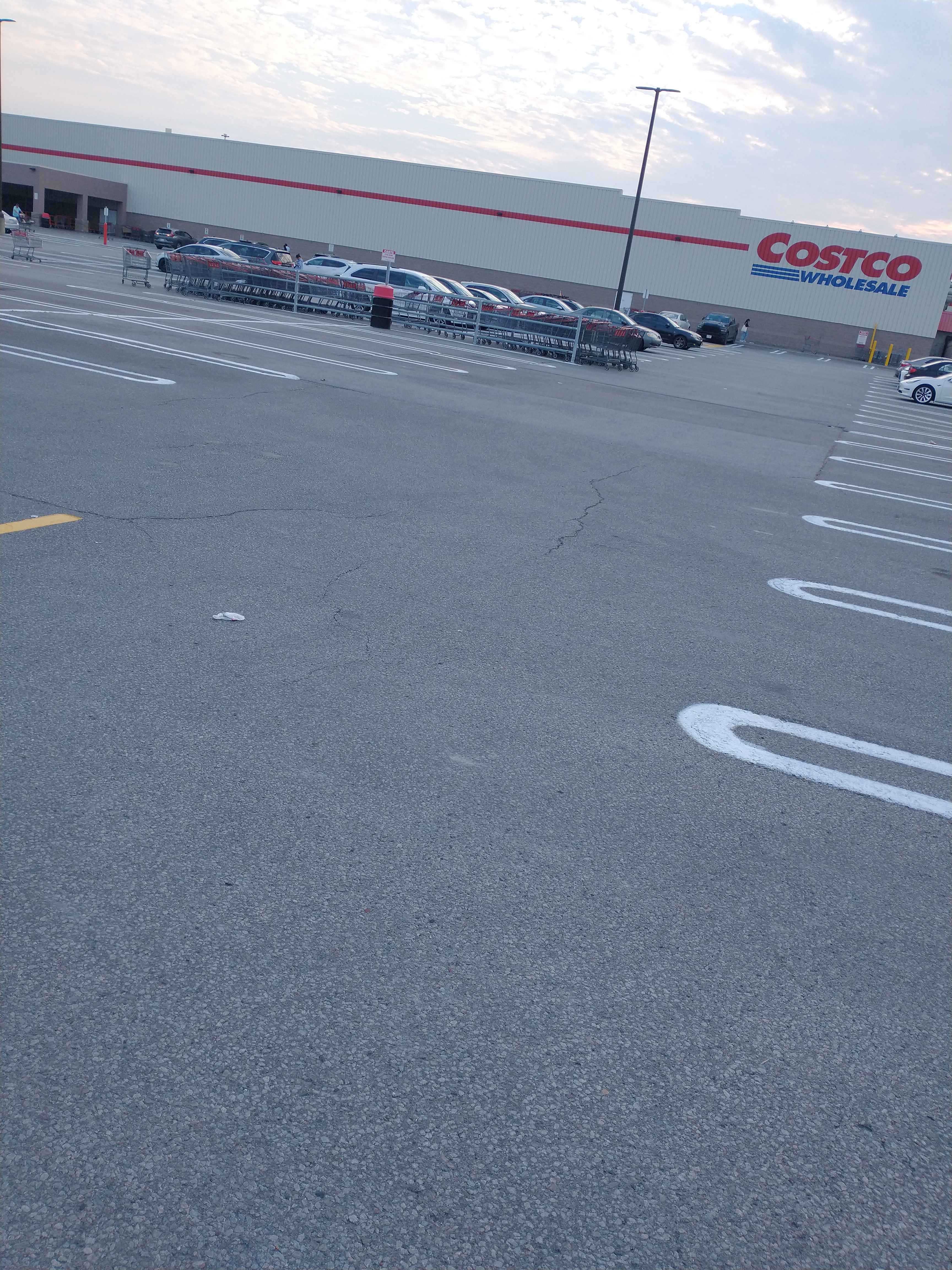
As an owner or property manager in a bustling area like Waterloo, you know that first impressions are everything. Your parking lot is often the first thing a customer sees when they arrive at your business. Beyond aesthetics, however, sealcoating is a critical maintenance step designed to protect your investment from the harsh Ontario elements.
However, sealcoating isn't a "one size fits all" solution. You cannot simply pour sealant over a damaged surface and expect magic to happen. To get the best results, your asphalt must be in the right condition. At Capital Parking Lot Line Painting, we believe that preparation is the key to a long-lasting finish.
Why Sealcoating Matters
Asphalt is a petroleum-based product. Over time, UV rays from the sun, oil spills from vehicles, and water penetration break down the chemical bonds that hold the asphalt together. This leads to oxidation, which turns the deep black surface into a brittle, light grey color.
Sealcoating acts as a protective barrier, providing several key benefits:
- UV Protection: Prevents the sun from drying out the bitumen.
- Waterproofing: Stops water from seeping into the sub-base, which prevents freeze-thaw damage.
- Chemical Resistance: Protects against oil, gas, and chemical spills.
- Aesthetic Appeal: Restores that deep, rich black look that makes your property stand out.
The Ultimate Sealcoating Readiness Checklist
Before you call in the experts at Capital Parking Lot Line Painting, take a walk around your property. Use this checklist to assess whether your lot is ready for a fresh coat or if it requires more intensive repairs first.
1. Surface Integrity and Cracks
Small hairline cracks can usually be handled during the sealcoating process. However, if you see large, deep cracks or wide fissures, these must be addressed with specialized crack filling before any sealant is applied. If the cracks aren't filled properly, the sealant will simply sink into them, leaving the structural issue unresolved.
2. Pothole Assessment
Sealcoating is a surface treatment, not a structural repair. If your parking lot has potholes, these must be patched and leveled first. Applying sealant over a pothole is a waste of resources and will not prevent the hole from returning.
3. Vegetation and Debris
Are there weeds growing through the asphalt? In cities like Waterloo, where seasonal changes are drastic, vegetation can quickly compromise the edges of your pavement. All weeds must be removed and the area treated to ensure the sealant adheres to the asphalt, not to organic matter.
4. Oil and Grease Stains
Sealant will not bond to oily surfaces. If you have heavy oil spills in parking stalls, these areas need to be professionally cleaned and degreased. A clean surface is mandatory for proper adhesion.
The Importance of Professional Line Marking
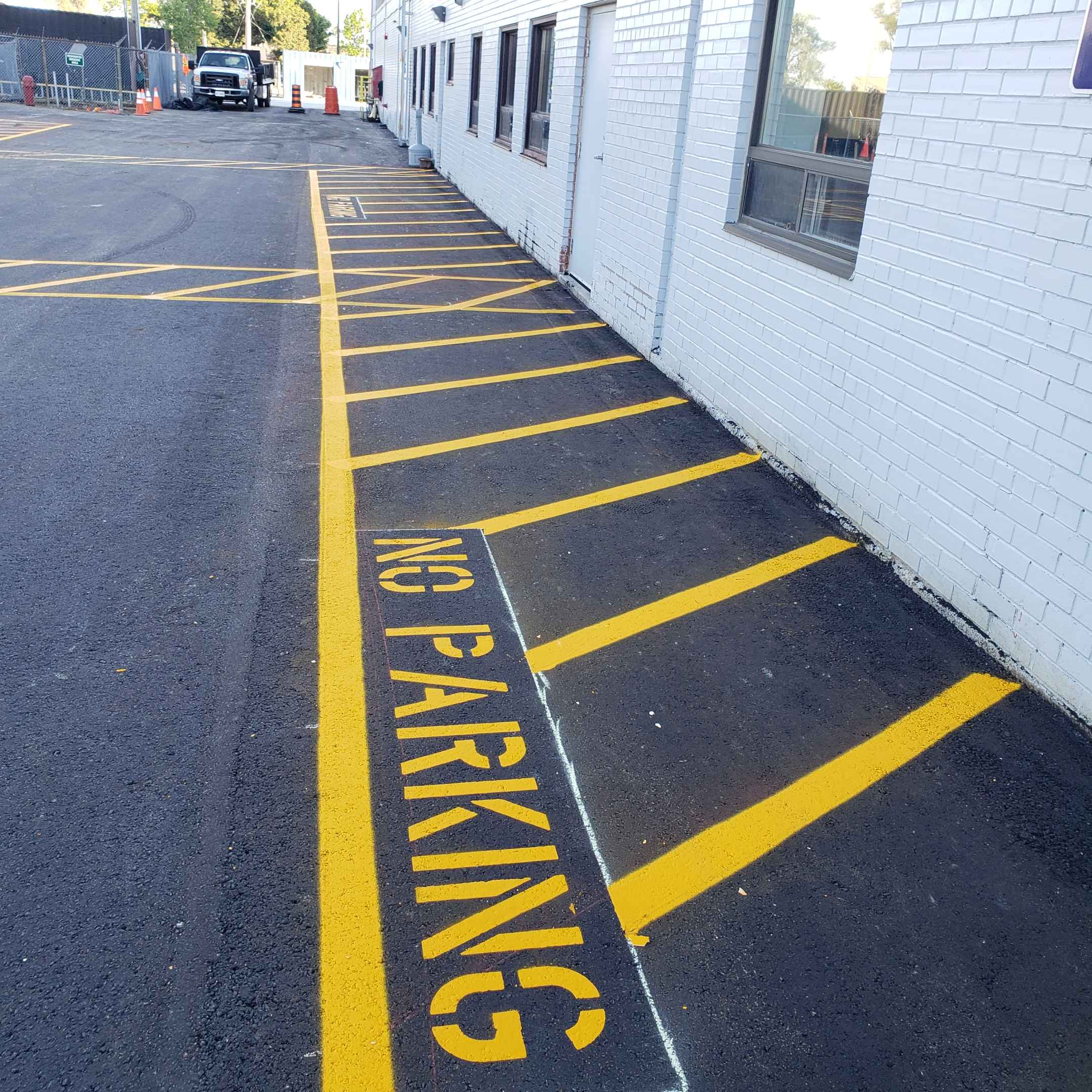
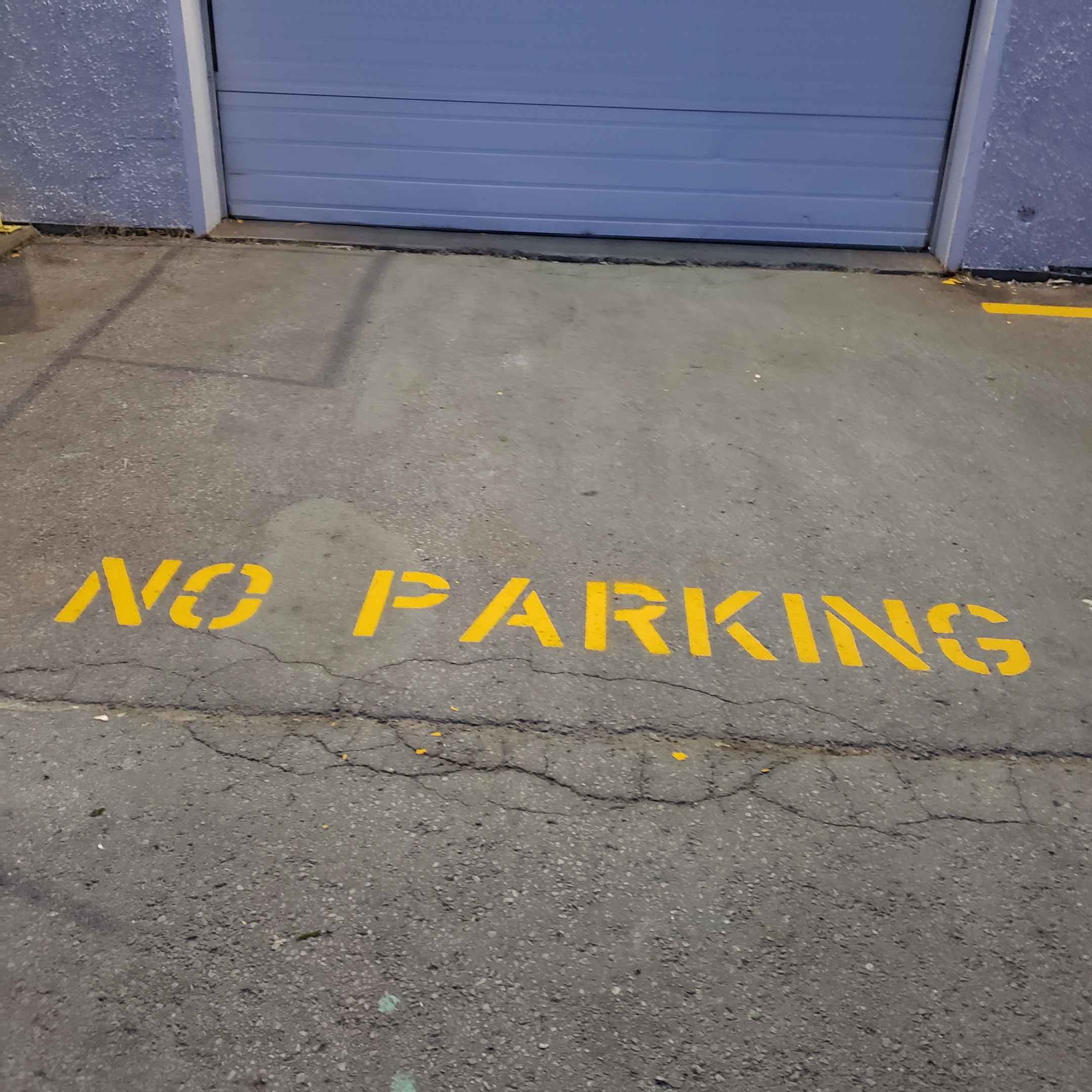
Once your sealcoating is complete and the surface is dry, the next logical step is to refresh your directional cues. A freshly sealed black lot provides the perfect high-contrast background for professional Line Marking.
Without crisp, clear Line Painting, even the most beautiful sealcoated lot can look disorganized and unsafe. Clear markings guide traffic, define parking stalls, and ensure your property complies with safety regulations. Capital Parking Lot Line Painting specializes in ensuring your lines are as sharp and durable as your new sealcoat.
Ready to Transform Your Property?
Don't wait for the asphalt to crumble. Proactive maintenance is significantly more cost-effective than full reconstruction. Contact our team today to schedule an inspection and ensure your lot is prepared for the season ahead.