The Role of Pavement Marking in Traffic Conflict Reduction
Understanding how visual cues on the road surface serve as the silent guardians of public safety and traffic flow efficiency.
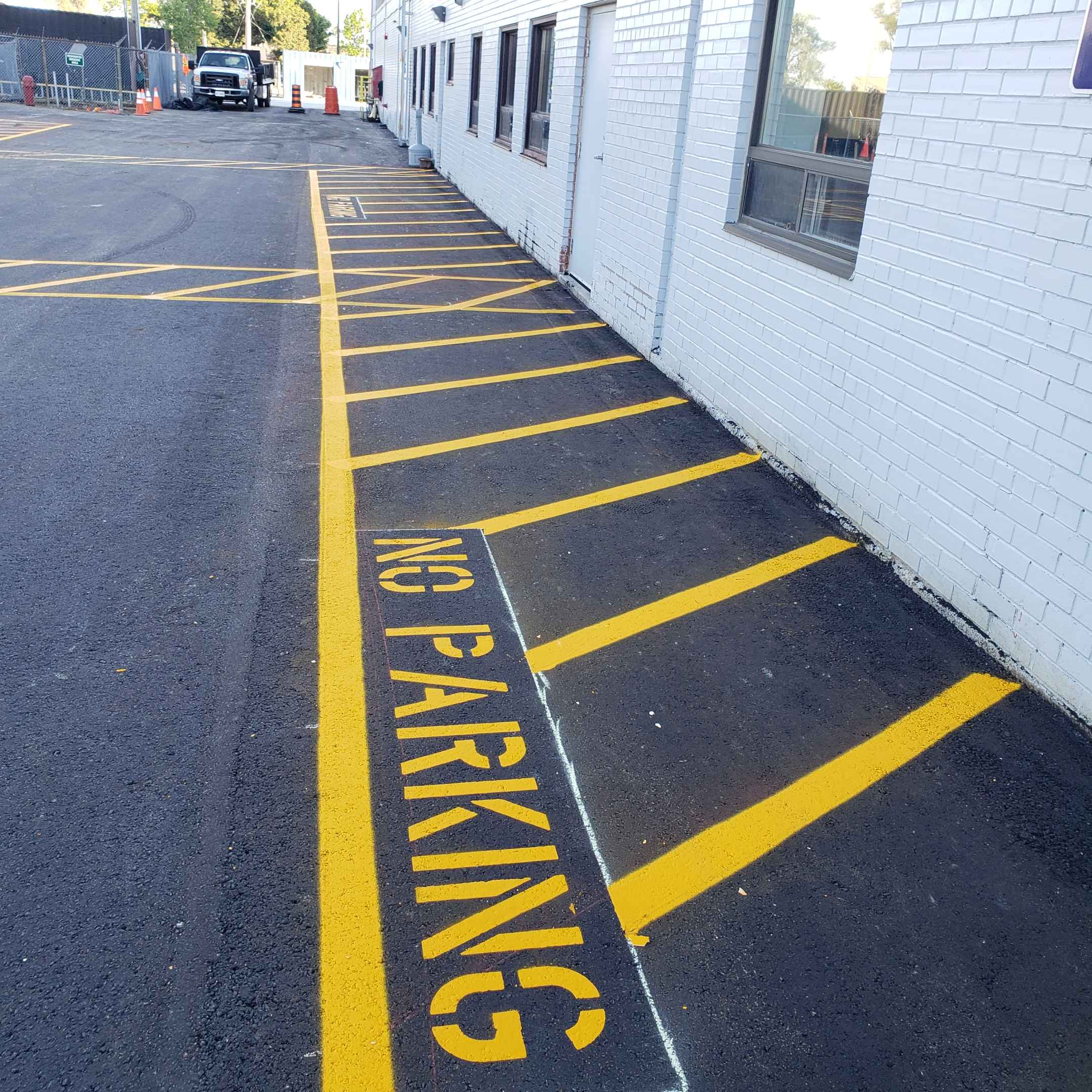
In the complex ecosystem of urban mobility, the difference between a smooth commute and a dangerous collision often comes down to a few inches of high-visibility pigment. Pavement marking is much more than just aesthetic maintenance; it is a fundamental component of traffic engineering designed to manage human behavior and vehicle movement. When lines fade or become obscured, the psychological and physical boundaries that keep drivers in their lanes begin to dissolve, leading to increased traffic conflicts.
For municipalities and private property managers alike, investing in professional line marking is a proactive step toward accident prevention. Companies like Capital Parking Lot Line Painting understand that clear, durable markings are the first line of defense in creating predictable driving environments.
The Psychology of Visual Cues
Human drivers rely heavily on subconscious visual cues to navigate intersections, turns, and straightaways. When a driver enters a roadway, their brain is constantly processing spatial information. High-contrast line marking provides the necessary framework for this processing. Without these cues, drivers experience increased cognitive load, which leads to hesitation, erratic steering, and delayed reaction times.
In growing urban centers like Cambridge, where traffic density is steadily increasing, the need for precise visual guidance is paramount. As more vehicles share the road with pedestrians and cyclists, the ambiguity caused by poor line marking can lead to devastating consequences.
Key Functions of Effective Line Marking
To understand how marking reduces conflict, we must look at the specific roles these markings play on the pavement:
- Lane Delineation: Clearly defining where one lane ends and another begins to prevent side-swipe collisions.
- Directional Guidance: Using arrows to indicate mandatory turns or lane usage, reducing confusion at complex intersections.
- Pedestrian Protection: Creating high-visibility crosswalks that signal drivers to yield, protecting the most vulnerable road users.
- Boundary Definition: Marking the edges of the roadway to prevent vehicles from drifting into ditches or oncoming traffic.
- Regulatory Compliance: Implementing stop bars and yield lines that enforce the rules of the road.
Reducing Conflict Points
A "conflict point" is any location where the paths of two or more road users intersect. These can be lateral (side-by-side), longitudinal (head-on), or divergent (turning). Professional line marking works to minimize these points through organized spatial management.
1. Mitigating Intersection Chaos
Intersections are the primary sites of traffic conflict. By using precise line marking to define turn lanes and stop bars, the movement of vehicles becomes standardized. When every driver knows exactly where to stop and which lane to occupy, the unpredictability that causes accidents is significantly minimized.
2. Enhancing Parking Lot Safety
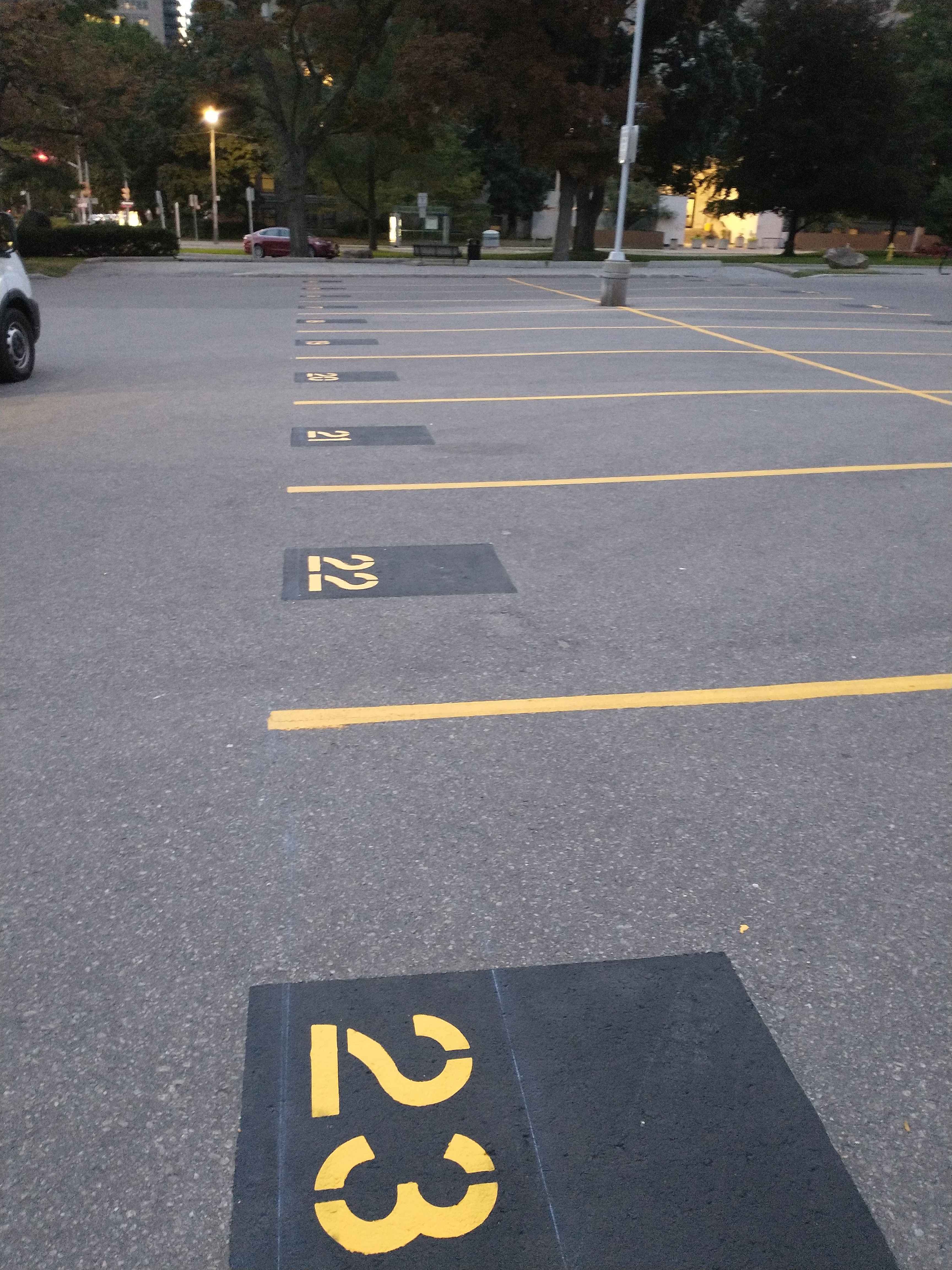
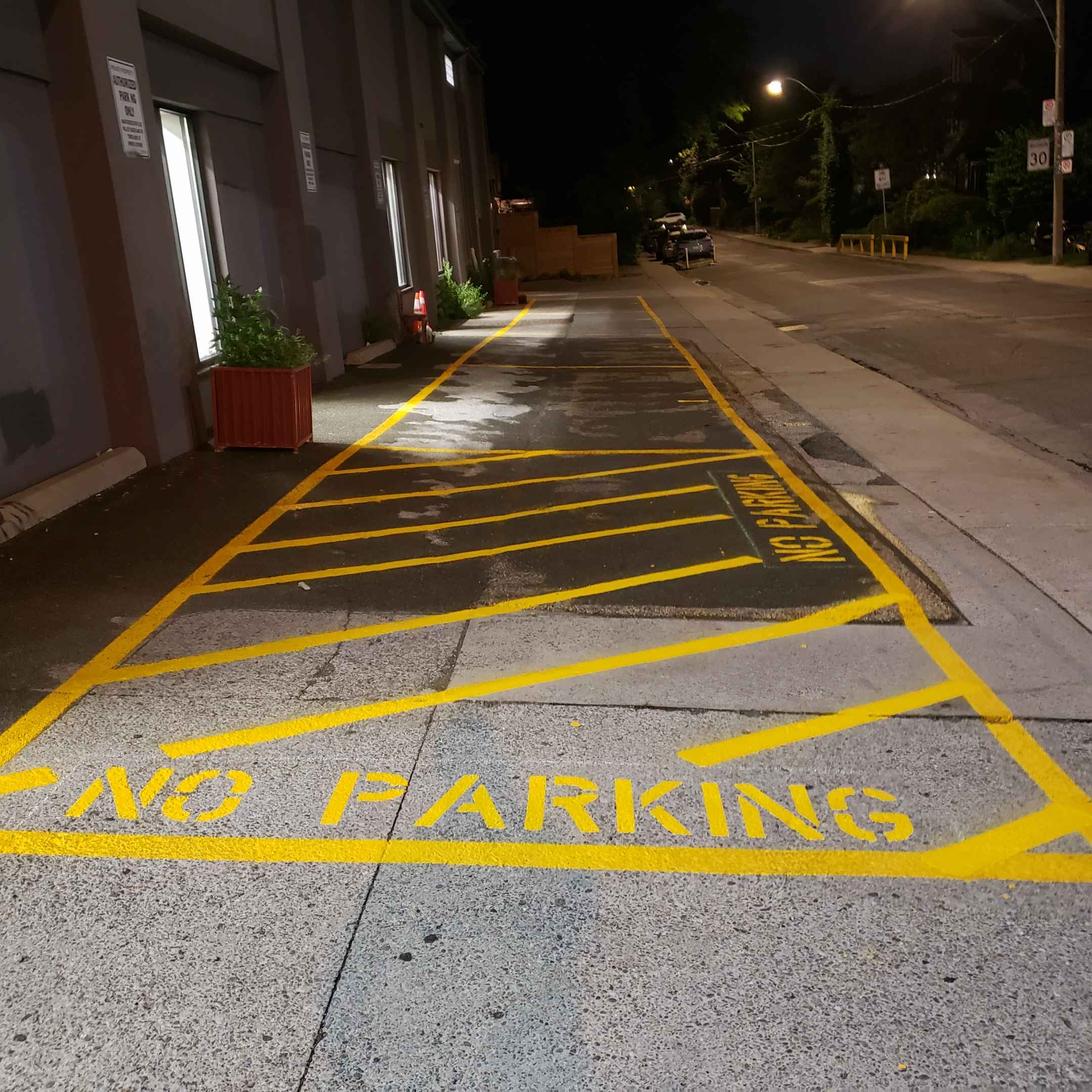
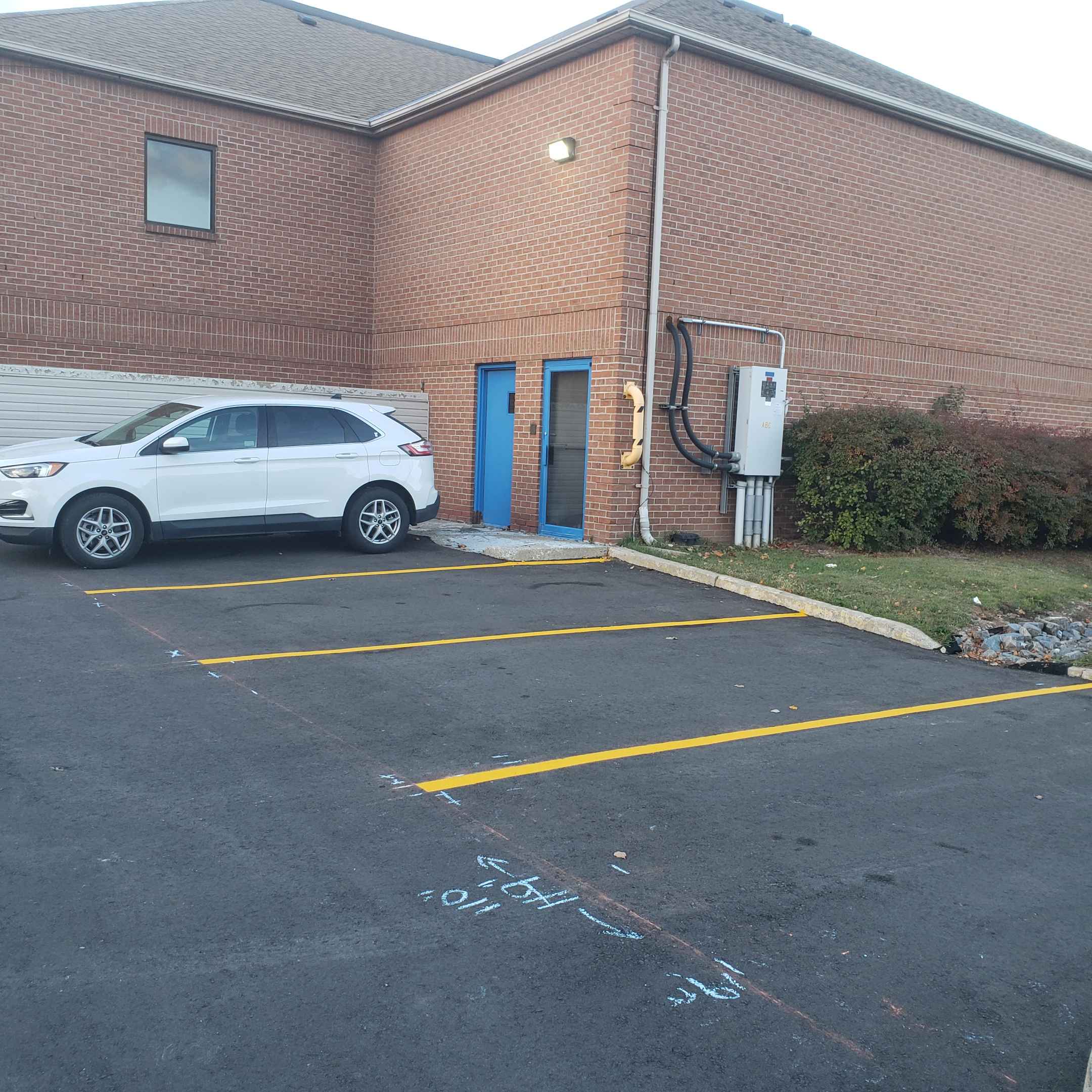
Traffic conflict isn't limited to highways. In commercial zones and residential complexes, parking lot accidents are incredibly common. Capital Parking Lot Line Painting specializes in transforming chaotic parking areas into organized, safe environments. Clear stall markings and pedestrian walkways within lots prevent vehicle-to-vehicle and vehicle-to-pedestrian incidents.
Expertise Matters
Not all line marking is created equal. The quality of the material, the precision of the application, and the adherence to safety standards determine how long the markings will remain effective. In a top 30 city like Cambridge, the wear and tear on roads is significant, requiring high-durability solutions provided by experts like Capital Parking Lot Line Painting.
Common Mistakes in Pavement Maintenance
Avoiding traffic conflicts requires more than just applying paint; it requires a strategic approach to maintenance. Many property owners make the mistake of waiting until markings are completely invisible before taking action. This delay increases the risk of liability and accidents.
Other common pitfalls include using low-quality materials that fade quickly under UV exposure or failing to account for the specific traffic patterns of the site. Partnering with a professional service ensures that the line marking is designed for the specific needs of the environment, whether it is a high-traffic thoroughfare or a quiet retail parking lot.
Conclusion
Pavement marking is an essential, often overlooked tool in the pursuit of zero-accident roadways. By providing clear, consistent, and durable visual instructions, line marking reduces driver confusion, manages conflict points, and protects everyone from pedestrians to motorists. For those looking to enhance safety and organization, Capital Parking Lot Line Painting offers the expertise necessary to ensure your surfaces are both safe and compliant.