The Role of Pavement Marking in Traffic Conflict Reduction
In the complex ecosystem of urban mobility, the difference between a smooth flow of traffic and a dangerous collision often comes down to the clarity of the ground beneath a driver's wheels.
Understanding Traffic Conflict
Traffic conflict occurs whenever the movement of one road user interferes with the movement of another, creating the potential for a collision. These conflicts are not always physical impacts; they can be "near-misses" that signal a breakdown in the visual communication between drivers, cyclists, and pedestrians. In a rapidly growing city like London, where traffic density is constantly increasing, managing these conflicts is essential for public safety.
One of the most effective, yet often overlooked, tools in the urban planner's toolkit is high-quality line marking. By providing clear, unmistakable boundaries and directions, professional line marking acts as a silent traffic controller, guiding users through complex intersections and parking facilities with precision.
How Line Marking Mitigates Risk
Effective line marking does more than just delineate lanes. It provides psychological cues that influence driver behavior. When markings are crisp, bright, and correctly placed, they reduce cognitive load—the mental effort required for a driver to process their surroundings. When markings fade or become obscured, that cognitive load increases, leading to hesitation, erratic movements, and increased conflict.
Key Functions of Pavement Markings:
- Lane Delineation: Clearly separating opposing flows of traffic to prevent head-on collisions.
- Guidance and Direction: Using arrows and symbols to direct vehicles into the correct lanes well in advance of turns.
- Pedestrian Protection: Defining crosswalks and stop bars to ensure pedestrians have a predictable and safe space to navigate.
- Conflict Zone Management: Using specialized markings in high-risk areas like merging lanes or roundabout entrances.
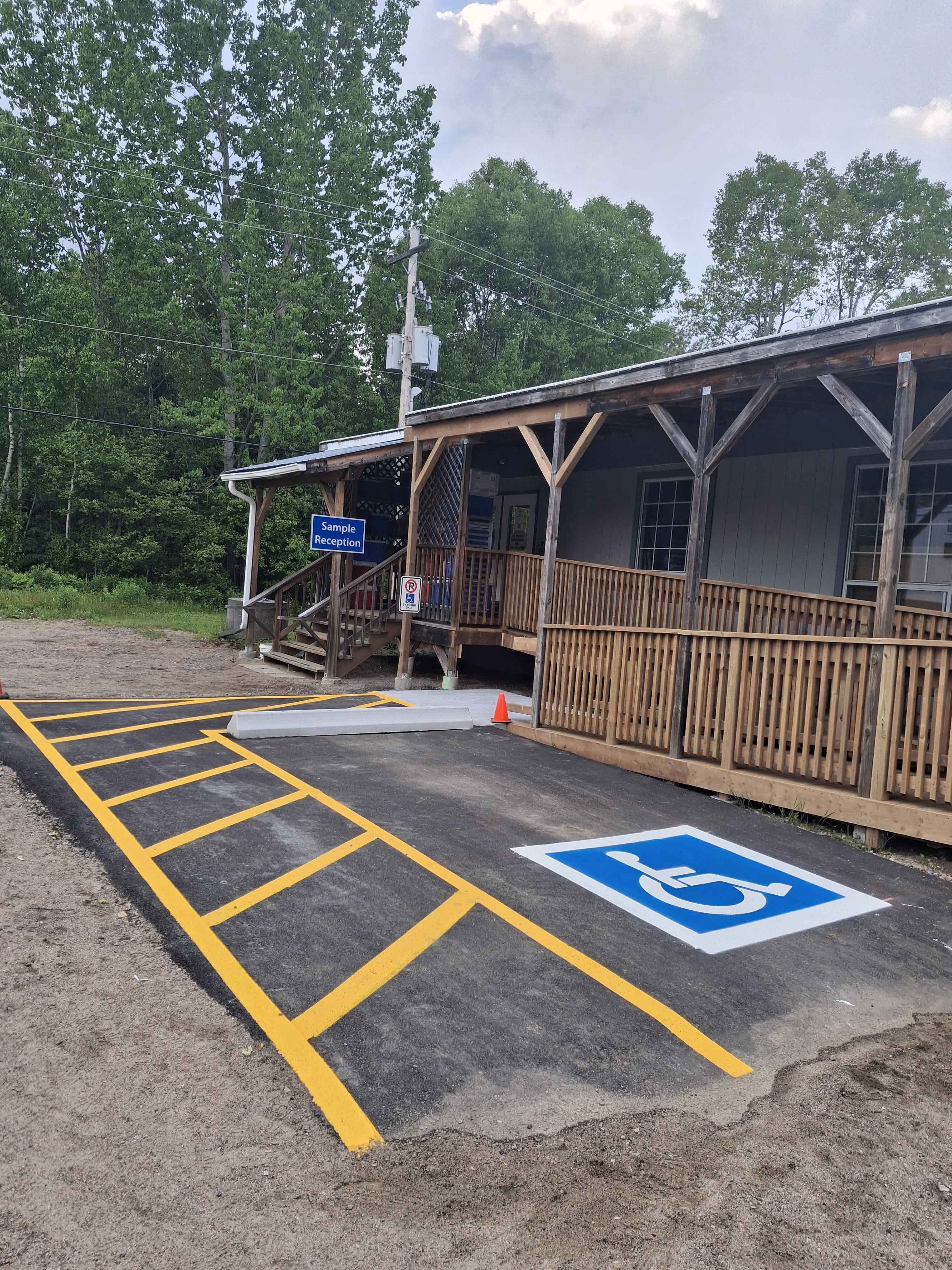
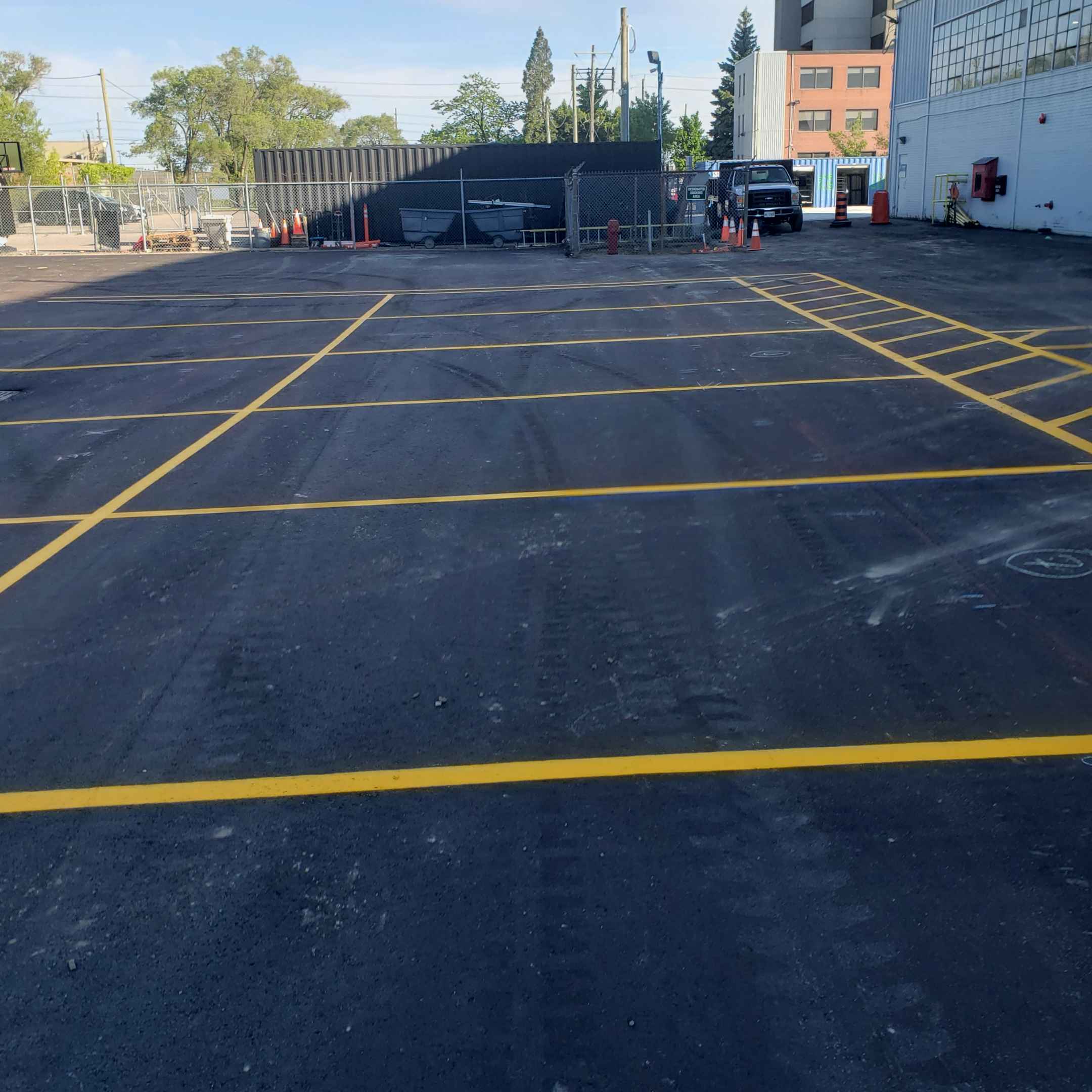
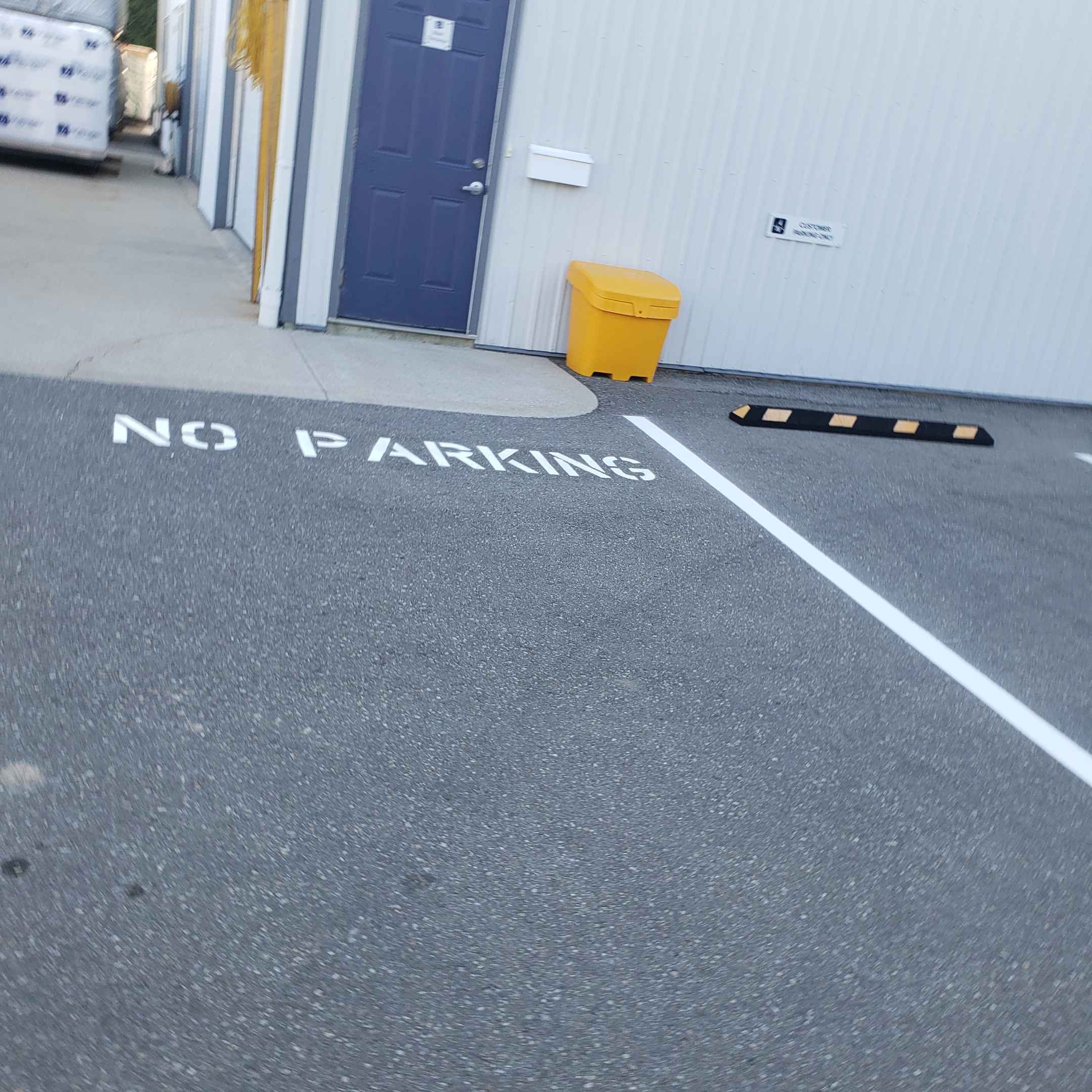
- Parking Organization: In commercial lots, proper line marking prevents congestion and ensures emergency access lanes remain clear.
For businesses looking to enhance their site safety, partnering with experts like Capital Parking Lot Line Painting ensures that these markings meet the highest standards of visibility and durability.
The Impact of Visibility and Durability
The effectiveness of any traffic safety measure is directly tied to its visibility. In regions with varying weather patterns, such as London, Ontario, pavement markings must withstand heavy use and environmental stressors. Faded markings are a primary cause of driver confusion, especially during nighttime driving or inclement weather.
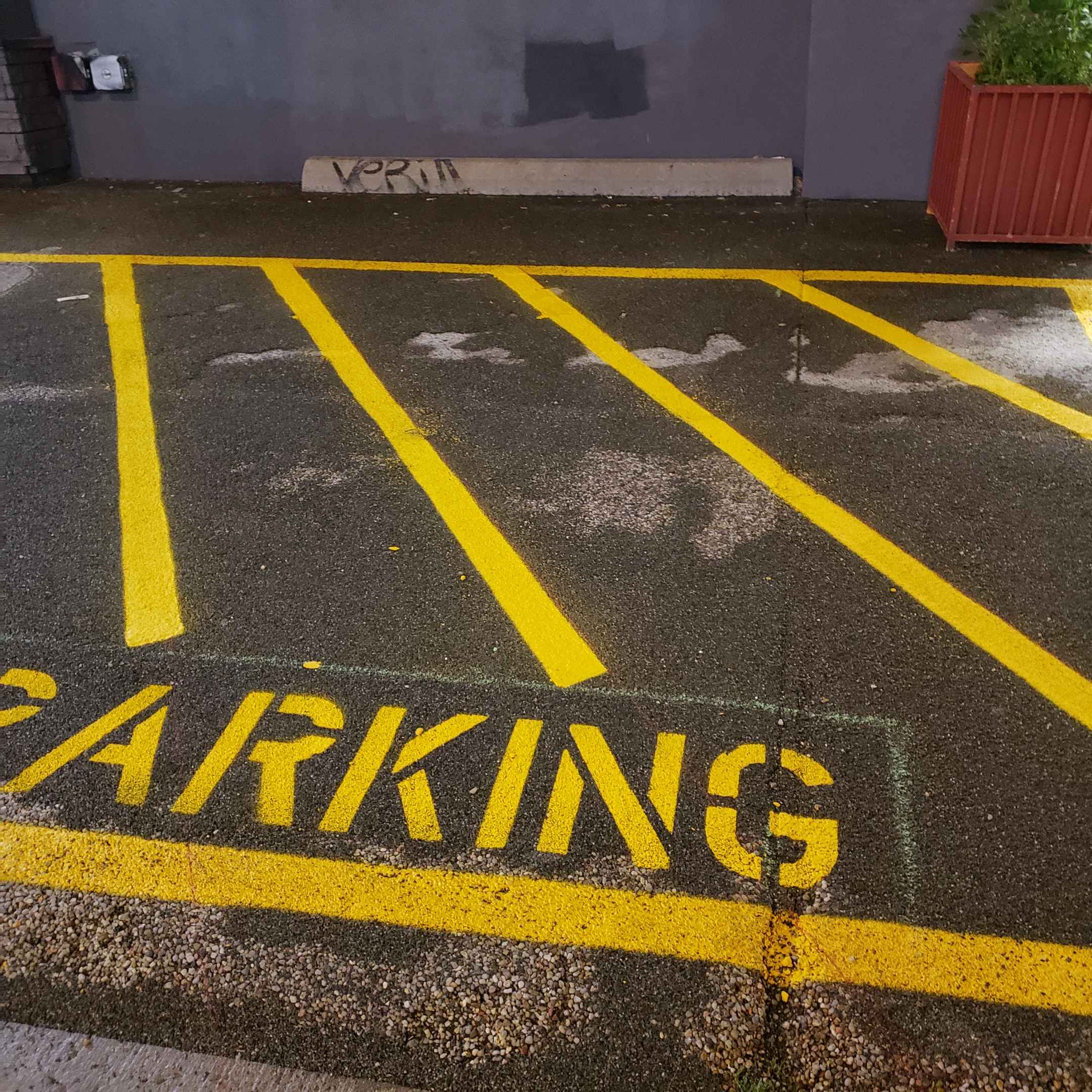
When Capital Parking Lot Line Painting applies high-quality materials, they are not just adding color to the asphalt; they are installing a critical safety layer. High-reflectivity markings ensure that even in low-light conditions, the road geometry remains visible, significantly reducing the likelihood of lane departure accidents.
Case Study: Commercial Parking Lot Safety
While much focus is placed on highways, the conflict reduction provided by line marking is equally vital in private commercial spaces. Parking lots are high-conflict zones where vehicle speeds are low, but the frequency of interactions between pedestrians and moving vehicles is extremely high.
Poorly defined stalls, missing directional arrows, and obscured pedestrian walkways can lead to significant liability and accidents. By utilizing professional line marking services, property managers can proactively reduce these risks. Capital Parking Lot Line Painting specializes in transforming chaotic lots into organized, safe environments that protect both customers and property.
Summary of Benefits
For Drivers:
Reduced confusion, better lane positioning, and increased confidence during navigation.
For Property Owners:
Reduced liability, improved traffic flow, and a more professional aesthetic appearance.
Invest in Safety Today
Traffic conflict reduction is an ongoing process that requires regular maintenance of road surfaces. Don't wait for an accident to occur before addressing worn-out markings. Ensure your facility or roadway is optimized for safety through professional line marking solutions.