The Role of Pavement Marking in Traffic Conflict Reduction
Understanding how visual cues on the asphalt prevent collisions and organize urban movement.
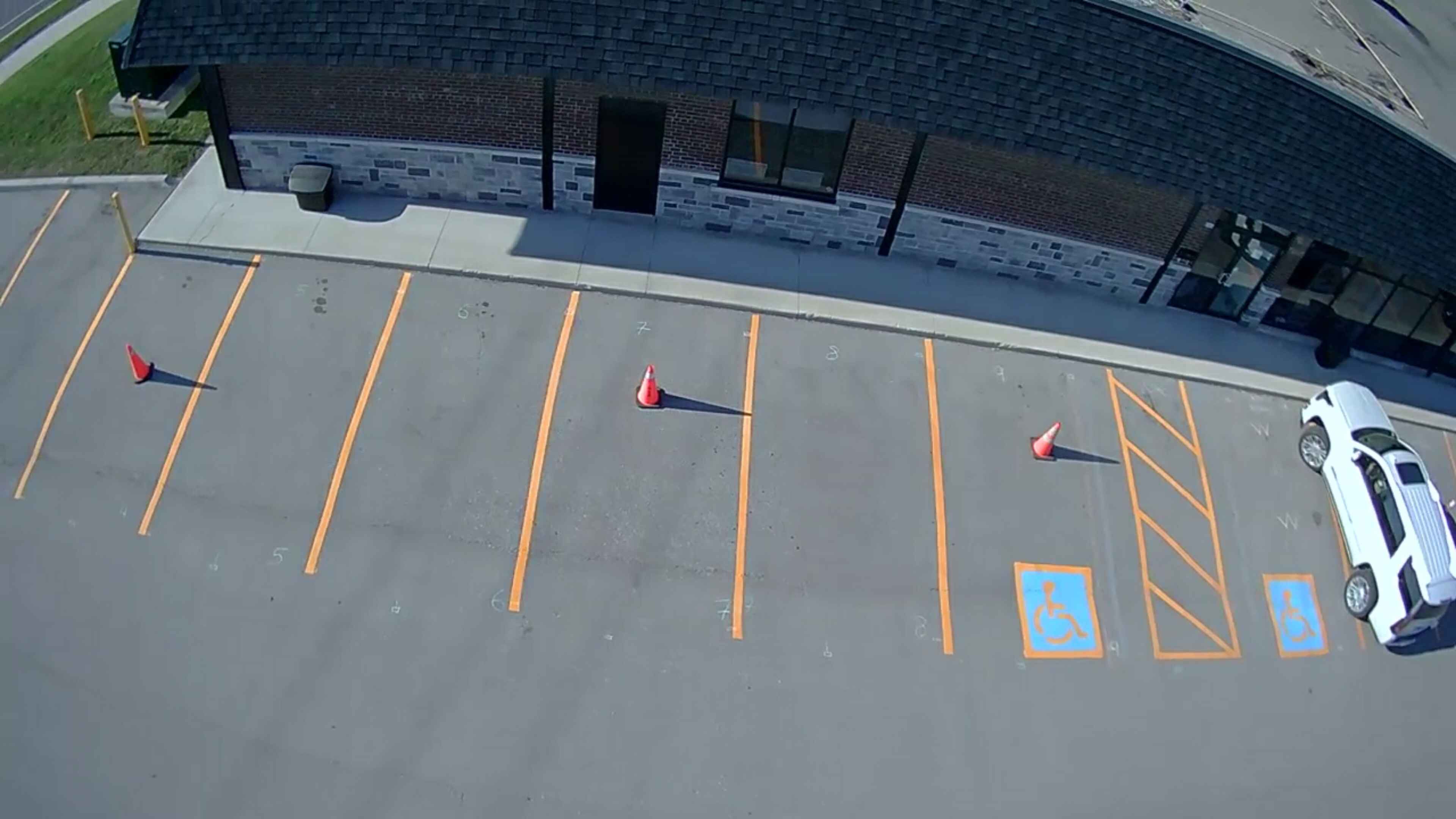
In the complex ecosystem of urban transportation, the difference between a smooth commute and a chaotic collision often comes down to a few inches of high-visibility pigment. Pavement marking is not merely an aesthetic choice for municipal planners or property managers; it is a fundamental component of traffic engineering designed to mitigate human error and reduce conflict points between vehicles, pedestrians, and cyclists.
When we look at a bustling intersection in a top 30 Ontario city like Sarnia, the organized flow of traffic is maintained by a silent language of lines, arrows, and symbols. Without these visual guides, the cognitive load on drivers increases, leading to hesitation, lane drifting, and ultimately, accidents. This is where the expertise of Capital Parking Lot Line Painting becomes invaluable in maintaining order and safety.
Defining Traffic Conflicts
A traffic conflict occurs when two or more road users are in a position where a collision is possible, even if no actual impact occurs. These are often categorized into two types:
- Rear-end Conflicts: Often caused by sudden braking due to poor lane delineation or unclear stop bars.
- Side-swipe Conflicts: Occur when drivers are unsure of their lane boundaries, frequently due to faded or missing line marking.
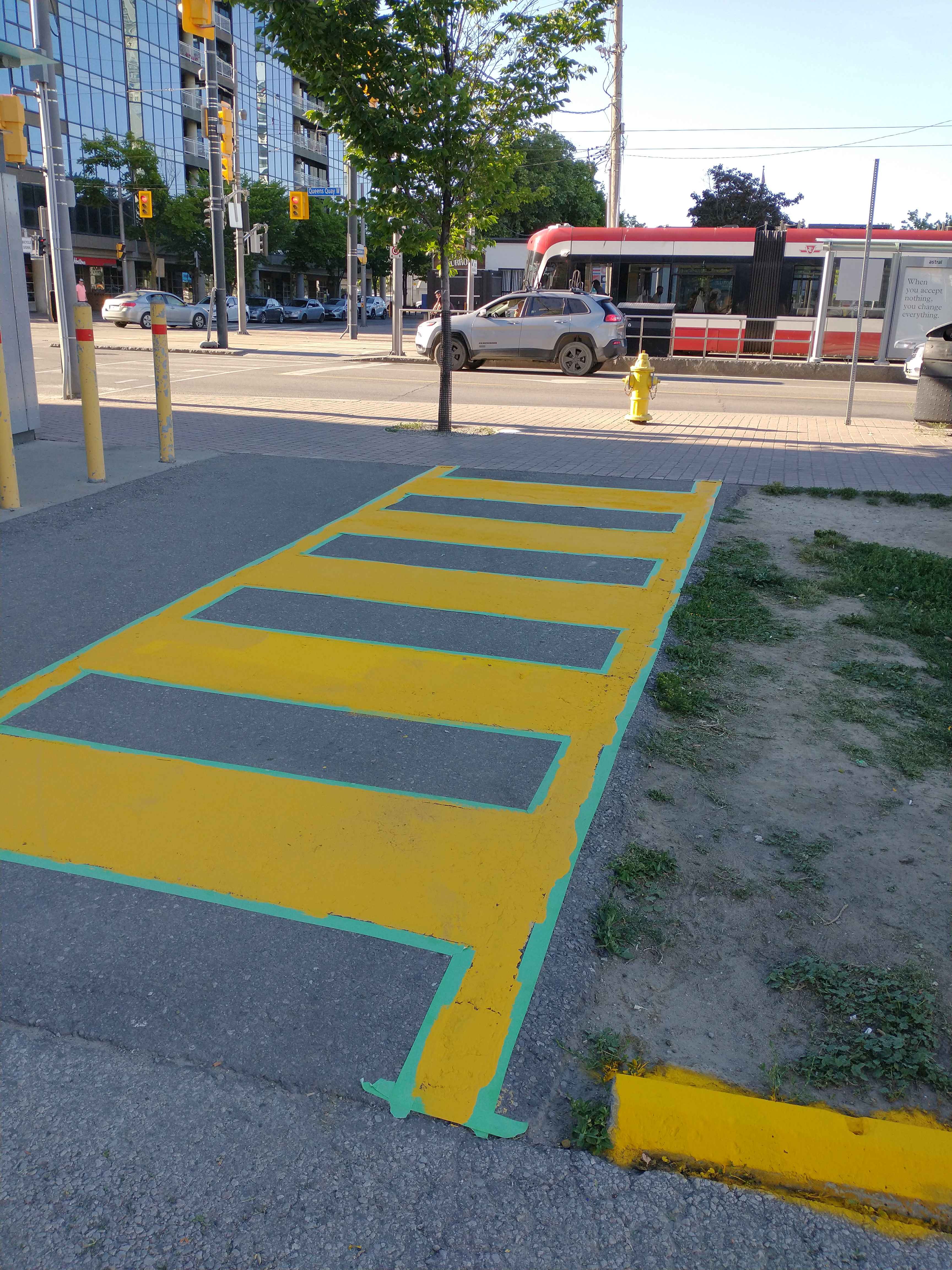
- Pedestrian-Vehicle Conflicts: Arise when crosswalks are poorly defined, leading to confusion during right-hand turns or at intersections.
By implementing high-quality line painting, we can effectively "design out" these conflicts before they manifest as physical accidents.
The Psychology of Visual Guidance
Human drivers rely heavily on peripheral vision and rapid pattern recognition. When a driver enters a complex junction, they do not have the luxury of reading a manual; they must react instinctively. High-contrast line marking provides the subconscious cues necessary for these split-second decisions.
Effective line marking serves several psychological functions:
1. Spatial Orientation
Markings define the boundaries of a driver's "safe zone." In heavy rain or nighttime conditions—common in regions like Sarnia—these lines act as a lifeline, guiding the driver through the darkness and preventing them from encroaching on oncoming traffic.
2. Intent Signaling
Arrows and directional markings communicate intent. When a driver sees a clear arrow indicating a mandatory turn, it reduces the uncertainty of other drivers in the vicinity, thereby smoothing the flow of traffic and reducing sudden braking maneuvers.
Key Benefits of Professional Line Marking
Investing in professional services from Capital Parking Lot Line Painting ensures that the markings are not only visible but also durable enough to withstand heavy traffic loads and harsh weather conditions. The primary benefits include:
- Enhanced Visibility: High-reflectivity materials ensure lines are visible under headlight illumination.
- Improved Traffic Flow: Clearer lanes mean less hesitation and more predictable driving patterns.
- Pedestrian Safety: Bold crosswalks and stop bars protect the most vulnerable road users.
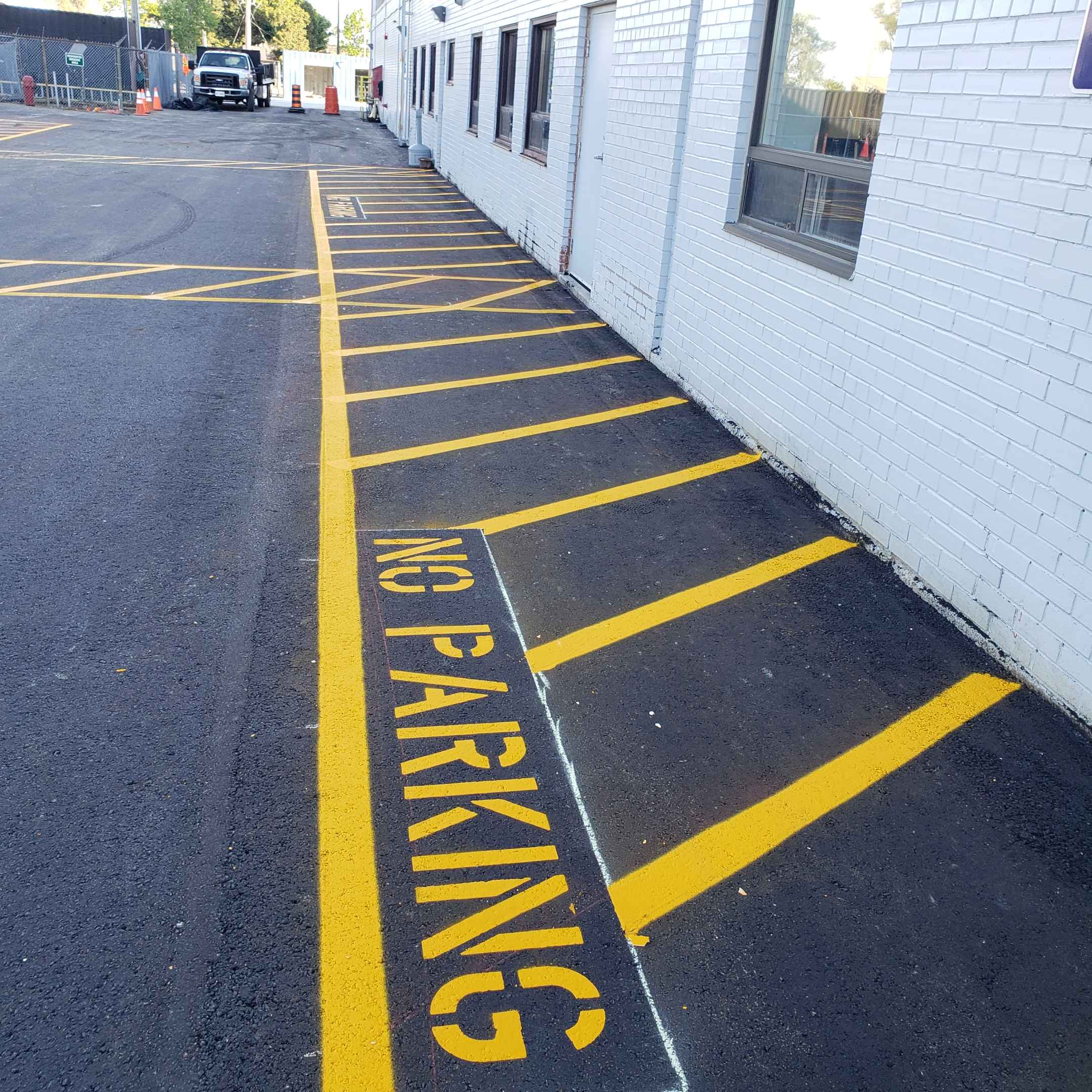
- Regulatory Compliance: Ensures parking lots and roadways meet local safety standards and legal requirements.
Common Mistakes in Pavement Maintenance
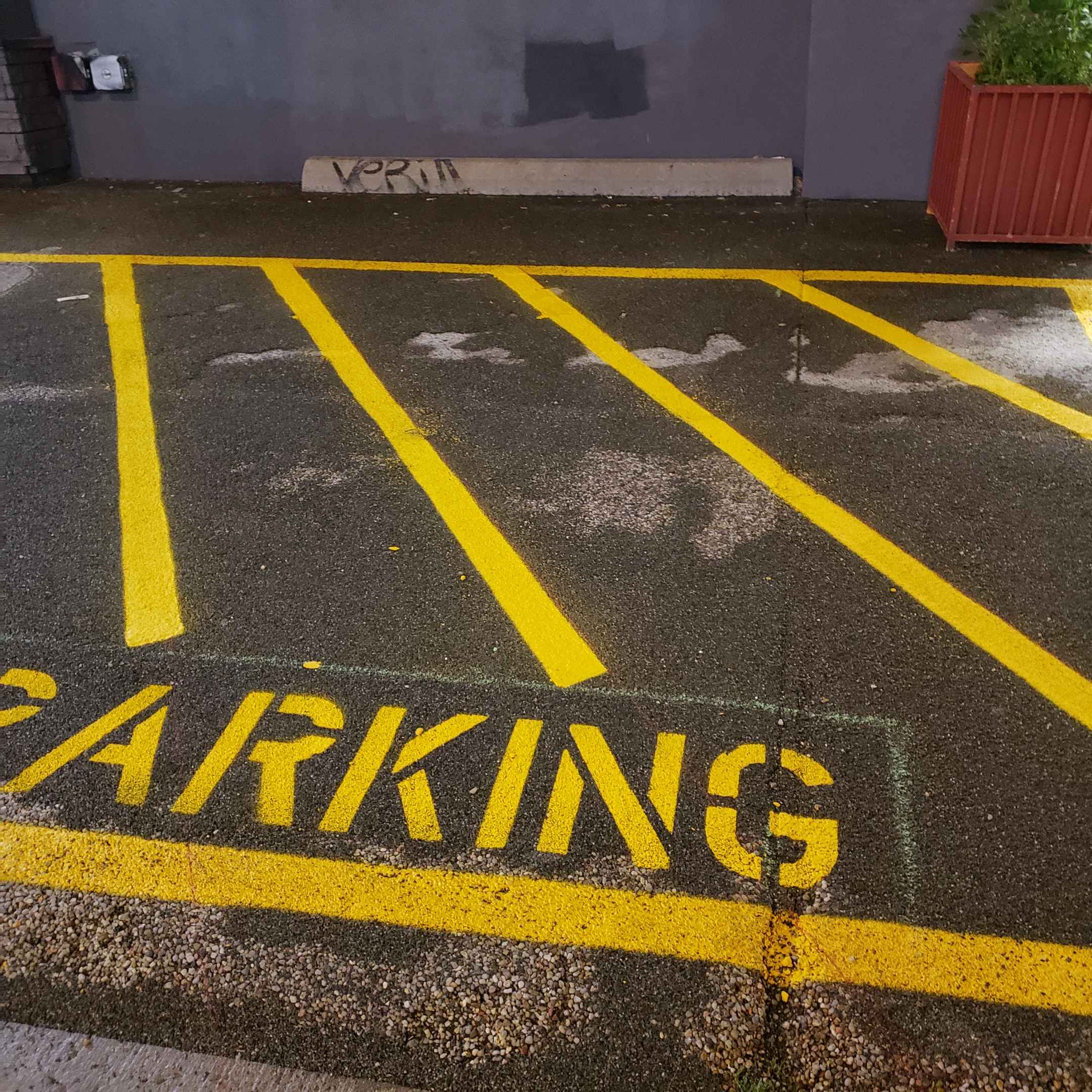
Many property managers overlook the importance of regular maintenance, assuming that if a line is still "visible," it is still functional. However, as paint wears down, its retroreflectivity decreases. A line that looks fine during a sunny afternoon may be completely invisible during a midnight storm. This is why Capital Parking Lot Line Painting recommends scheduled inspections to prevent the degradation of safety standards.
Common errors include using low-grade materials that peel easily or failing to clean the surface before applying new line painting, which leads to premature failure and increased long-term maintenance needs.
Ensure Safety with Expert Solutions
Don't wait for a conflict to occur before addressing your pavement markings. Whether it is a commercial parking lot or a private roadway, professional line marking is a proactive step toward safety and efficiency.