The Role of Pavement Marking in Traffic Conflict Reduction
Understanding how visual cues on the asphalt prevent accidents and streamline movement in busy urban environments.
In the complex ecosystem of urban mobility, the difference between a smooth flow of traffic and a chaotic collision often comes down to a few inches of high-visibility pigment. Pavement marking is much more than an aesthetic choice for a parking lot or a roadway; it is a fundamental component of traffic engineering designed to communicate intent, boundary, and warning to drivers and pedestrians alike.
As cities grow and vehicle density increases, the importance of clear, durable, and well-placed line marking cannot be overstated. For property managers and municipal planners in high-traffic areas like Toronto, maintaining these visual guides is a primary strategy in conflict reduction.
The Psychology of Visual Guidance
Human drivers rely heavily on subconscious visual cues to navigate. When a driver enters a junction or a parking facility, their brain is constantly scanning for boundaries. Professional line marking provides the necessary framework that allows for rapid decision-making. When markings are faded or missing, the cognitive load on the driver increases, leading to hesitation, erratic movements, and ultimately, traffic conflicts.
By utilizing Capital Parking Lot Line Painting services, businesses ensure that these psychological cues remain sharp and unambiguous, reducing the likelihood of side-swipe accidents or lane departures.
Key Functions of Effective Line Marking
To understand how conflict is reduced, we must look at the specific roles that different types of markings play in the traffic environment:
- Delineation: Defining lanes and boundaries to prevent vehicles from encroaching on opposing traffic or pedestrian walkways.
- Directional Guidance: Using arrows and symbols to dictate the flow of movement, preventing head-on conflicts in one-way systems.
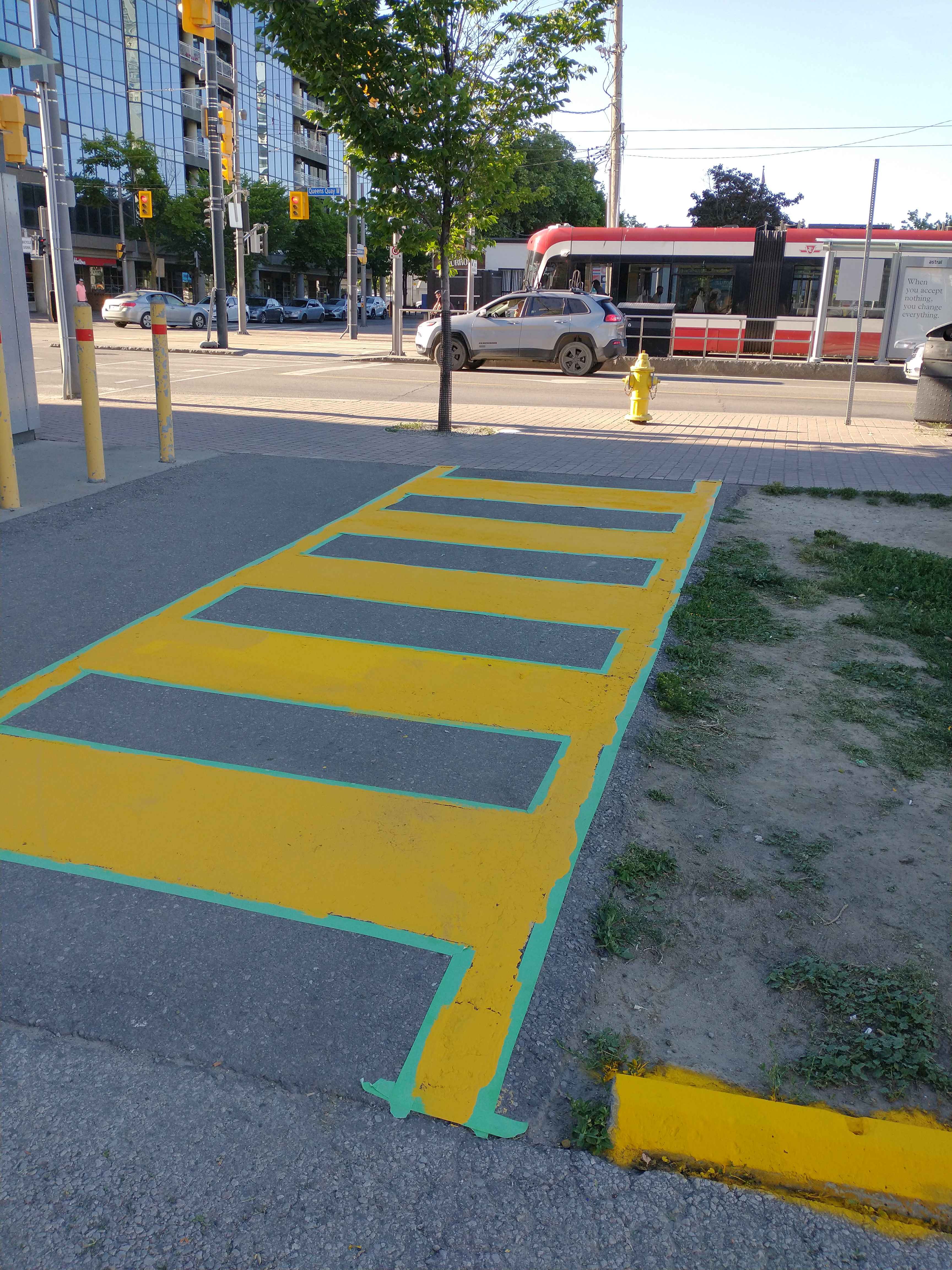
- Warning Signals: Highlighting hazards, stop lines, and pedestrian crossings to prompt driver deceleration.
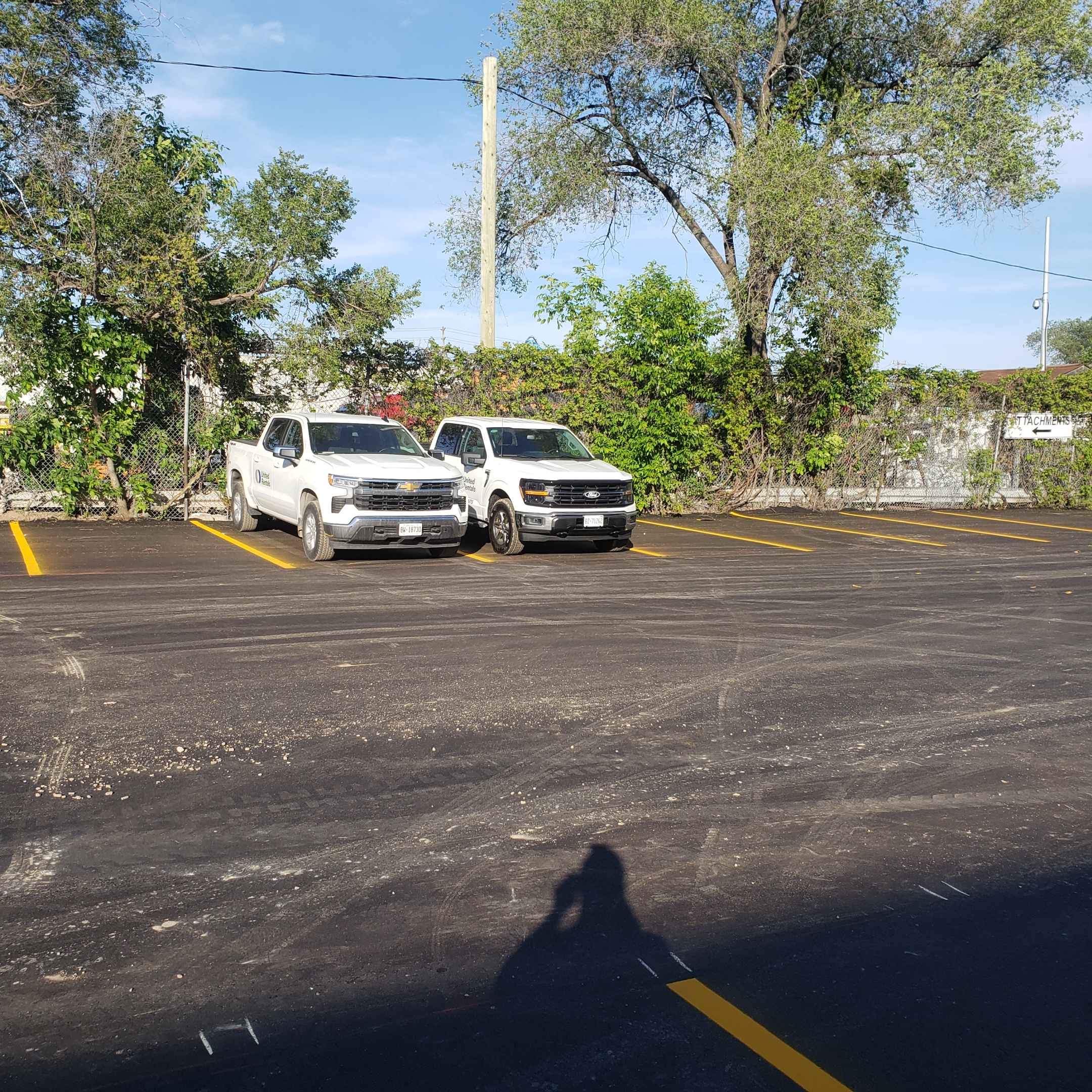
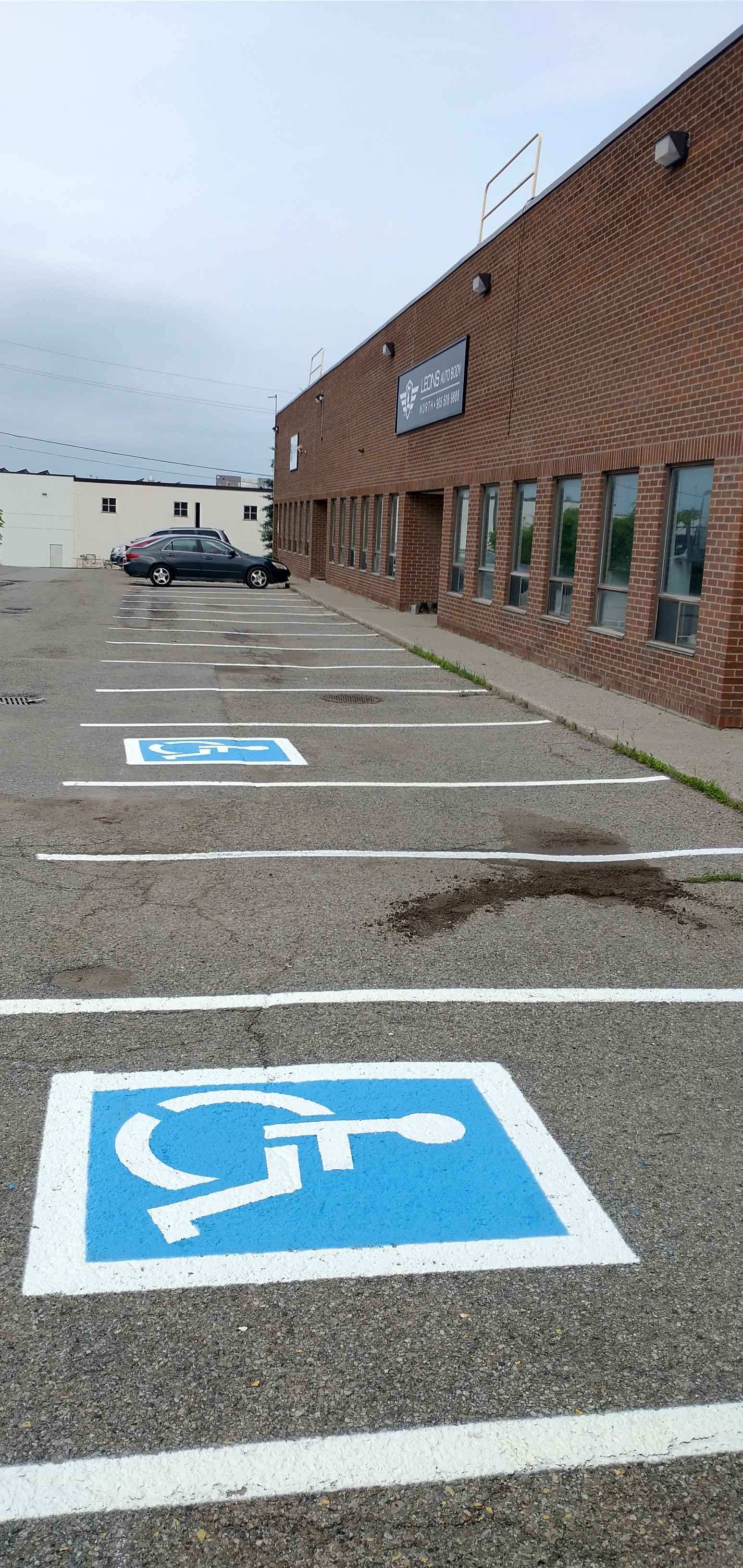
- Spatial Organization: In parking environments, marking individual stalls prevents disorganized parking that leads to door dings and low-speed collisions.
Reducing Conflict in High-Density Urban Areas
In a major metropolitan hub like Toronto, the intersection of various modes of transport—cars, cyclists, and pedestrians—creates a high-risk environment for conflict. Line marking serves as the silent mediator in these interactions.
For instance, dedicated bike lane markings and crosswalk visibility are essential for protecting vulnerable road users. When Capital Parking Lot Line Painting applies high-contrast, reflective markings, they are essentially building a safety barrier that protects pedestrians from vehicle encroachment. This is particularly vital in commercial zones where high volumes of foot traffic meet vehicle ingress and egress points.
Common Mistakes in Pavement Maintenance
Conflict often arises not from a lack of markings, but from poor-quality implementation. Common errors include:
1. Using Substandard Materials
Low-quality paint wears away quickly under heavy traffic or harsh weather. Once the markings fade, the safety benefits vanish. This is why choosing a professional like Capital Parking Lot Line Painting is vital for long-term durability.
2. Inaccurate Placement
If line marking is applied incorrectly, it can actually create new hazards by confusing drivers about where they should be positioned within a lane.
3. Neglecting Reflectivity
Markings must be visible at night. Without the proper application of reflective beads, a safe roadway during the day can become a dangerous obstacle course after sunset.
Invest in Safety Today
Don't wait for a conflict to occur before addressing your pavement markings. Clear, professional line marking is the most cost-effective way to ensure safety and order on your property.
Conclusion
Traffic conflict reduction is a multi-faceted challenge, but pavement marking remains one of the most effective tools at our disposal. By providing clear, consistent, and durable visual instructions, we can significantly lower the risk of accidents and improve the overall efficiency of our transport networks. Whether it is a private lot or a busy city street, the quality of the line marking dictates the safety of the journey.