The Role of Pavement Marking in Traffic Conflict Reduction
Understanding how visual cues on the ground prevent accidents and streamline movement in high-traffic areas.
Road safety is often discussed in terms of vehicle technology, driver behavior, or speed limits. However, one of the most fundamental components of a safe transportation network is often overlooked: the visual guidance provided by the ground itself. Pavement marking is not merely an aesthetic choice for a parking lot or a roadway; it is a critical psychological and physical tool used to manage human behavior and reduce traffic conflicts.
When drivers enter a complex intersection or a crowded parking facility in a bustling area like Vaughan, they rely on instant, subconscious cues to navigate. When these cues are faded, broken, or poorly placed, the risk of collision increases exponentially. This is where the expertise of Capital Parking Lot Line Painting becomes invaluable, ensuring that every stripe serves a functional purpose in safety management.
The Psychology of Pavement Marking
Traffic conflict occurs when the paths of two or more road users intersect in a way that could lead to a collision. To prevent this, engineers and safety experts use line marking to create "predictability." Predictability is the cornerstone of safety; when a driver knows exactly where a lane begins, where a pedestrian crossing is located, and where a stop line resides, they can make decisions with confidence.
High-visibility line marking acts as a silent instructor. It dictates the flow of movement without the need for intrusive signage. By clearly delineating boundaries, it reduces the cognitive load on the driver, allowing them to focus on potential hazards rather than struggling to interpret an ambiguous road layout.
Key Benefits of Professional Line Marking
Investing in high-quality line marking provides several layers of protection for both motorists and pedestrians. Capital Parking Lot Line Painting specializes in applying durable solutions that stand the test of time and weather.
- Conflict Mitigation: Clearly defined lanes prevent side-swipe accidents and lane drifting.
- Pedestrian Protection: High-contrast crosswalk markings ensure walkers are visible to approaching vehicles.
- Directional Clarity: Arrows and directional lines prevent confusion in complex multi-lane environments.
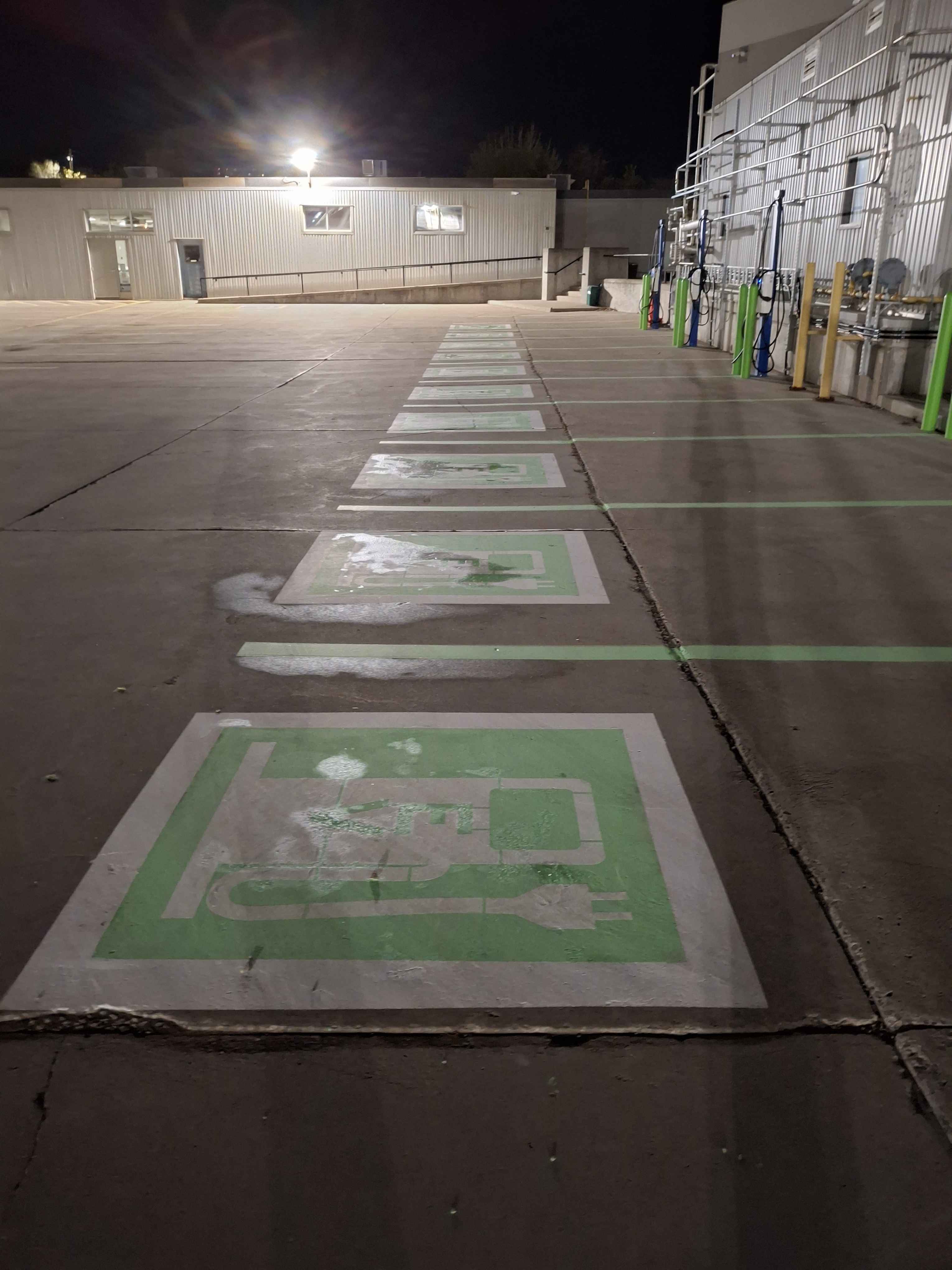
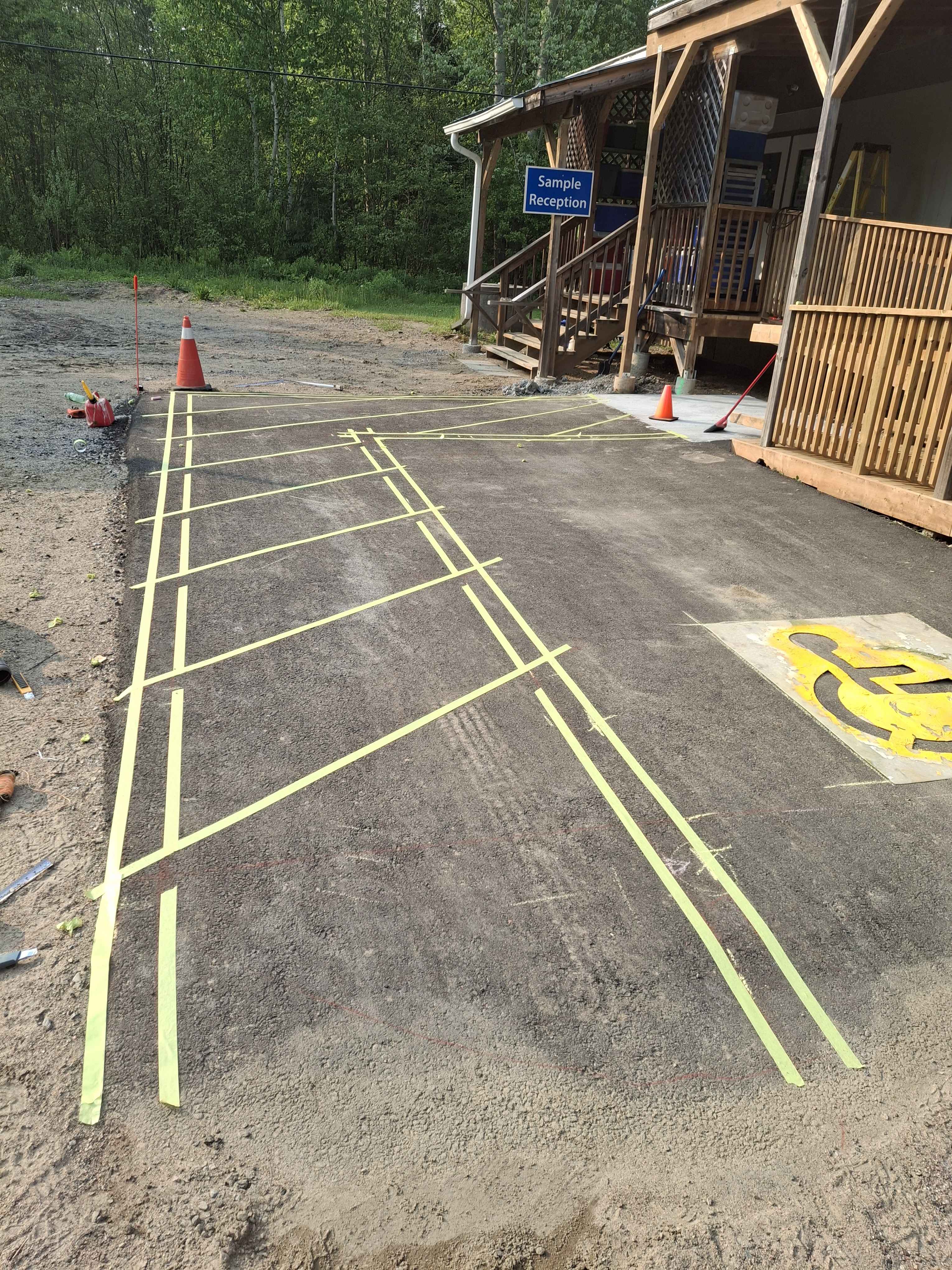
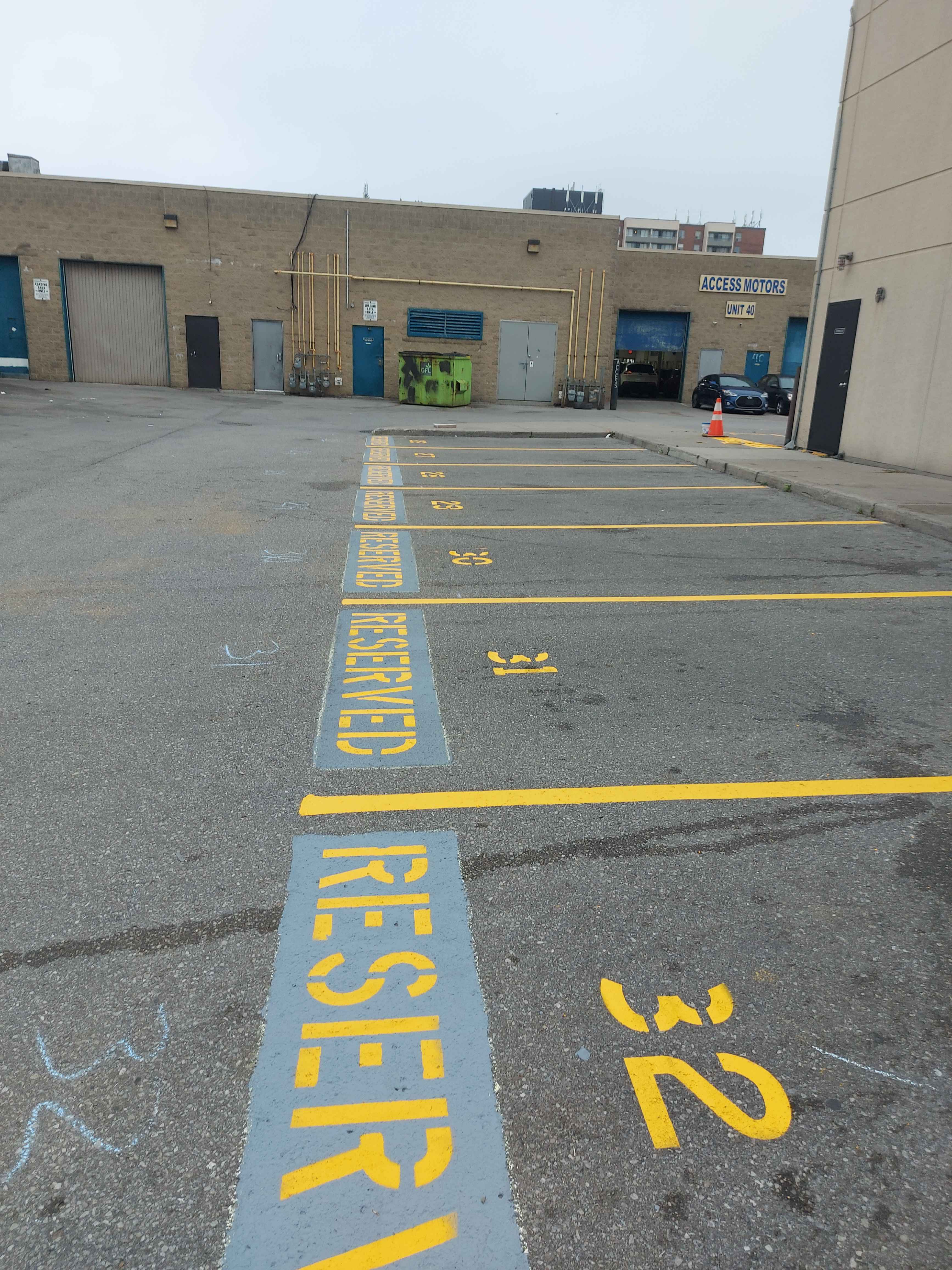
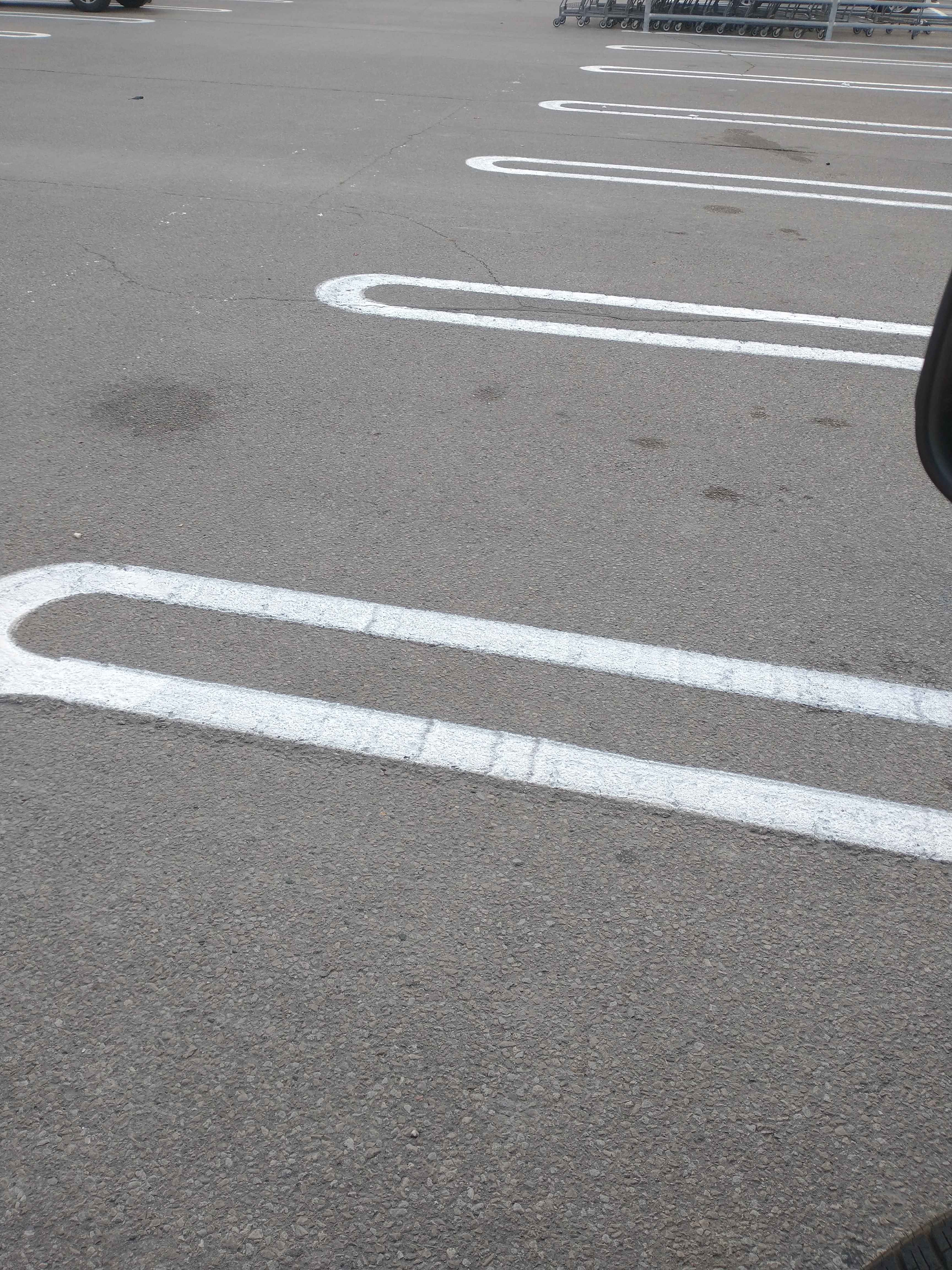
- Spatial Organization: In parking environments, marking ensures vehicles remain within designated stalls, preventing congestion.
- Regulatory Compliance: Proper marking ensures facilities meet local safety standards and accessibility requirements.
Addressing Challenges in Urban Environments
In a top 30 city in Ontario like Vaughan, the sheer volume of traffic presents unique challenges. Rapid urbanization means that parking lots and access roads are under constant pressure. Faded markings in these high-density areas can lead to chaotic movement, increased pedestrian risk, and frequent minor collisions.
Regular maintenance through professional line painting is essential to combat the wear and tear caused by heavy vehicles and harsh Canadian winters. Capital Parking Lot Line Painting provides the precision required to restore these visual boundaries, effectively resetting the safety standards of the property.
Types of Markings and Their Safety Functions
Longitudinal Markings
These are the lines that run parallel to the direction of travel. They separate lanes and define the edges of the drivable surface, preventing drivers from veering into oncoming traffic or off the roadway.
Transverse Markings
These lines run across the path of travel, such as stop bars, crosswalks, and speed humps. They are vital for controlling speed and indicating where a vehicle must come to a complete halt.
Visual Summary
Quality line marking is the foundation of a safe driving environment. Whether it is a commercial lot or a municipal street, clear visibility is non-negotiable for reducing accidents and maintaining orderly traffic flow.
Conclusion
Reducing traffic conflicts requires a proactive approach to infrastructure maintenance. By prioritizing high-quality, visible, and accurate line marking, property owners and municipalities can significantly decrease the likelihood of accidents. Don't wait for a conflict to occur before addressing your road markings; ensure your pathways are safe, organized, and compliant today.